← Back to library
Tennis·Warm-Up
·6 min read

Tennis Warm-Up Stretches: 10 Dynamic Moves Before You Play

A tennis warm-up should be dynamic and multi-planar, focusing on rotator cuff activation, thoracic rotation, and hip mobility to prepare for high-velocity serves and lateral movement.

Tennis demands explosive overhead serving, repetitive lateral cuts, and rotational groundstrokes. A proper warm-up addresses the entire kinetic chain, from the ankle through the shoulder, and specifically pre-activates the rotator cuff and scapular stabilizers that bear the brunt of every match.

The Recommended Routine

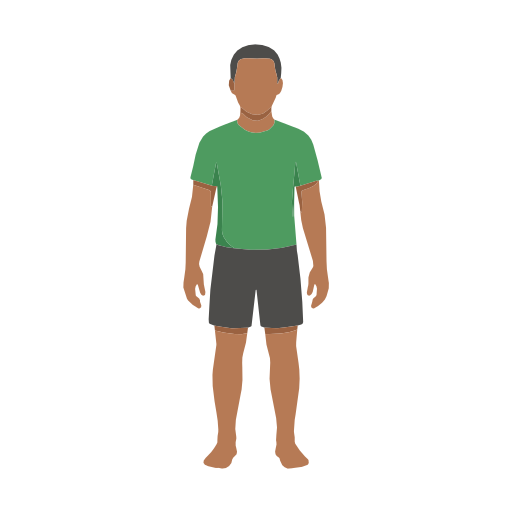
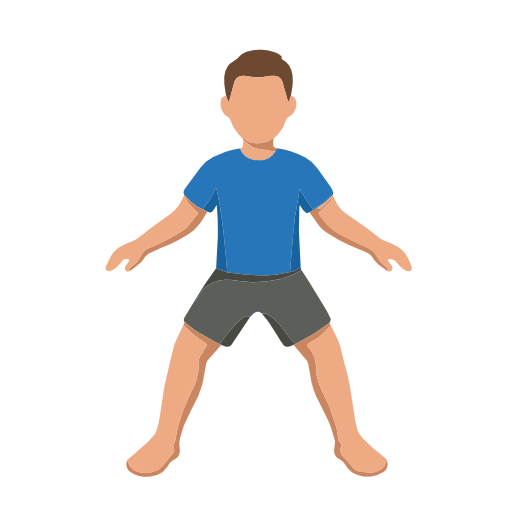
1
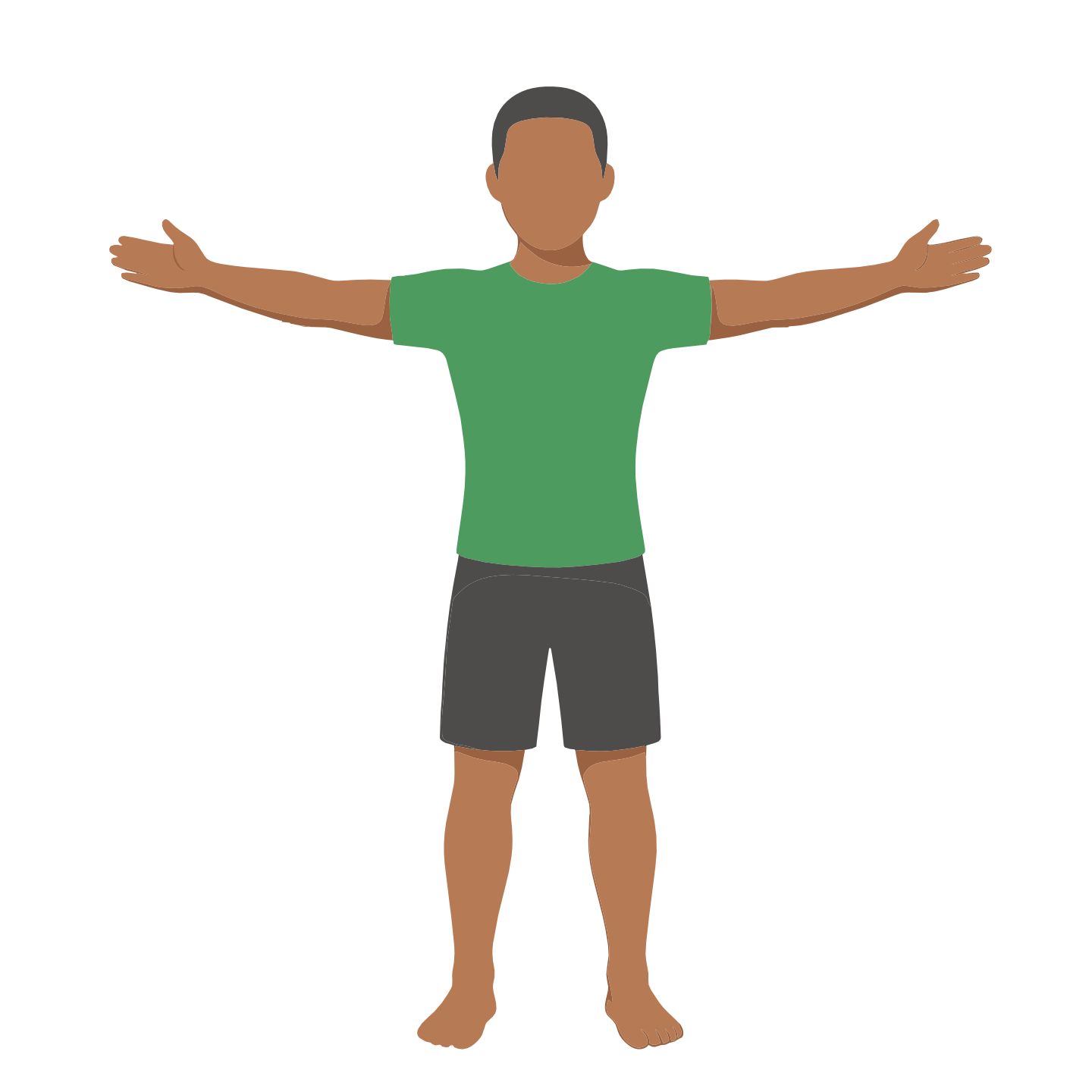
Arm Circles
Full Body and Shoulders · 2 lengths of the court
  1. Stand with feet shoulder-width apart and arms extended to a 'T'
  2. Begin with large, controlled circular motions
  3. Keep your core engaged and posture upright
  4. Reverse direction halfway through
Why it works
Elevates core temperature while priming the rotator cuff for the serve, the most strenuous tennis stroke.
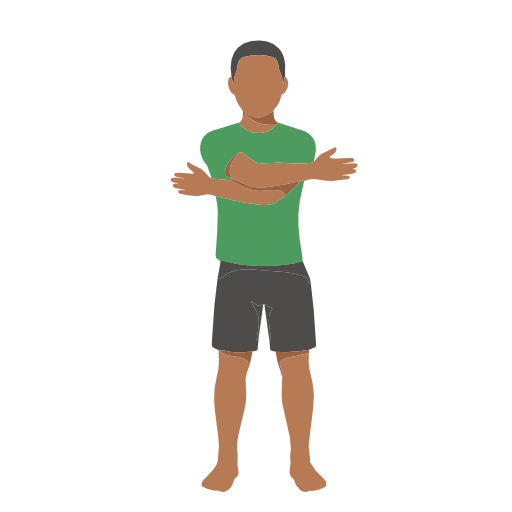
2
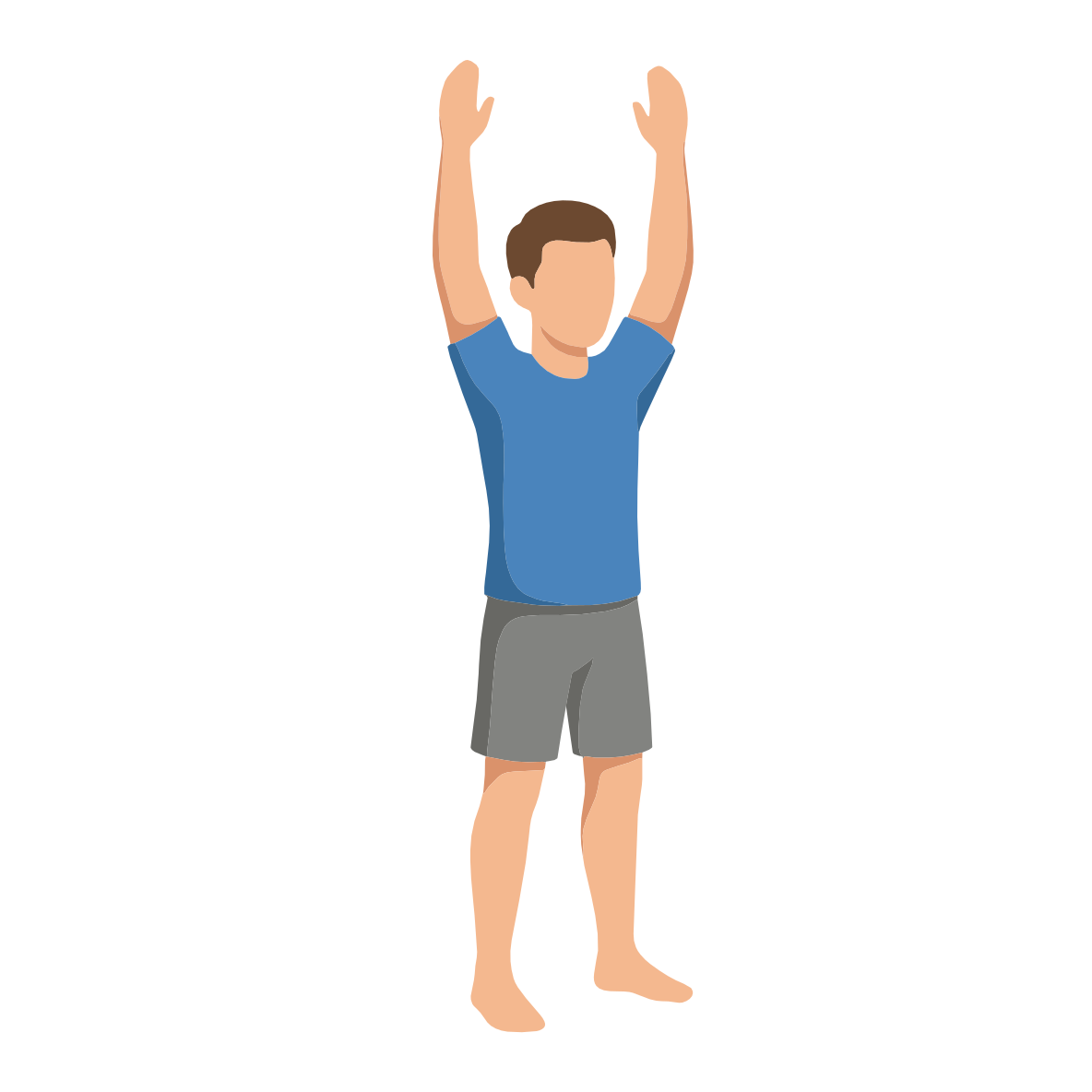
Dynamic Chest Opener
Shoulder Capsule · 15 reps
  1. Hold a stick, towel, or use arms wide and sweep from front to back
  2. Keep arms straight throughout the movement
  3. Move slowly and only go as far as shoulder mobility allows
  4. Grip width can be widened to reduce shoulder demand
  5. Avoid shrugging the shoulders, keep them packed down
Why it works
Dynamically mobilizes the back of the shoulder, which is critical for preventing impingement.
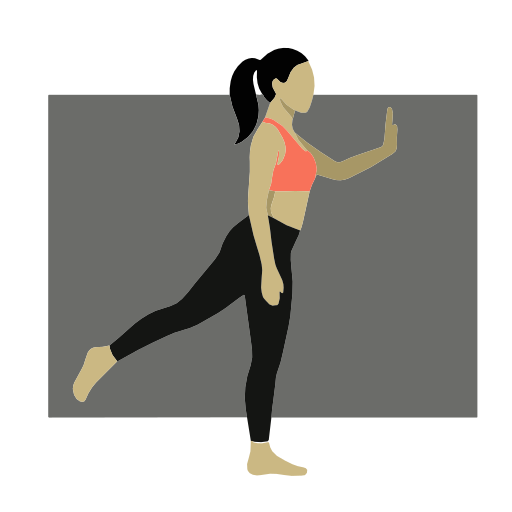
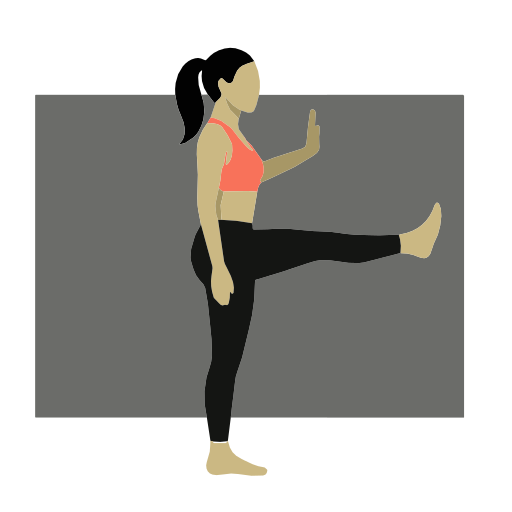
3
Forward/Backward Leg Swings
Hips and Hamstrings · 10 reps each direction
  1. Stand sideways to a wall or fence and hold on for balance
  2. Keep your torso upright and core engaged
  3. Swing the outside leg forward and backward in a smooth pendulum motion
  4. Gradually increase the height of the swing
Why it works
Prepares your hips for the sudden split-step and wide defensive lunges.
4
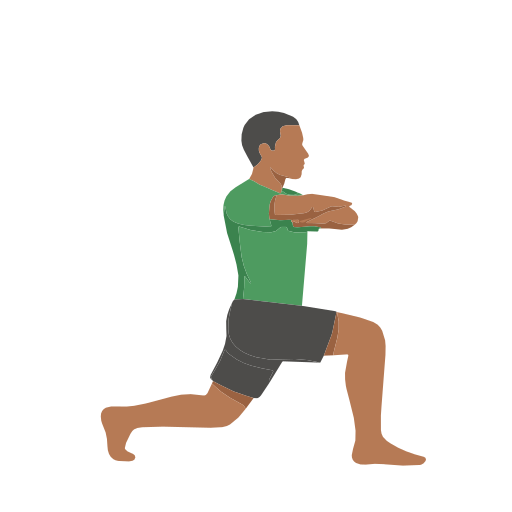
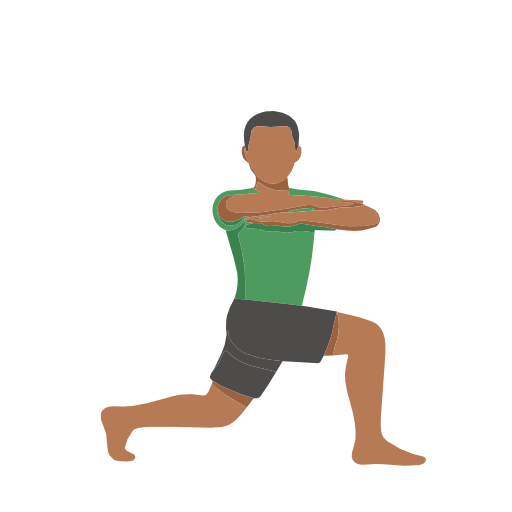
Lunge with Twist
Hips and Mid-Back · 10 reps per leg
  1. Step forward into a deep lunge, keeping front knee over ankle
  2. Rotate your torso toward the front knee only, keep hips square
  3. Maintain an upright chest throughout
  4. Drive the rear knee toward the ground without touching
  5. Return to standing and alternate sides
Why it works
Mobilizes the thoracic spine, the primary source of rotational velocity in tennis.
5
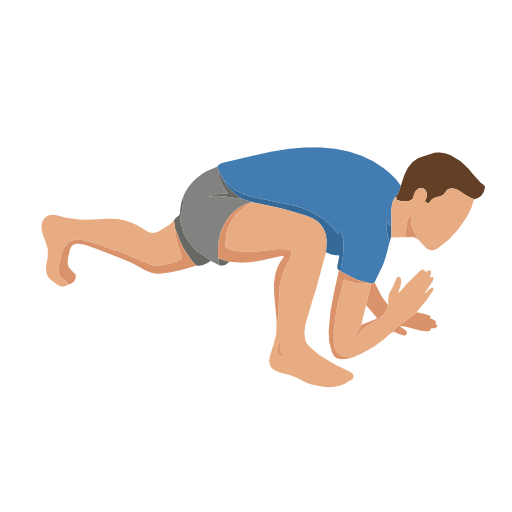
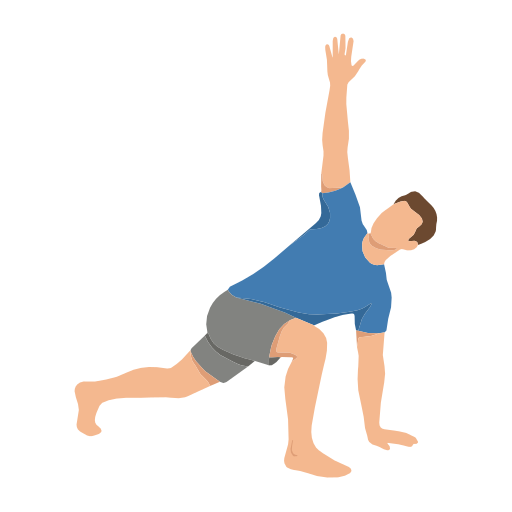
World's Greatest Stretch
Full Body · 5 reps per side
  1. Lunge forward and place both hands inside the front foot
  2. Drop the elbow closest to the front foot toward the floor
  3. Rotate the same arm open toward the ceiling, looking at the hand
  4. Return the hand to the floor, rock back to straighten the front leg (hamstring stretch)
  5. Stand up and alternate legs
Why it works
Addresses nearly every chronically restricted area in tennis in one integrated flow.
6
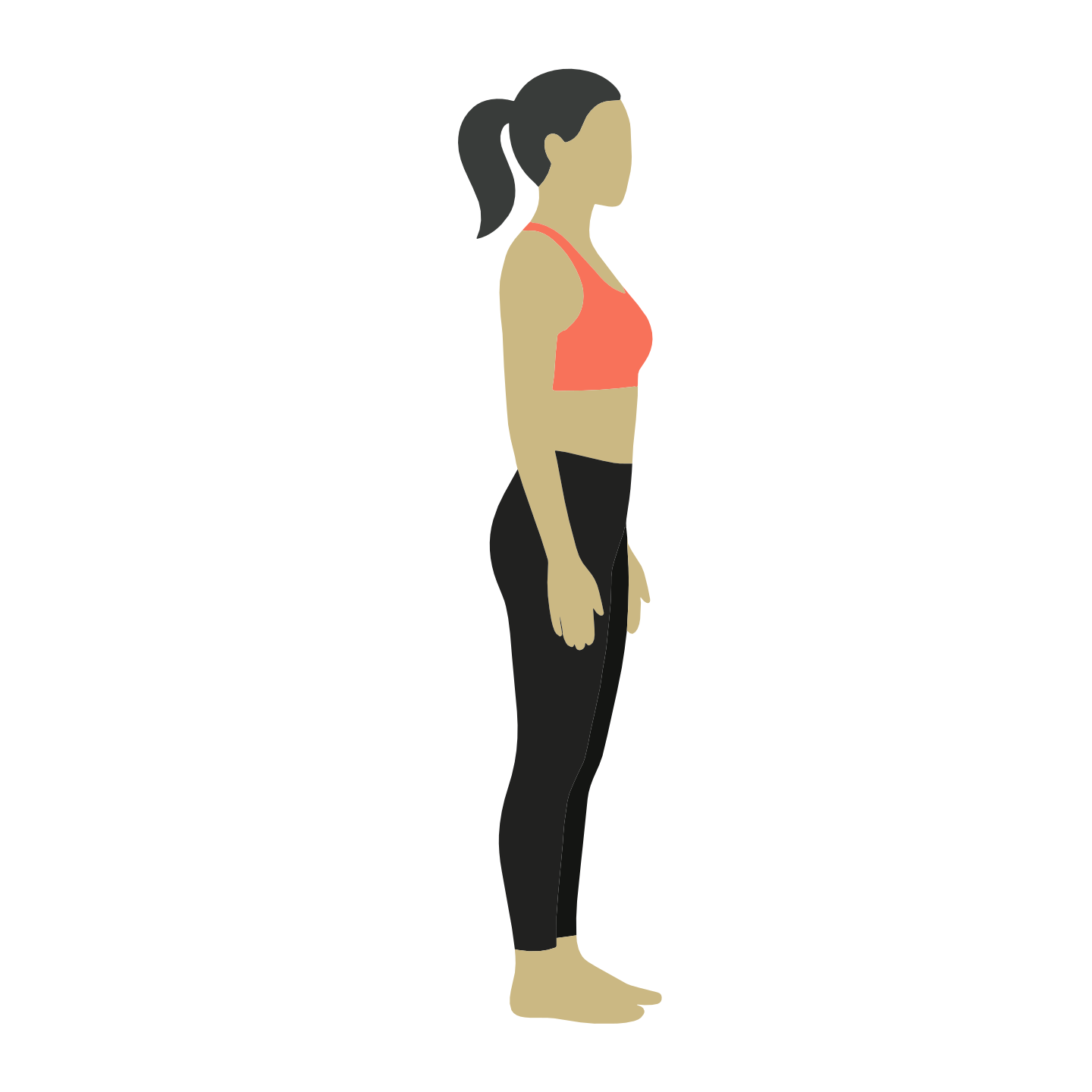
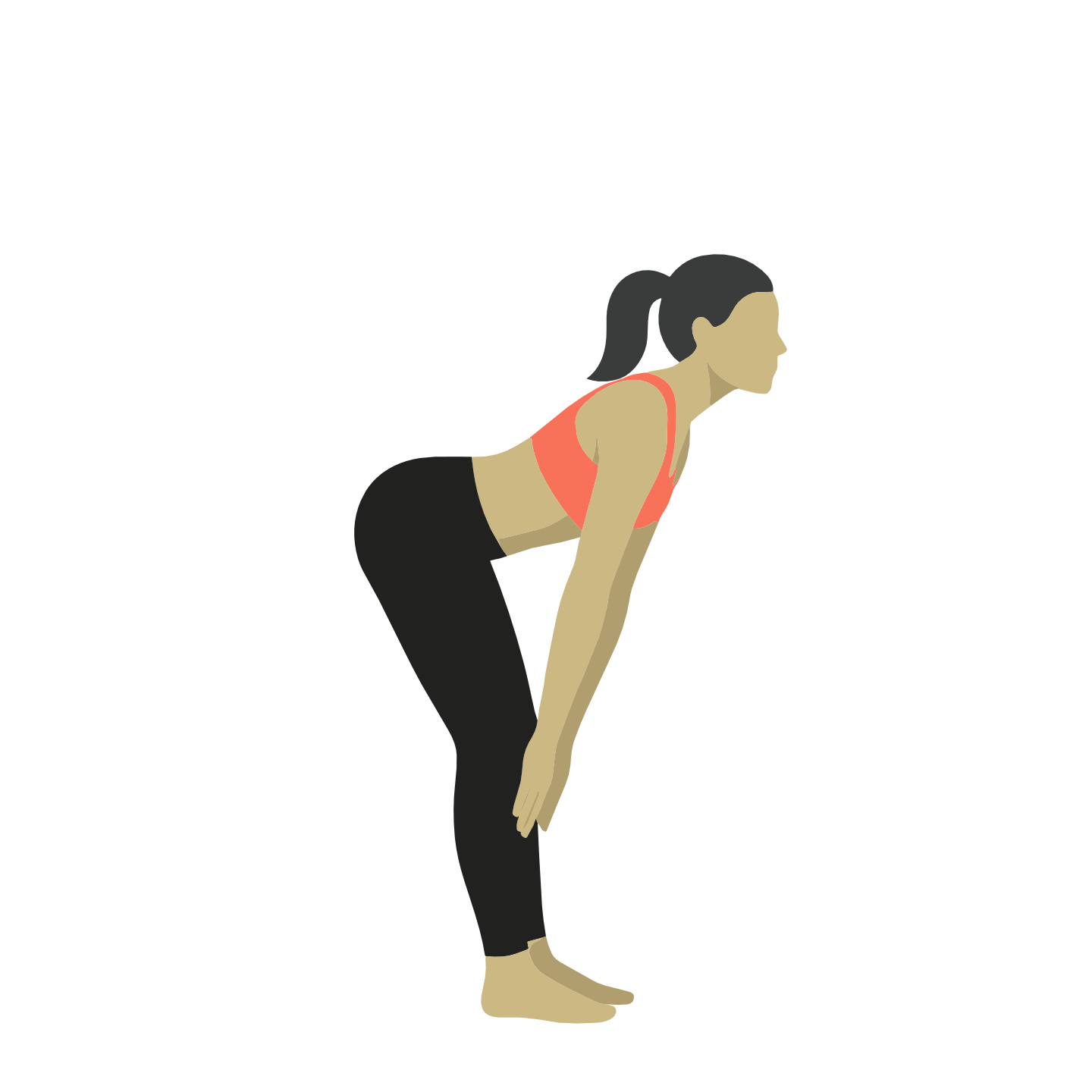
Bodyweight Romanian Deadlift
Glutes and Balance · 8 reps per side
  1. Stand tall with feet hip-width apart and a slight bend in the knees
  2. Hinge at the hips, pushing them backward while reaching hands toward mid-shin
  3. Keep your back flat throughout, neutral spine
  4. Feel the stretch build in the hamstrings as you lower
  5. Drive hips forward to return upright, squeezing the glutes at the top
Why it works
Trains single-leg balance and activates lateral ankle stabilizers to help prevent sprains.
7
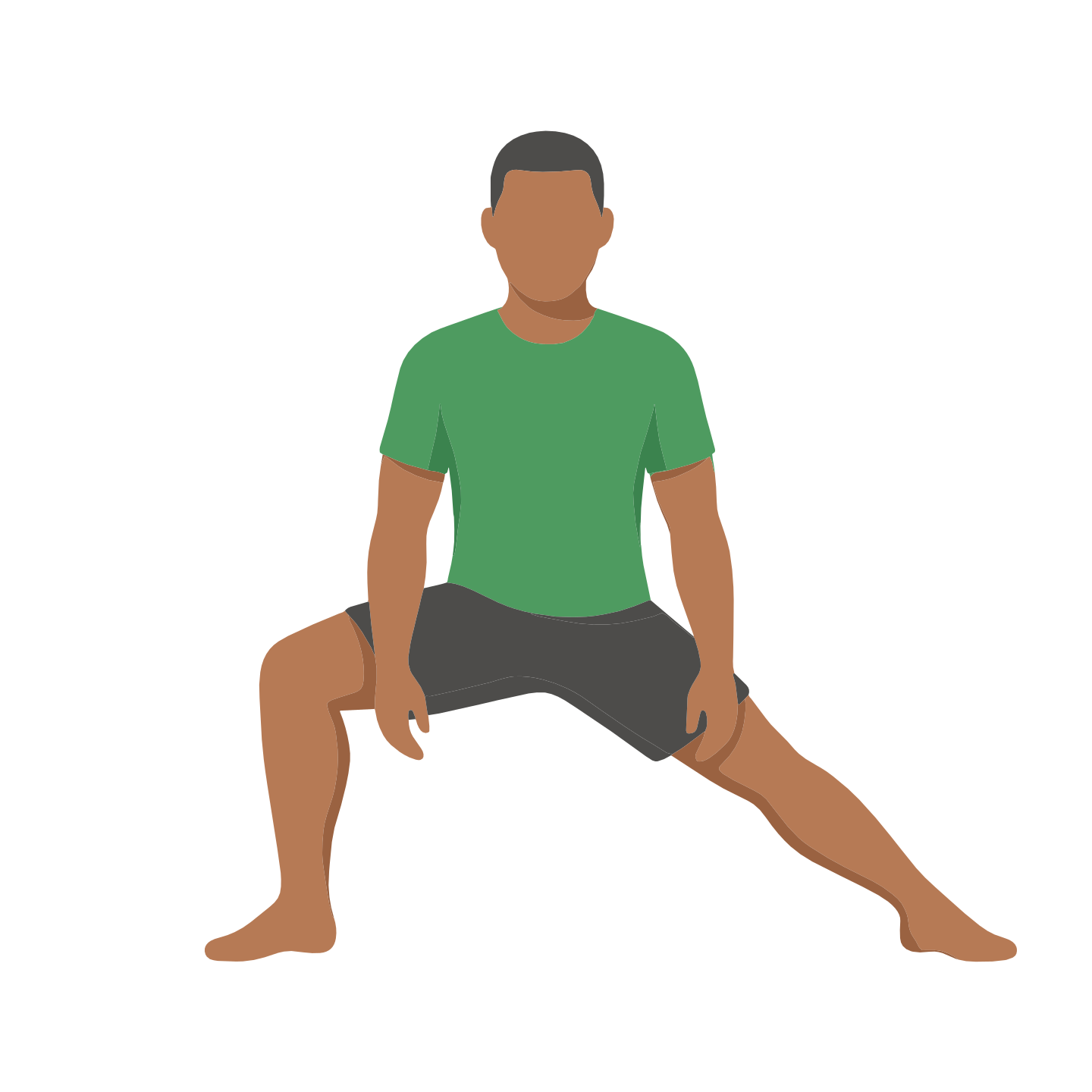
Sumo Lunges
Groin and Hips · 10 reps per side
  1. Stand in a very wide stance with toes turned slightly outward
  2. Shift your weight over one leg, bending that knee deeply
  3. Keep the opposite leg straight
  4. Drive the bent knee in line with the toes, don't let it cave inward
  5. Rock side to side in a controlled rhythm
Why it works
Prepares the groin and hips for the lateral movement that dominates court play.
8
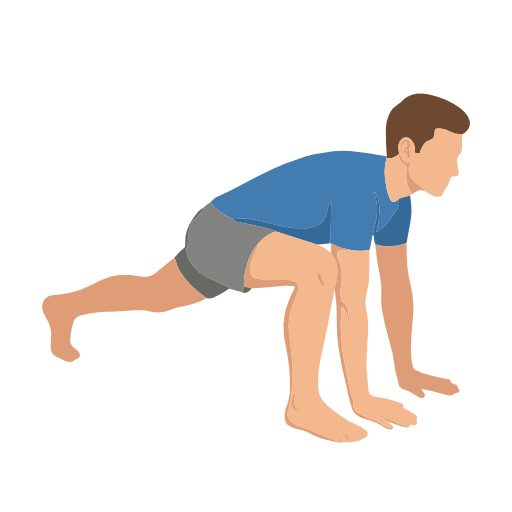
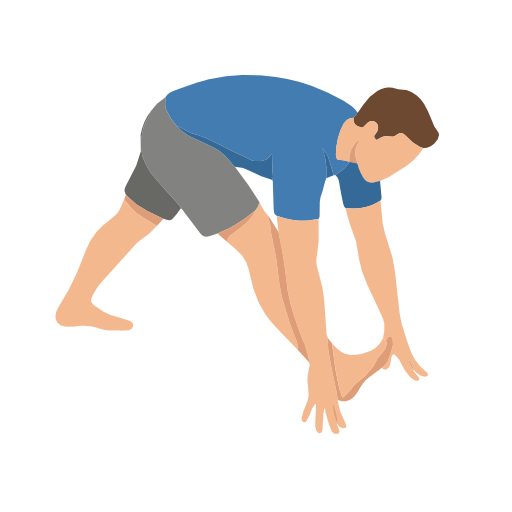
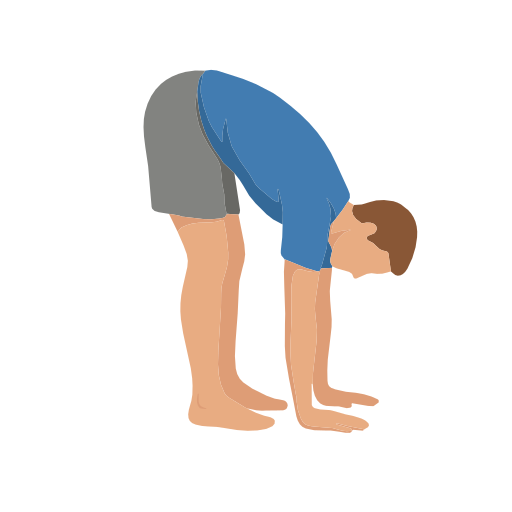
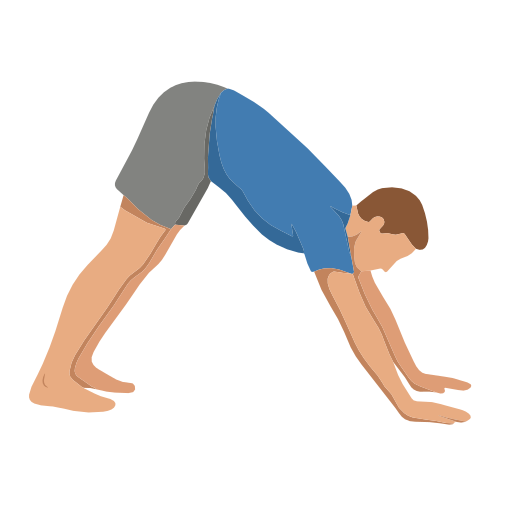
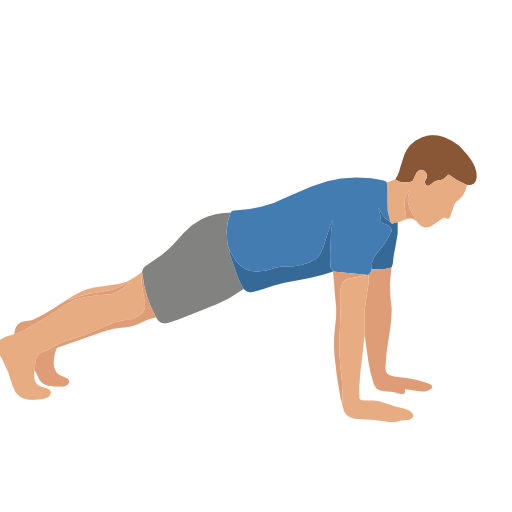
Inchworms
Hamstrings and Shoulders · 6 reps
  1. Hinge at the hips and place hands on the floor in front of your feet
  2. Walk hands out to a high plank position
  3. Keep legs straight and take tiny steps, walking your feet toward your hands
  4. Stand up and repeat
Why it works
Loads the wrist and scapular stabilizers through weight-bearing to protect the elbow.
9
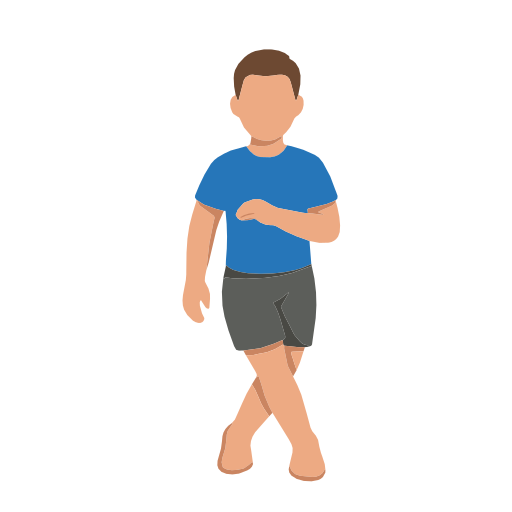
Carioca
Hip Rotators · 2 lengths of the court
  1. Move laterally by crossing the trailing leg in front of, then behind, the lead leg
  2. Keep shoulders square to the front
  3. Maintain a low athletic stance with a slight bend in the knees
  4. Move quickly and rhythmically on the balls of your feet
Why it works
Trains multi-planar hip coordination for quick changes of direction during a rally.
10
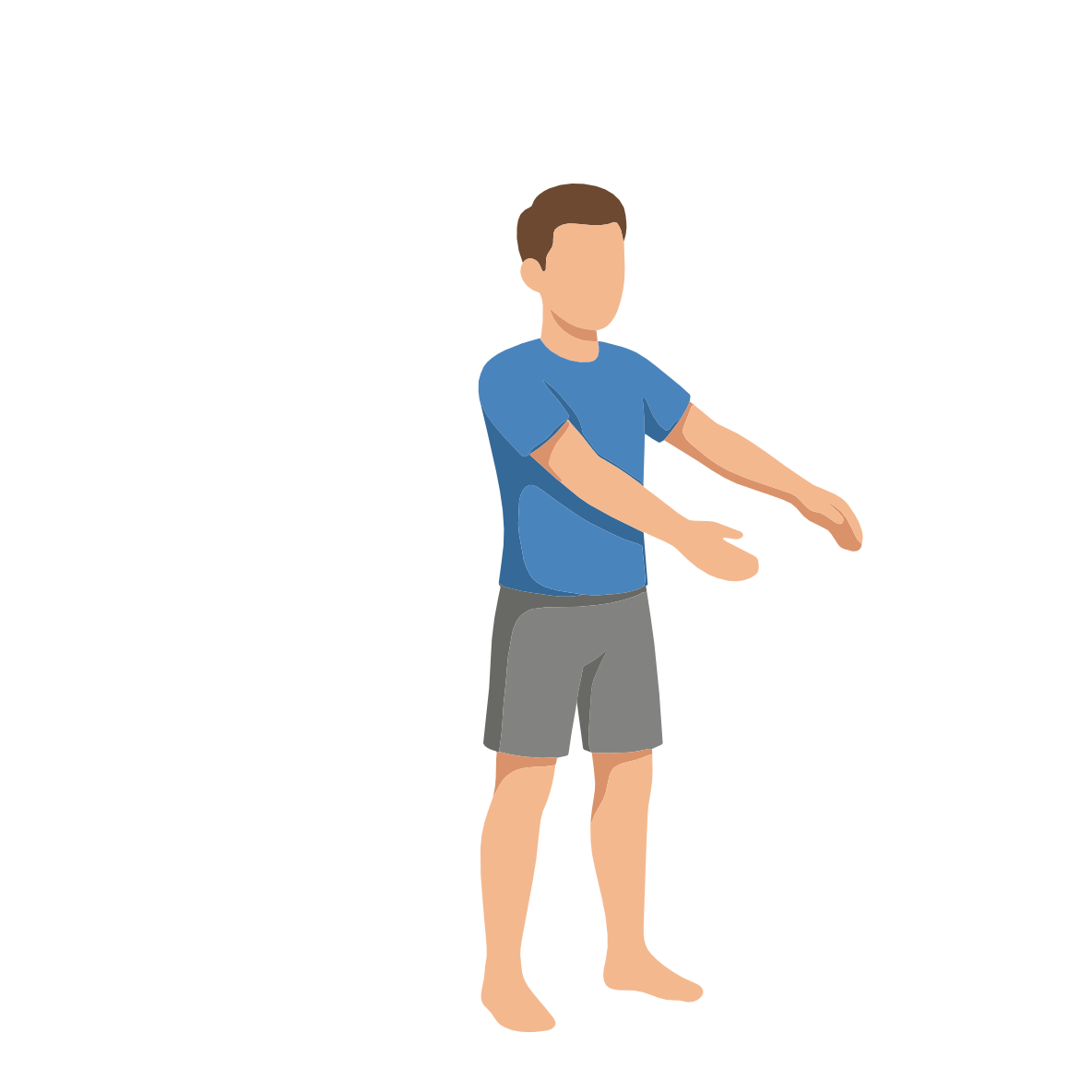
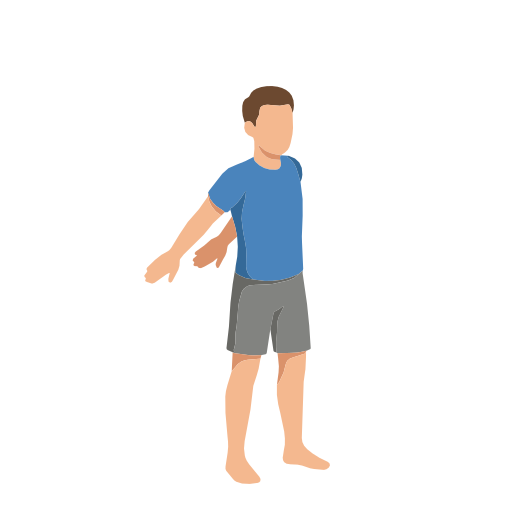
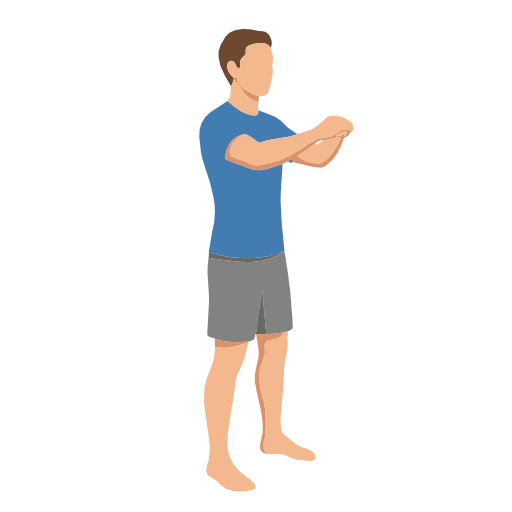
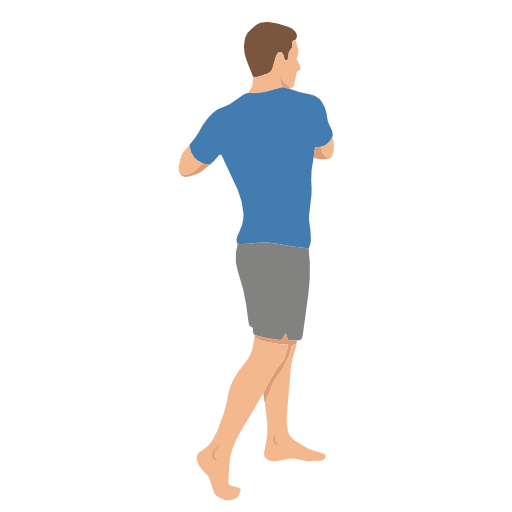
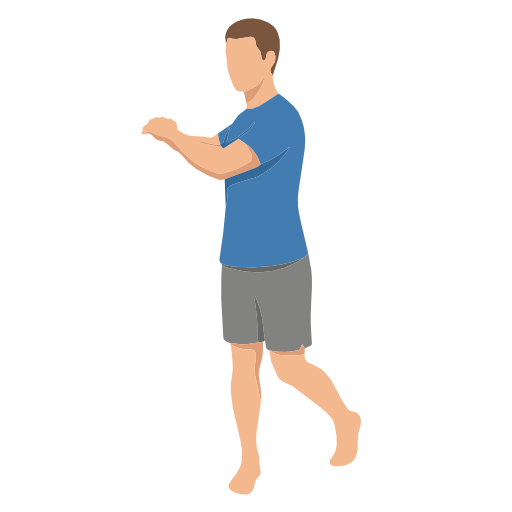
Trunk Rotations
Mid-Back · 15 reps per side
  1. Stand with feet slightly wider than hip-width apart
  2. Hold arms at chest height or out to the sides
  3. Rotate your torso from left to right in a controlled swing
  4. Keep your hips and feet stable, rotate from the thoracic spine
  5. Breathe naturally and gradually increase range of motion
Why it works
Thoracic range is the single most important mobility driver for a modern, high-velocity serve.

The Kinetic Chain in Tennis

In tennis, power isn't generated by the arm alone; it's a product of the entire kinetic chain. If your ankles are stiff, your knees take the hit. If your hips are tight, your lower back suffers. If your mid-back doesn't rotate, your shoulder and elbow are forced to do too much work.[1]

This warm-up targets every link in that chain. By priming each joint in sequence, you ensure that the force of your serve is distributed safely across your entire body.

Protecting the Rotator Cuff

The serve is the most strenuous stroke in tennis. It requires a massive amount of internal rotation and deceleration. Research shows that a dynamic warm-up specifically targeting the scapular stabilizers and rotator cuff significantly reduces the risk of strain.[2]

A tennis player's power comes from the ground up, but it is transmitted through the shoulder.

By performing the Arm Swings and Inchworms in this routine, you are waking up the muscles that keep your shoulder joint stable. This 'pre-activation' is your best defense against the repetitive stress of a long match.

Preparing for Lateral Movement

Tennis is a game of deceleration and sudden direction changes. Lateral ankle sprains are the most common acute injury on the court. The Inverted Hamstring Reach and Lateral Lunges are designed to activate the stabilizers around your ankle and groin.[3]

When you prepare these muscles for high-velocity force, you are essentially training your nervous system to react faster. This increased 'readiness' is what allows you to cut wide and change direction without losing your balance or rolling an ankle.

Frequently asked questions

Should I do static stretching before I play tennis?
Avoid holding long stretches before your match. Static stretching on cold muscles can actually decrease your explosive power. Stick to dynamic movements like these to warm up.
How long should this warm-up take?
Aim for 10 to 12 minutes. You want to feel a light sweat and a noticeable increase in your heart rate before you hit the first ball.
What if I only have five minutes?
Prioritize the World's Greatest Stretch, Leg Swings, and Arm Circles. These target the high-risk zones of the hips and shoulders.
Reach is launching soon
Audio cues, hold timers, and sport-specific routines built for athletes who want to stay healthy. Join the waitlist to be first to know when we launch.
1. USTA Player Development. 2017
2. Kovacs & Ellenbecker. Sports Health. 2011
3. Kibler et al. Sports Med. 2006

More Tennis guides

Cool-Down
Tennis Cool-Down Stretches: 10 Static Holds for Post-Match Recovery
Mobility
Tennis Mobility Stretches: Daily Maintenance for Injury-Free Play