


The Reality of Chronic Adaptation
Mobility work isn't an optional 'extra', it's a requirement of the sport. If you are a regular tennis player, your body is actively adapting to the specific demands of the game every single time you step on the court. Without a maintenance routine, those adaptations (like the loss of shoulder rotation) eventually become permanent.[1]
This routine is your way of 'undoing' the damage. By resetting your joint mechanics on your off-days, you ensure that you don't enter your next match with a pre-existing deficit.
The 10-Degree Rule
If you lose more than 10 degrees of internal rotation in your hitting shoulder compared to your non-hitting shoulder, your risk of a rotator cuff injury increases significantly.[2] This condition, known as GIRD, is one of the most common precursors to surgery in racquet athletes.
Maintaining symmetric shoulder rotation is the single most important habit for an aging tennis player.
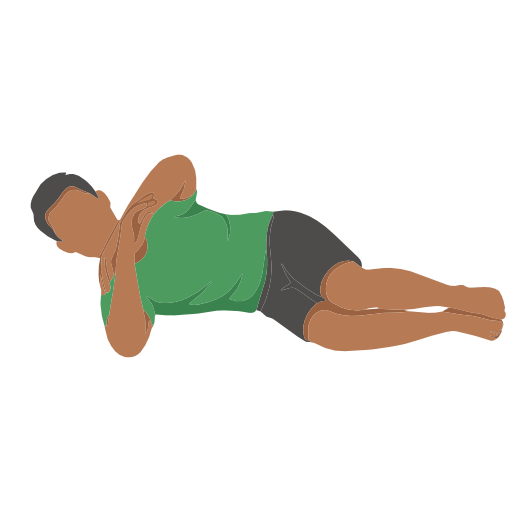
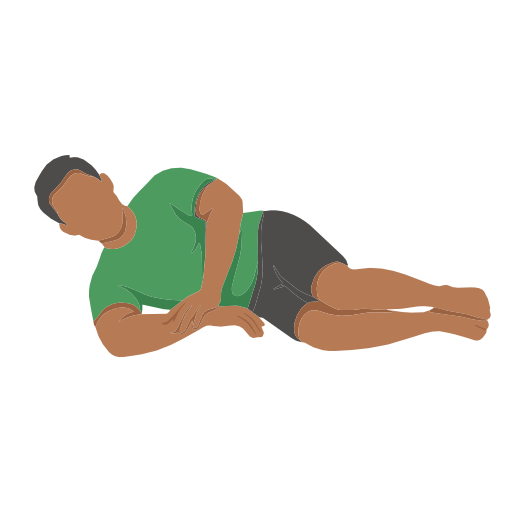
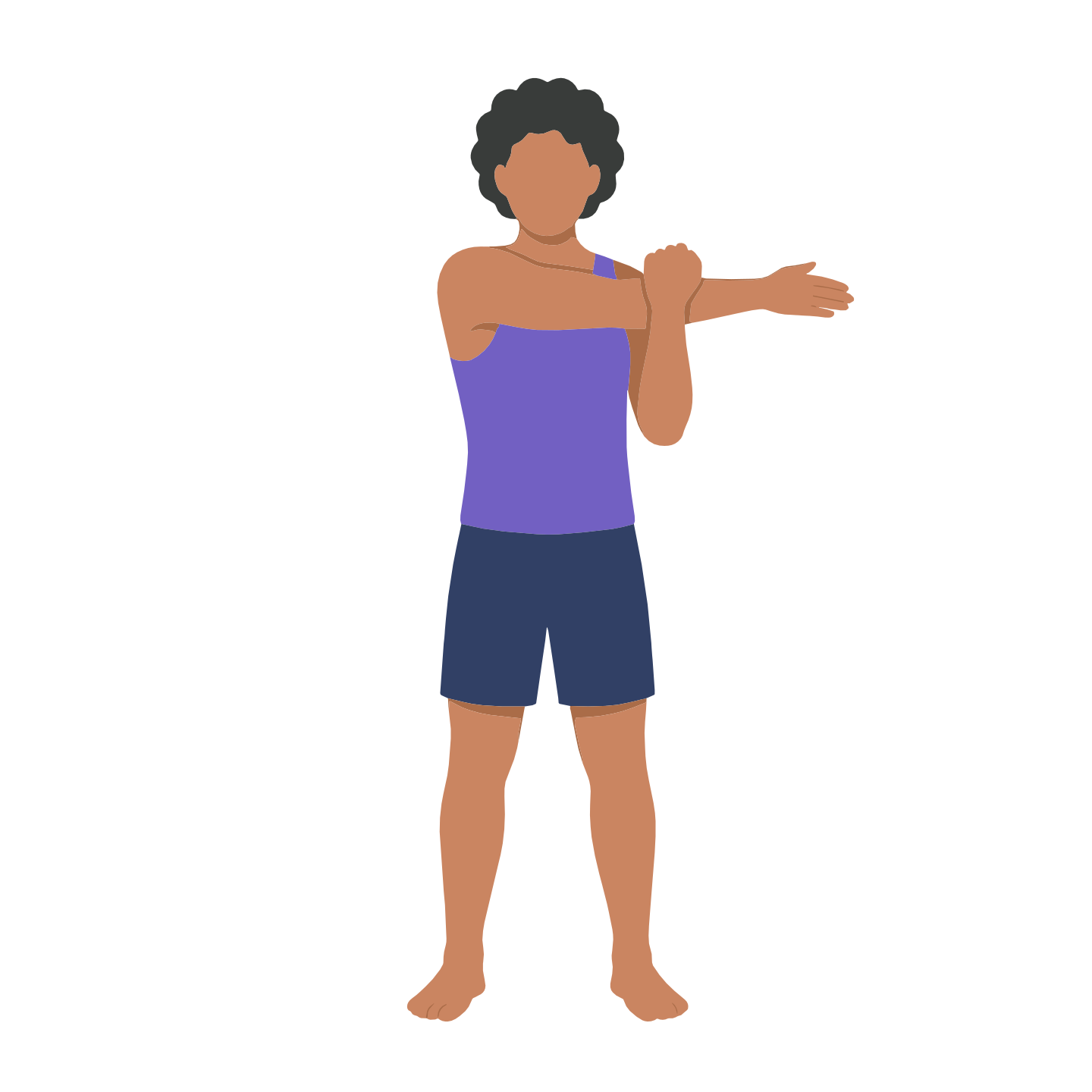
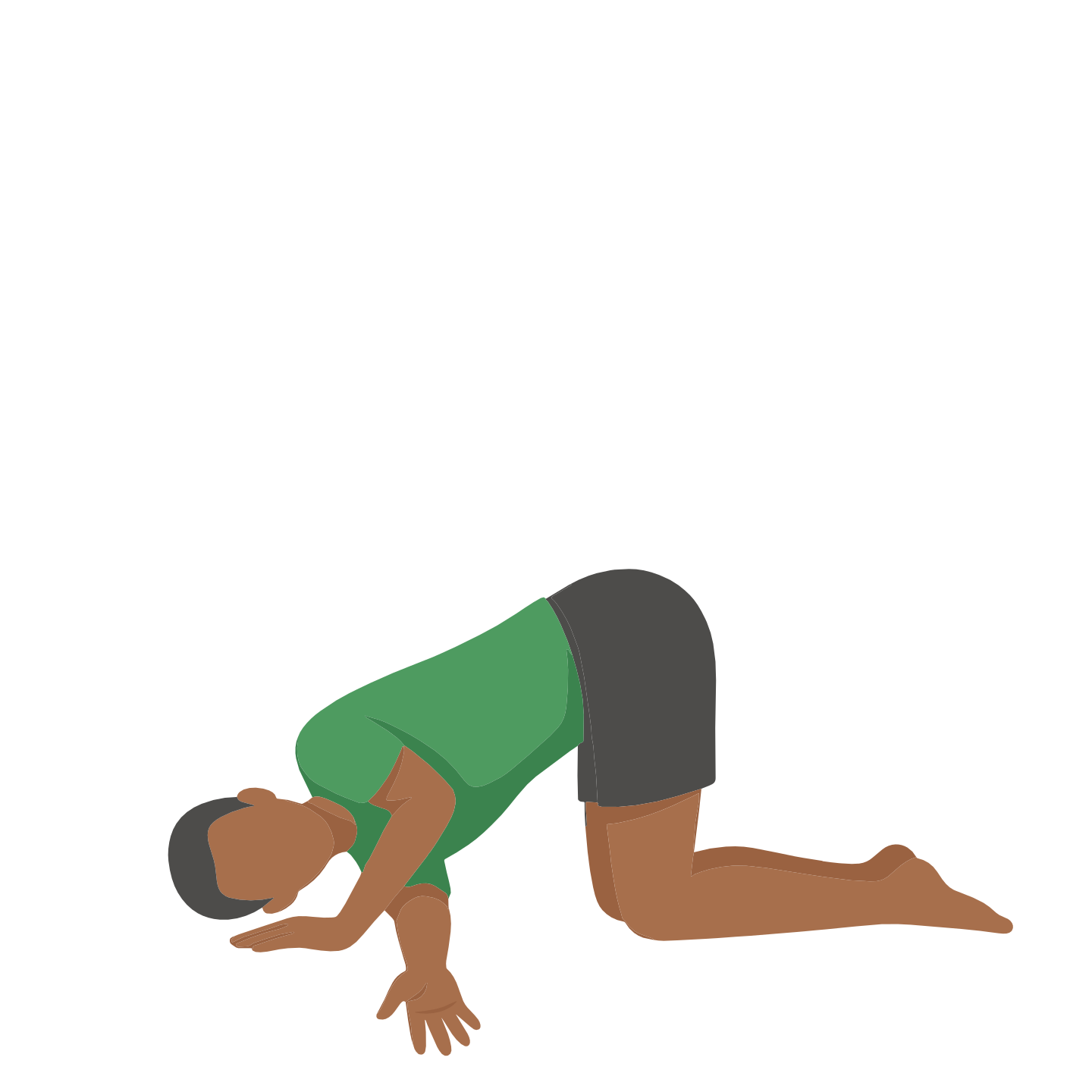
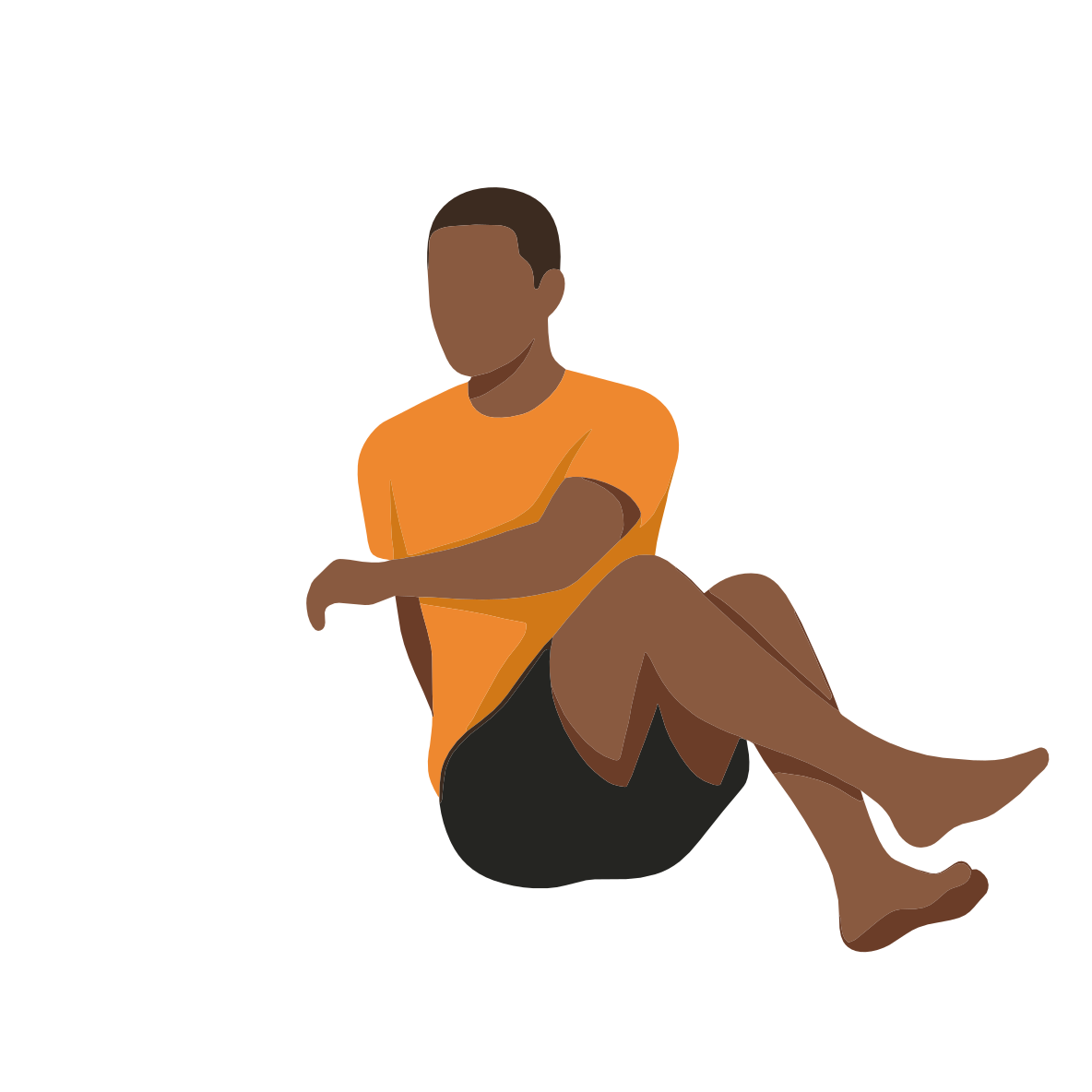
By performing the Sleeper Stretch or Modified Cross-Body Stretch daily, you are literally resetting your shoulder for the next match, ensuring the humeral head stays centered in the socket.
Protecting the Lower Back
Tennis demands extreme rotational velocity from the hips and the mid-back. When these areas become restricted, your body will find that rotation elsewhere, usually in the lumbar spine.[3]
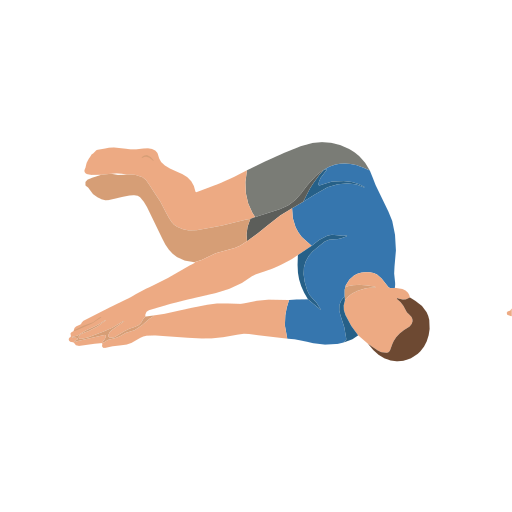
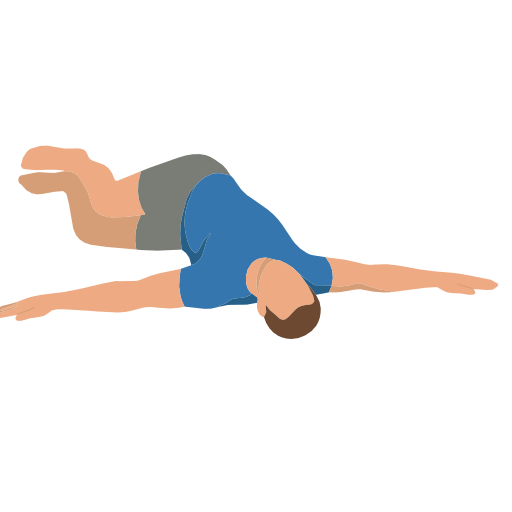
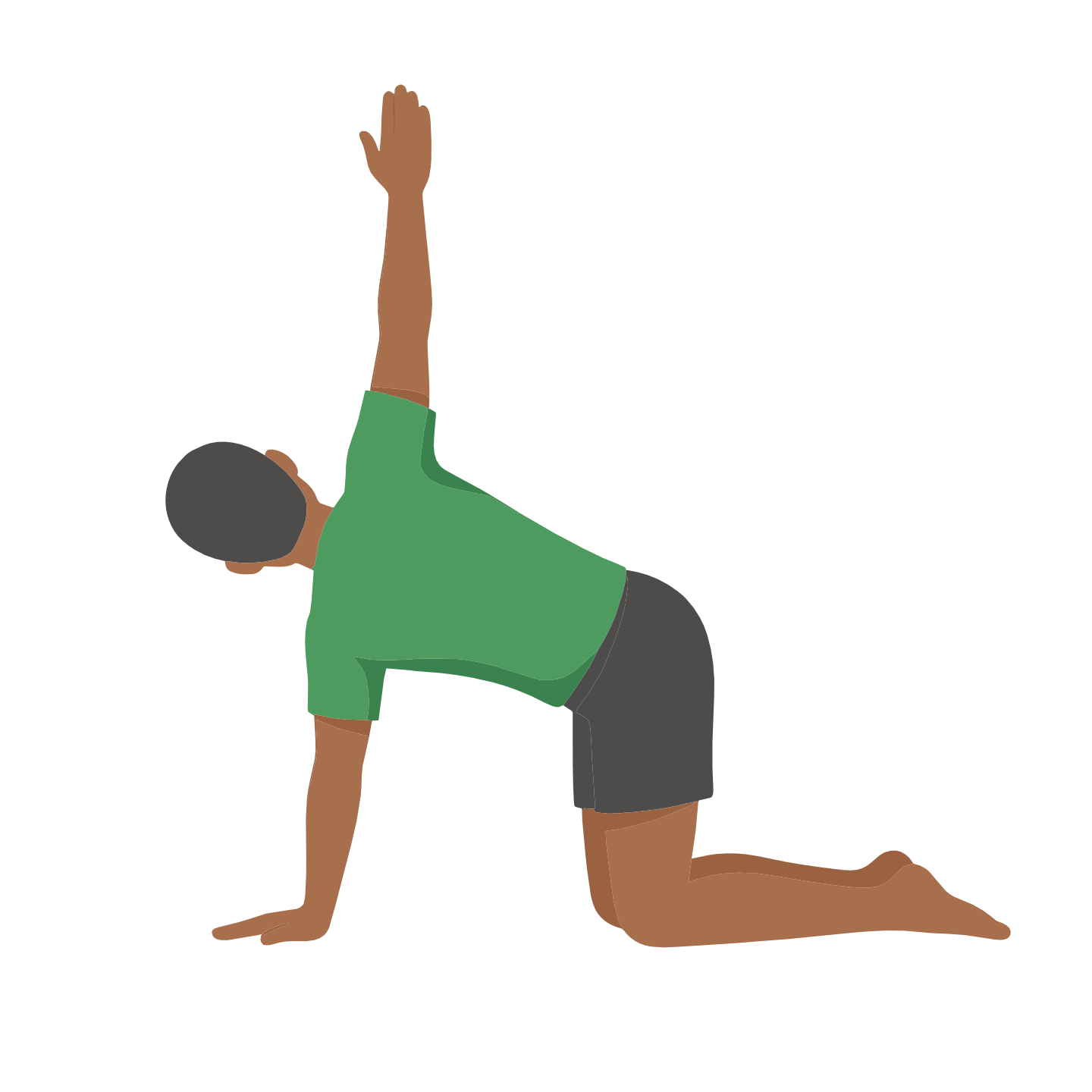
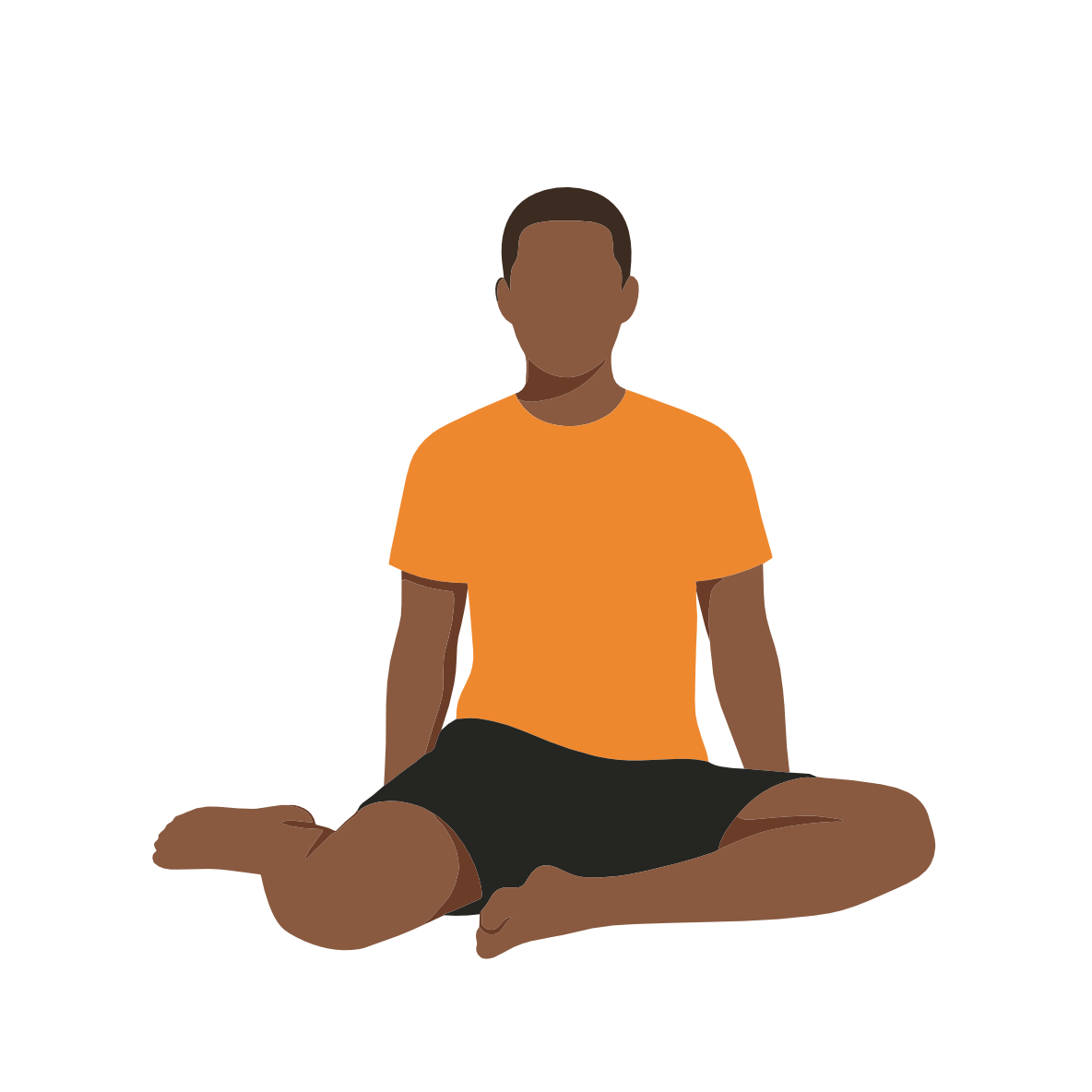
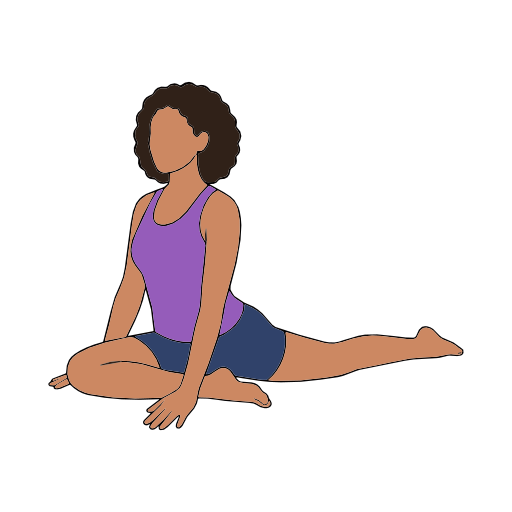
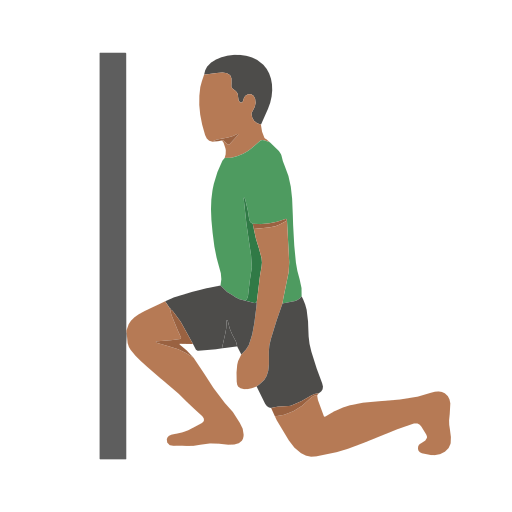
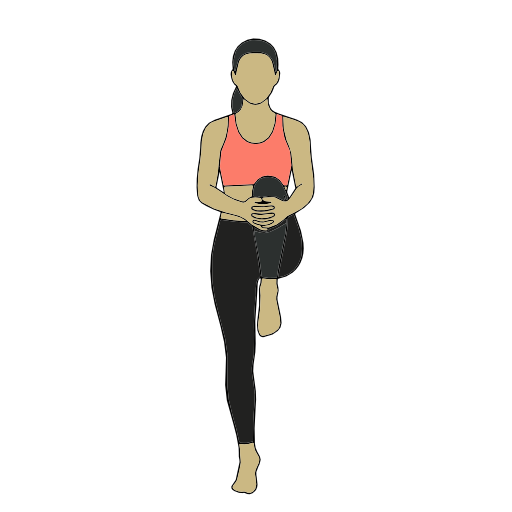
The 90/90 Hip Stretch and Open-Book exercises are designed to keep the rotation where it belongs. By maintaining mobility in your hips and thoracic spine, you protect your lower back from the 'shearing' forces that lead to disc issues and chronic pain.