
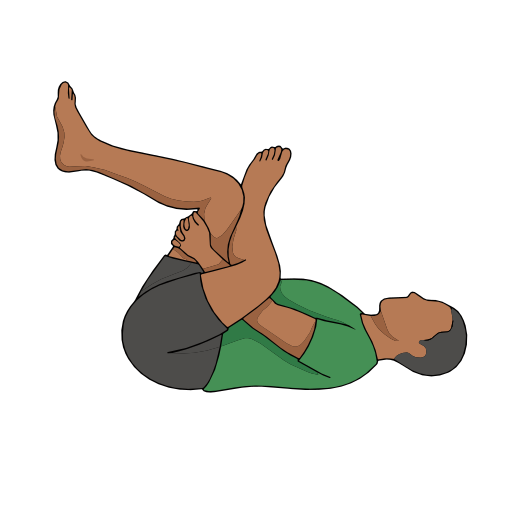
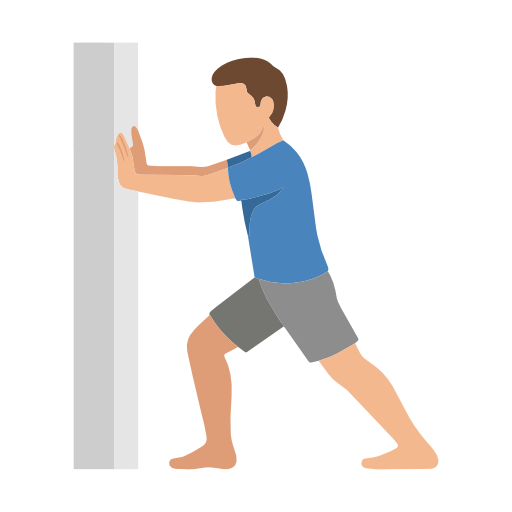
The Importance of the Cool-Down
Recovery is the forgotten half of training. In a sport like tennis, where the body is repeatedly subjected to high-velocity rotations and sudden stops, cool-down stretching is what separates those who play for decades from those who are sidelined by chronic injury.[1]
By spending ten minutes on these static holds, you are telling your body it's safe to start the repair process. This transition is essential for maintaining the elasticity of your tendons and the range of motion in your joints.
Targeting the Epicondyle
Tennis elbow (lateral epicondylitis) isn't just an injury; it's often a chronic degradation of the ECRB tendon in the forearm. When you finish a match, that tendon is under immense tension from hours of stabilizing your racquet.[2]
Static stretching of the forearm extensors after you play is one of the most effective ways to lower cumulative strain.
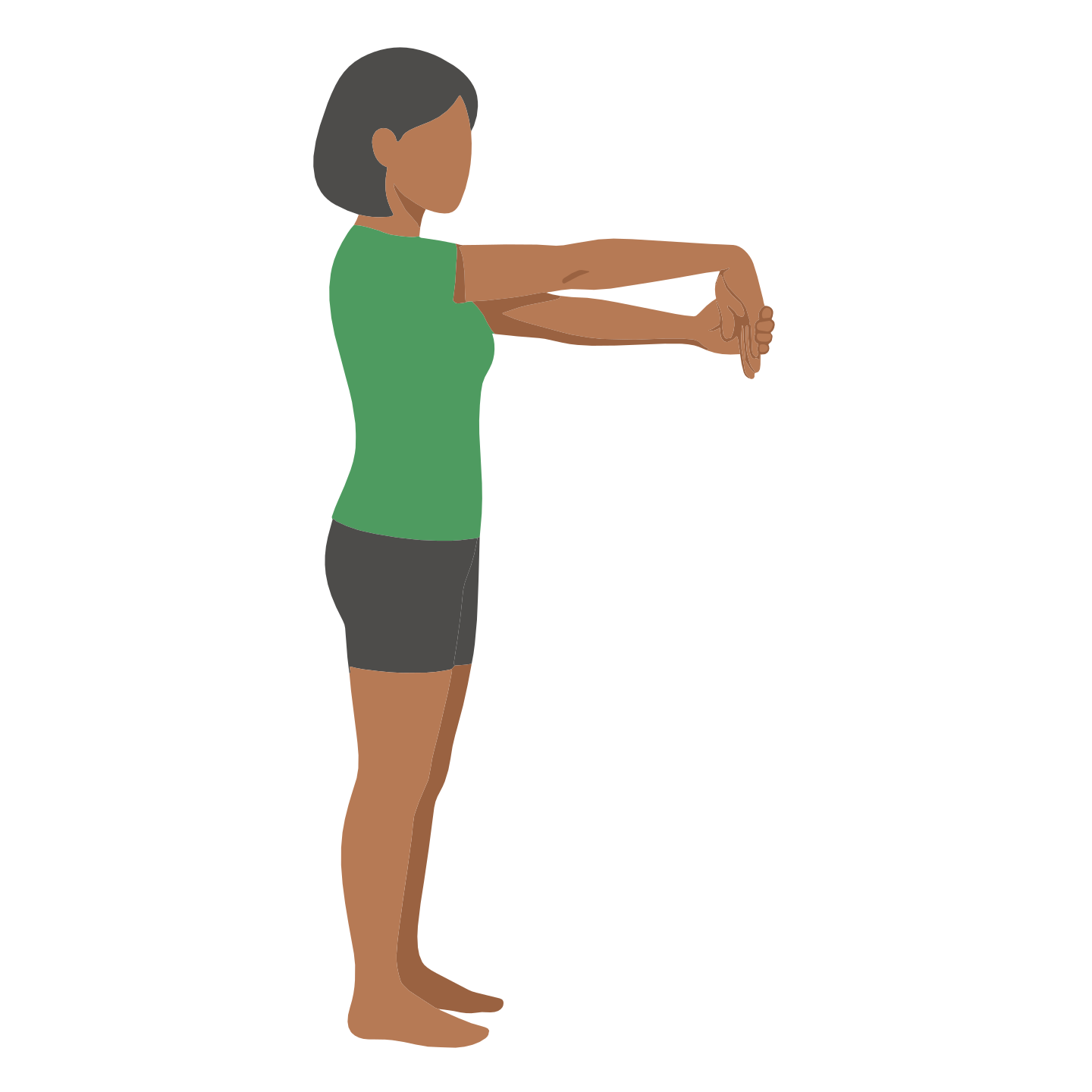
The Wrist Extensor Stretch in this list is your primary tool. By holding this position post-play, you help reset the resting length of the muscle, reducing the constant 'tugging' on the tendon that leads to inflammation.
Addressing Shoulder Asymmetry
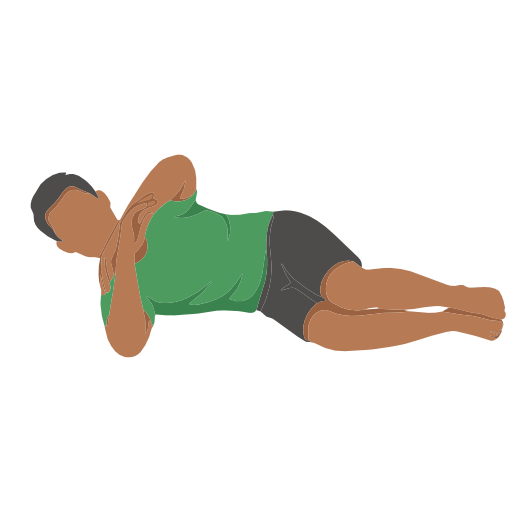
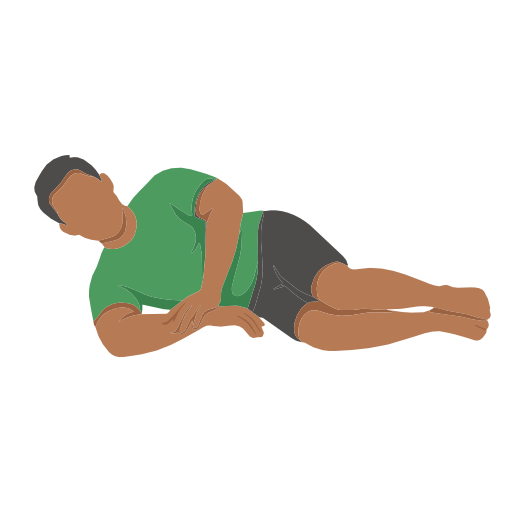
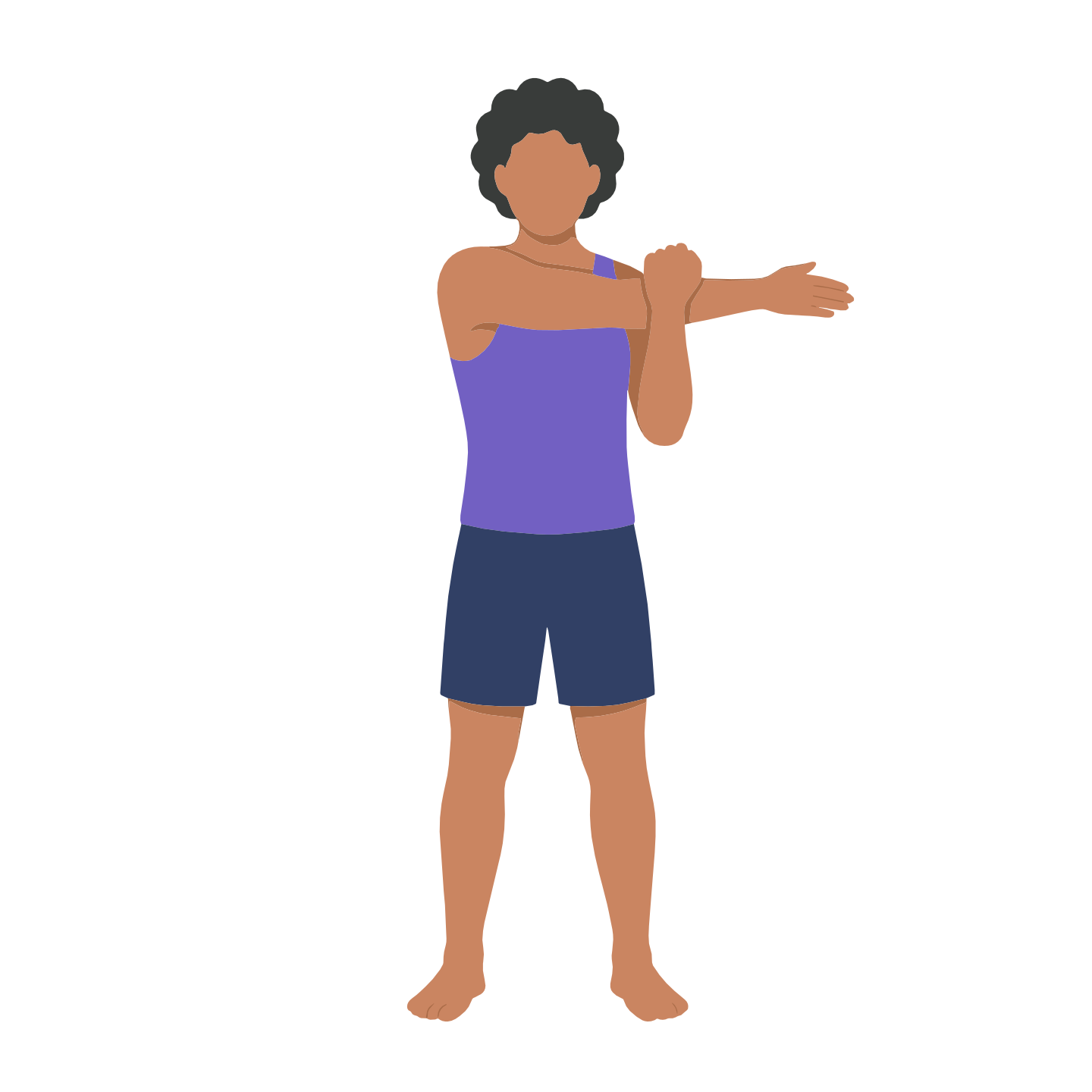
Because tennis is a unilateral sport, it's natural for your dominant side to develop adaptations. One of the most common is a loss of internal rotation in the hitting shoulder, known as GIRD.
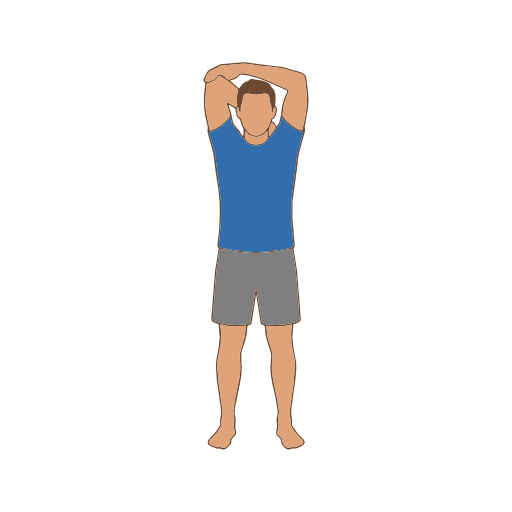
Research indicates that racquet athletes who do not address this deficit are significantly more likely to suffer rotator cuff tears.[3] The Sleeper Stretch and Cross-Body Stretch are designed to counter this adaptation, ensuring your shoulder stays healthy and mobile for the next match.