






Ankle Dorsiflexion: Skiing's Hidden Injury Risk
Most recreational skiers never think about ankle mobility until they're told their boot doesn't fit properly, or until a PT explains why they keep skiing in the backseat. The connection is mechanical: skiing requires your ankle to dorsiflex to drive your shin into the boot's tongue and maintain forward pressure. Restrict that range, and your technique automatically compensates by sitting back, shifting load off the calf and onto the quad and ACL.
Research correlating squat depth with ankle dorsiflexion shows that approximately 35-40 degrees of dorsiflexion is needed for efficient boot cuff contact. Many recreational skiers test at 15-20 degrees. The garland pose squat, done daily over 4-6 weeks, produces measurable improvements in this range.
Why Adductor Tightness Costs You Edge Control
The adductors, the inner thigh muscles, are among the most loaded and least stretched muscles in alpine skiing. Carving mechanics require the downhill ski to constantly pull against the adductors' resistance. When they're tight, skiers compensate by narrowing their stance, reducing their ability to angulate, and losing the edge engagement they need for clean carved turns.
Ski coaches and biomechanists consistently note that skiers who struggle with edge release and turn initiation often have restricted adductor mobility rather than a balance or technique problem.
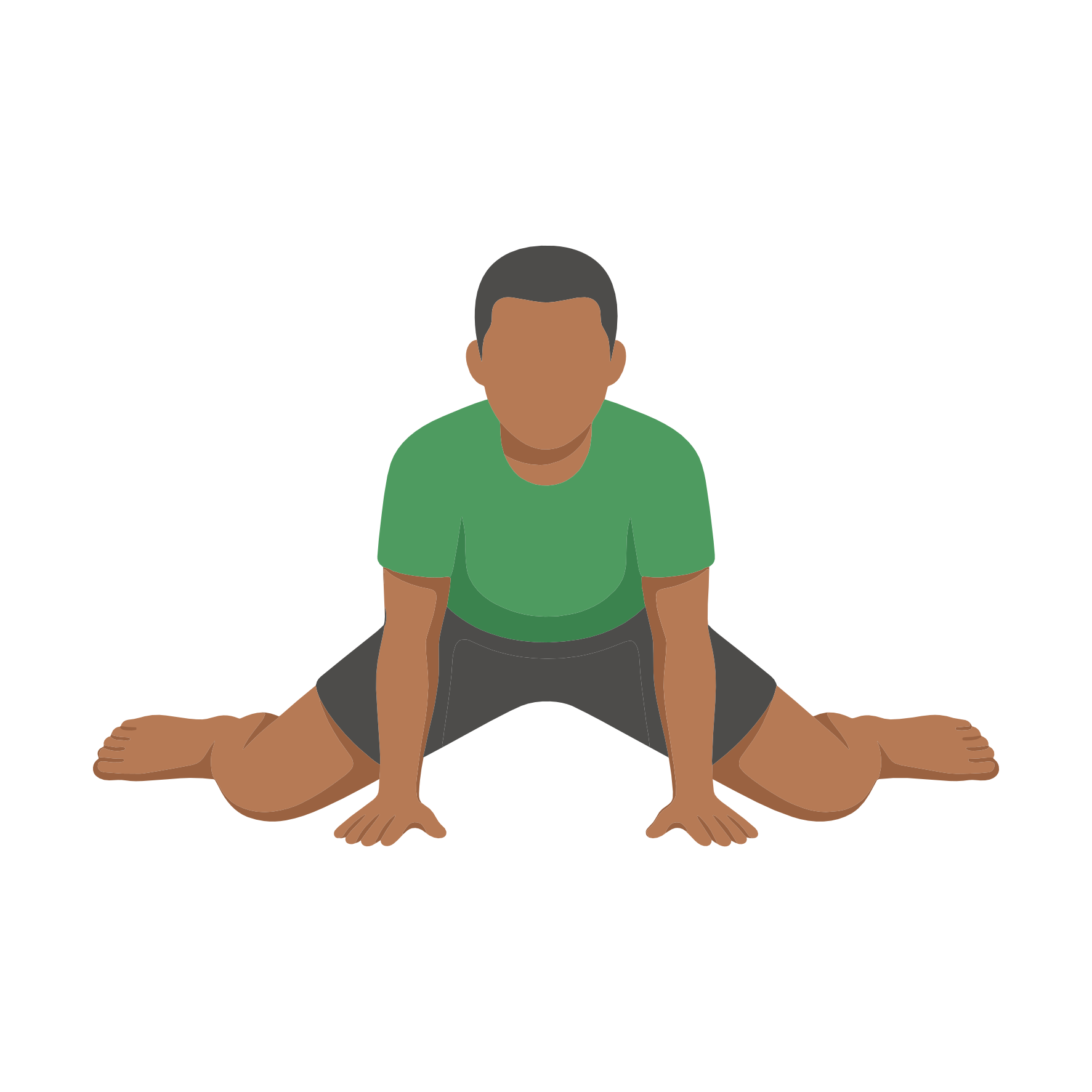
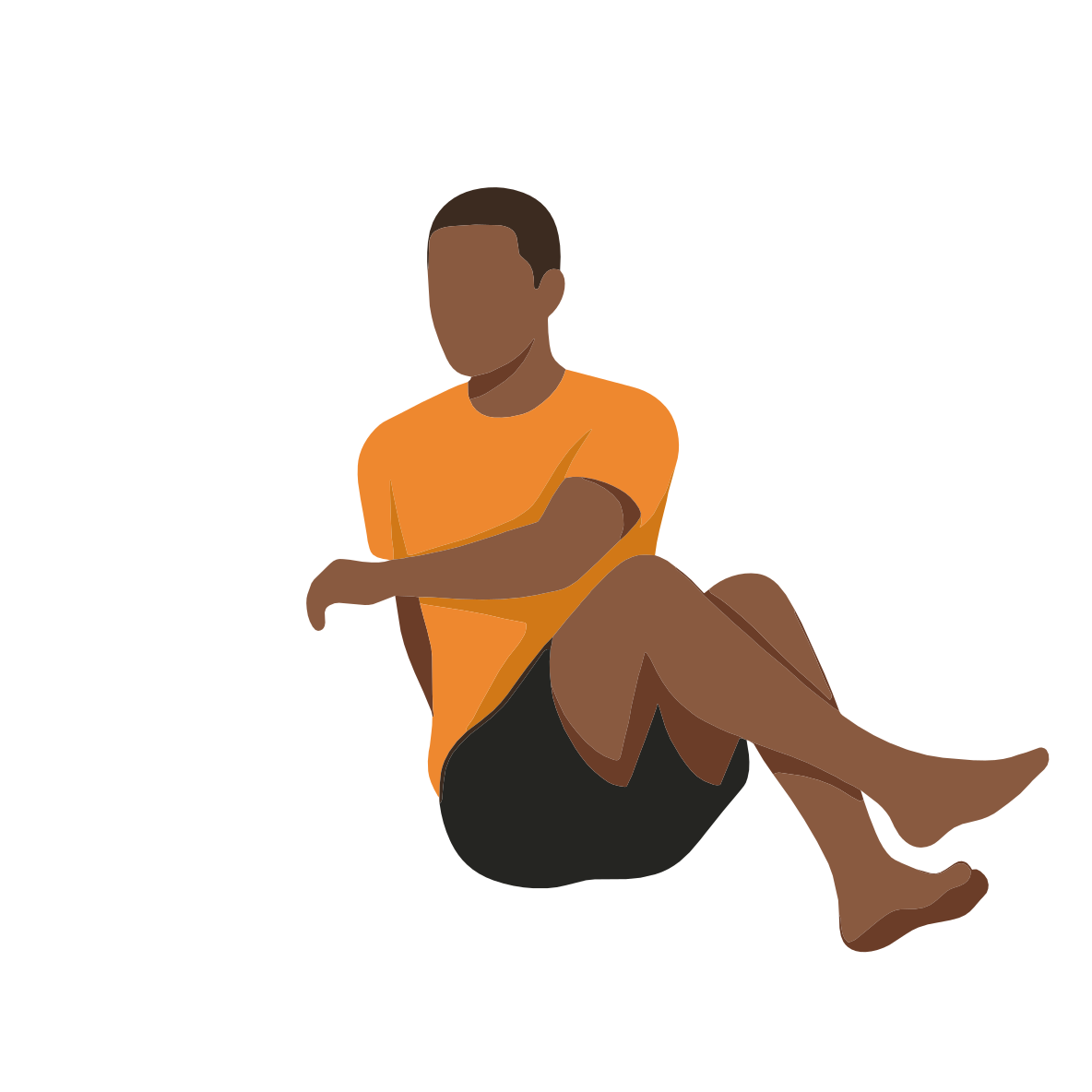
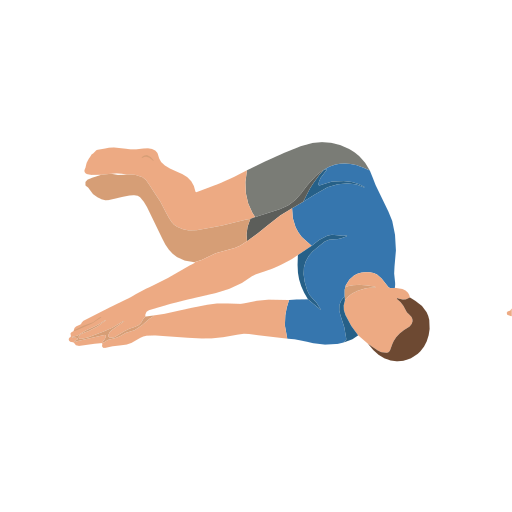
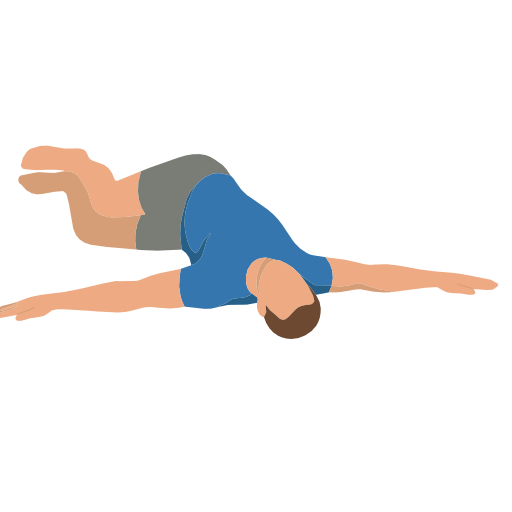
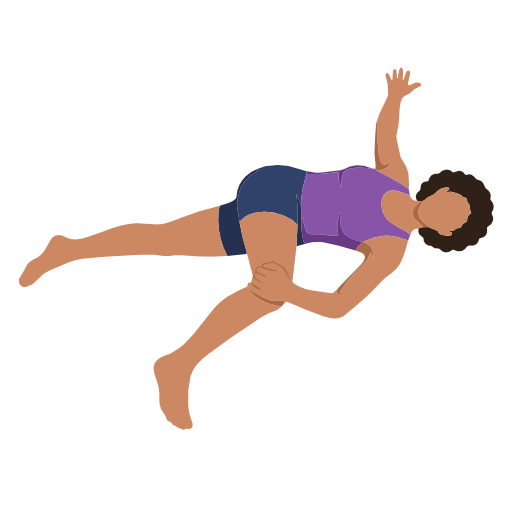
The frog stretch and 90/90 hip switches together address the adductor complex through its full range, including the internal rotation component that most hip stretches miss.
Building the Season Foundation
The skiers who finish the season in the same shape they started are the ones who treat rest days as part of training, not just recovery from it. Mobility work on off-days isn't passive. It's building the range of motion that keeps your technique available when fitness runs low on the last run of a long day.