← Back to library
Skiing·Cool-Down
·7 min read

Skiing Cool-Down Stretches: 15 Stretches for Post-Ski Recovery

Post-ski cool-down stretches should prioritize the quadriceps (loaded eccentrically all day), hip flexors (shortened by flexed boot stance), and adductors (loaded by carving). Each stretch should be held 20-45 seconds to effectively restore tissue length.

After a full day of skiing, your quads are cooked, your hip flexors are shortened from hours in a flexed boot stance, and your calves have been isometrically loaded inside stiff boots. The post-ski cool-down is your opportunity to reverse these accumulated patterns before they solidify into the chronic tightness that causes overuse injuries over a ski season.

The Recommended Routine

1
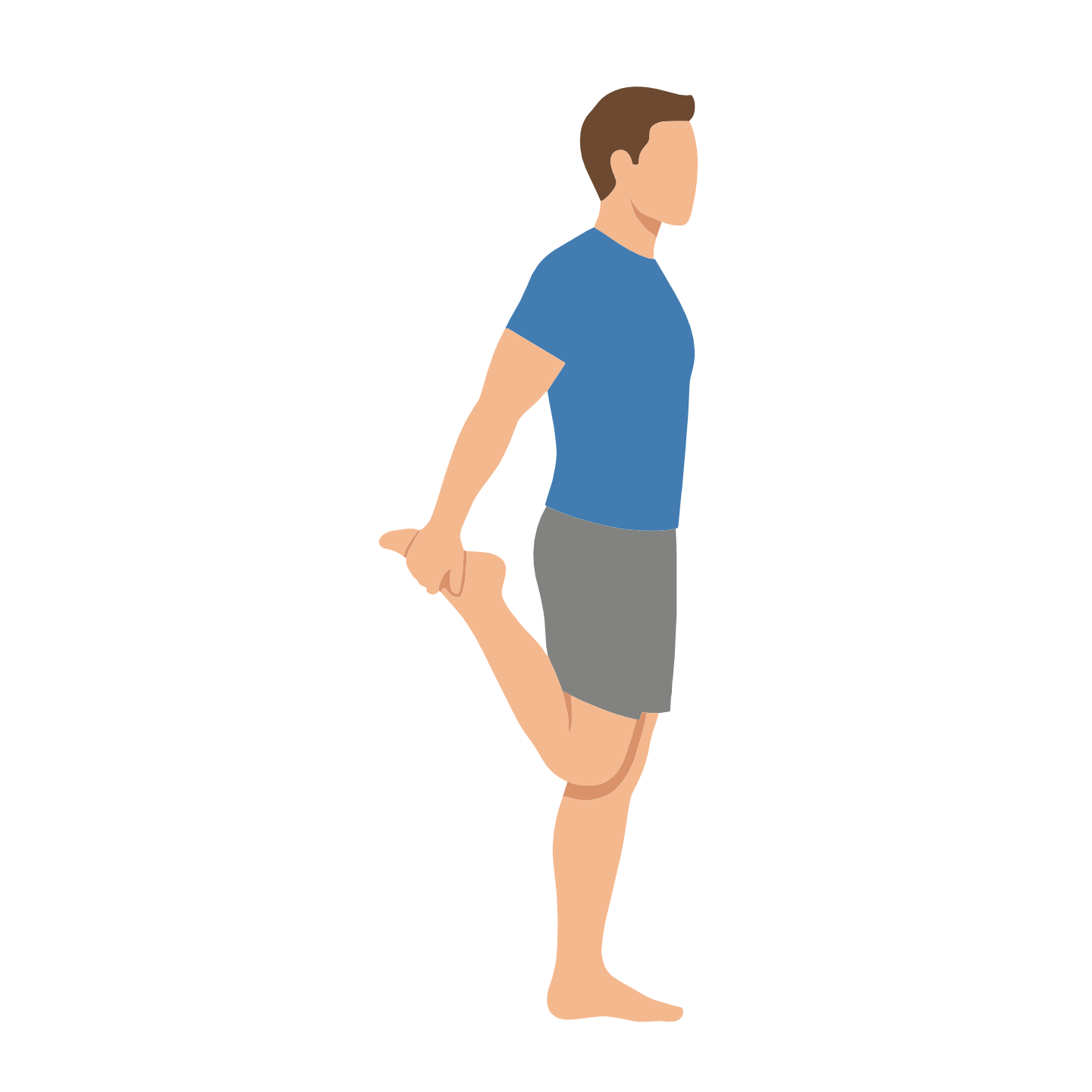
Standing Quad Stretch
Quadriceps and Hip Flexors · 30 seconds per side
  1. Stand on one leg, holding a wall or surface for balance if needed
  2. Pull the opposite ankle toward your glute, keeping knees together
  3. Stand tall, don't lean forward or arch the lower back
  4. Squeeze the glute of the stretched leg to deepen the hip flexor portion
  5. Hold, release, and switch legs
Why it works
Alpine skiing imposes massive eccentric and isometric quad load in the tuck and carving stance all day. This stretch addresses the primary source of next-day ski soreness and the quad tightness that increases knee stress on subsequent days.
2
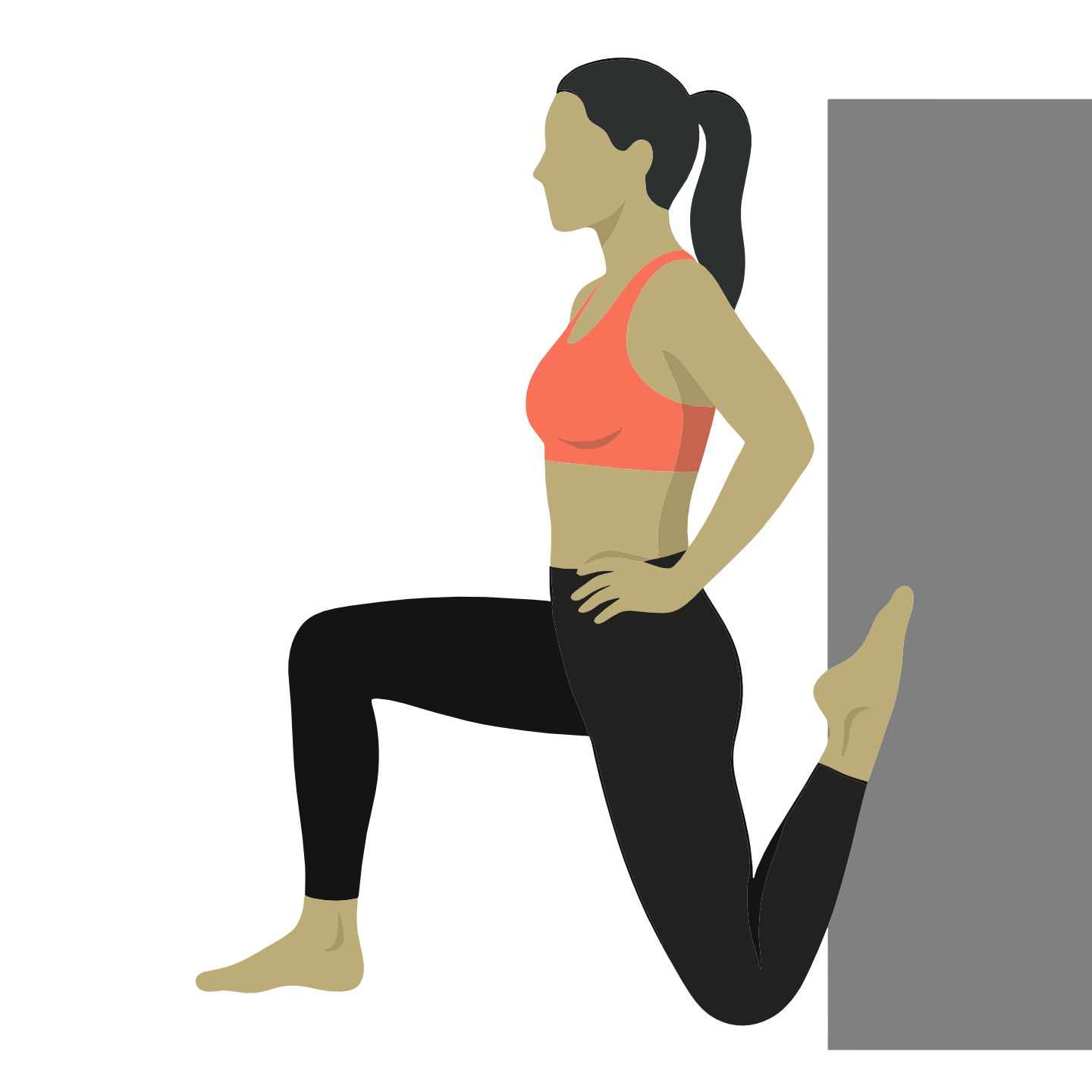
Couch Stretch
Rectus Femoris and Iliopsoas · 45 seconds per side
  1. Kneel with one knee on the floor, resting the top of that foot against a wall or raised surface
  2. Step the opposite foot forward into a half-kneeling position
  3. Push your hips forward while keeping your torso upright
  4. Squeeze the glute of the rear leg to protect the lower back
  5. Hold for the full duration, then switch legs
Why it works
The go-to post-ski hip flexor stretch recommended by ski PTs. Skiers spend hours in sustained hip flexion in boots that limit extension. This stretch directly reverses that pattern and reduces anterior pelvic tilt that overloads the lower back.
3
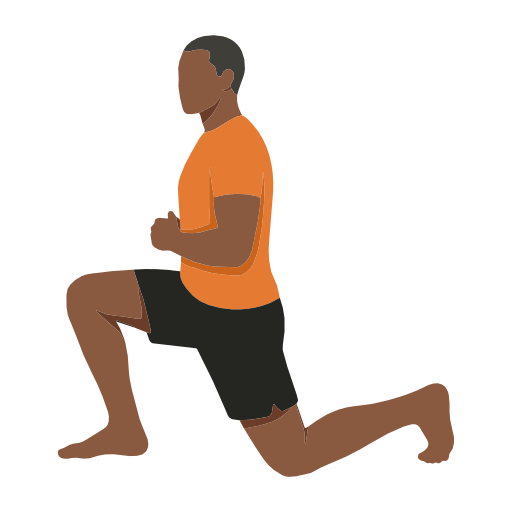
Half Kneeling Hip Flexor
Iliopsoas and Rectus Femoris · 25 seconds per side
  1. Assume a half-kneeling position (one knee down, one foot forward)
  2. Tuck your pelvis slightly (posterior tilt) to engage the glute of the down leg
  3. Shift your weight slightly forward without arching your lower back
  4. Maintain a tall posture
Why it works
Directly reverses the chronically flexed ski stance and restores neutral pelvic alignment. The more targeted version of the standing quad stretch for the deep iliopsoas.
4
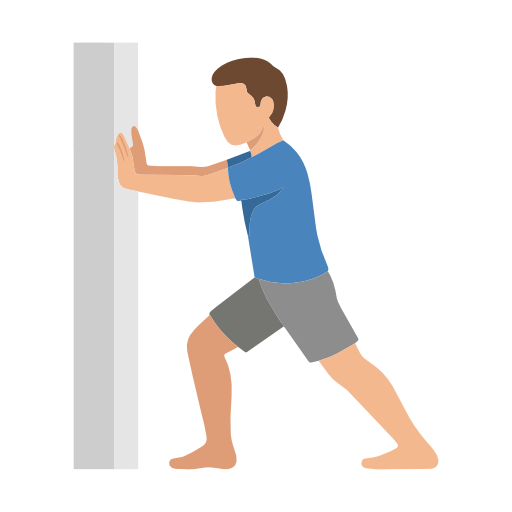
Calf Wall Stretch
Gastrocnemius and Soleus · 30 seconds straight-leg, 20 seconds bent-knee, per side
  1. Face a wall and step one foot back with the heel flat on the floor
  2. Keep the back leg straight to stretch the calf
  3. Lean hips forward until you feel the stretch in the back leg
  4. Hold, then switch legs
Why it works
Ski boots hold the ankle in sustained dorsiflexion, isometrically loading the calves all day. This stretch releases the accumulated tension and reduces the Achilles and plantar fascia stress that builds over a ski week.
5
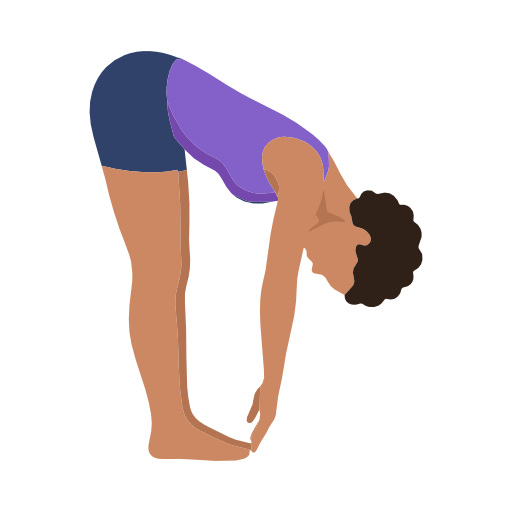
Standing Forward Bend
Hamstrings, Calves, and Erectors · 45 seconds
  1. Stand with feet hip-width apart
  2. Hinge at the hips and fold forward, letting the head and arms hang heavy
  3. Bend the knees slightly if needed to protect the lower back
  4. Breathe and let gravity deepen the stretch gradually
  5. Roll up one vertebra at a time to return to standing
Why it works
Hamstrings act as dynamic ACL protectors through ski turns, and forward-flexed ski posture fatigues the lower back extensors. This stretch addresses both simultaneously with one simple movement.
6
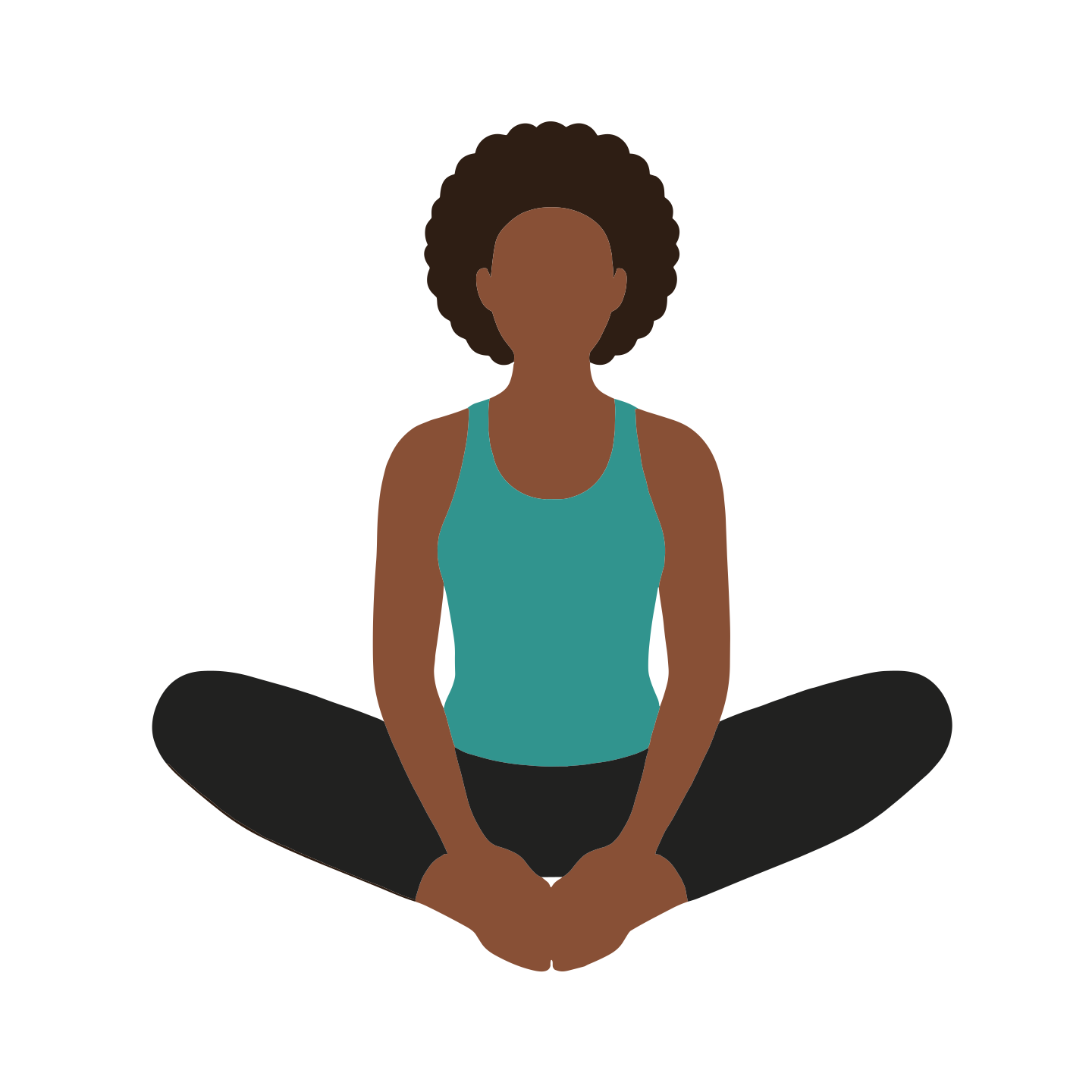
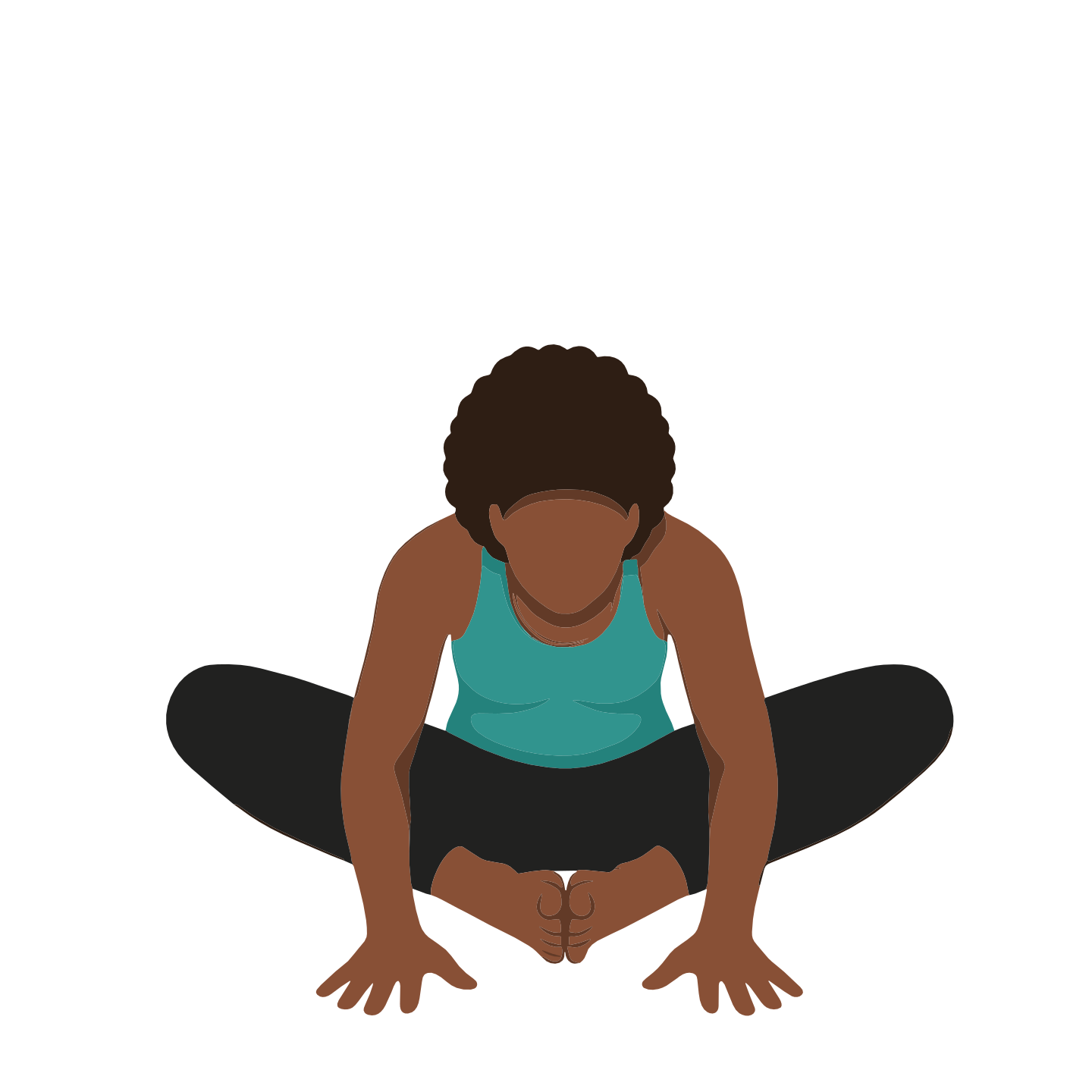
Butterfly Stretch
Hip Adductors and Groin · 25 seconds
  1. Sit on the floor and bring the soles of your feet together
  2. Hold your feet and sit tall with a long spine
  3. Gently press your knees toward the floor using your elbows
  4. Hinge slightly forward from the hips to deepen the stretch
  5. Do not force the knees down, let gravity do the work
Why it works
Carving turns continuously load the adductors eccentrically. The butterfly stretch releases inner-thigh tension that, if left unchecked, contributes to groin pulls and reduced edge control on subsequent days.
7
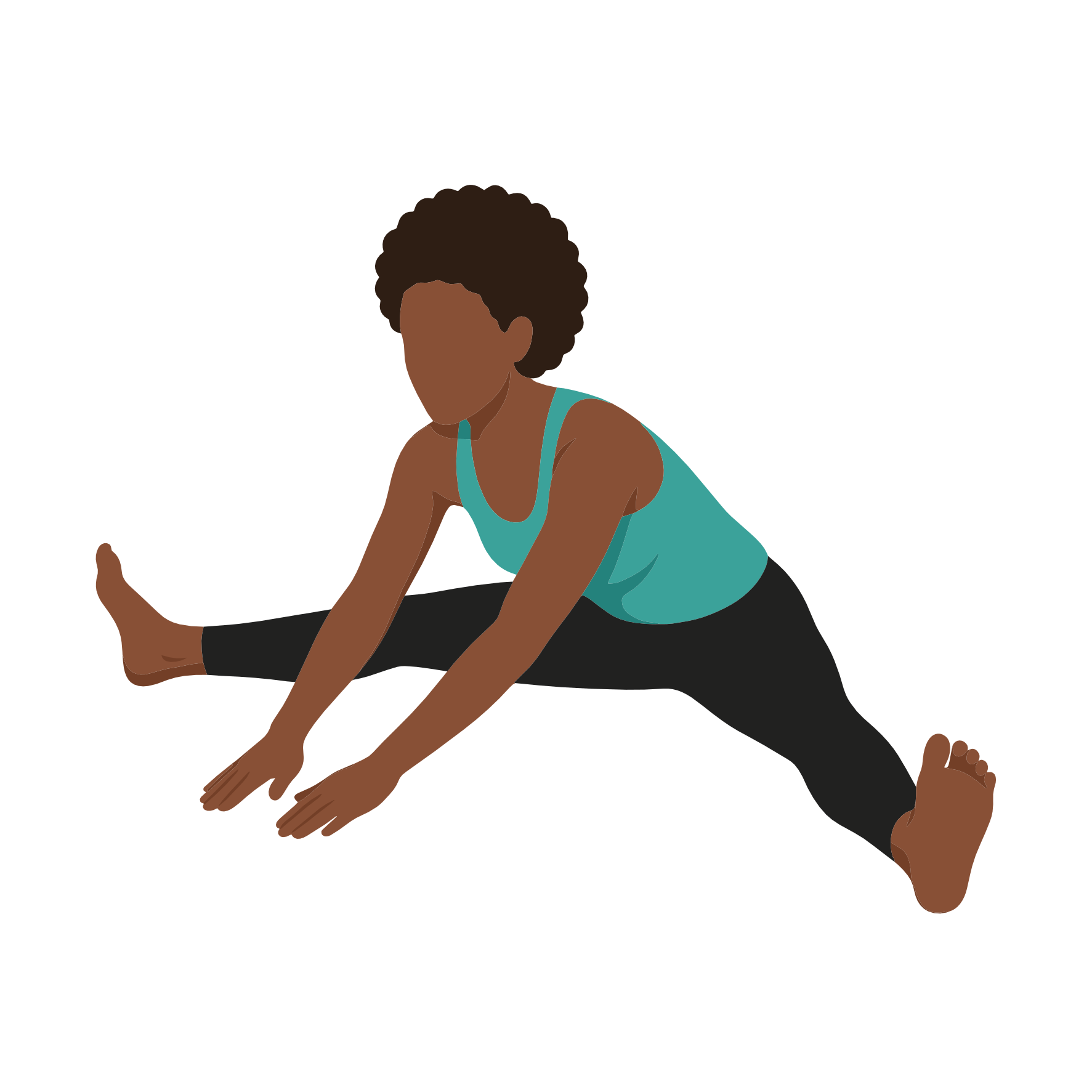
Wide Leg Seated Straddle
Adductor Magnus, Hamstrings, and Groin · 30 seconds center, then 20 seconds per side
  1. Sit on the floor and open your legs as wide as comfortable
  2. Keep feet flexed and toes pointing up
  3. Sit tall with a long spine, don't slump
  4. Slowly hinge forward from the hips, reaching for the floor in front of you
  5. Hold without forcing range, breathe and allow the inner thighs to release
Why it works
Reaches the adductor magnus and medial hamstrings more deeply than the butterfly stretch. These are the two adductor muscles most loaded by the angulation of hard carved turns.
8
Lying Figure-4
Piriformis, Glute Max, and Glute Medius · 30 seconds per side
  1. Lie on your back with both knees bent and feet flat on the floor
  2. Cross one ankle over the opposite knee in a figure-4 shape
  3. Pull the bottom thigh toward your chest, threading your hands through or around
  4. Keep your head and shoulders relaxed on the floor
  5. Hold, breathe deeply, then switch sides
Why it works
The gluteal complex is the primary mover for turn initiation and edge control. Supine figure-4 is beginner-safe and highly effective for releasing the piriformis and glute med tension that accumulates over a full day of skiing.
9
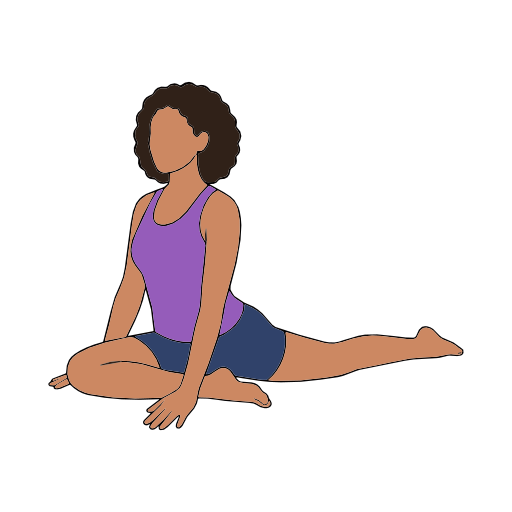
Pigeon Pose
Piriformis, Glute Medius, and Hip Flexors · 40 seconds per side
  1. From tabletop, slide one shin forward as close to parallel with the front of the mat as comfortable
  2. Extend the back leg straight behind you
  3. Square the hips toward the floor as much as possible
  4. Walk hands forward and lower the torso for a deeper hold
  5. Breathe slowly and deeply, hold for the full duration
Why it works
Addresses both the steering-leg rotator tightness and the extended-leg hip-flexor shortening simultaneously. A key post-ski stretch for anyone experiencing hip or knee discomfort after long run days.
10
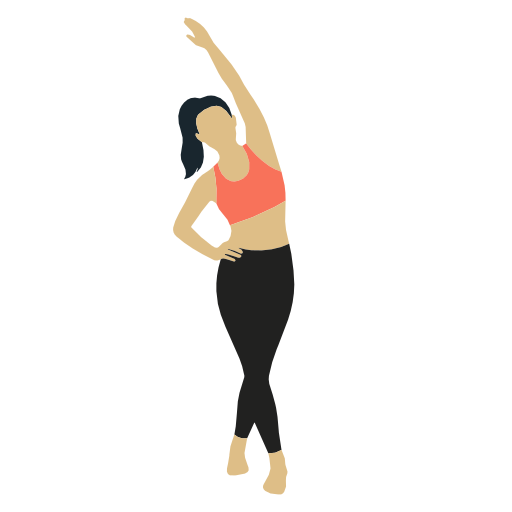
Standing IT Band Stretch
IT Band, TFL, and Glute Medius · 20 seconds per side
  1. Stand and cross one leg behind the other
  2. Lean your torso toward the side of the front leg
  3. Push your hips out toward the side of the back leg
  4. Reach the arm on the side of the back leg overhead to deepen the stretch
Why it works
The lateral hip stabilizes the narrow-stance carving position and resists the edging valgus moment throughout every turn. This stretch releases the TFL and glute medius tension that shows up as lateral knee soreness.
11
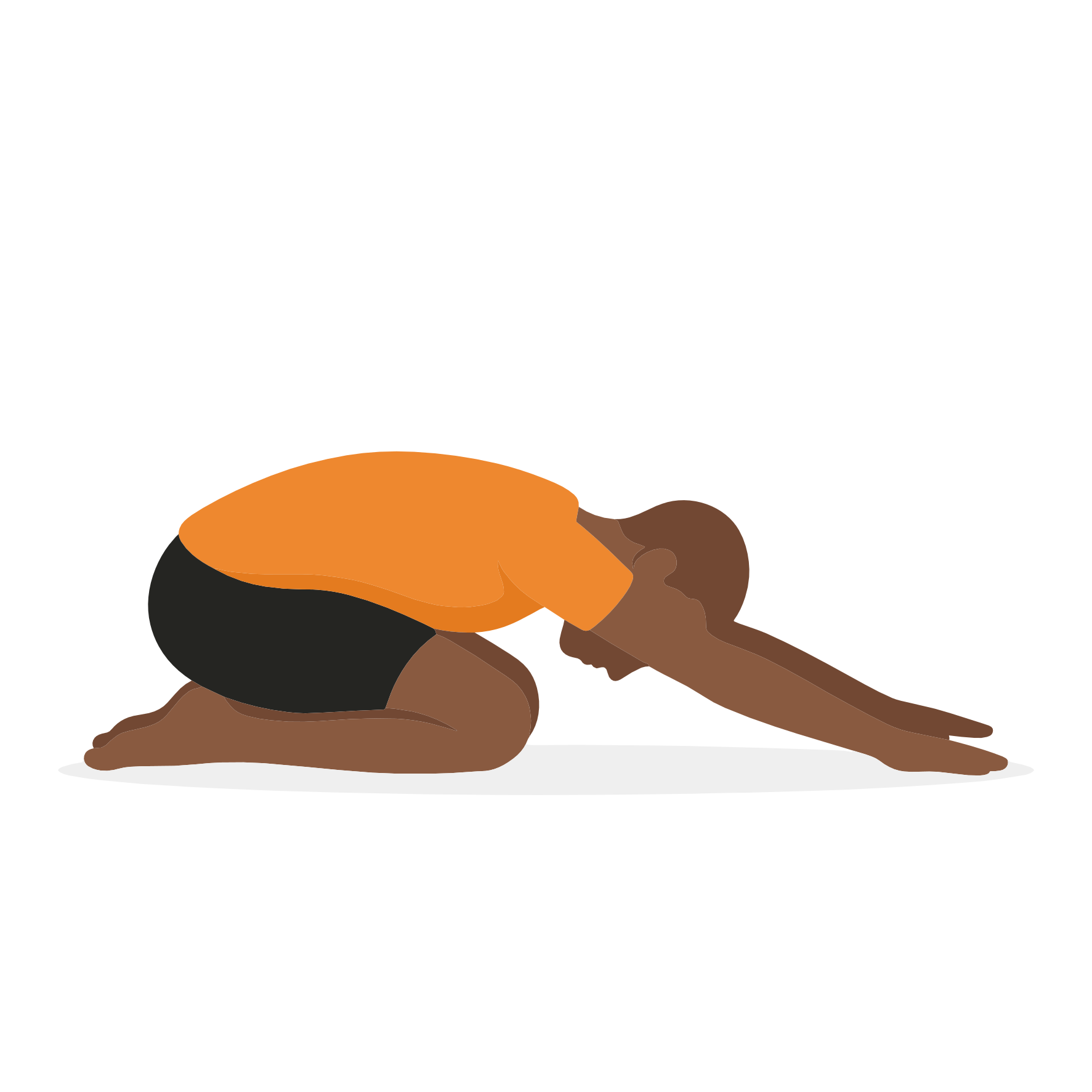
Child's Pose
Erector Spinae, Lats, and Glutes · 45 seconds
  1. Kneel and sit back on your heels, spreading the knees wide or together
  2. Reach both arms forward along the floor
  3. Rest your forehead on the mat and allow the spine to lengthen
  4. Breathe deeply into the back body, expanding with each inhale
  5. Hold for 60 seconds or longer for a deeper release
Why it works
Decompresses the spine held in sustained flexion under load all day. The widened-knee variation also opens the hips in a way that pure spinal extension cannot.
12
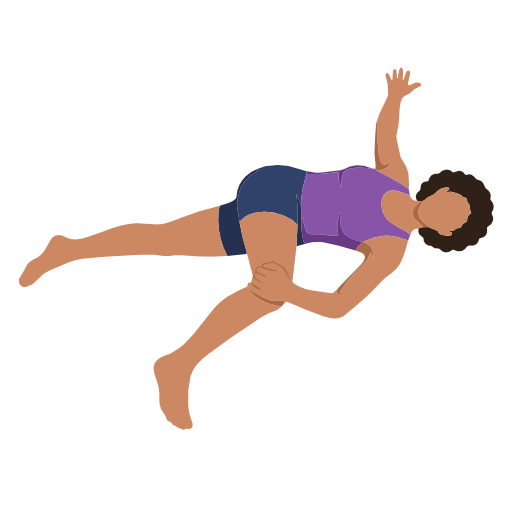
Supine Spinal Twist
QL, Erectors, Obliques, and Glutes · 30 seconds per side
  1. Lie on your back and draw one knee toward your chest
  2. Gently guide that knee across your body toward the opposite floor
  3. Extend the same-side arm out to a 'T' to keep the shoulder grounded
  4. Keep both shoulder blades on the floor throughout
  5. Breathe deeply and allow gravity to deepen the twist
Why it works
Releases the repeated counter-rotation load on lumbar and thoracic rotators. Skiers who hold the upper body toward the fall line all day accumulate rotational tension that the supine twist relieves directly.
13
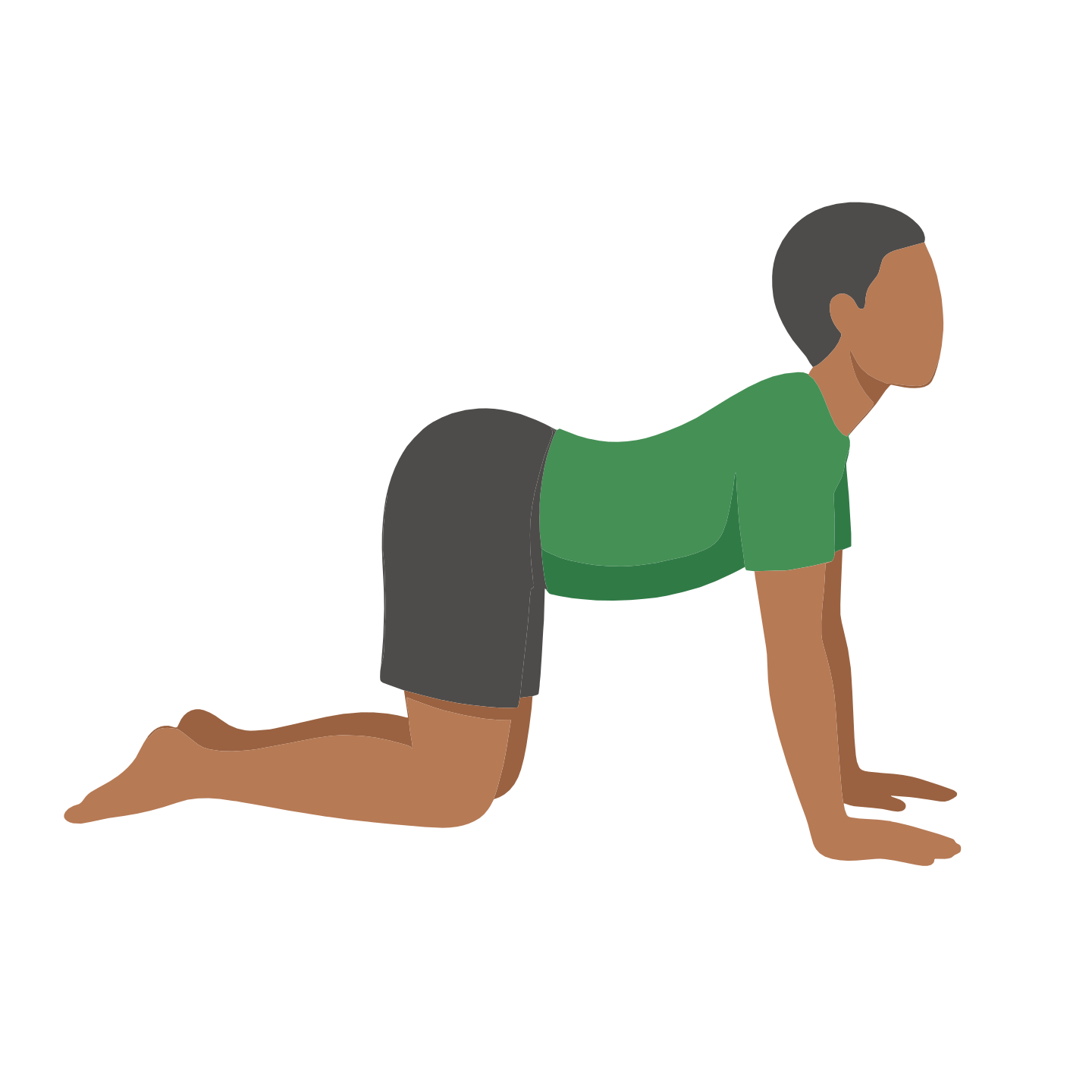
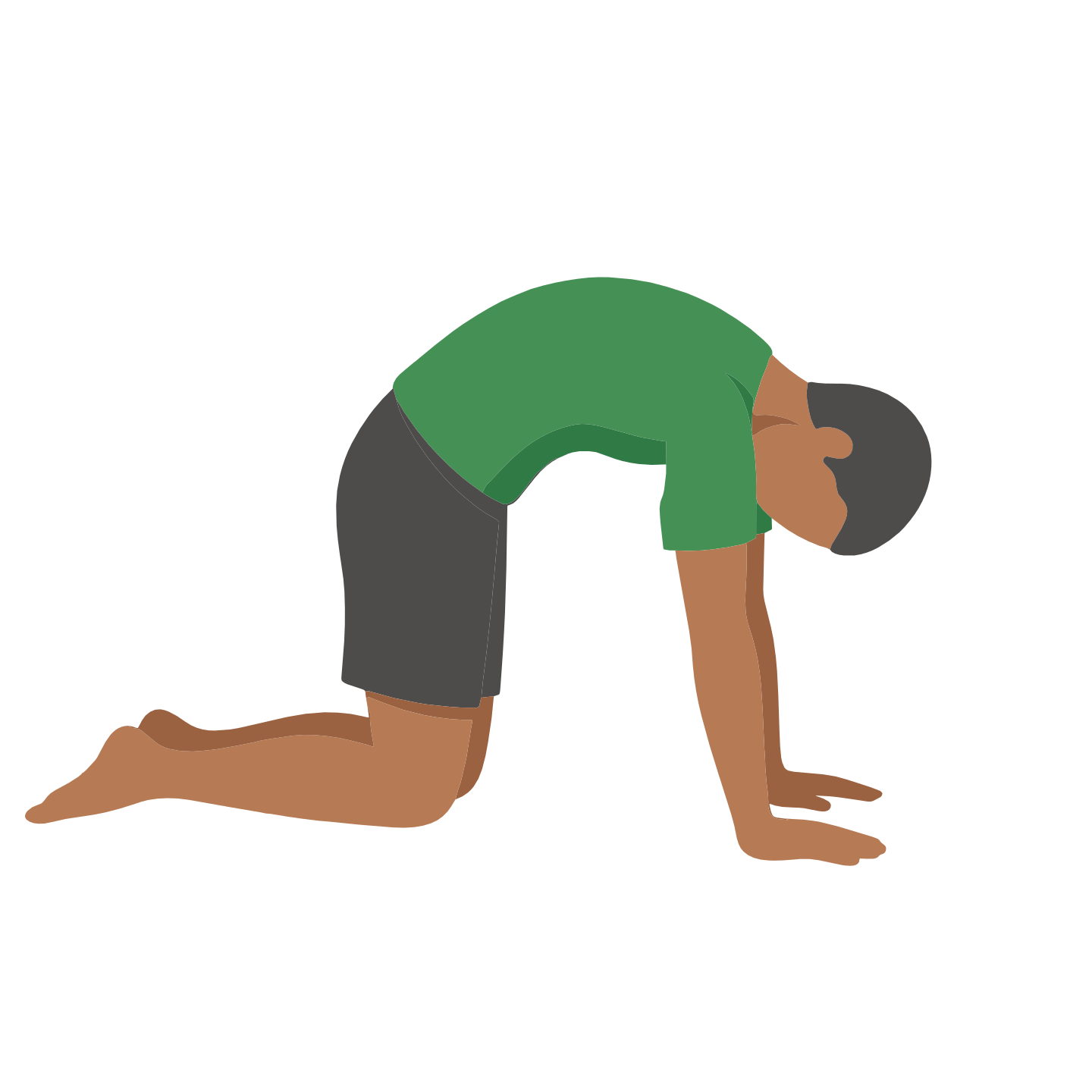
Cat-Cow Flow
Erectors, Multifidus, and Abdominals · 45 seconds of slow cycles
  1. Start on all fours, wrists under shoulders, knees under hips
  2. Inhale: let the belly drop toward the floor and lift the head (Cow)
  3. Exhale: round the spine toward the ceiling, tuck the chin (Cat)
  4. Move slowly and in sync with your breath
  5. Feel each vertebra articulate individually
Why it works
Restores segmental spinal mobility after a day of sustained forward-flexed posture. The gentle motion pumps synovial fluid through the facet joints and re-engages the deep stabilizers that protect the lumbar spine.
14
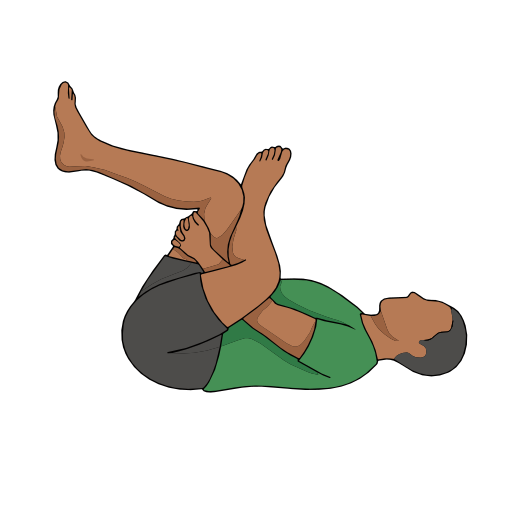
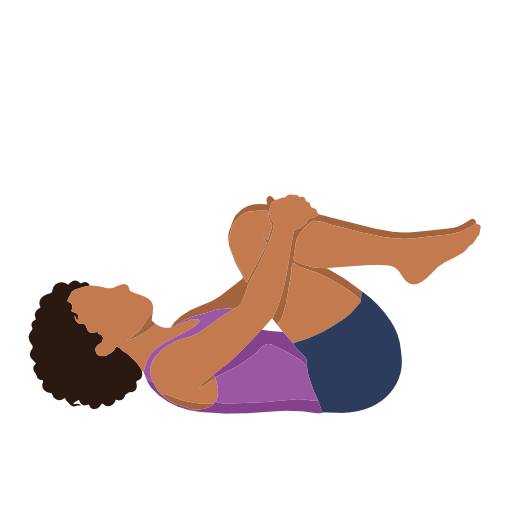
Double Knees to Chest
Lumbar Erectors, Glute Max, and Piriformis · 25 seconds
  1. Lie on your back
  2. Bring both knees up toward your chest and wrap your arms around your shins
  3. Gently pull your knees closer to stretch the lower back
  4. Keep your head relaxed on the floor
Why it works
Passively flexes the lumbar spine to relieve facet-joint compression from the semi-squat ski stance held all day. A simple and immediate release for the deep lower-back stiffness skiers feel after long days.
15
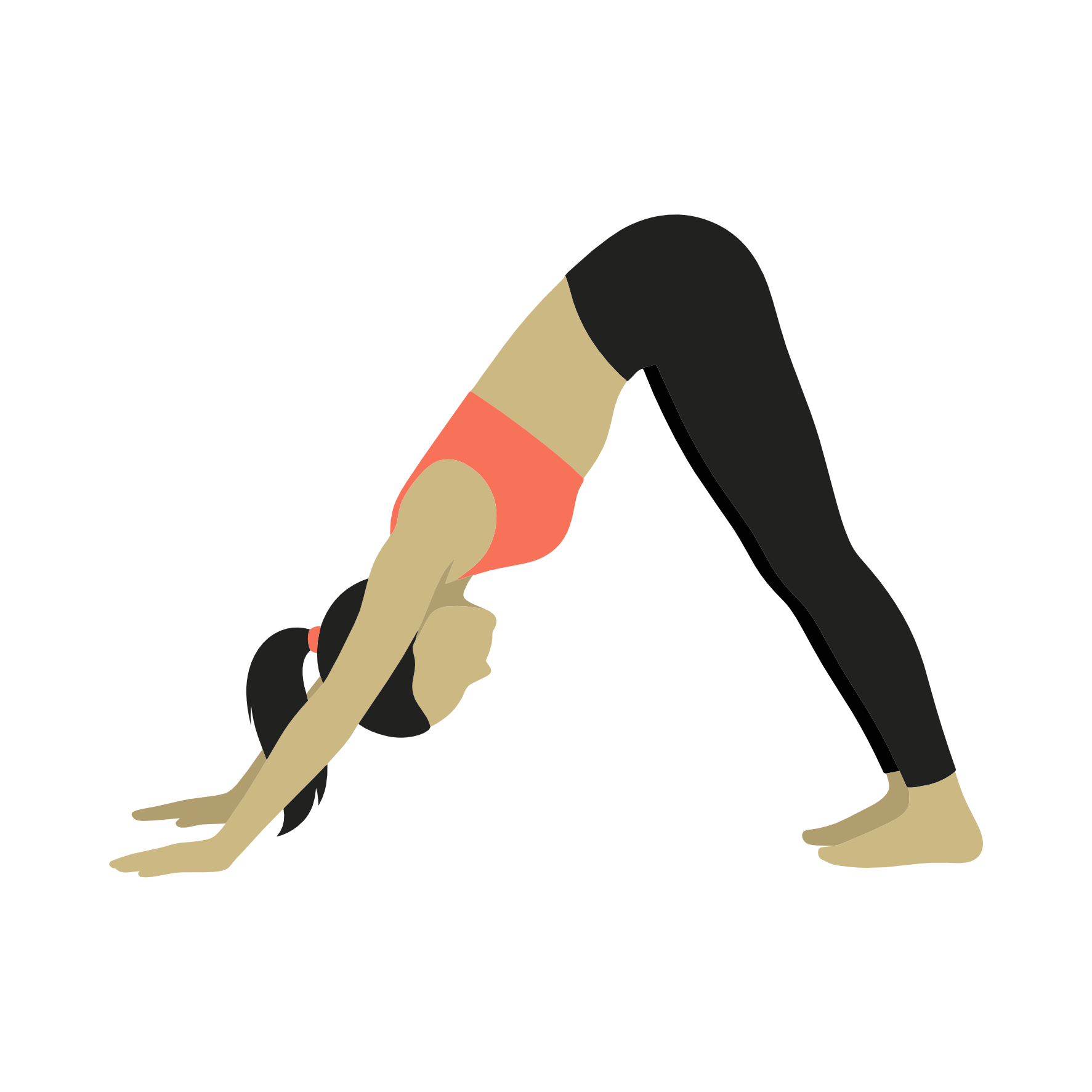
Downward Dog
Gastrocnemius, Soleus, Hamstrings, Erectors, Lats, and Shoulders · 30 seconds
  1. From all fours, tuck toes and push hips up and back forming an inverted 'V'
  2. Press through the full palm and spread the fingers wide
  3. Work toward straightening the legs and pressing heels toward the floor
  4. Keep the spine long, don't round the upper back
  5. Let the head hang freely between the arms
Why it works
Full posterior-chain release plus calves (stiff from the boot) and lats (fatigued from pole use) in a single pose. A practical post-ski finisher that addresses the residual tension from the neck down to the ankle.

What Your Quads Just Went Through

Alpine skiing is one of the most quad-dominant activities in recreational sport. A typical ski run keeps the quads in a sustained eccentric contraction, absorbing force while lengthening, for the entire duration. Over a 6-hour ski day, that's thousands of high-load eccentric repetitions.

The result is the specific, deep quad soreness that every skier knows the morning after their first hard day of the season. A thorough post-ski cool-down doesn't prevent this entirely, but it significantly reduces severity by clearing metabolic byproducts and beginning the tissue restoration process while the muscle is still warm.

The standing quad stretch and couch stretch together are your two most important post-ski stretches. Don't skip them.

The Hip Flexor Problem Nobody Notices

Ski boots lock the ankle and hold the hip in a forward-flexed position. After a full day, the hip flexors have spent hours in a shortened state. Unless you address this actively, they stay short, pulling the pelvis forward, increasing lumbar lordosis, and setting up the low-back pain and anterior knee stress that skiers mistake for fatigue.

Physical therapists who work with competitive skiers consistently identify the hip flexor as the single most undertreated tissue in recreational alpine skiing.

The couch stretch and half-kneeling hip flexor together target both heads of the hip flexor complex (iliopsoas and rectus femoris). Do both, and hold them long enough to actually work.

Adductors: The Underrated Post-Ski Target

Most skiers stretch their quads and call it done. The adductors, the inner-thigh muscles, are chronically overlooked despite being heavily loaded by carving mechanics. Groin strains are common in skiing, and most of them develop gradually from accumulated adductor tightness that's never addressed.

The butterfly stretch and wide-leg straddle are quick, require no equipment, and address this gap. Add them to your routine before your next ski week and notice the difference in edge control on day three.

Frequently asked questions

Is it okay to stretch in ski boots?
Some basic movements are fine in boots: ankle rocks, hip circles, trunk rotations. But most effective cool-down stretches require removing boots. The boot holds the ankle in a fixed position that prevents you from achieving the full range needed for hip flexor and calf stretches. Get out of your boots as soon as possible after your last run.
My legs are too tired after skiing to stretch properly. What should I do?
Start with the supine stretches (lying figure-4, double knees to chest) which require no effort to hold. Once you're on the floor, gravity does most of the work. The standing stretches can wait until you've rested 5 minutes.
How long until next-day ski soreness peaks?
DOMS (delayed-onset muscle soreness) peaks 24-48 hours after activity. Stretching immediately after skiing reduces the severity by improving blood flow and reducing tissue tension, but it doesn't eliminate DOMS entirely. Day-two soreness is normal after a big ski day.
Should I stretch in the hot tub after skiing?
Yes, carefully. Warm water relaxes muscle tissue, making stretches more effective. Avoid aggressive end-range stretching immediately after prolonged heat exposure, as relaxed tissue is also more vulnerable to strain. Gentle holds and basic movements are ideal in the hot tub.
Reach is launching soon
Audio cues, hold timers, and sport-specific routines built for athletes who want to stay healthy. Join the waitlist to be first to know when we launch.
Mayo Clinic. Stretching and Flexibility
Outside Online. Best Post-Ski Stretches
Hinge Health. Standing Forward Bend
Hospital for Special Surgery. IT Band Stretches
Phytex Rehab. Alpine Skiing Stretching Guide

More Skiing guides

Mobility
Skiing Mobility Stretches: 15 Rest-Day Exercises for a Stronger Season
Warm-Up
Skiing Warm-Up Stretches: 15 Dynamic Moves Before You Drop In