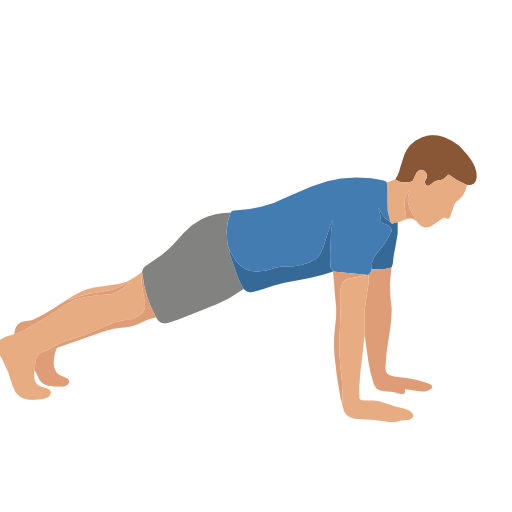
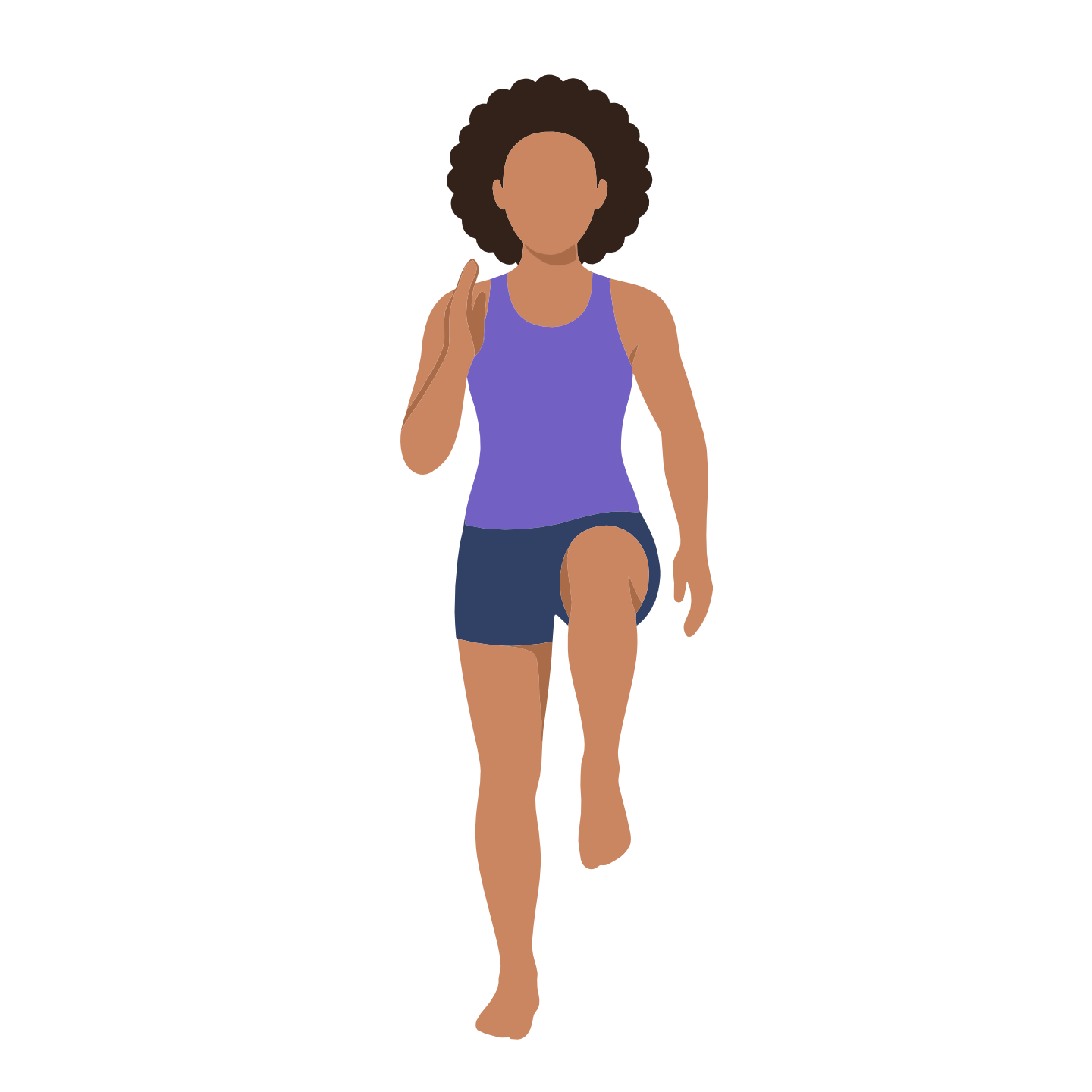
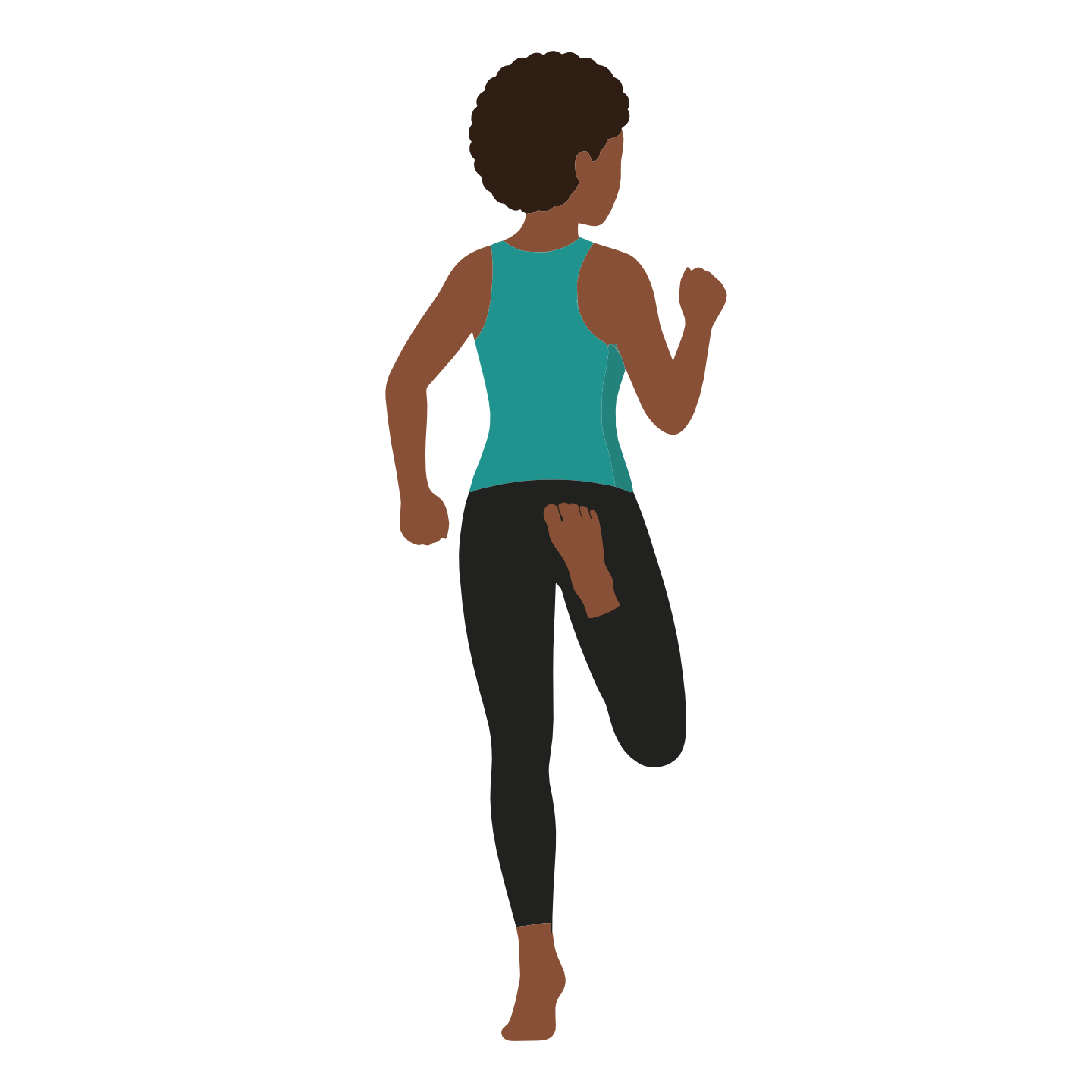
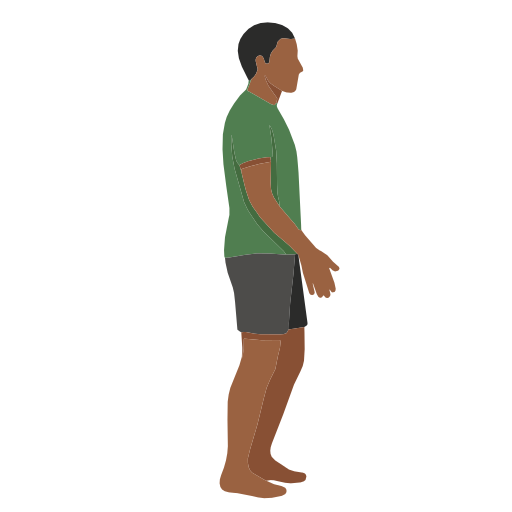
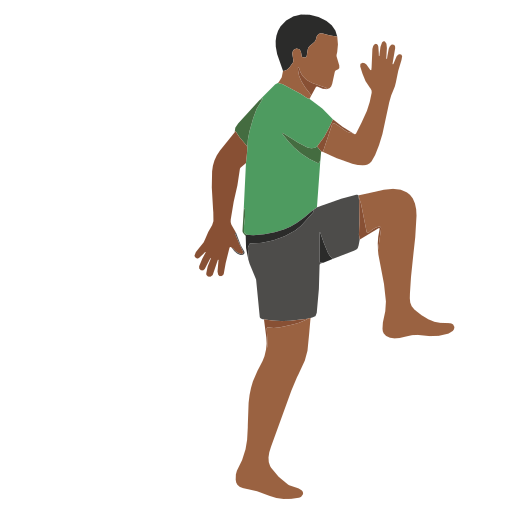
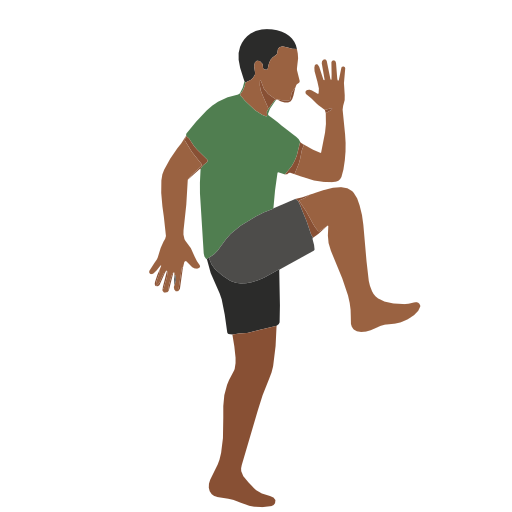
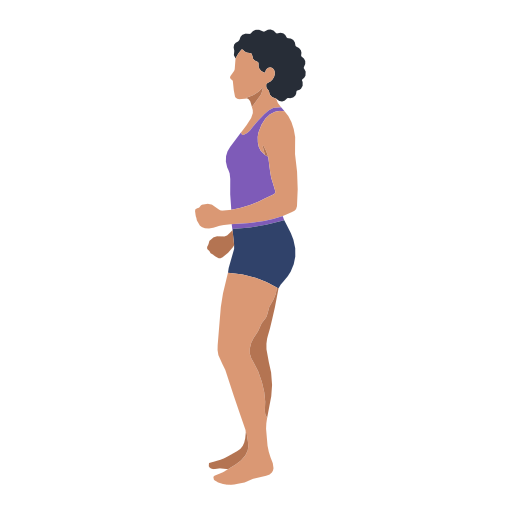
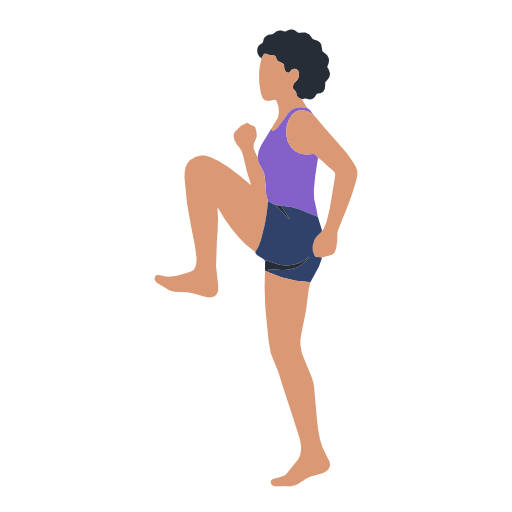
Sagittal Plane Dominance
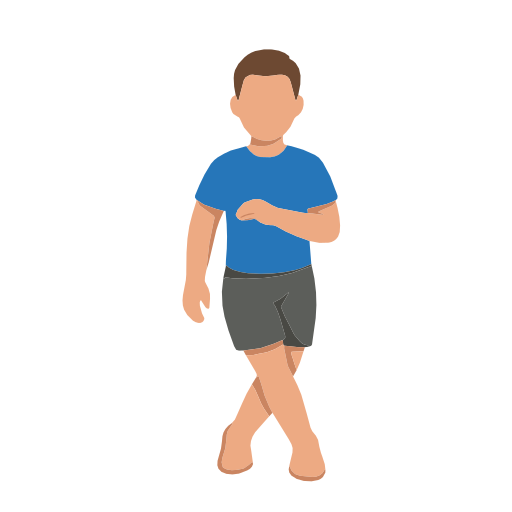
Because running happens almost entirely in a straight line, your muscles can 'forget' how to move sideways. This is a common precursor to IT band syndrome and lateral knee pain.[1]
Straight-line sports require lateral preparation to keep the joints stable.
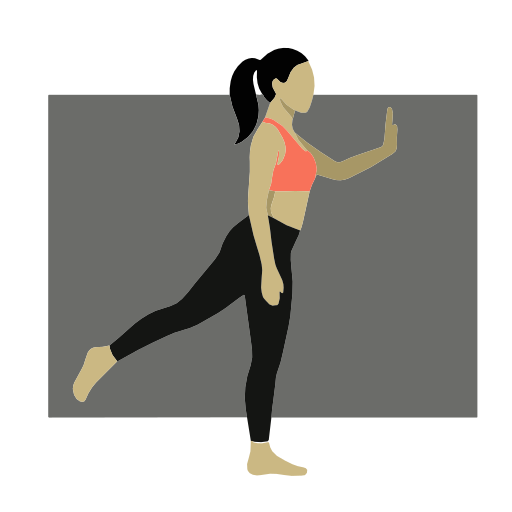
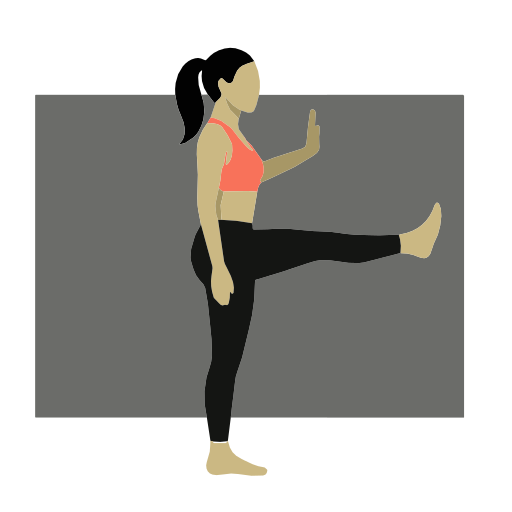
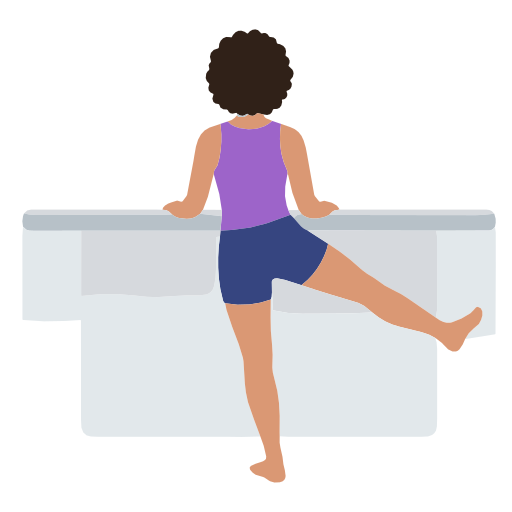
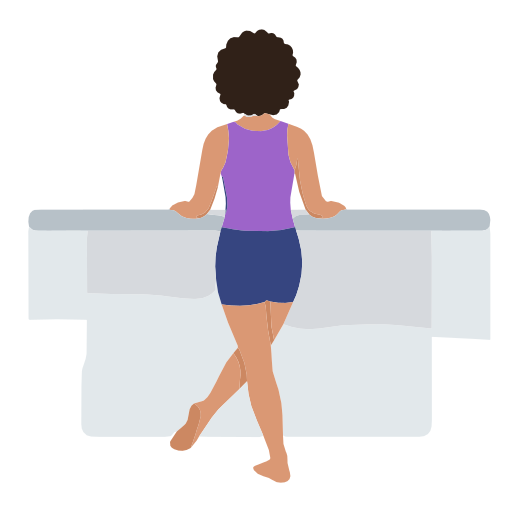
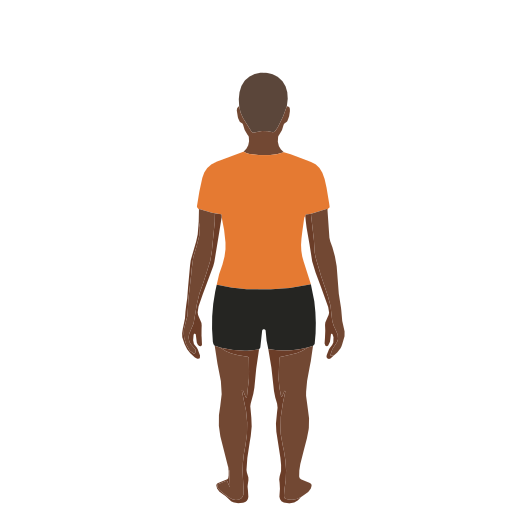
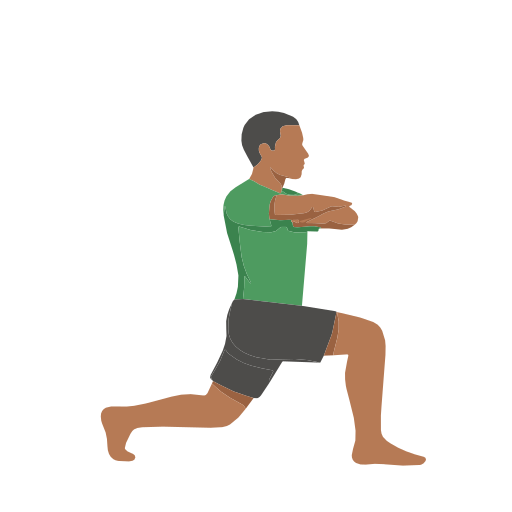
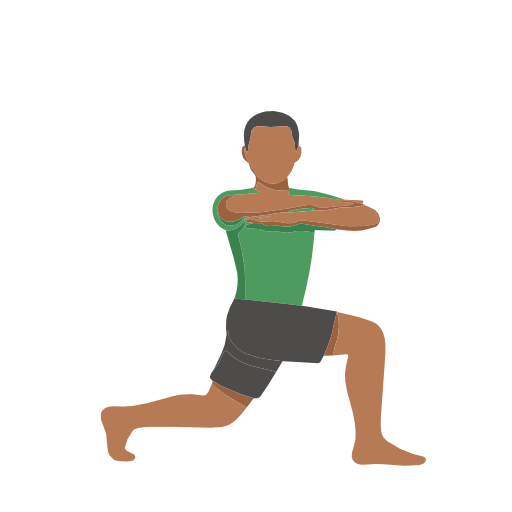
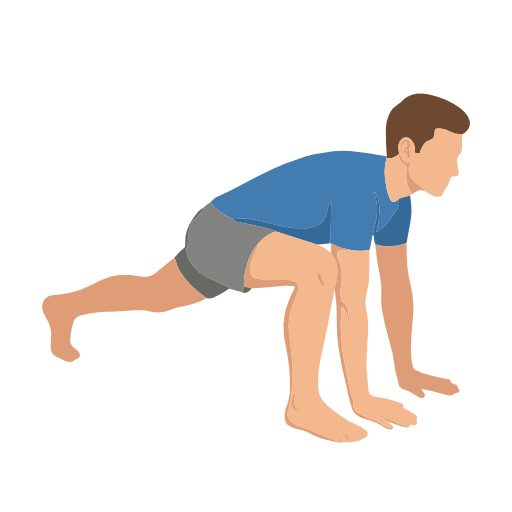
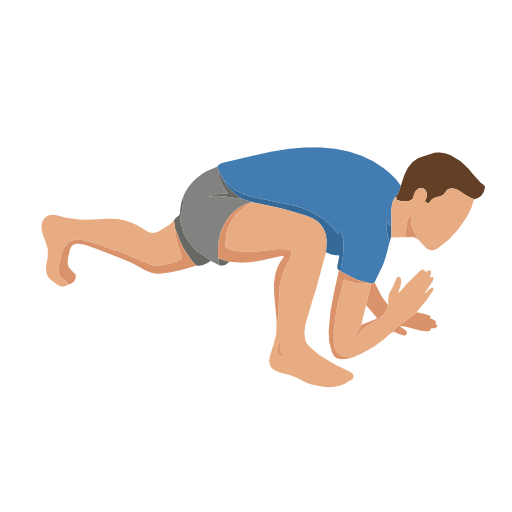
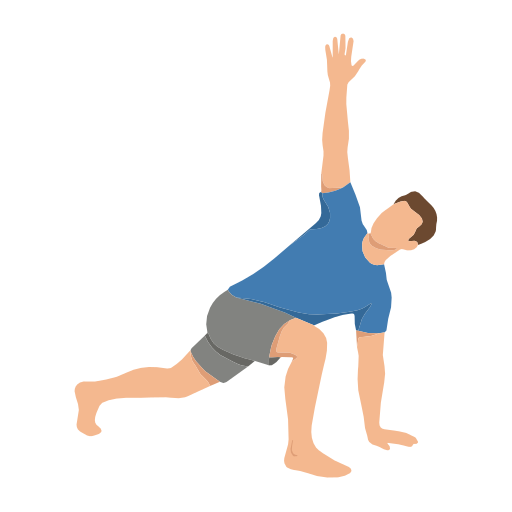
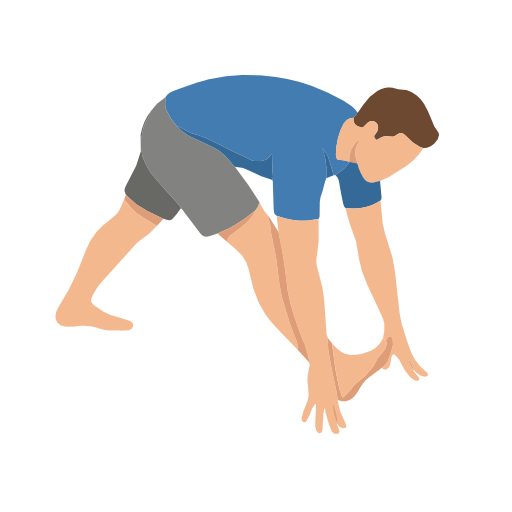
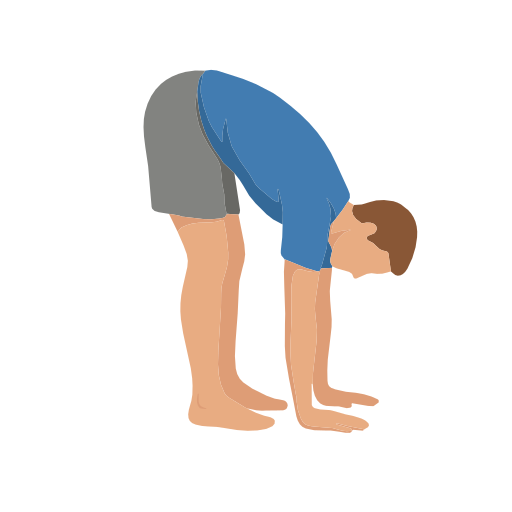
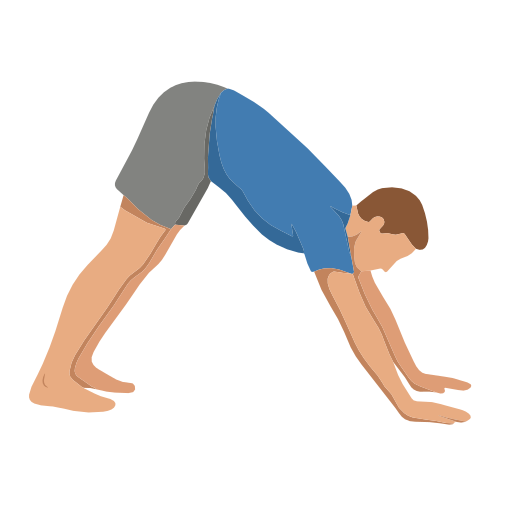
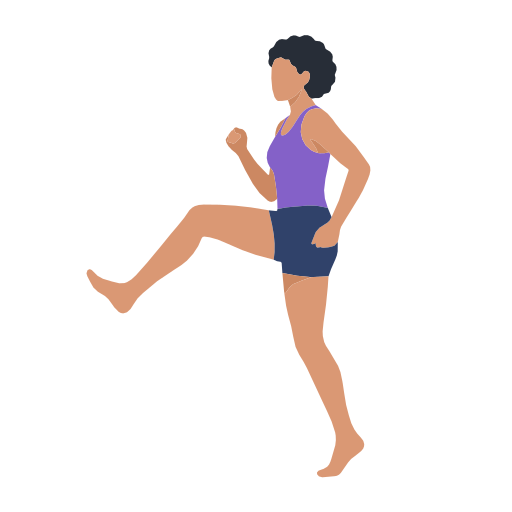
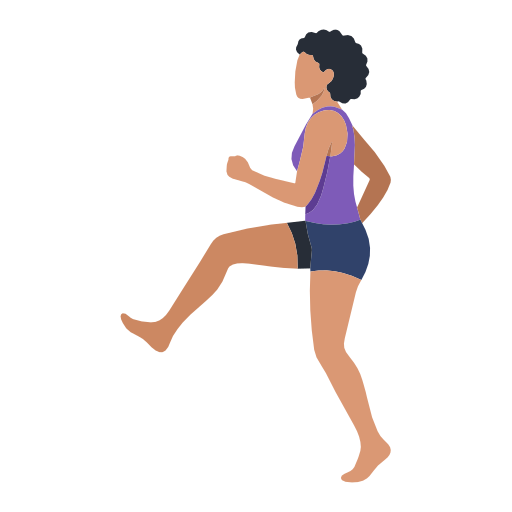
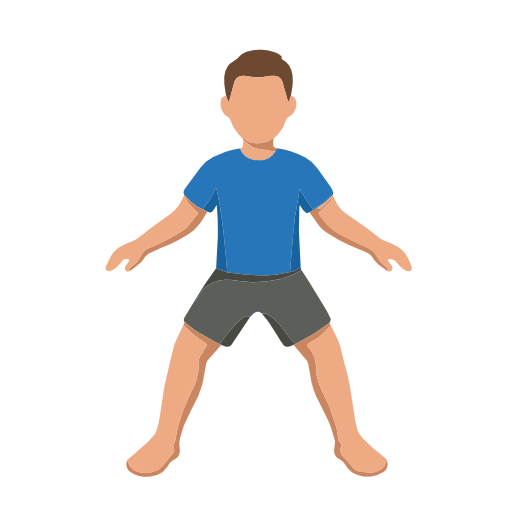
By including Lateral Leg Swings and the World's Greatest Stretch in your warm-up, you wake up your lateral stabilizers (like the glute medius). This ensures your knees stay tracking straight for every mile, rather than collapsing inward as you fatigue.
Reversing the Desk Hunch
If you spend hours at a desk, your body adapts to a shape that resembles a question mark. Your hip flexors are pinched, your chest is closed, and your back is rounded.[2]
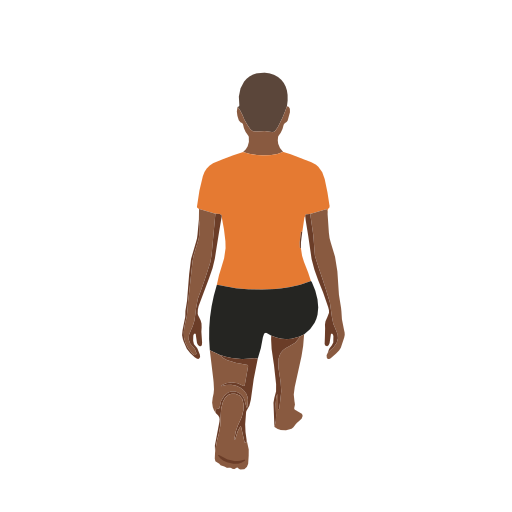
The Cat-Cow Flow and Walking Lunges are designed to pull your body back into an 'exclamation point.' By driving the hips into extension and opening the mid-back, you restore the posture needed for efficient breathing and a powerful stride.
Priming the Achilles
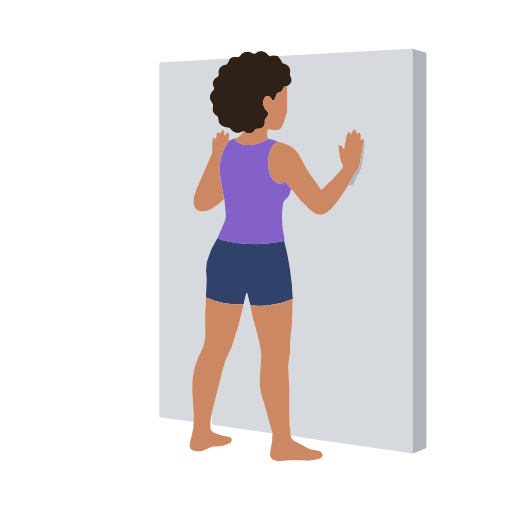
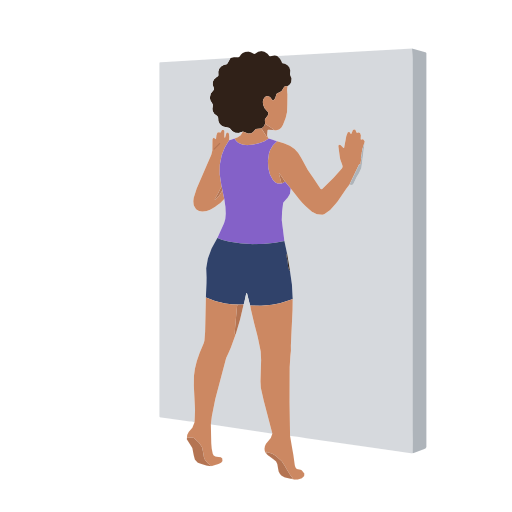
The Achilles tendon is the primary energy-storing structure in running. If you start a high-intensity session with cold, stiff calves, you are placing a massive amount of sudden stress on the tendon.[3]
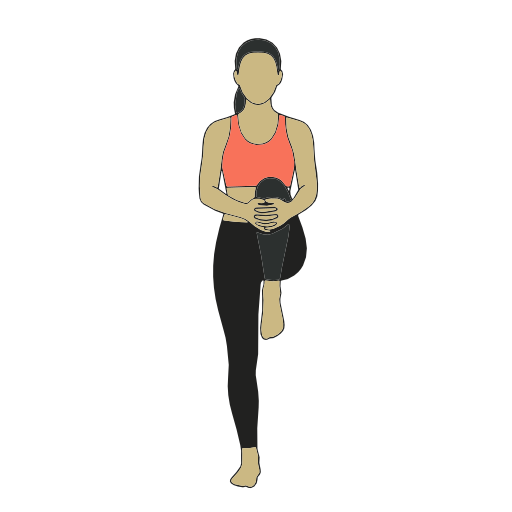
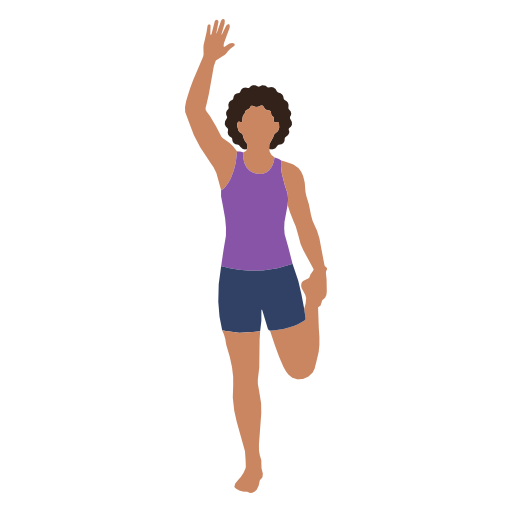
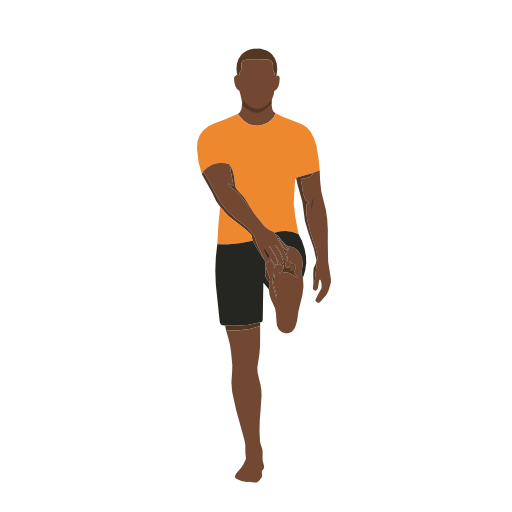
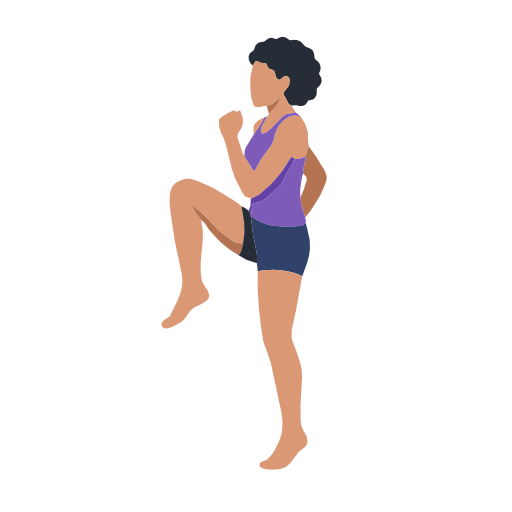
The Standing Calf Pumps and Walking Knee Hugs prepare the 'stretch-shortening cycle' of the lower leg. This 'pre-loading' makes the tendon more resilient to the repeated impact of the road, keeping you away from the lingering pain of Achilles tendinopathy.