Remodeling Your Tissue
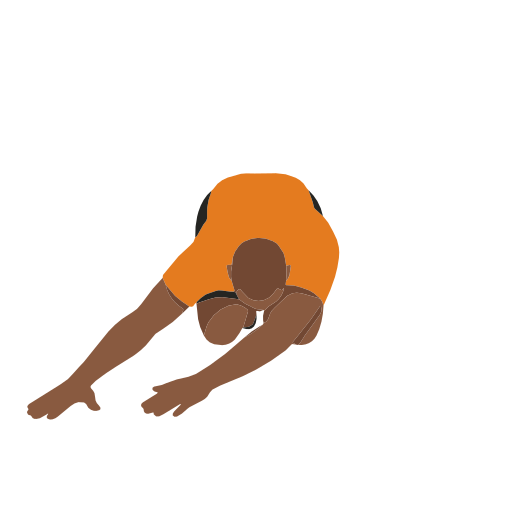
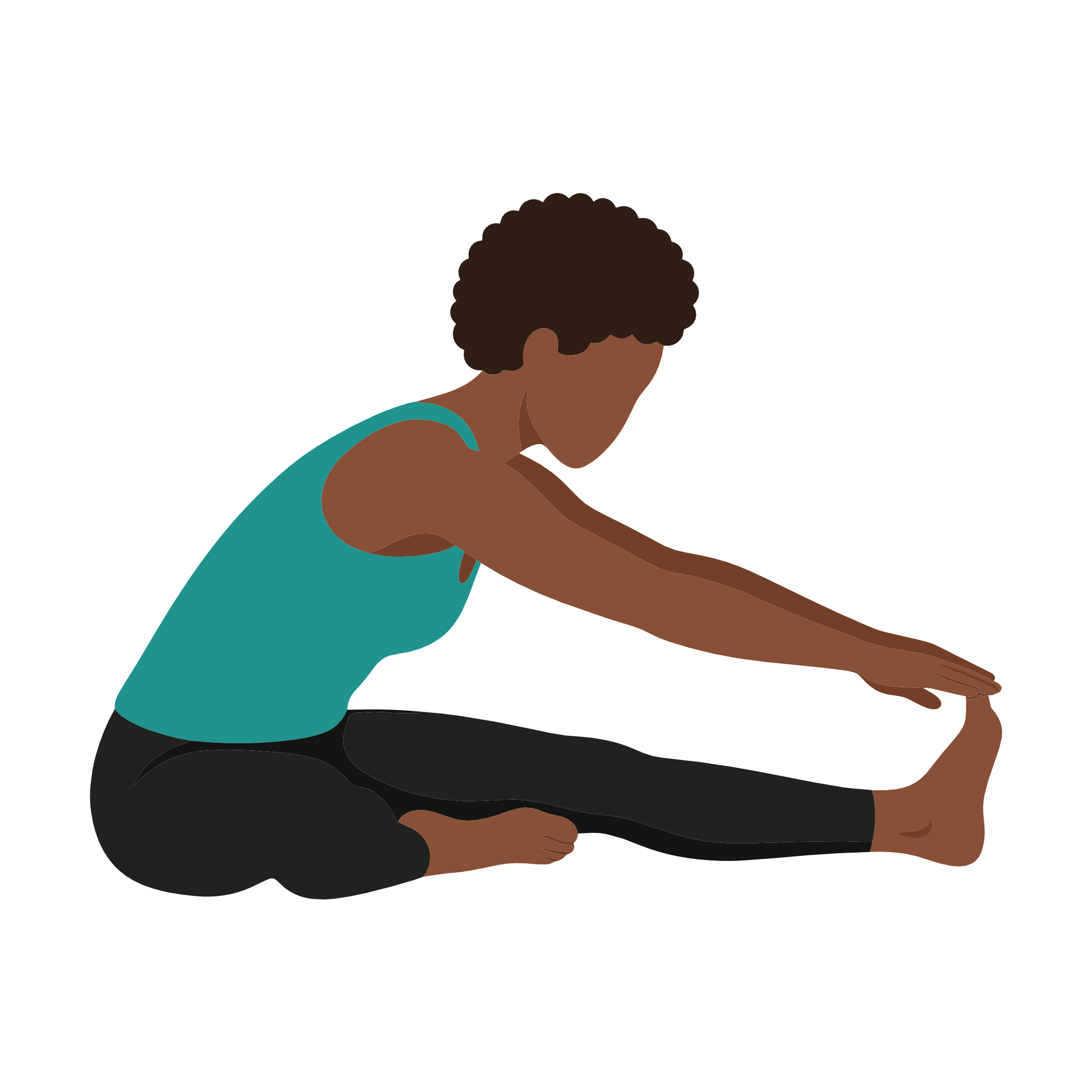
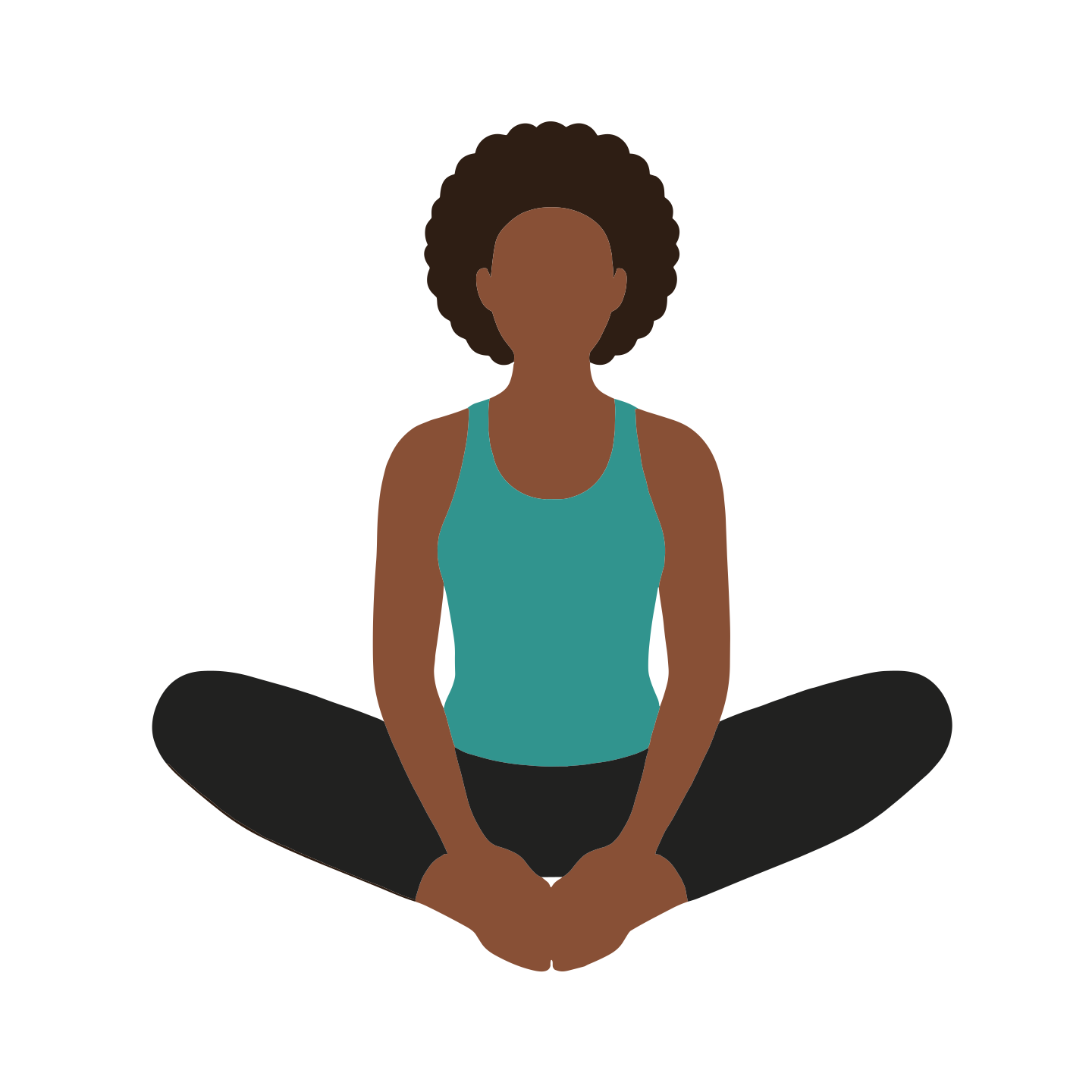
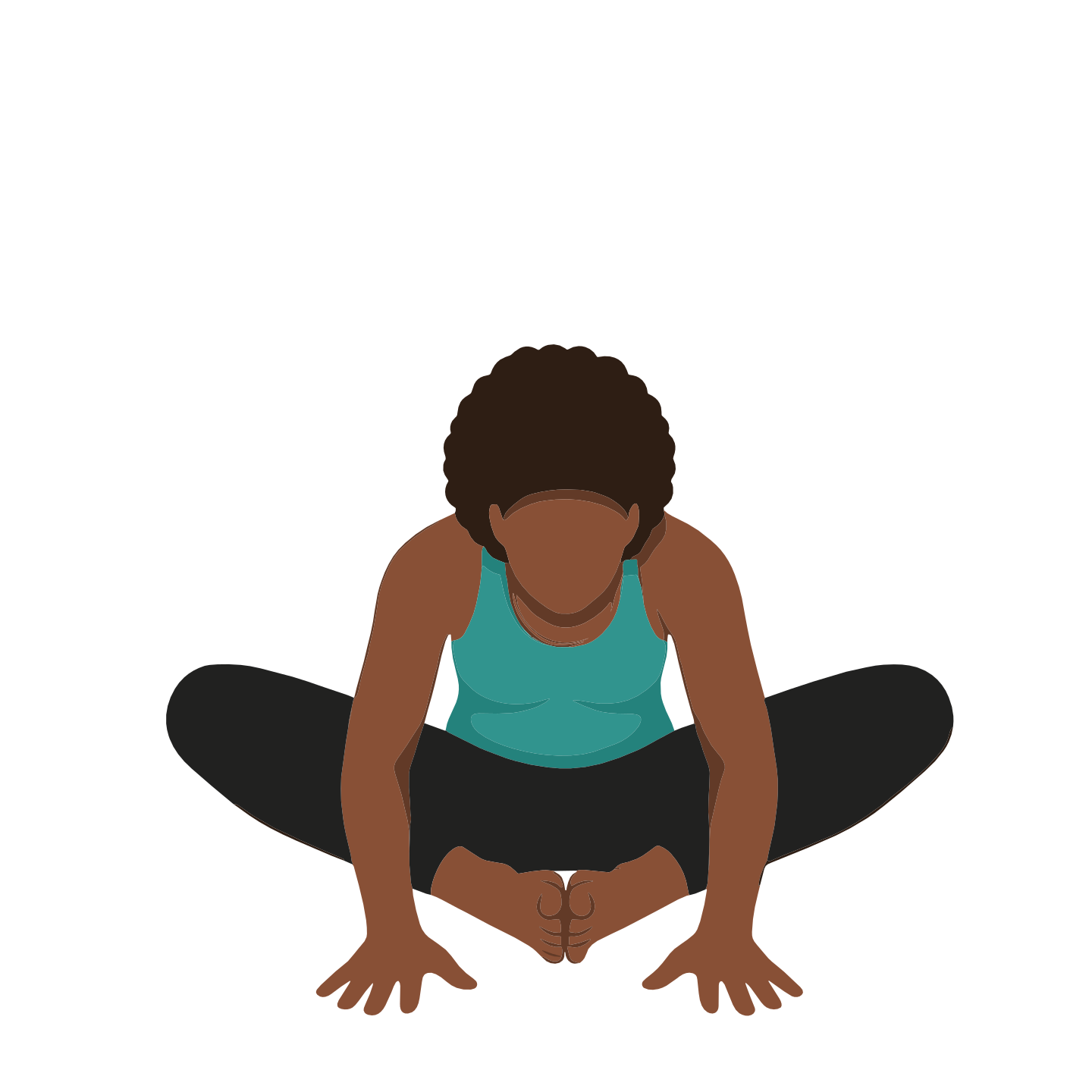
Think of your fascia like plastic. If you pull it quickly, it snaps back. If you pull it slowly and hold it under tension, it begins to 'creep' and take on a new shape. These 60 to 120-second holds are designed to remodel your tissue, giving you back the stride length that age and mileage try to take away.[1]
Rest days aren't just for sitting on the couch; they are for active maintenance. If you only stretch for 30 seconds after a run, you're not changing your biology, you're just managing temporary stiffness.
Reversing Adaptive Shortening
Repetitive sports like running cause 'adaptive shortening.' Your muscles literally become shorter over time because they are never used through their full range of motion.[2]
Tissue remodeling requires time and breath, not intensity.
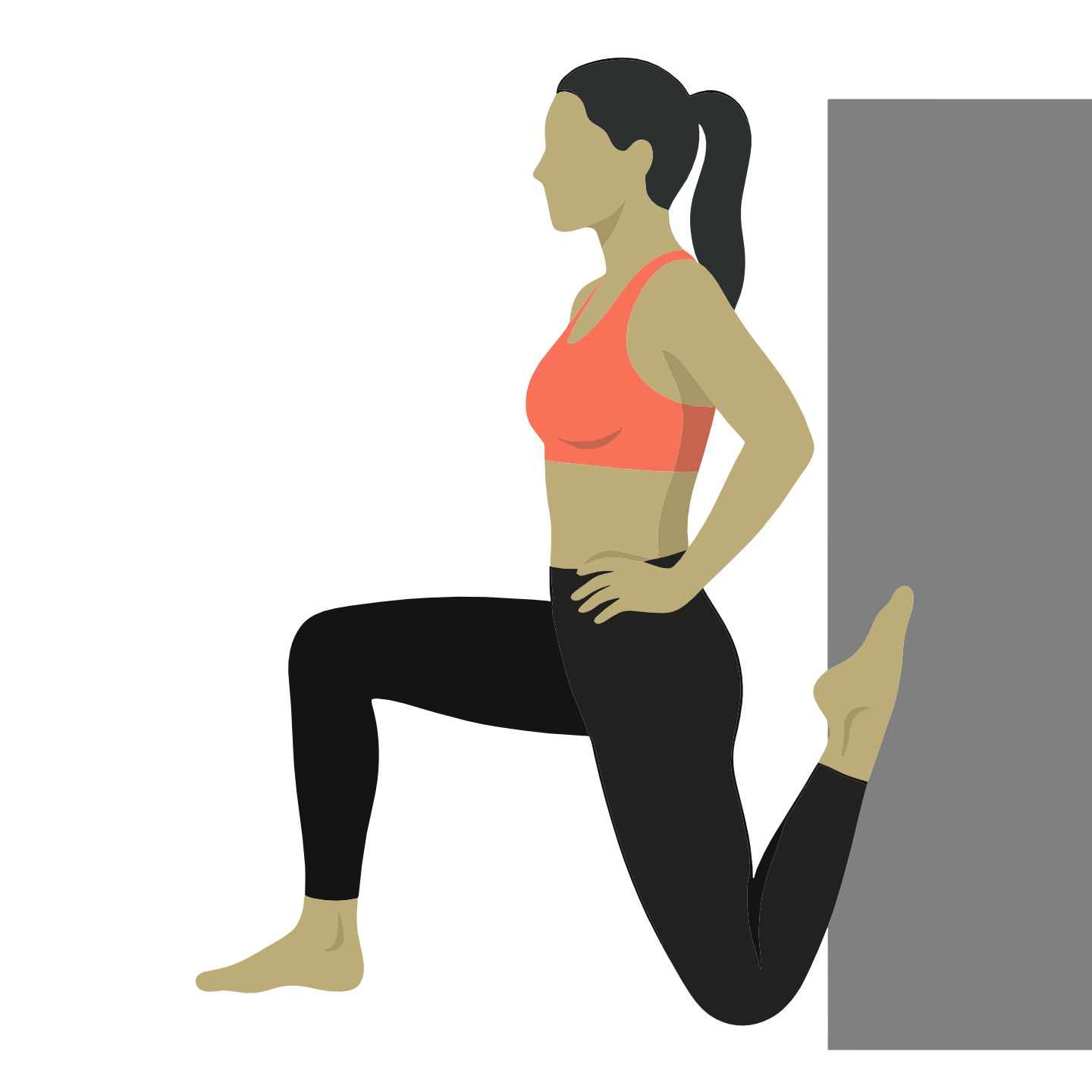
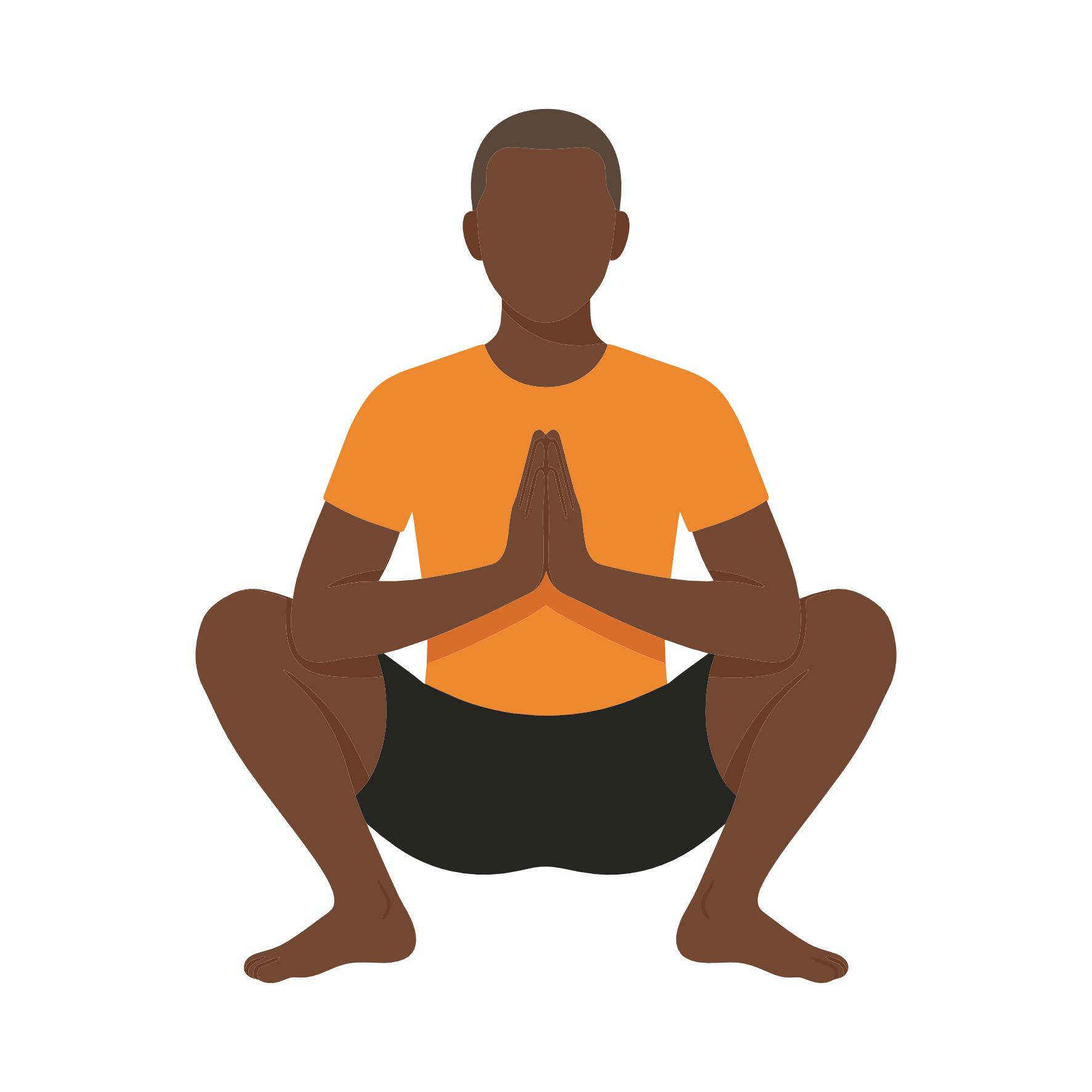
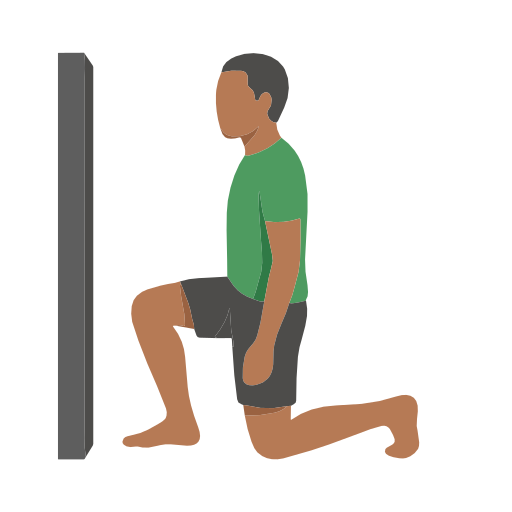
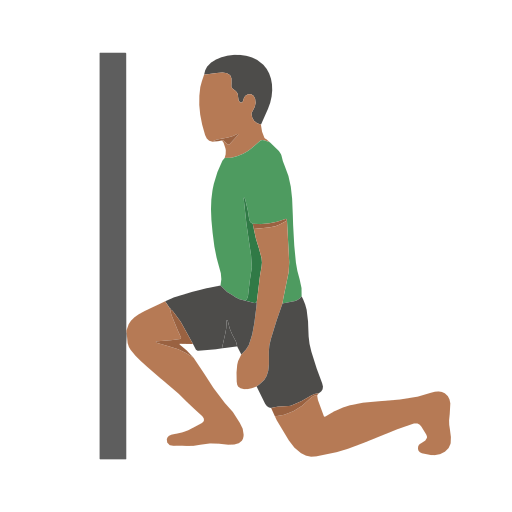
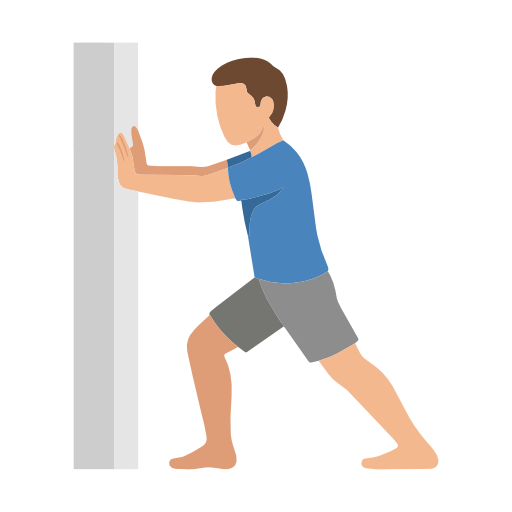
The Couch Stretch and Ankle Mobilizations in this routine are the antidotes to this process. By forcing your joints into their 'end ranges' and holding them there, you maintain the structural health needed to avoid common issues like runner's knee and Achilles tendinopathy.
The Role of Thoracic Mobility
Most runners overlook the upper body, but it is the foundation of your breathing. If your thoracic spine (mid-back) is locked in flexion from hours of fatigue-induced slouching, your diaphragm cannot expand fully.[3]
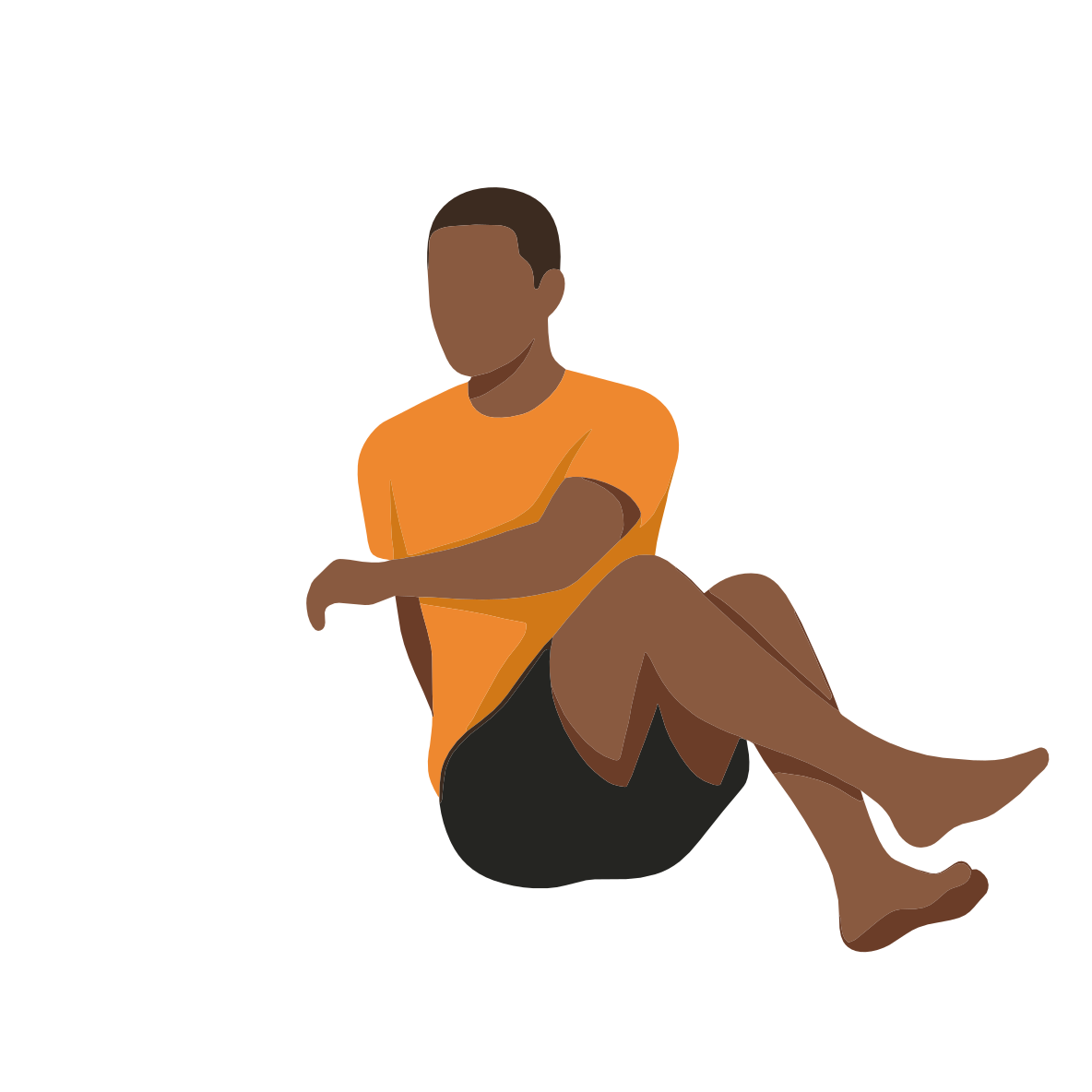
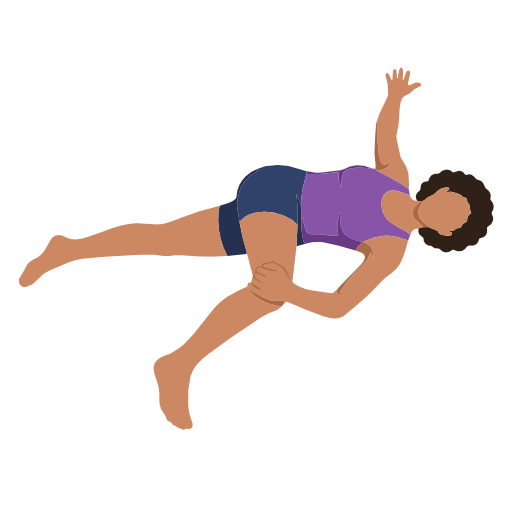
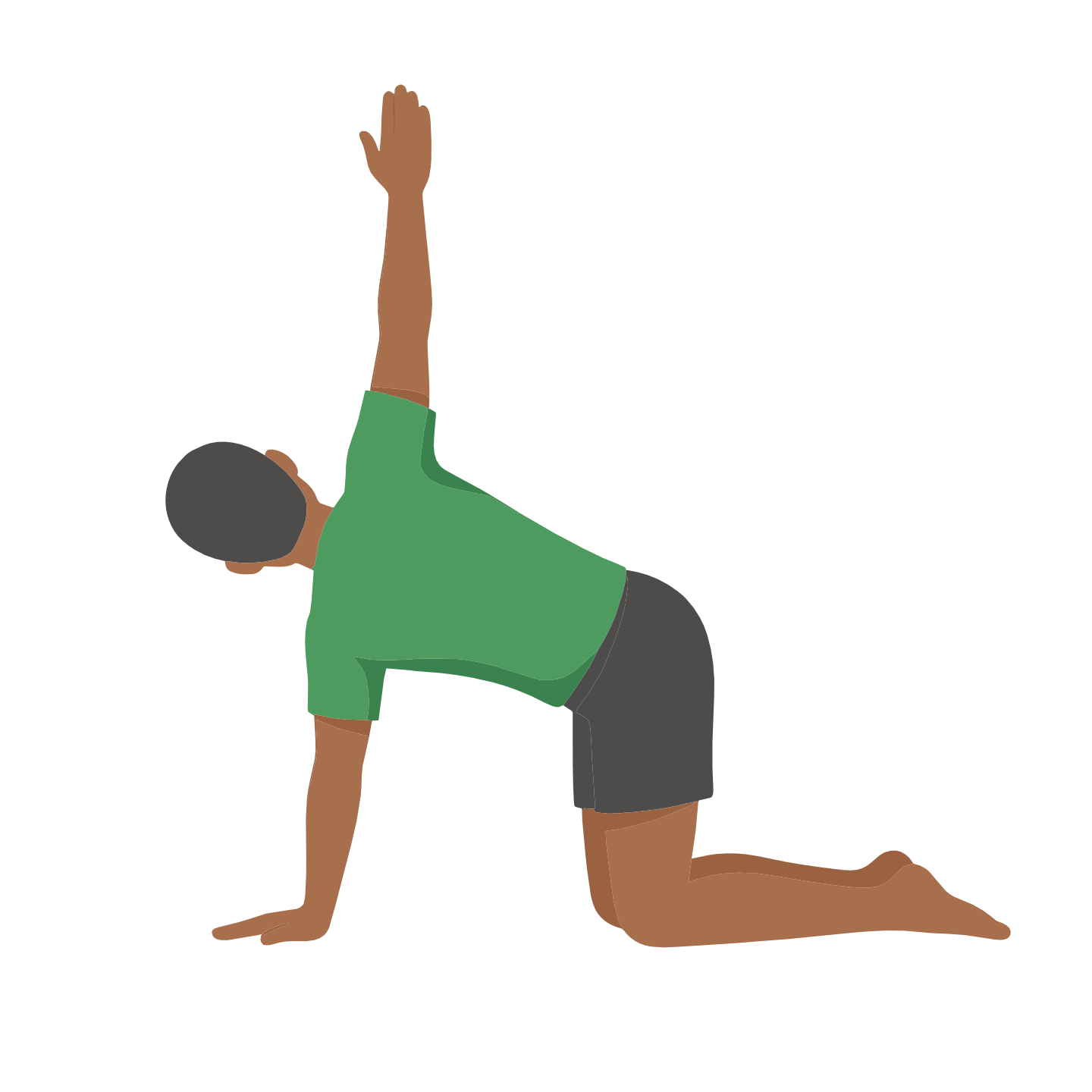
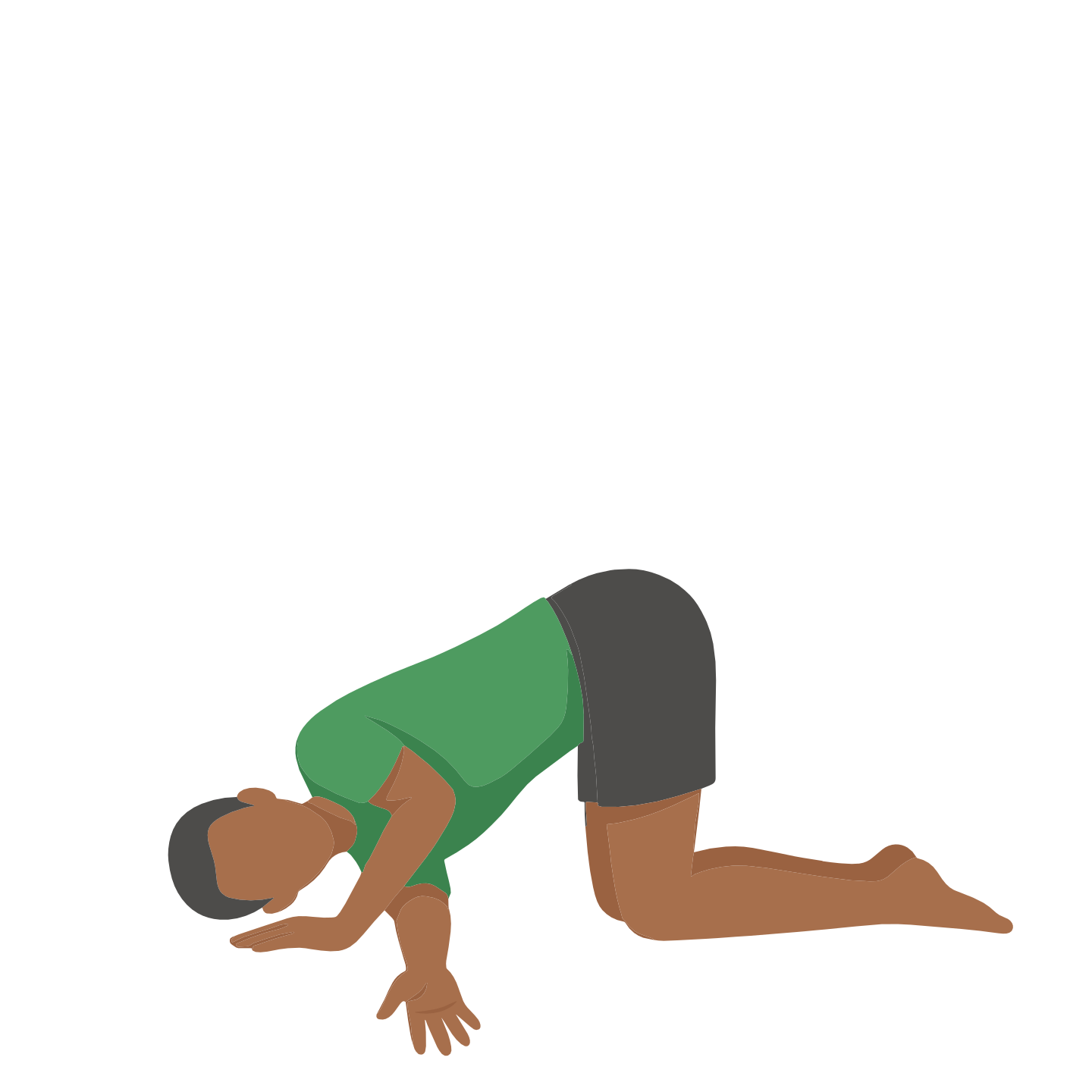
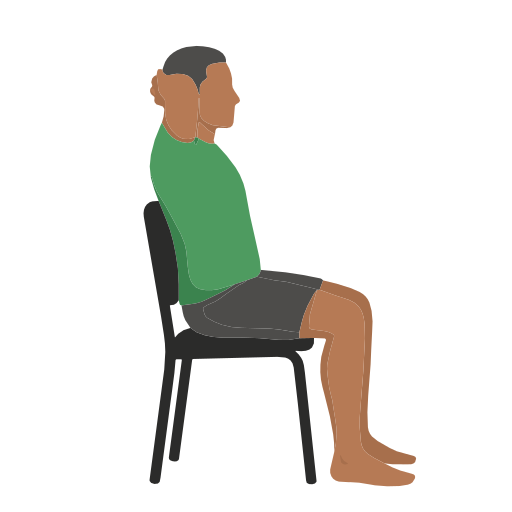
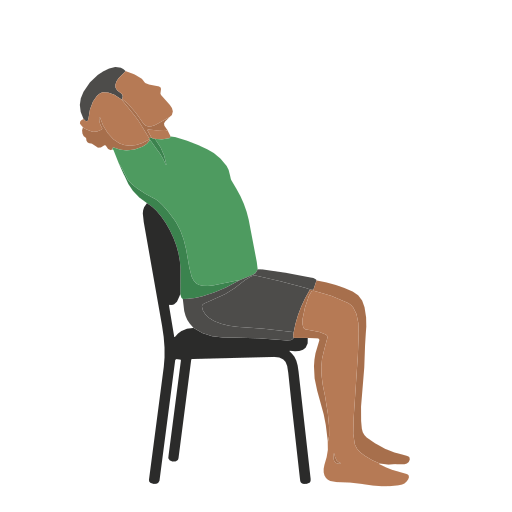
Exercises like the Thoracic Extension and Open Book are essential for maintaining your VO2 max. When your rib cage can move freely, every breath becomes more efficient, allowing you to sustain your pace for longer.