← Back to library
Running·Cool-Down
·7 min read

Cool-Down Stretches for Runners

Post-run recovery should prioritize static stretching of the hip flexors and calves to reverse the repetitive shortening that occurs during miles on the road or trail.

After a run, your hip flexors are shortened and your calves have absorbed thousands of ground impacts. This cool-down sequence systematically addresses those adaptations, shifting your nervous system toward recovery and setting the foundation for your next session.

The Recommended Routine

1
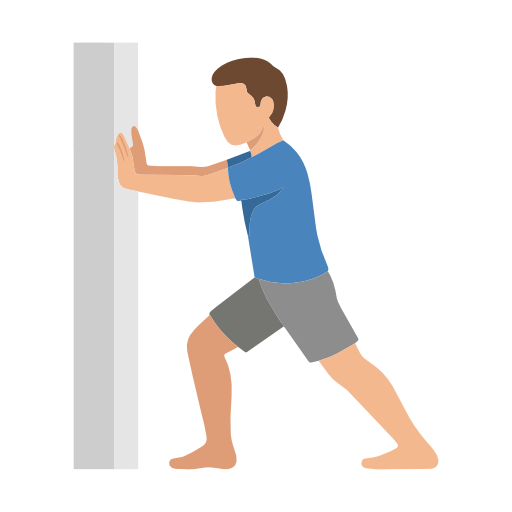
Calf Wall Stretch
Gastrocnemius, Achilles · 30 seconds each side
  1. Face a wall and step one foot back with the heel flat on the floor
  2. Keep the back leg straight to stretch the calf
  3. Lean hips forward until you feel the stretch in the back leg
  4. Hold, then switch legs
Why it works
Restores dorsiflexion lost with every push-off; protects against Achilles tendinopathy, shin splints, and plantar fasciitis.
2
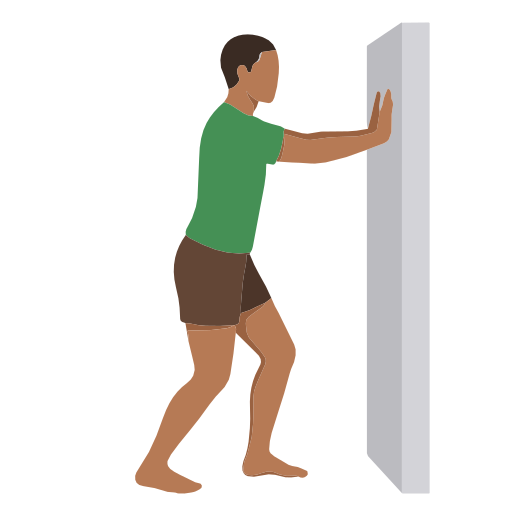
Soleus / Achilles Wall Stretch - Bent-Knee
Soleus, Achilles · 30 seconds each side
  1. Face a wall and step one foot back with the heel flat on the floor
  2. Bend the back knee while keeping the heel firmly down and toes slightly inward
  3. Press hips forward and slightly down
  4. Stretch is felt low on the calf, just above the heel
  5. Hold 30 seconds, 2–3× per side
Why it works
The soleus absorbs up to 6–8× bodyweight per stride, isolating it (with bent knee) prevents Achilles tendinopathy and preserves ankle dorsiflexion.
3
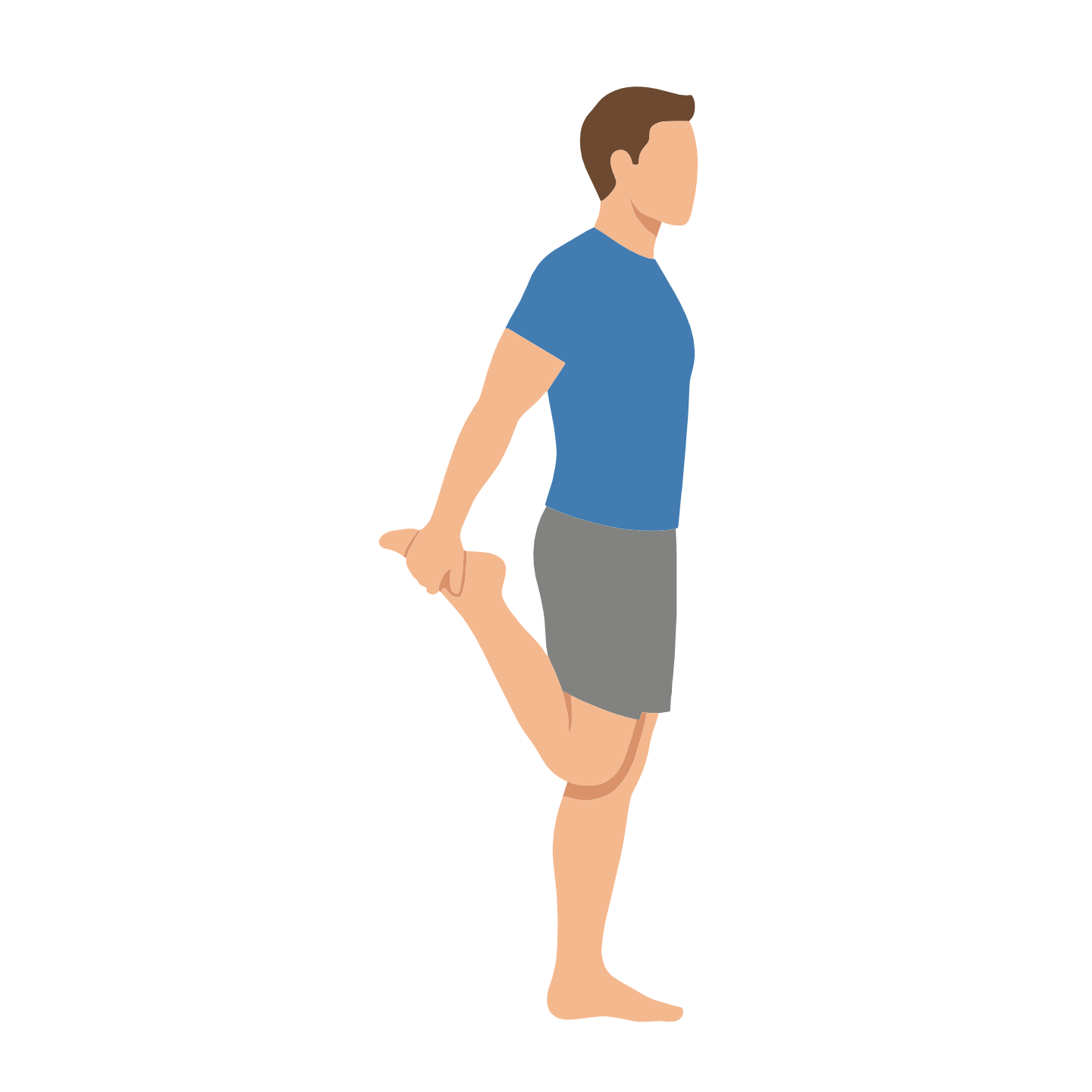
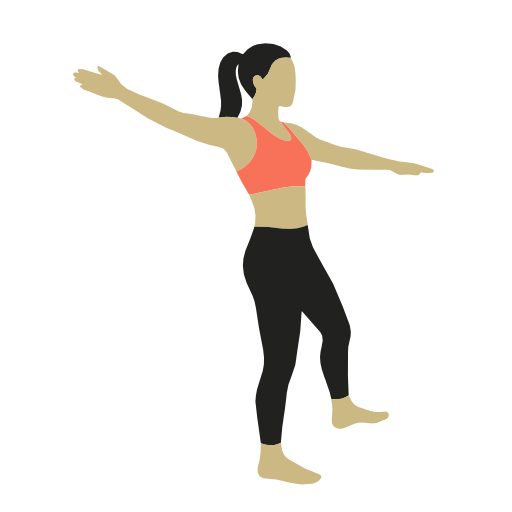
Standing Quad Stretch
Quadriceps · 30 seconds each side
  1. Stand on one leg, holding a wall or surface for balance if needed
  2. Pull the opposite ankle toward your glute, keeping knees together
  3. Stand tall, don't lean forward or arch the lower back
  4. Squeeze the glute of the stretched leg to deepen the hip flexor portion
  5. Hold, release, and switch legs
Why it works
Relieves quad tension that pulls on the kneecap, a key contributor to patellofemoral pain.
4
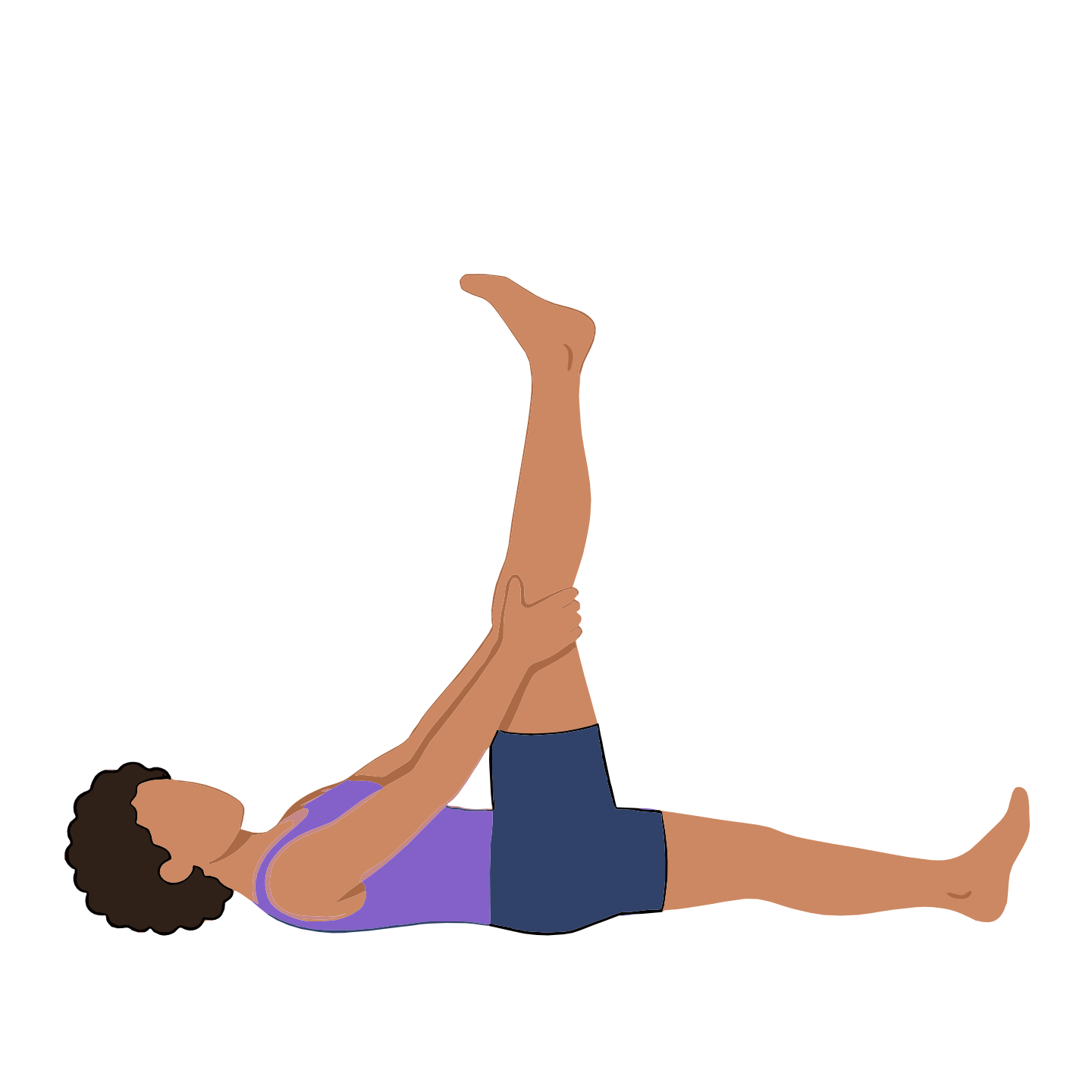
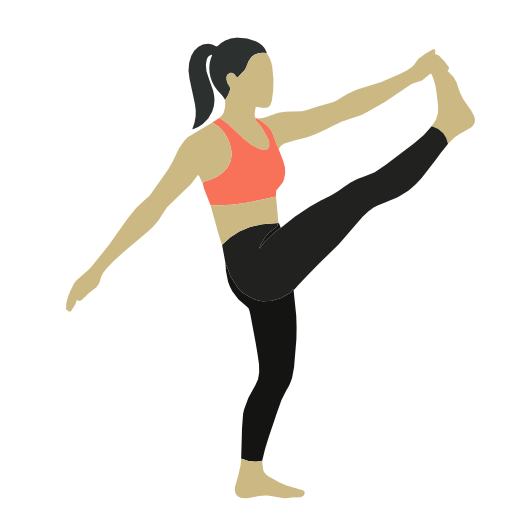
Lying Floor Hamstring Fold
Hamstrings · 20-30 seconds per side
  1. Lie on your back with one leg flat on the ground
  2. Raise the other leg as high as it will naturally go
  3. Grasp behind the thigh or calf and gently pull the leg toward you
  4. Flex your foot to increase the stretch
  5. Keep the grounded leg flat and the lower back pressing into the floor
Why it works
Removes low-back loading while releasing the hamstrings that decelerate the swing leg, lowering strain risk and improving stride length.
Source: NHS 2022
5
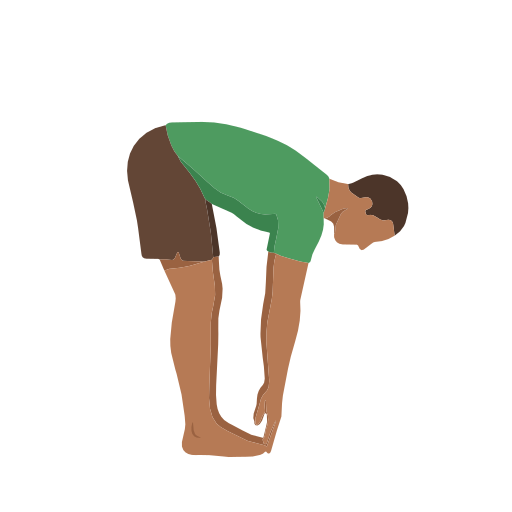
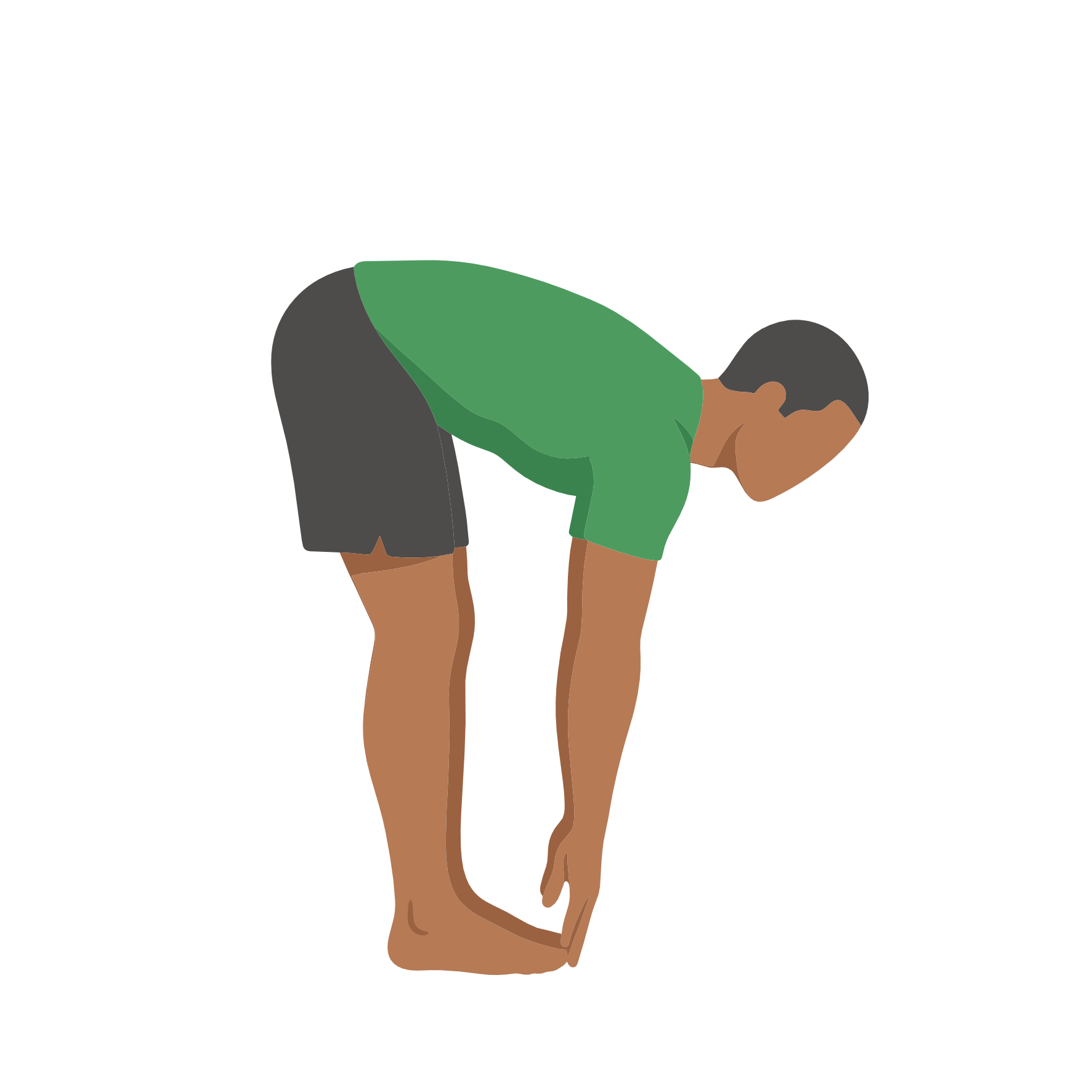
Standing Hammie Fold
Hamstrings, calves, lower back, spinal erectors · 30 seconds
  1. Stand with feet together and a slight knee bend
  2. Hinge forward at the hips, reaching hands toward the floor
  3. Keep your back flat as long as possible before allowing it to round
  4. Let your head and neck relax fully
  5. Hold at the bottom, then slowly roll back up one vertebra at a time
Why it works
Combines hamstring lengthening with lumbar decompression, resets posture after repetitive impact.
6
Half Kneeling Hip Flexor
Iliopsoas, rectus femoris · 30 seconds each side
  1. Assume a half-kneeling position (one knee down, one foot forward)
  2. Tuck your pelvis slightly (posterior tilt) to engage the glute of the down leg
  3. Shift your weight slightly forward without arching your lower back
  4. Maintain a tall posture
Why it works
Restores hip extension that running strides repeatedly shorten, freeing the glutes to fire and reducing lumbar compensation.
7
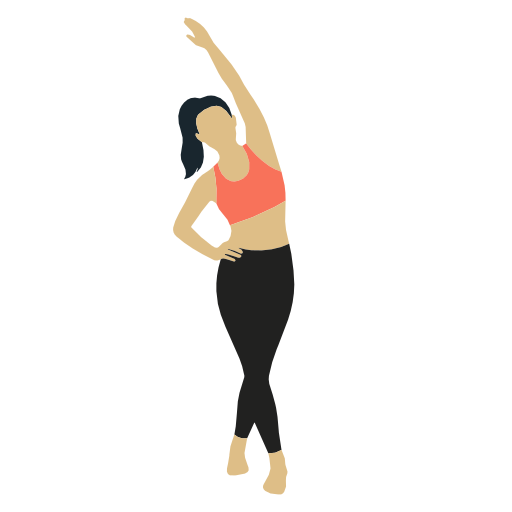
Standing IT Band Stretch
Iliotibial band, lateral hip · 30 seconds each side
  1. Stand and cross one leg behind the other
  2. Lean your torso toward the side of the front leg
  3. Push your hips out toward the side of the back leg
  4. Reach the arm on the side of the back leg overhead to deepen the stretch
Why it works
Eases lateral knee and hip tension linked to ITBS, one of the leading causes of runner's knee.
8
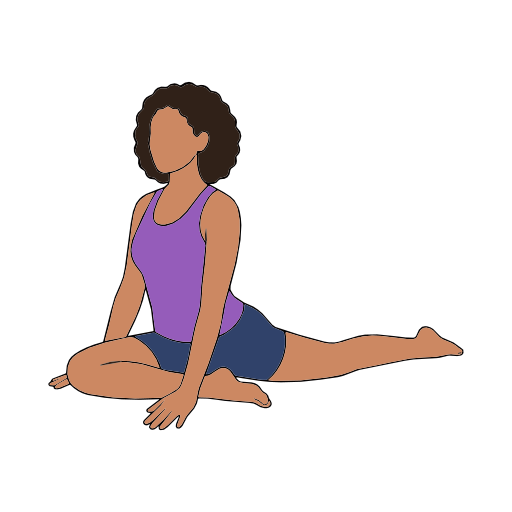
Pigeon Pose
Gluteals, piriformis, deep external rotators, opposite hip flexor · 30-60 seconds each side
  1. From tabletop, slide one shin forward as close to parallel with the front of the mat as comfortable
  2. Extend the back leg straight behind you
  3. Square the hips toward the floor as much as possible
  4. Walk hands forward and lower the torso for a deeper hold
  5. Breathe slowly and deeply, hold for the full duration
Why it works
Opens the hip capsule and releases piriformis tightness implicated in IT band and sciatic-pathway irritation.
9
Lying Figure-4
Gluteus max/med, piriformis, external rotators · 30 seconds each side
  1. Lie on your back with both knees bent and feet flat on the floor
  2. Cross one ankle over the opposite knee in a figure-4 shape
  3. Pull the bottom thigh toward your chest, threading your hands through or around
  4. Keep your head and shoulders relaxed on the floor
  5. Hold, breathe deeply, then switch sides
Why it works
Low-back-friendly alternative to floor pigeon; reaches the same runner-tight tissues without load.
Source: NHS 2022
10
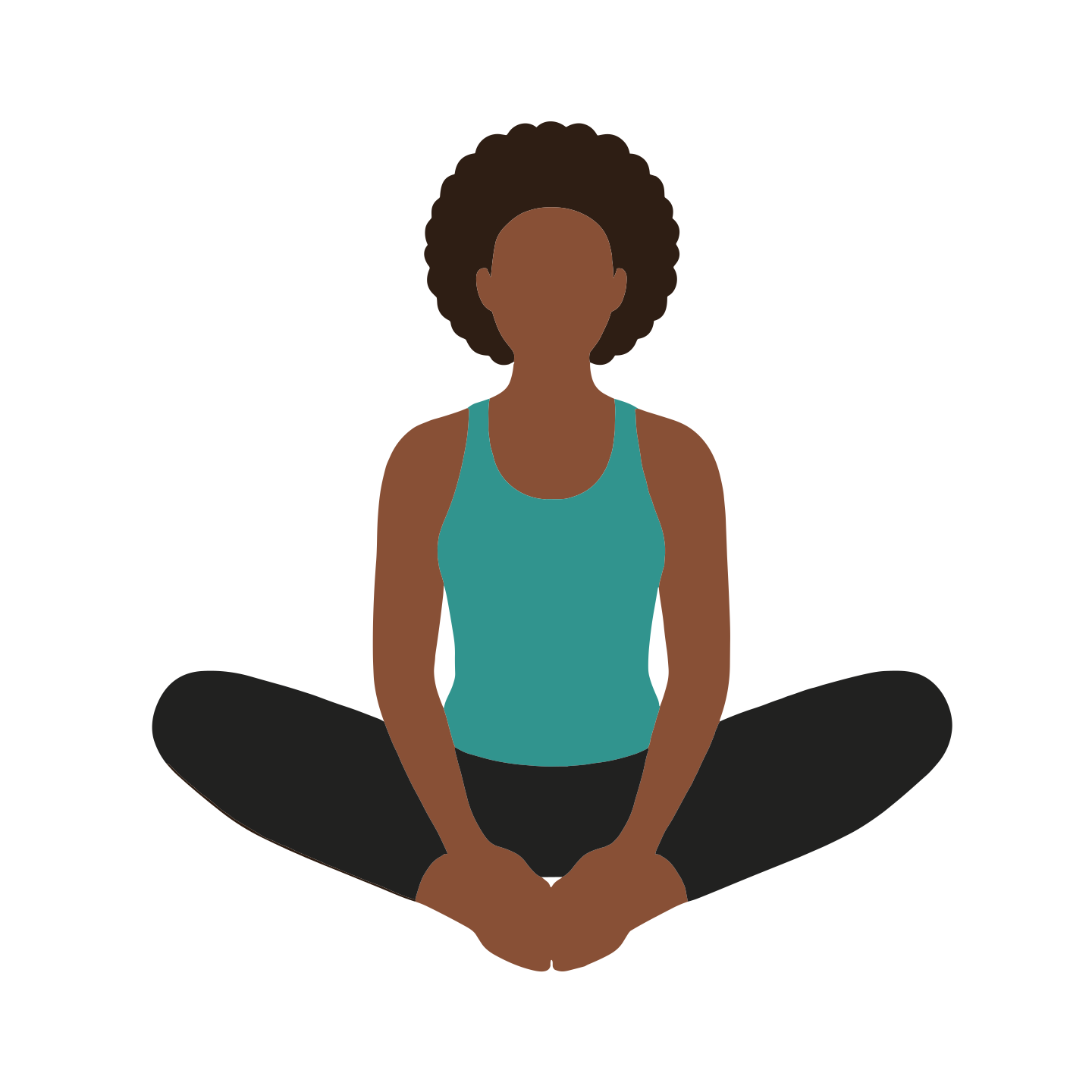
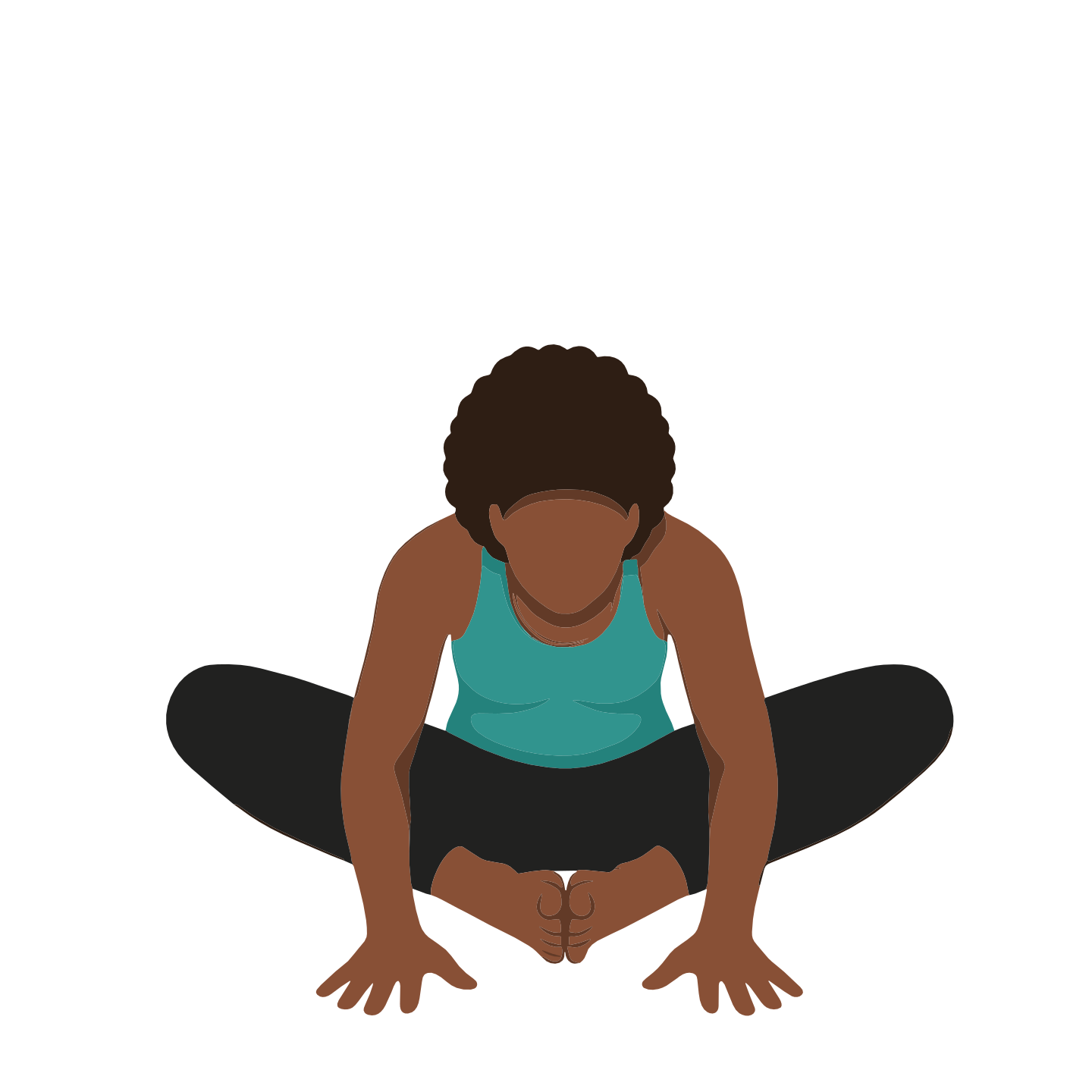
Butterfly Stretch
Adductors, groin · 30 seconds
  1. Sit on the floor and bring the soles of your feet together
  2. Hold your feet and sit tall with a long spine
  3. Gently press your knees toward the floor using your elbows
  4. Hinge slightly forward from the hips to deepen the stretch
  5. Do not force the knees down, let gravity do the work
Why it works
Restores adductor length and pelvic balance, running's sagittal bias leaves them tight and under-trained.
Source: NHS 2022
11
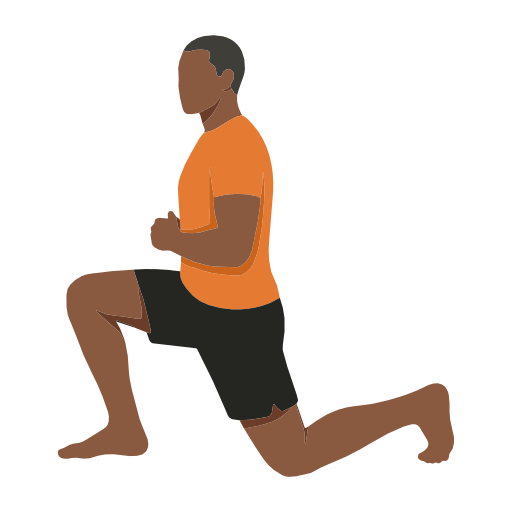
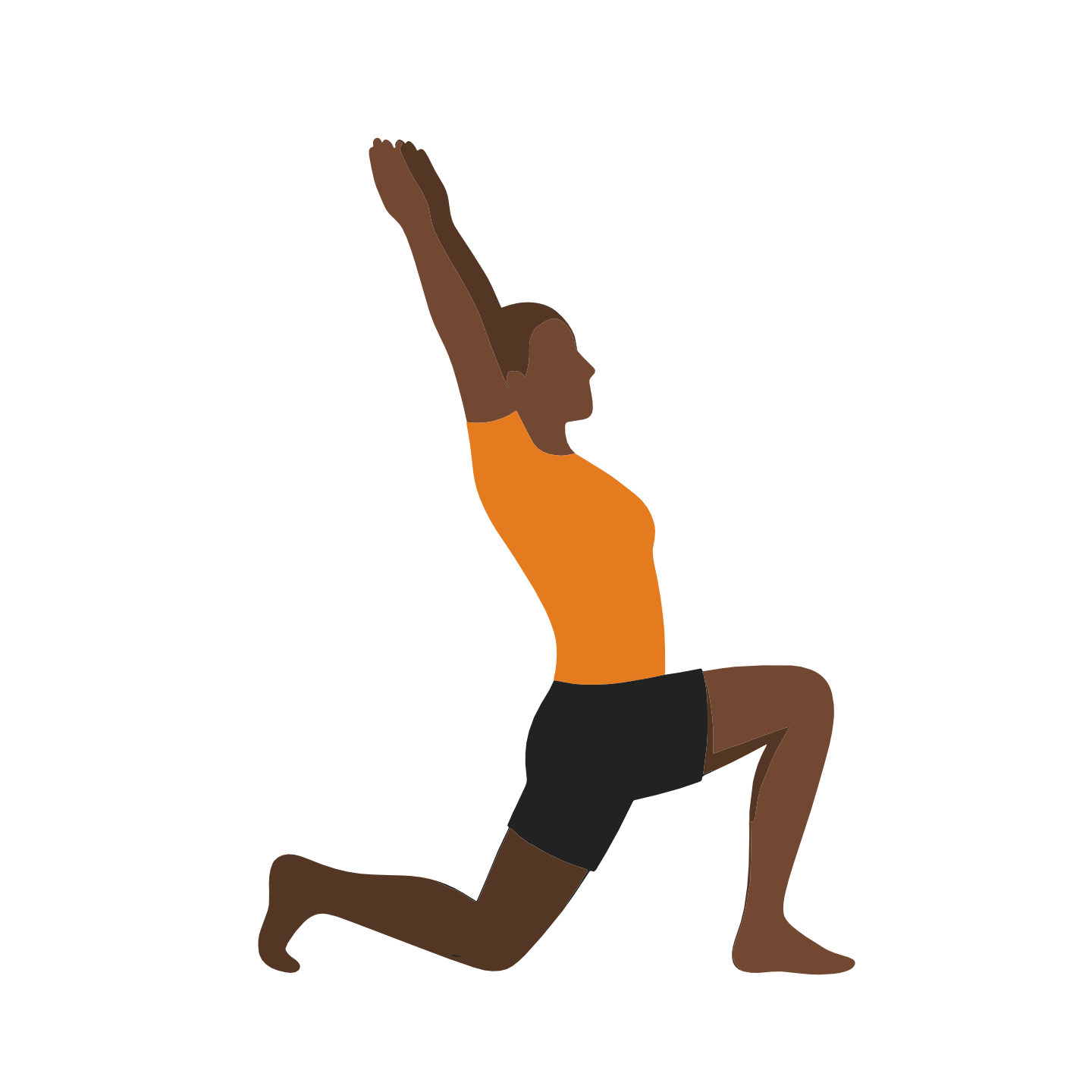
Low Lunge Arch
Iliopsoas, rectus femoris, anterior hip capsule · 30 seconds each side
  1. Lower into a low lunge with the back knee on the floor
  2. Reach both arms overhead and slightly arch the thoracic spine
  3. Push the hips forward and down to deepen the hip flexor stretch
  4. Keep the front knee stacked over the ankle
  5. Hold, breathe into the front of the hip, then switch sides
Why it works
Reclaims hip extension lost to repetitive stride and chronic sitting, preventing anterior pelvic tilt and low-back strain.
12
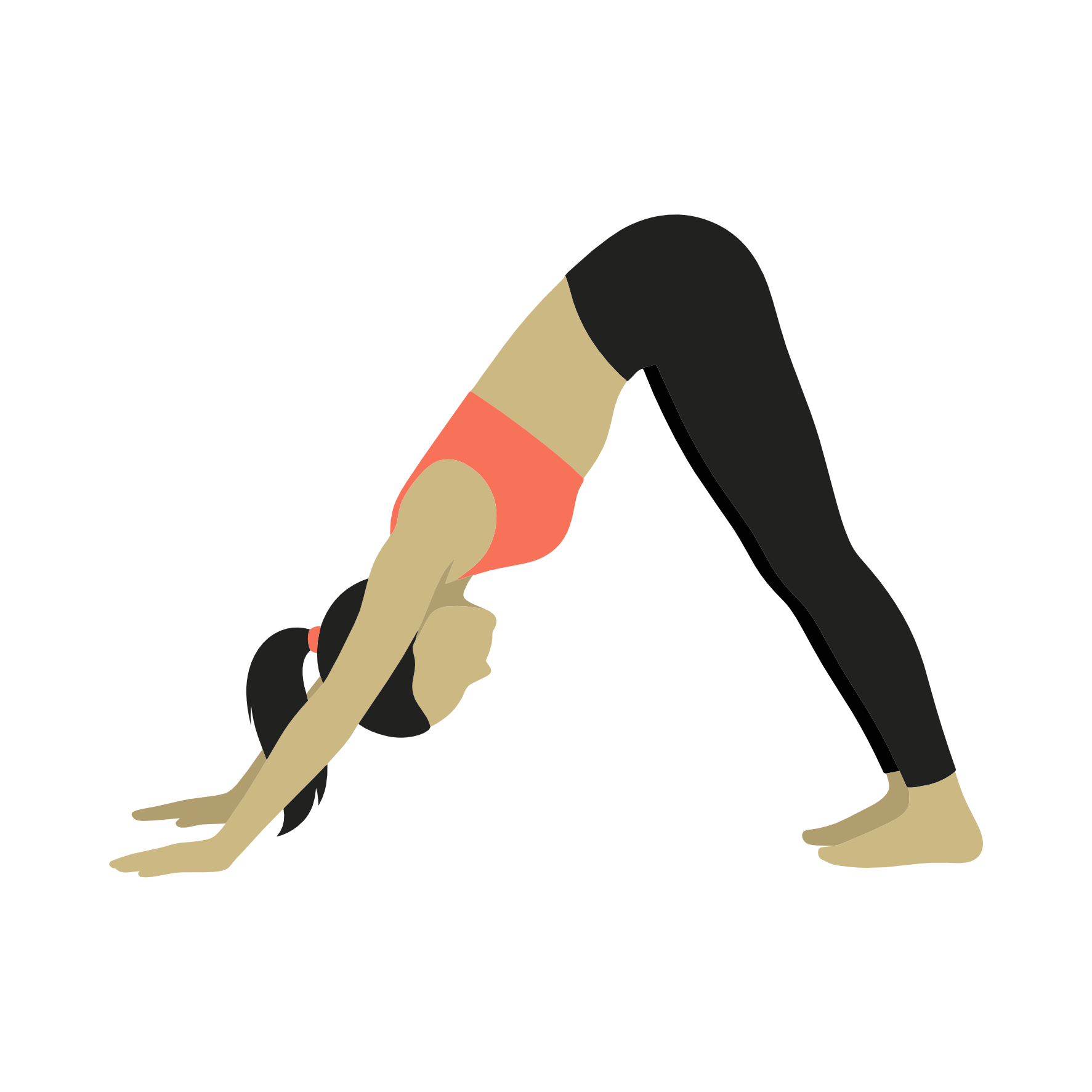
Downward Dog
Gastrocnemius, soleus, hamstrings, lower back, shoulders · 30 seconds
  1. From all fours, tuck toes and push hips up and back forming an inverted 'V'
  2. Press through the full palm and spread the fingers wide
  3. Work toward straightening the legs and pressing heels toward the floor
  4. Keep the spine long, don't round the upper back
  5. Let the head hang freely between the arms
Why it works
Single pose for the entire posterior chain running chronically shortens; also decompresses the spine.
13
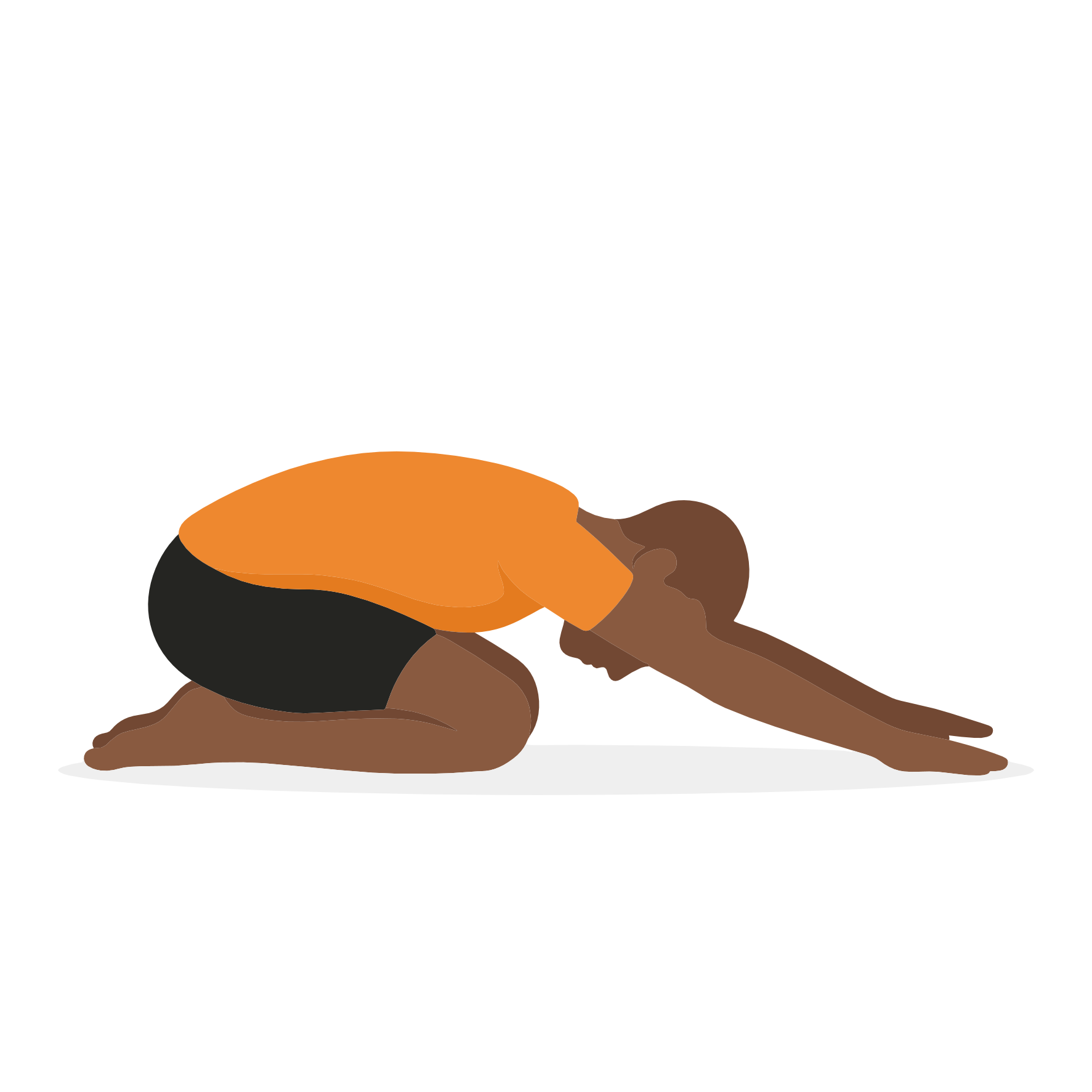
Child's Pose
Lower back, glutes, quads, hips, ankles · 30-60 seconds
  1. Kneel and sit back on your heels, spreading the knees wide or together
  2. Reach both arms forward along the floor
  3. Rest your forehead on the mat and allow the spine to lengthen
  4. Breathe deeply into the back body, expanding with each inhale
  5. Hold for 60 seconds or longer for a deeper release
Why it works
Decompresses the lumbar spine and cues the parasympathetic nervous system for recovery, ideal final cool-down.
14
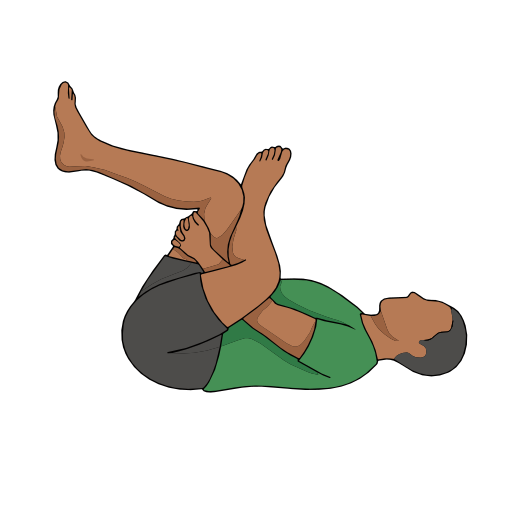
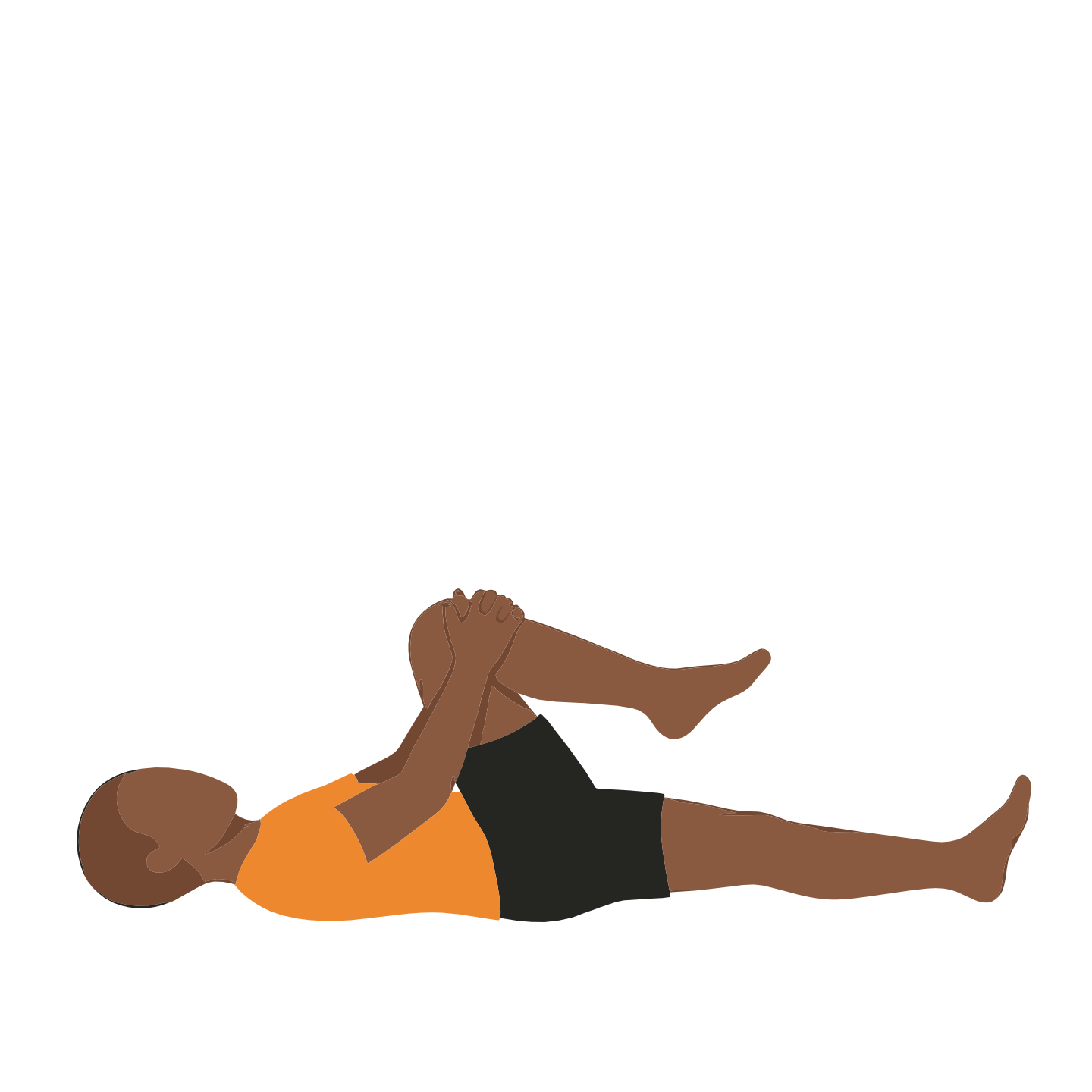
Single Knee to Chest
Lumbar paraspinals, gluteus maximus, posterior hip capsule · 30 seconds per side
  1. Lie flat on your back with both legs extended
  2. Draw one knee toward your belly button using both hands
  3. Hug the shin gently and keep the opposite leg relaxed on the floor
  4. Keep your head and shoulders on the mat
  5. Breathe deeply into the stretch, then switch legs
Why it works
Decompresses the low back after thousands of impact strides; also calms post-run glute tightness.
15
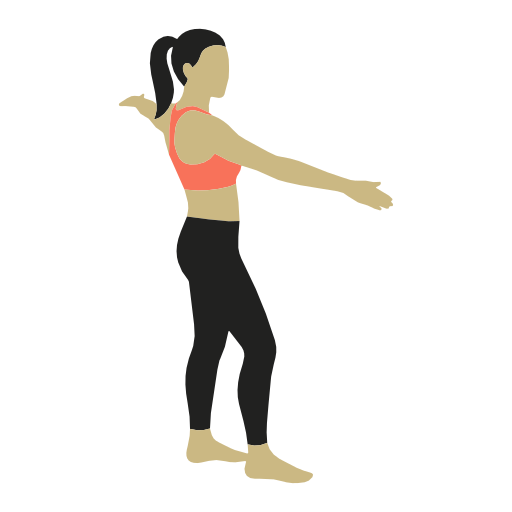
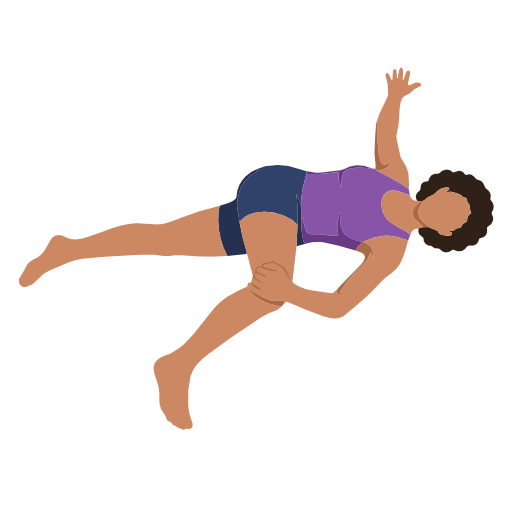
Supine Spinal Twist
Obliques, lumbar paraspinals, glute medius, thoracolumbar fascia · 20-30 seconds per side
  1. Lie on your back and draw one knee toward your chest
  2. Gently guide that knee across your body toward the opposite floor
  3. Extend the same-side arm out to a 'T' to keep the shoulder grounded
  4. Keep both shoulder blades on the floor throughout
  5. Breathe deeply and allow gravity to deepen the twist
Why it works
Restores rotational mobility the repetitive sagittal-plane run takes away, relieving low-back and outer-hip tightness.

The Transition to Recovery

The end of your workout isn't when you stop moving; it's when you start recovering. Static stretching after endurance efforts is the only way to prevent your muscles from 'setting' in a shortened state.[1]

By holding these positions for 30 to 60 seconds, you signal to your brain that the high-intensity phase is over, allowing your body to shift from a 'fight or flight' state into a 'repair and rebuild' state.

Reversing the Desk Posture

If you sit at a desk all day before running, your body spends hours in a shape that resembles a question mark. Your hip flexors are pinched, your chest is closed, and your back is rounded.[2]

Endurance sports happen in a straight line, but recovery happens in three dimensions.

The cool-down routine is your opportunity to pull your body back into an 'exclamation point.' Stretches like the Half-Kneeling Hip Flexor Stretch and the Doorway Chest Stretch directly counter the postural adaptations of sitting, opening up your lung capacity and offloading your lower back.

Managing the Posterior Chain

Running is a series of eccentric 'braking' events. Every time your foot hits the ground, your hamstrings and calves must absorb the impact. Over thousands of strides, these tissues become tight and protective.[3]

The Supine Hamstring Stretch and both Calf Stretches restore the length of the posterior chain. This isn't just about feeling less stiff the next morning; it's about ensuring your muscles can produce the same power and stride length for your next session.

Frequently asked questions

How soon after my workout should I stretch?
Within 10 to 15 minutes. You want to stretch while your core temperature is still elevated and your tissues are most pliable.
Is it okay to feel a pull in my IT band?
You should feel a gentle stretch, never sharp pain. If you feel pinching in the joint, ease off the range.
What if I only have five minutes for a cool-down?
Focus on the Half-Kneeling Hip Flexor Stretch and the Calf Wall Stretch. These address the highest-risk areas for endurance athletes.
Reach is launching soon
Audio cues, hold timers, and sport-specific routines built for athletes who want to stay healthy. Join the waitlist to be first to know when we launch.
1. Mayo Clinic Post-Exercise Guidelines. 2022
2. NHS Sports Recovery Guide. 2021
3. Cleveland Clinic. 2023

More Running guides

Mobility
Rest-Day Mobility Stretches for Runners
Warm-Up
Dynamic Warm-Up Stretches for Runners