 Pickleball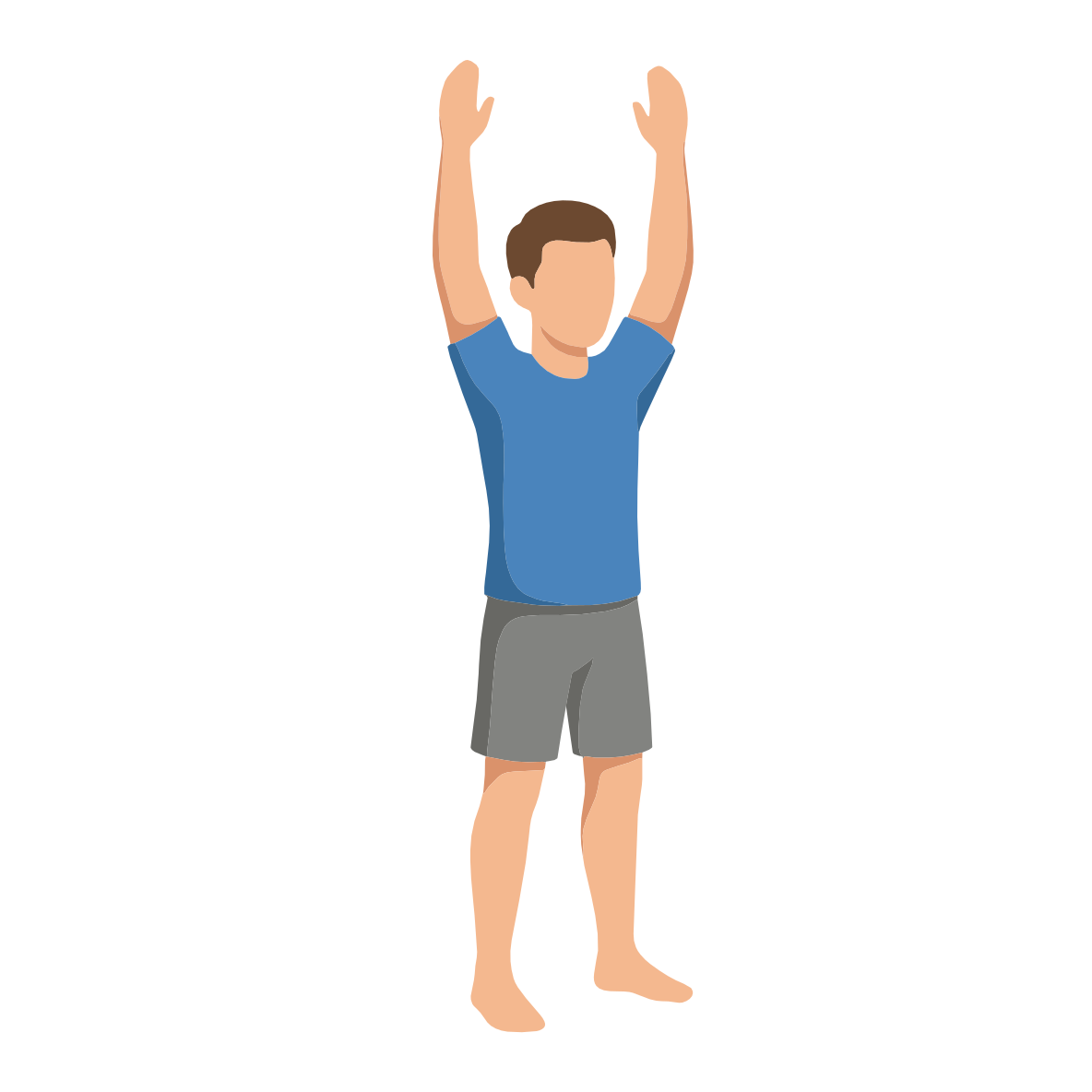
Protecting the High-Risk Zones
Pickleball has a unique injury profile compared to other racquet sports. While many players focus on the shoulder, the most vulnerable area is actually the ankle and Achilles complex.
Studies show that roughly 33% of pickleball injuries occur in the ankle, Achilles, or calf.[1]
The stop-and-start nature of the game, combined with frequent lateral lunges, puts immense strain on your lower legs. If you step onto the court with cold, stiff calves, a sudden reach for a wide dink can easily lead to a strain or tear.
The Problem with Static Stretching
If you are still doing the classic 'reach and hold' before you play, you are following outdated advice. Modern research shows that static stretching before explosive movement can actually reduce your vertical jump and sprint speed.[2]
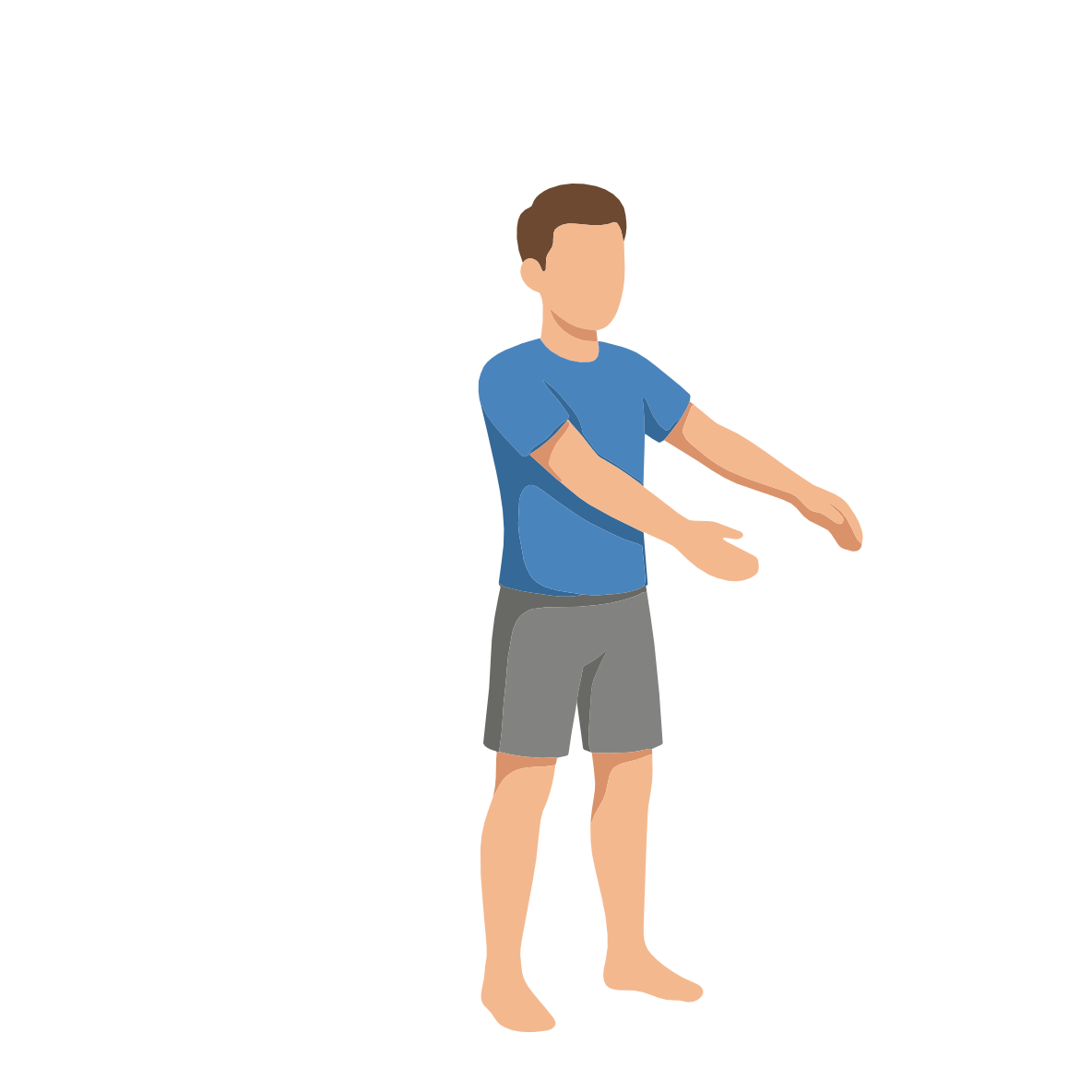
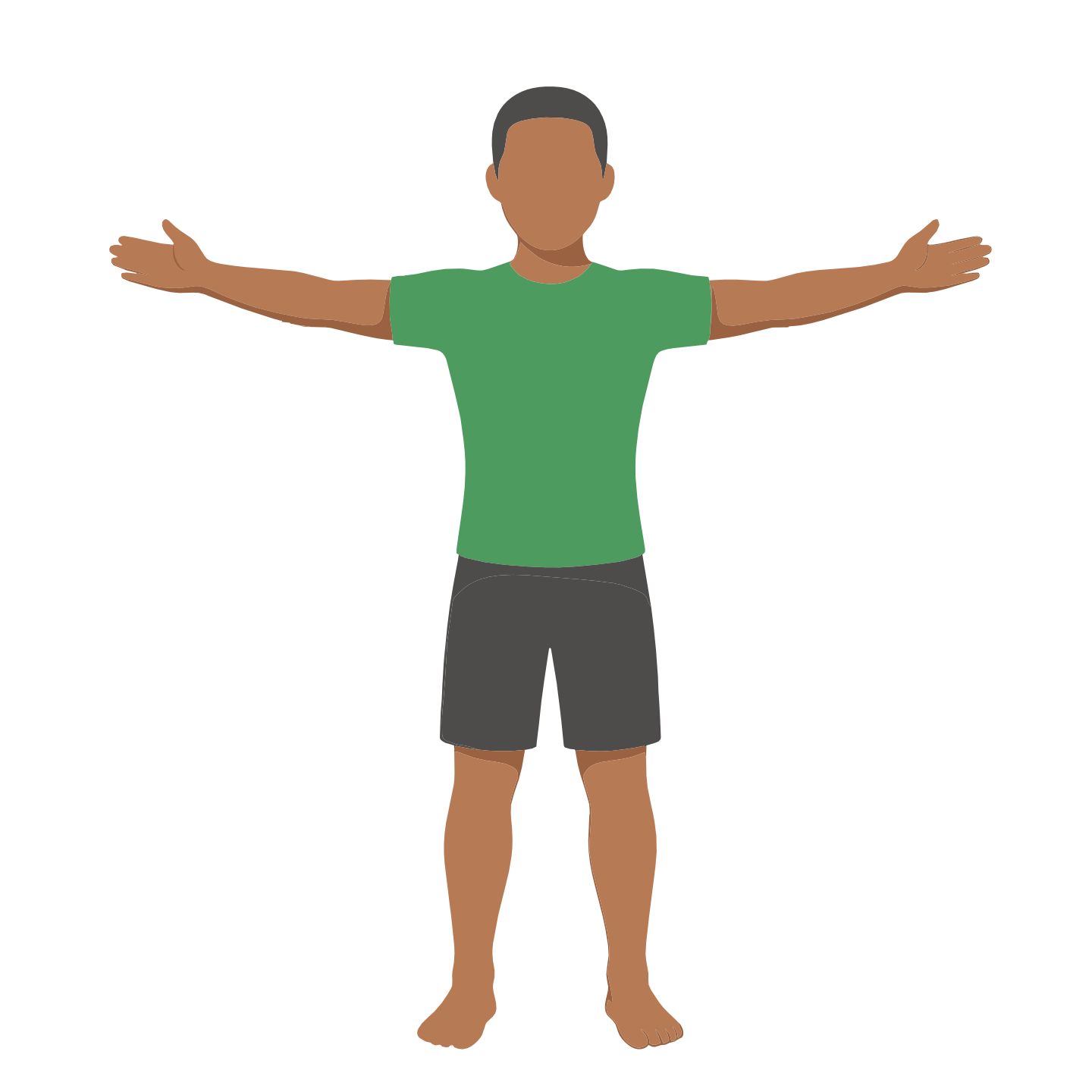
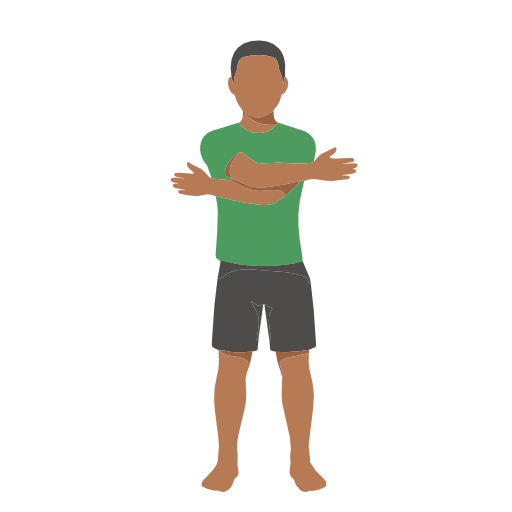
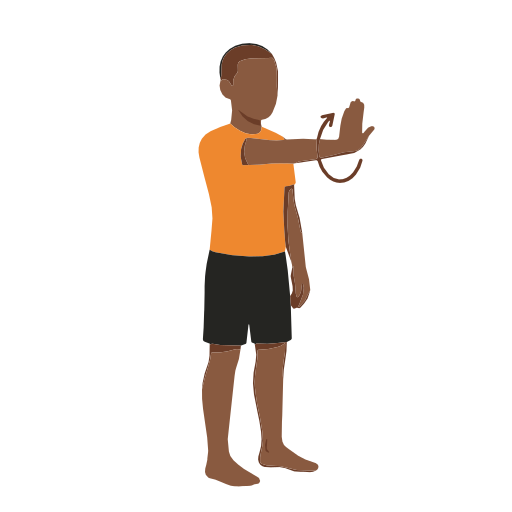
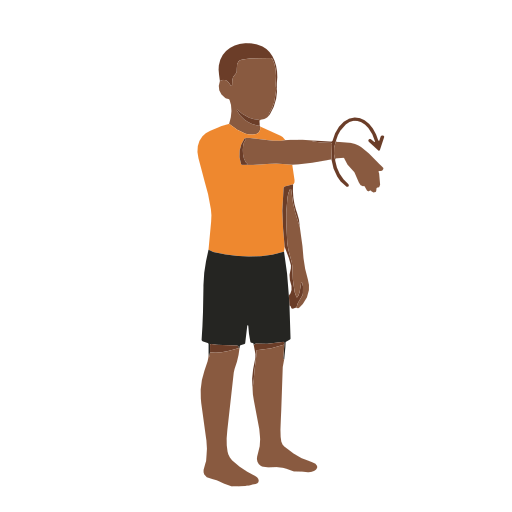
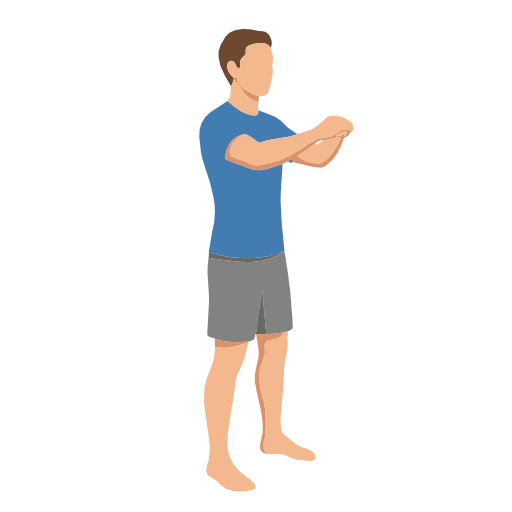
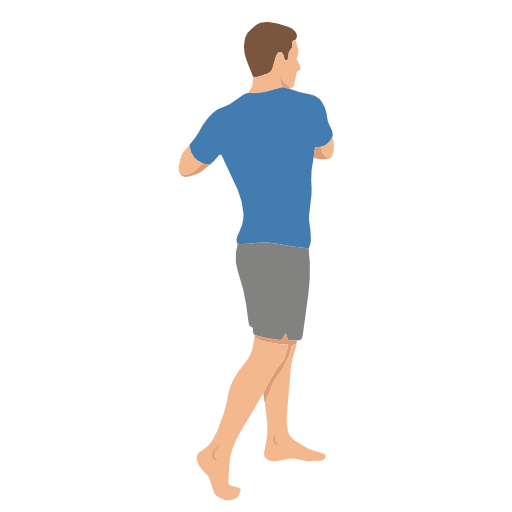
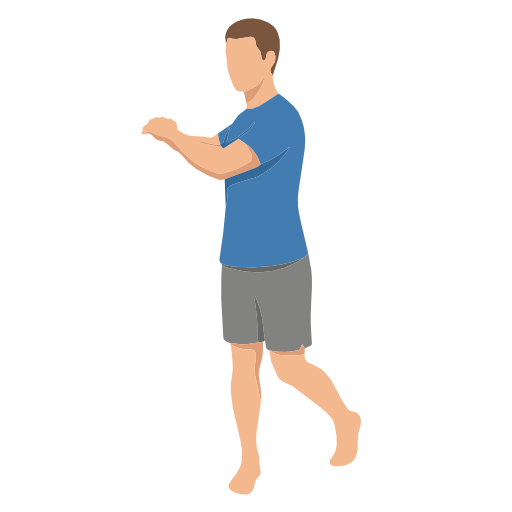
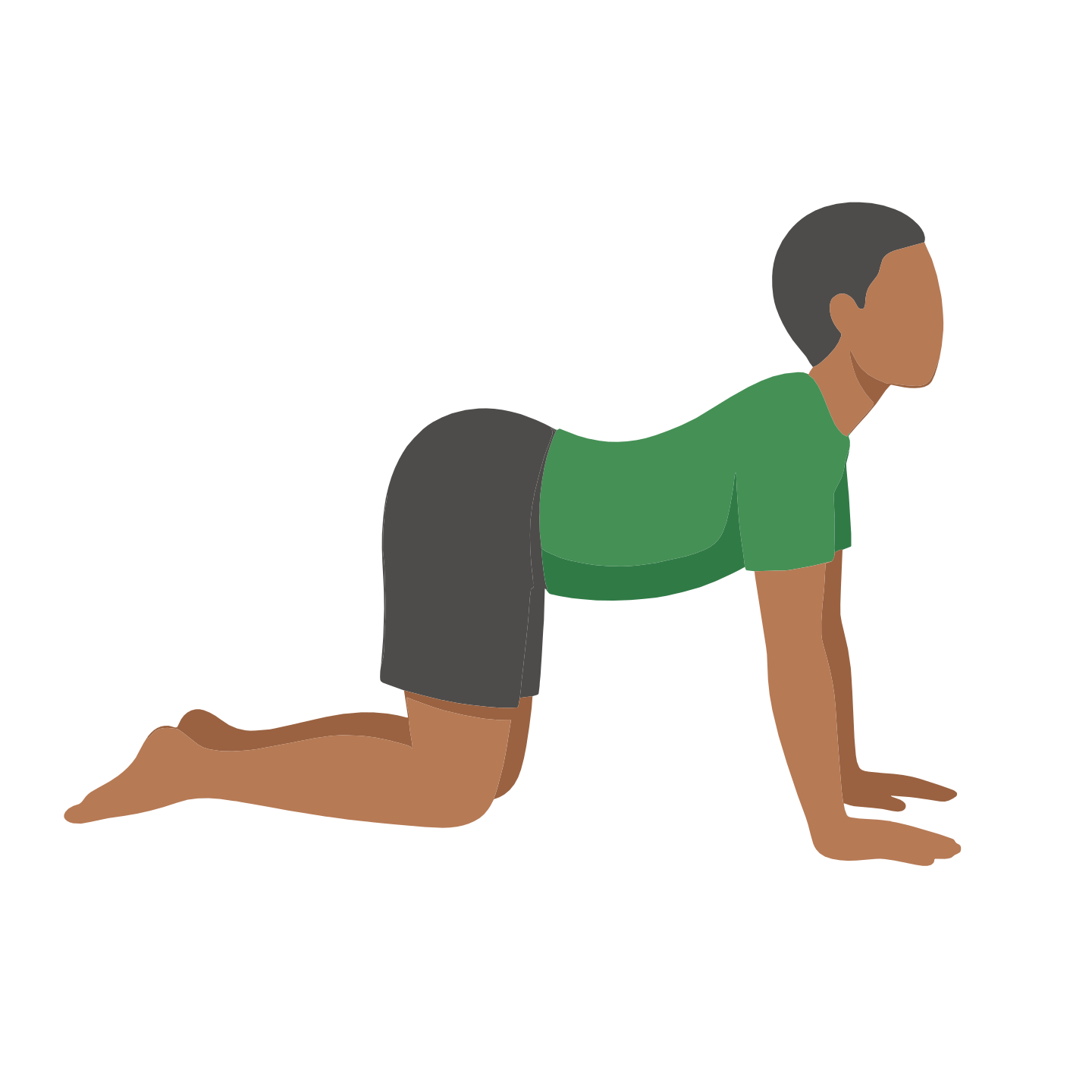
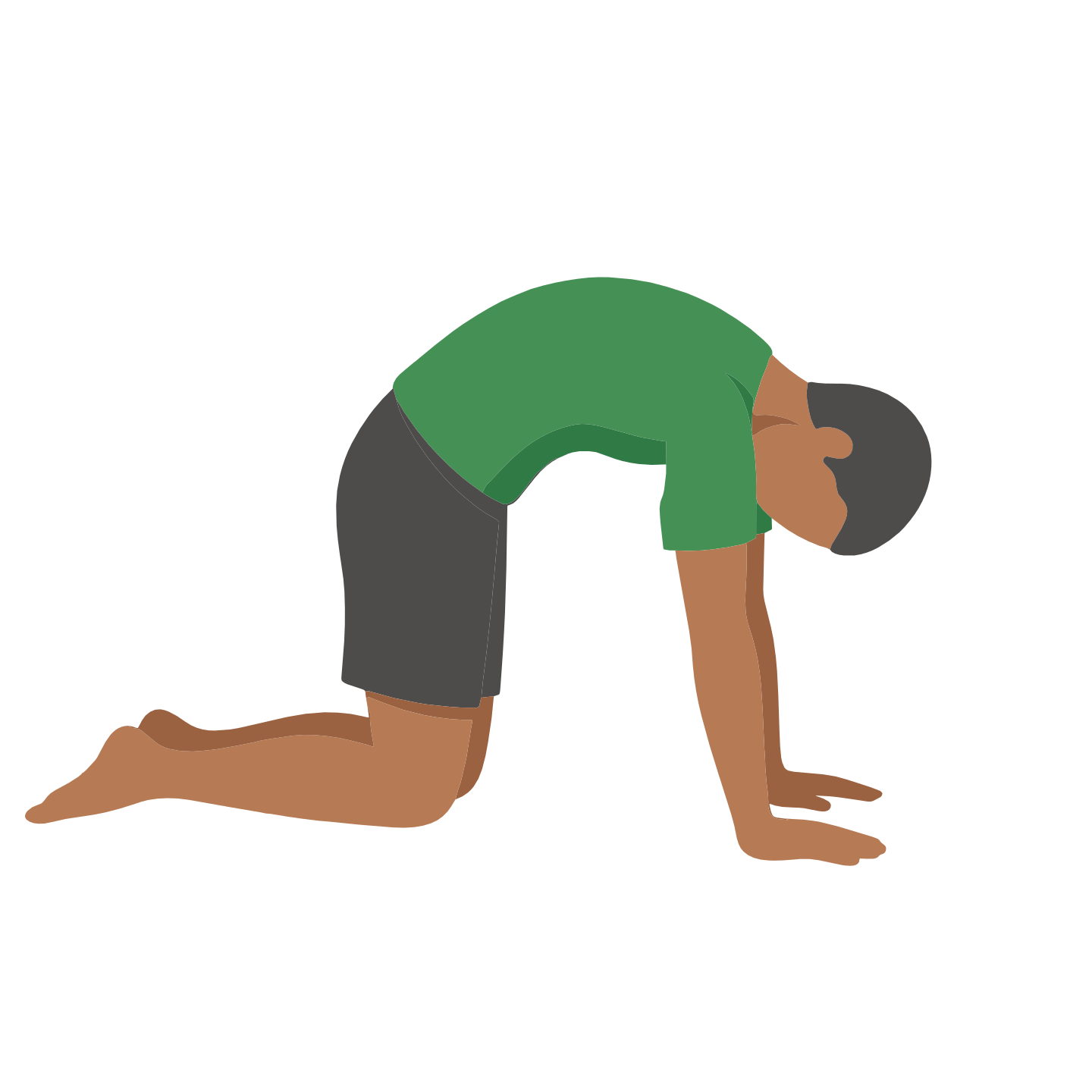
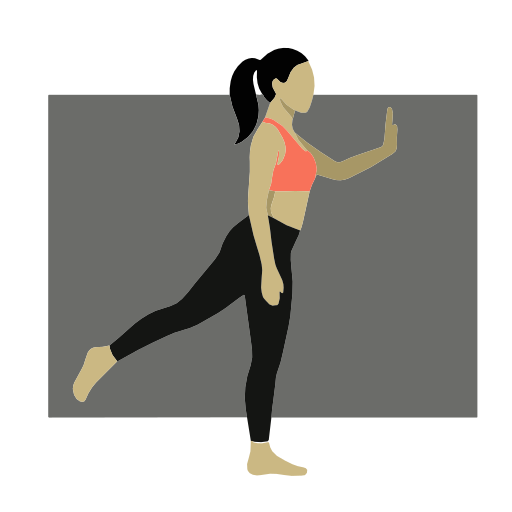
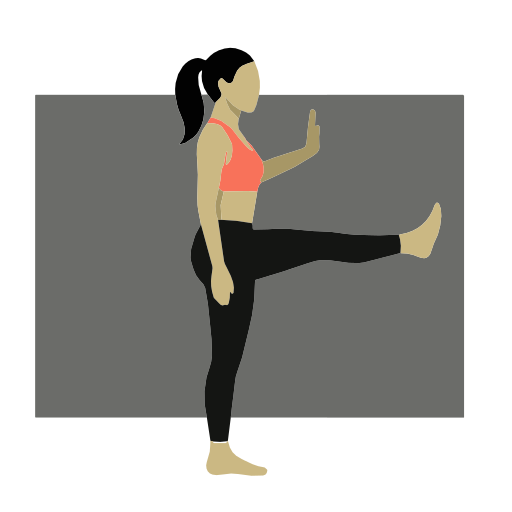
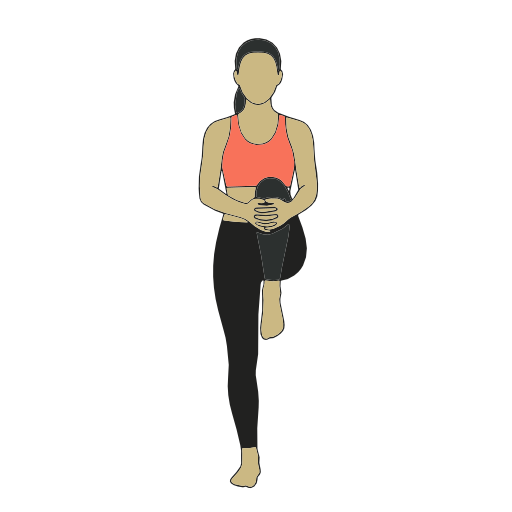
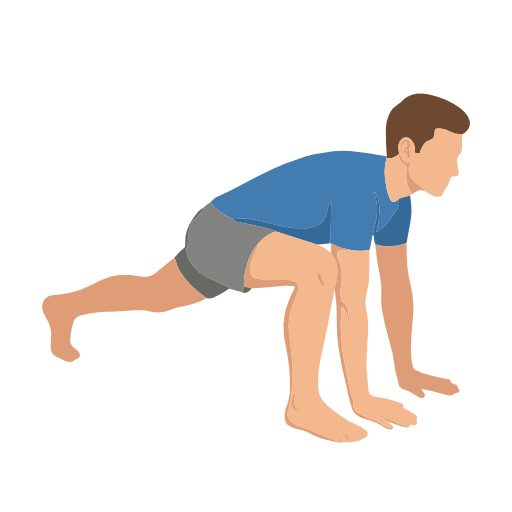
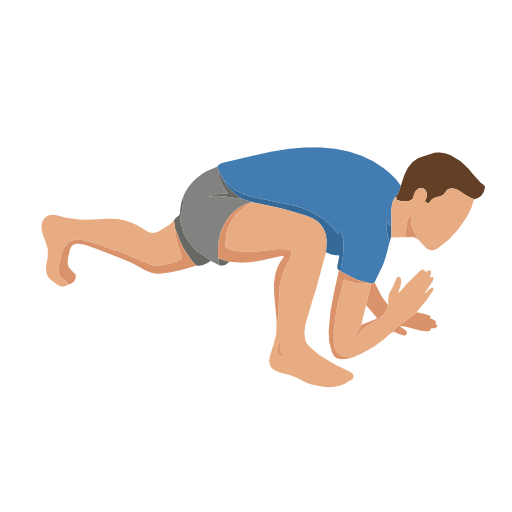
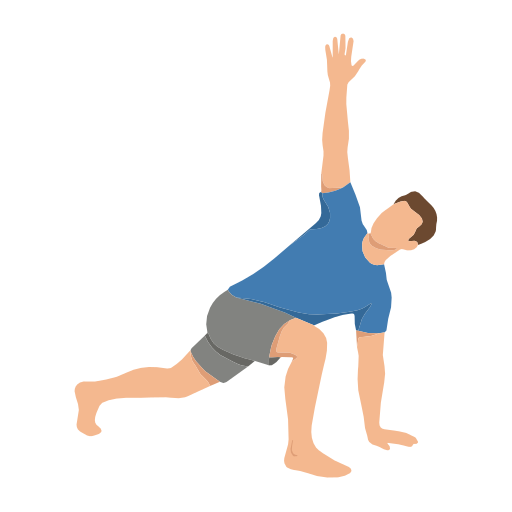
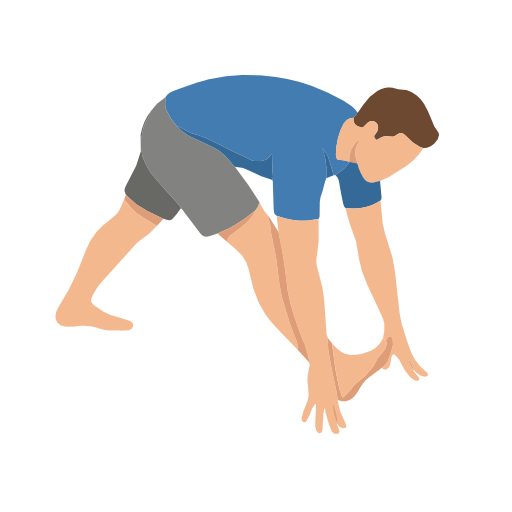
The goal of this routine is to raise your core temperature and wake up your nervous system. By moving through the ranges of motion you'll use during the game, you ensure your tissues are elastic and ready for high-velocity force.
Why the Ankle Fails
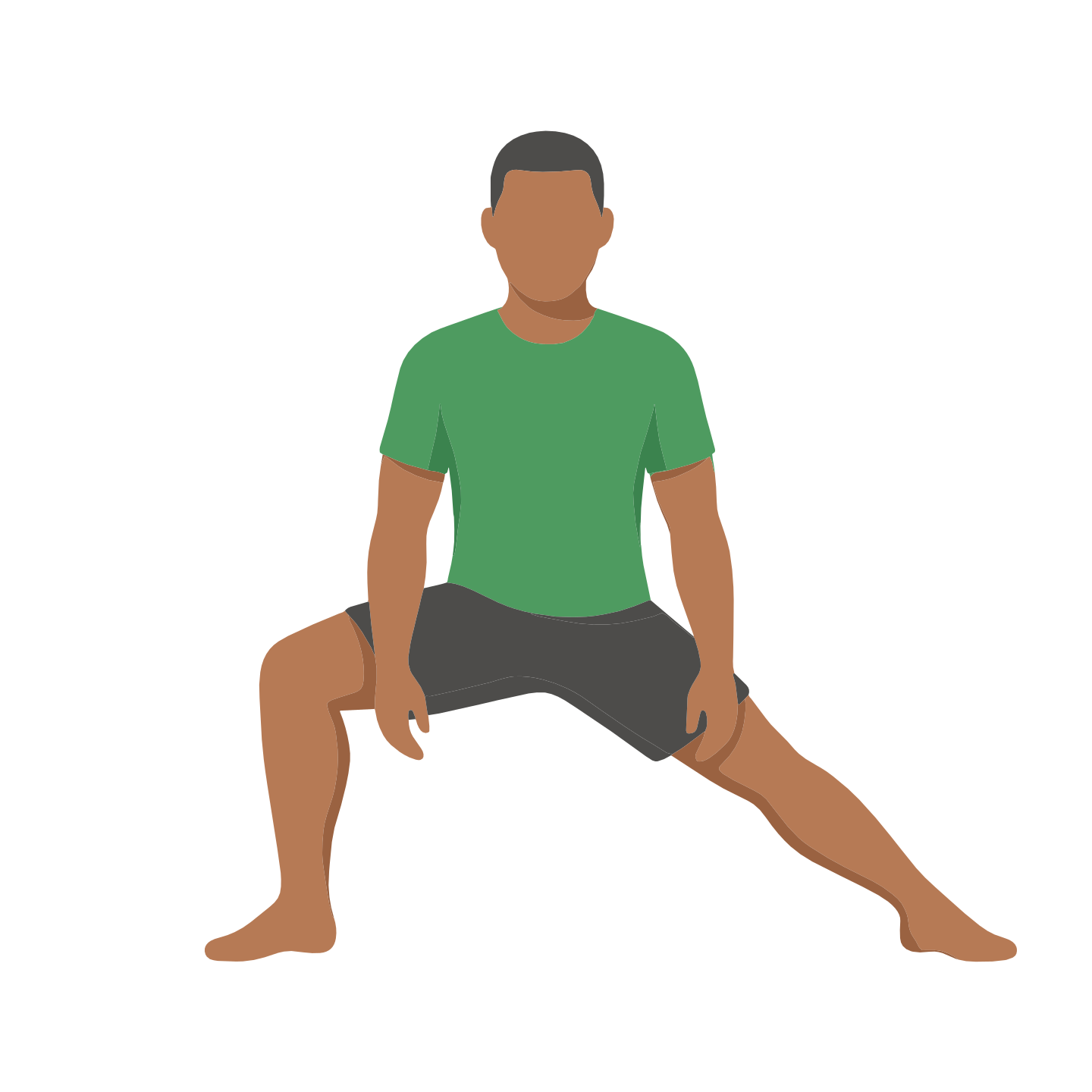
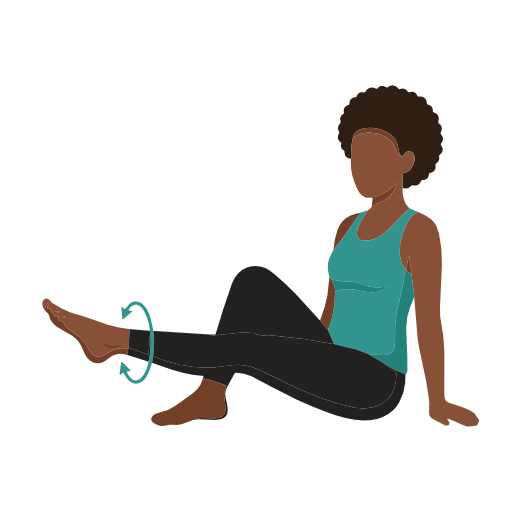
Most acute injuries in pickleball happen during lateral movement. When you lose your balance or overextend for a shot, your ankle stabilizers are the last line of defense. If they haven't been 'primed' with dynamic loading, they can't react fast enough to protect the joint.[3]
By performing the heel-toe walks and lateral lunges in this routine, you are teaching your nervous system to stay alert. You move the load from your joints and tendons to your active, ready muscles. This transition is what keeps you on the court and out of the doctor's office.