 Pickleball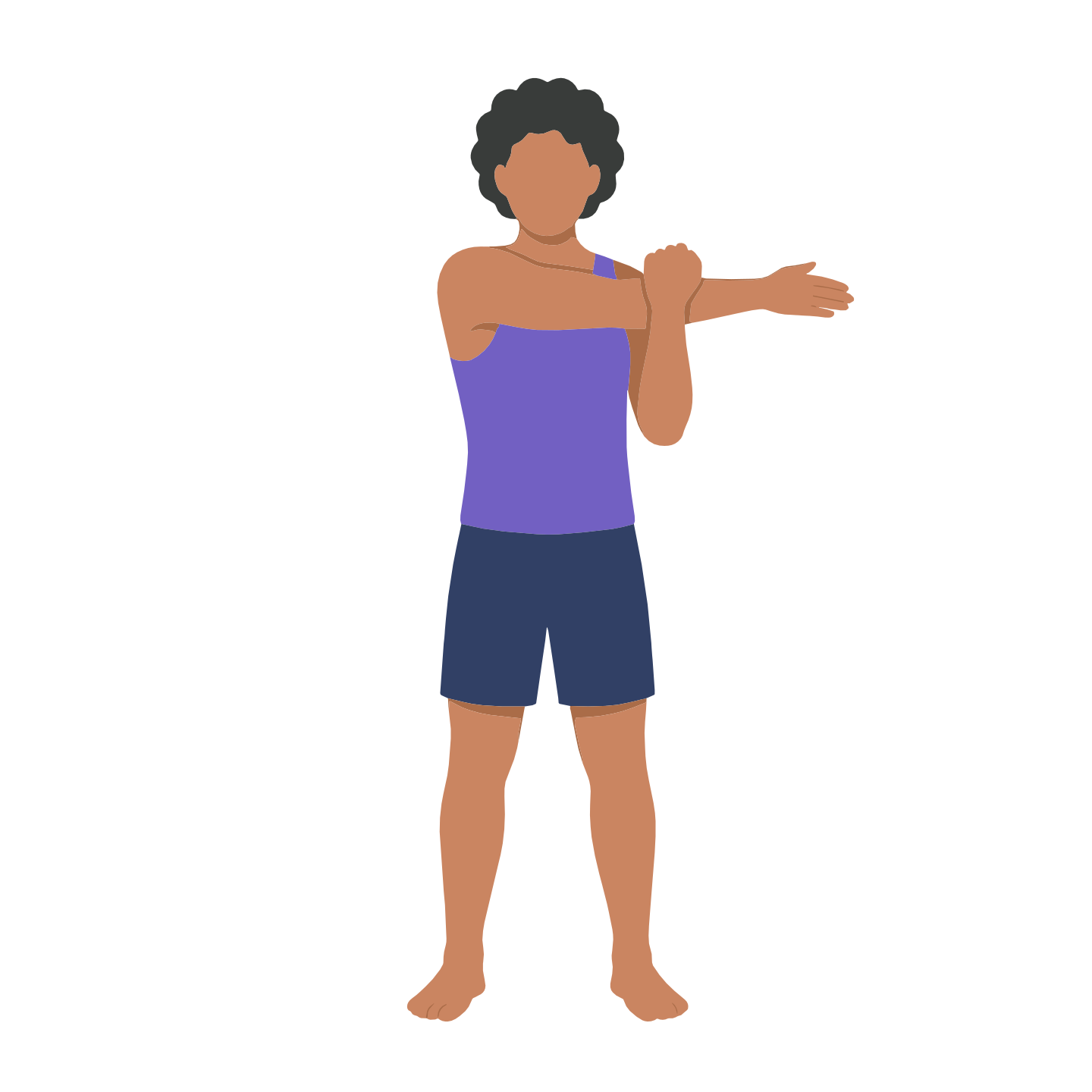
The Golden Window for Recovery
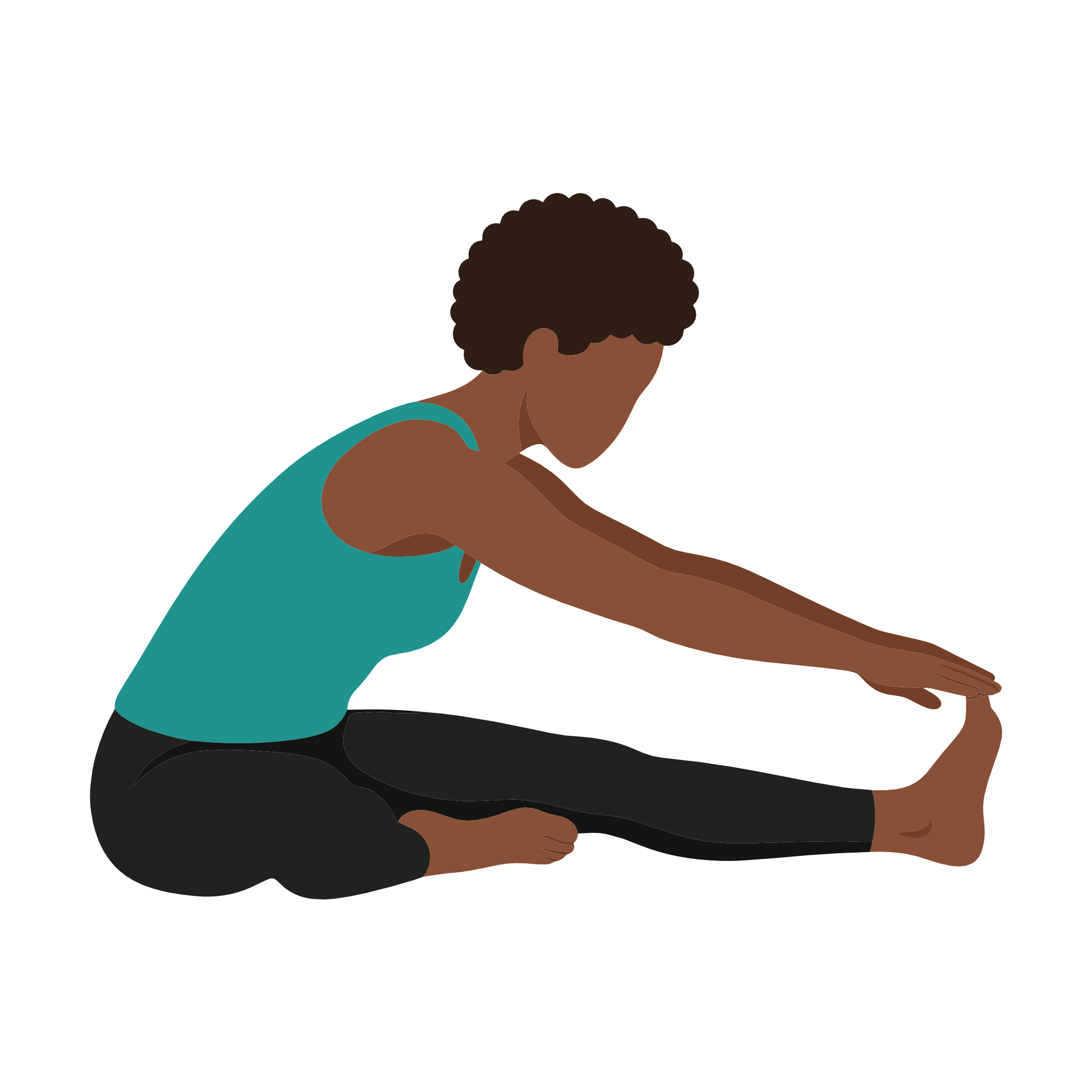
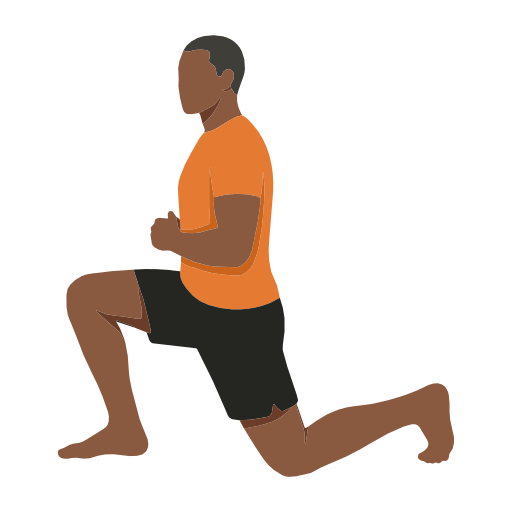
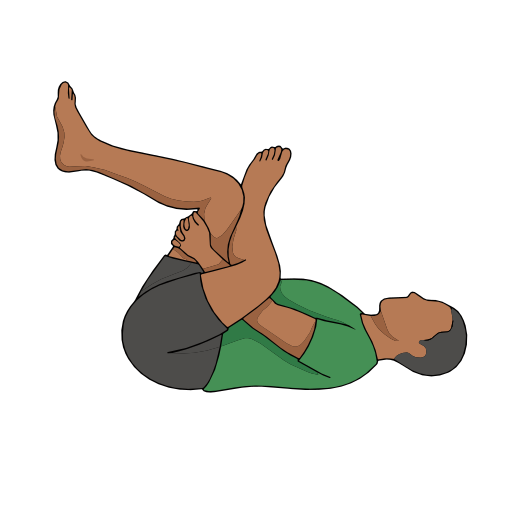
The ten minutes immediately following your match are the most valuable for your long-term health as an athlete. While your core temperature is still elevated, your connective tissue is more pliable and receptive to change.
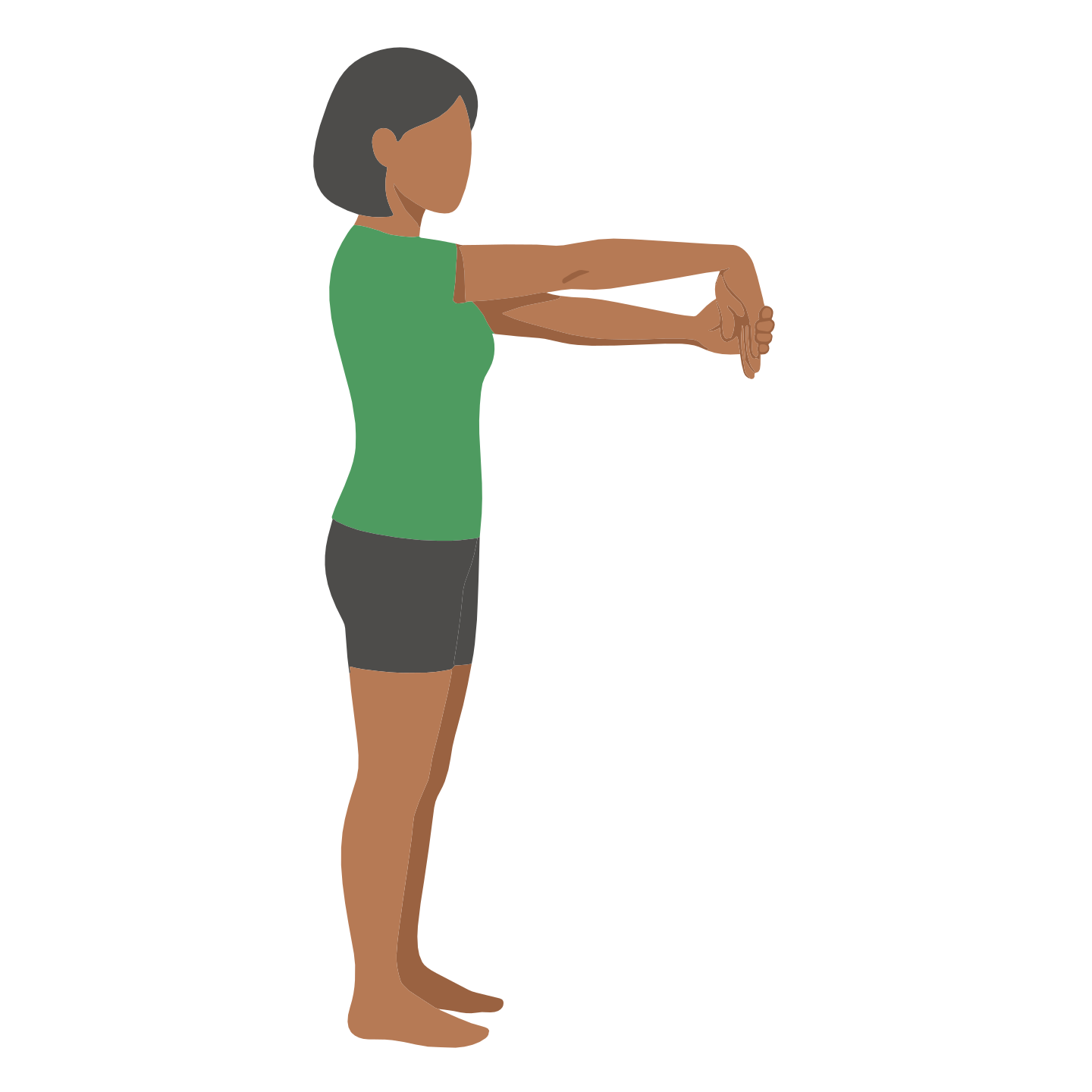
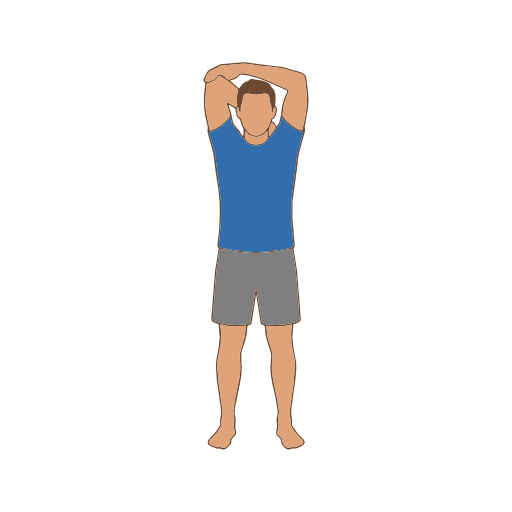
By holding these static positions for 30 seconds, you signal to your nervous system that the 'threat' of the match is over. This transition from a high-alert state to a recovery state is what prevents chronic stiffness from setting in.[1]
Protecting the Posterior Capsule
In racquet sports, the back of the shoulder tends to get tight and thick from the constant deceleration of the arm. This is a survival mechanism, but it has a downside.
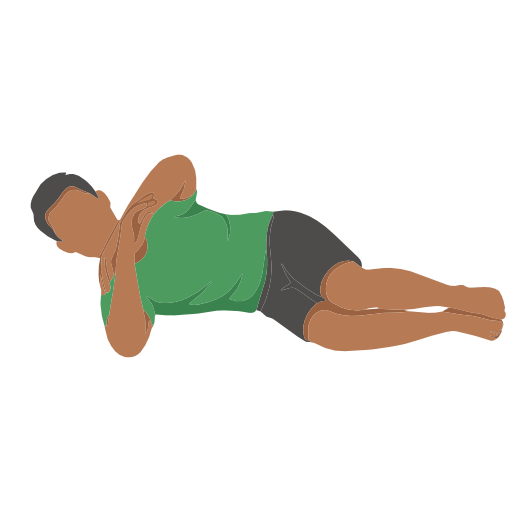
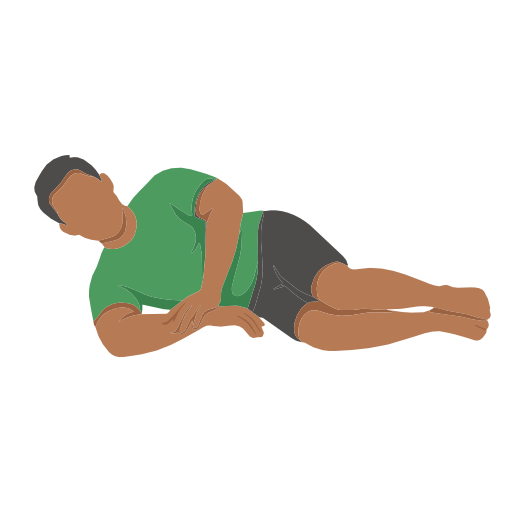
Tightness in the posterior capsule can 'push' the ball of your shoulder joint forward, leading to impingement.[2]
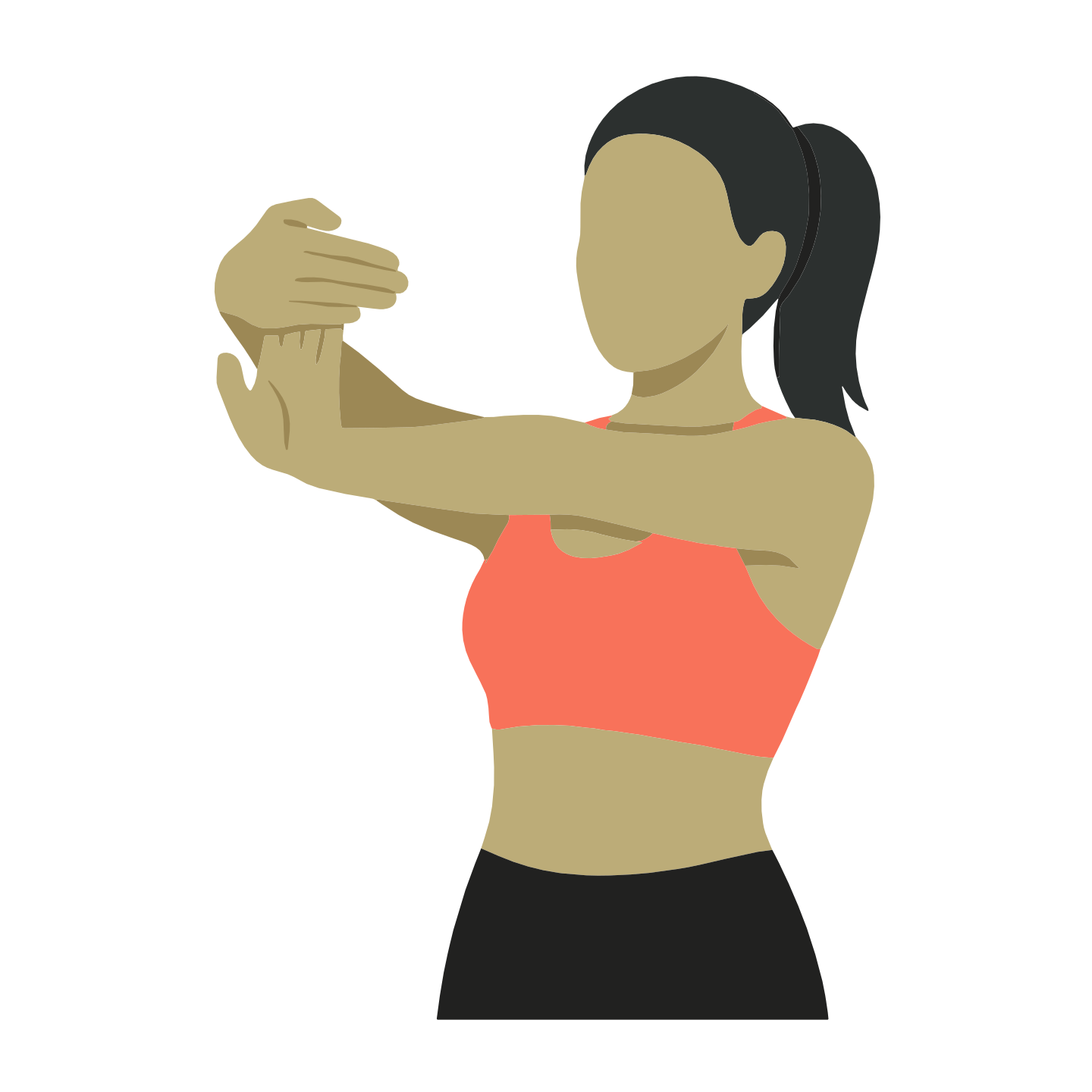
Stretches like the Cross-Body and Sleeper Stretch are your primary defense. They ensure your shoulder stays centered in the socket, allowing you to hit overheads without that familiar 'pinching' sensation the next morning.
Addressing the Achilles Risk
The Achilles tendon is the most frequently injured structure in pickleball. The high-velocity starts and stops required at the kitchen line put massive load on the lower leg.[3]
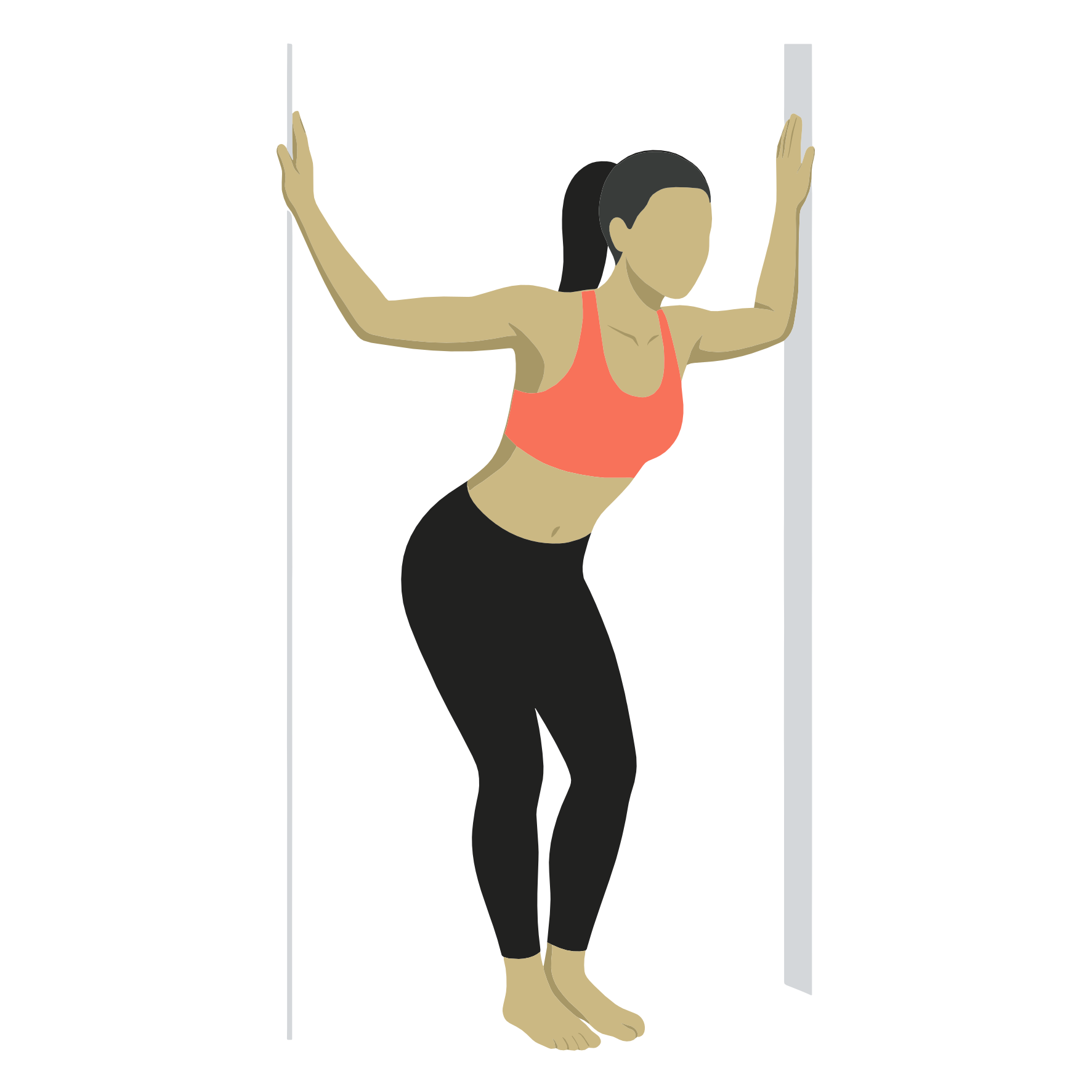
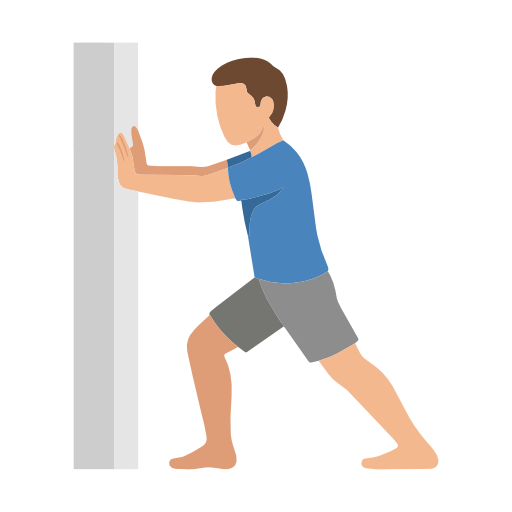
If you walk straight from the court to your car, those tissues cool down in a shortened, tight state. The Standing Wall Calf Stretch (done with both a straight and bent knee) targets the two major muscles of the calf, ensuring the Achilles maintains the elasticity it needs for your next session.