← Back to library
Pickleball·Mobility
·8 min read

Pickleball Mobility Stretches: Daily Maintenance Between Sessions

Daily mobility work for pickleball should prioritize thoracic rotation and hip internal rotation to prevent compensatory stress on the lower back and knees.

Stretching alone isn't a magic shield, but maintaining range of motion in your posterior shoulder, hip flexors, and Achilles is the foundation of a long pickleball career. These maintenance exercises are designed for your off-days to reset the chronic 'tightness' that high-intensity play creates.

The Recommended Routine

1
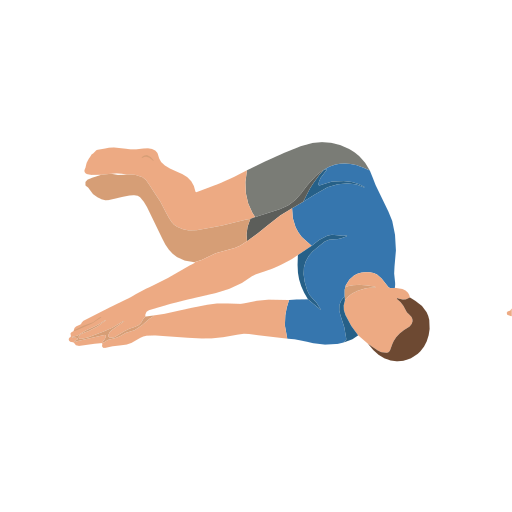
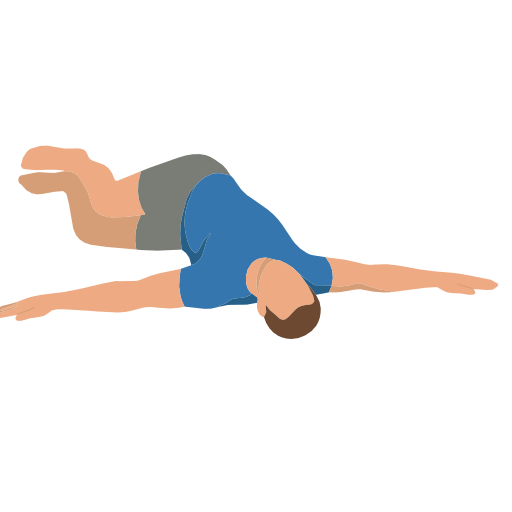
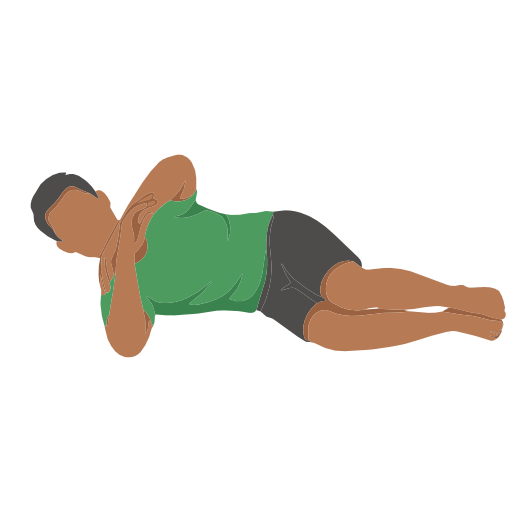
Thoracic Open Book
Mid-Back (Thoracic) · 10 reps per side
  1. Lie on your side with both knees stacked at 90 degrees
  2. Extend the top arm forward on the floor at shoulder height
  3. Slowly rotate the top arm open toward the floor behind you, following with the eyes
  4. Let the shoulder and chest open as far as they will comfortably go
  5. Return and repeat before switching sides
Why it works
Restoring mid-back rotation offloads the lumbar spine and shoulders during overheads and reaching shots.
2
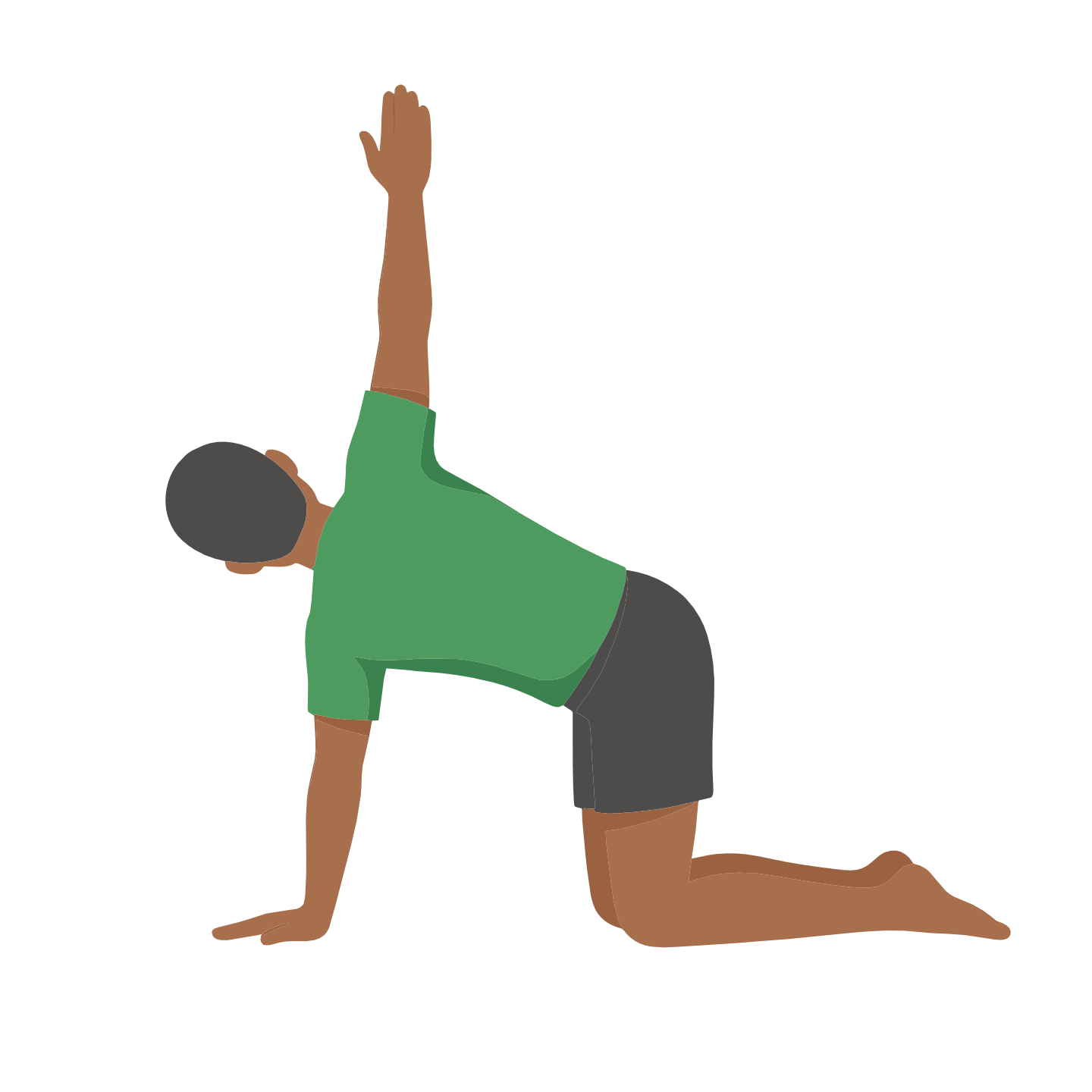
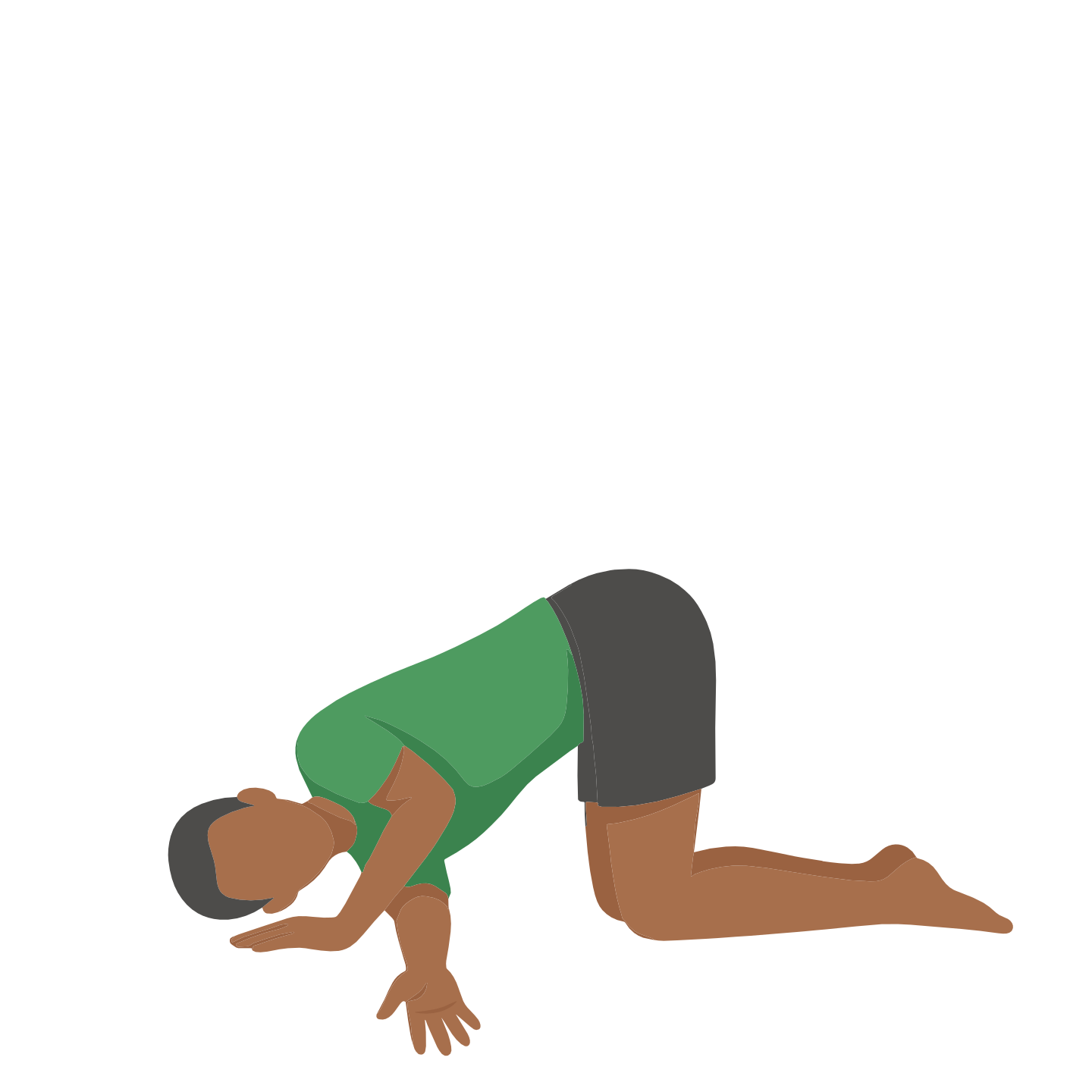
Thread the Needle
Shoulders and Upper Back · 30 seconds
  1. Start on all fours with wrists under shoulders
  2. Reach one arm toward the ceiling to open the chest
  3. Slide that arm underneath the body, threading through until the shoulder and ear rest on the mat
  4. Keep the hips high and stacked over the knees
  5. Hold, then slowly return and switch sides
Why it works
Addresses both mid-back rotation and the back of the shoulder capsule simultaneously.
3
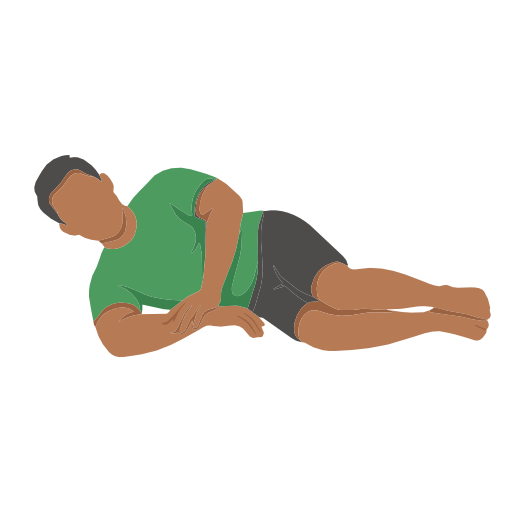
Sleeper Stretch
Rotator Cuff · 30 seconds
  1. Lie on your side with the bottom arm extended straight out from the shoulder
  2. Bend the bottom elbow to 90 degrees, hand pointing toward the ceiling
  3. Use your top hand to gently press the bottom hand toward the floor (internal rotation)
  4. Stop when you feel a stretch in the back of the shoulder, do not force it
Why it works
Targeted maintenance for the most common shoulder deficit found in overhead athletes.
4
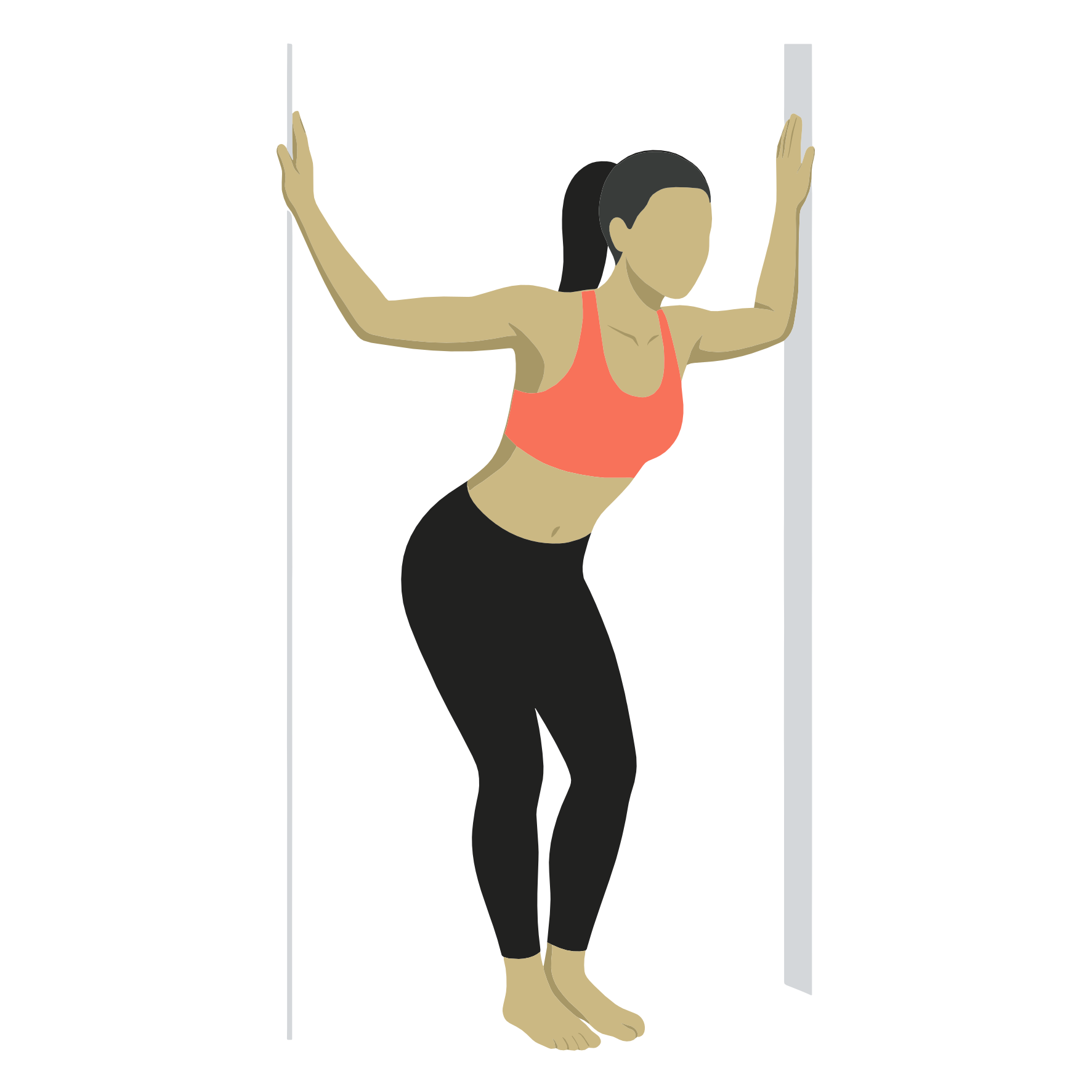
Doorway Chest Stretch
Chest · 45 seconds
  1. Place hands on a wall, chair, or door frame at shoulder height
  2. Lean your torso forward between your arms until a stretch is felt across the chest
  3. Keep a slight bend in the elbows
  4. Hold the stretch without bouncing
  5. Breathe deeply and let the chest expand with each inhale
Why it works
Restores scapular position, which is key for preventing chronic shoulder impingement.
5
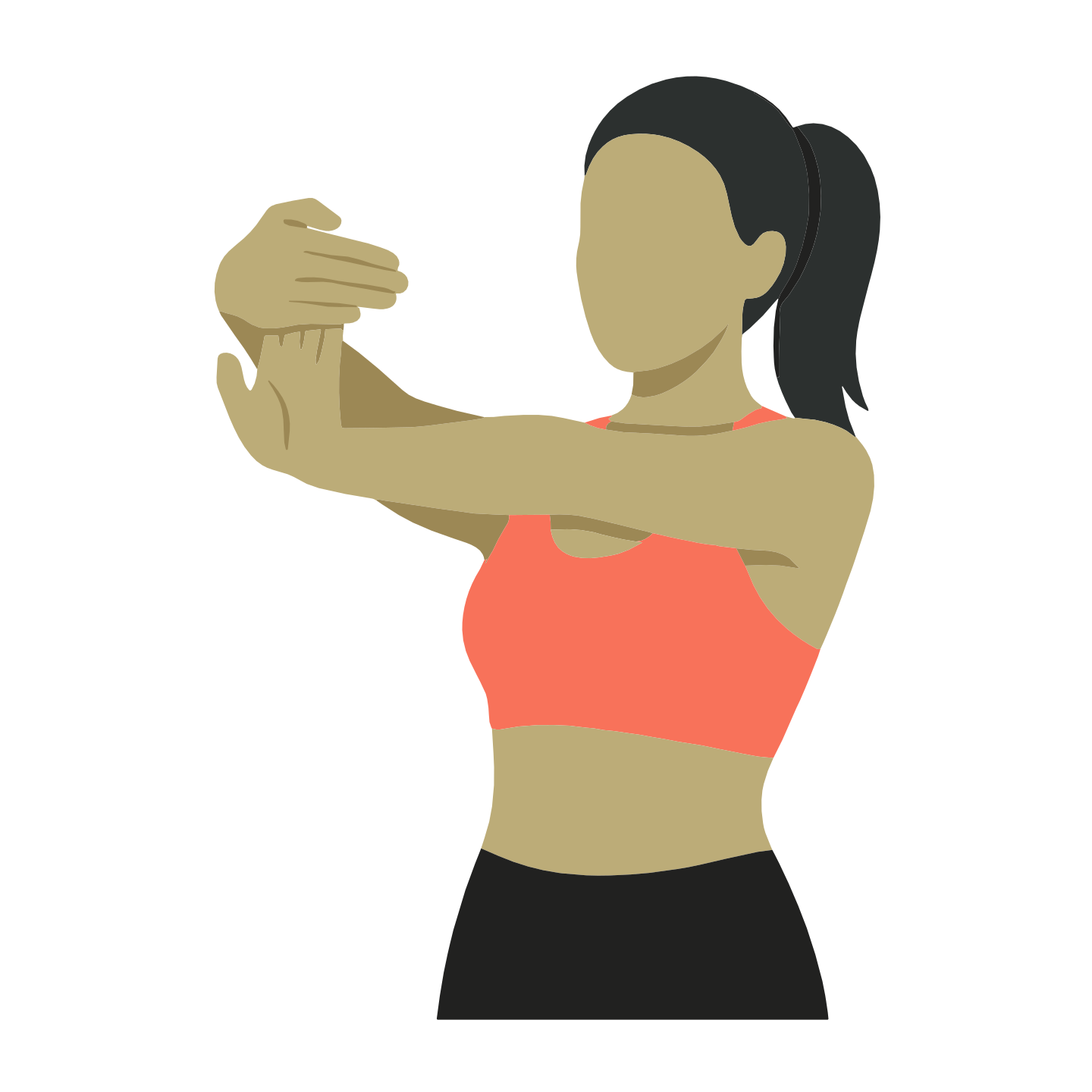
Wrist Flexor Stretch
Forearms · 45 seconds
  1. Extend one arm in front of you with the palm facing up
  2. Use the opposite hand to gently pull the fingers back toward your body
  3. Keep the elbow straight for maximum forearm stretch
  4. Hold, breathe, and switch sides
  5. Ease off if you feel any sharp pain in the elbow
Why it works
Reduces chronic tendon strain at the elbow caused by repetitive paddle strikes.
6
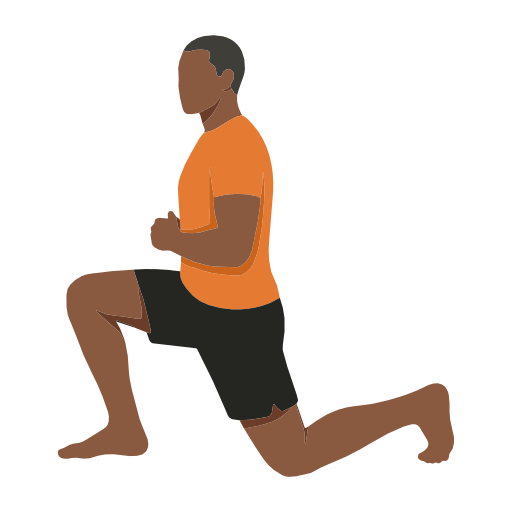
Half Kneeling Hip Flexor
Hip Flexors · 45 seconds
  1. Assume a half-kneeling position (one knee down, one foot forward)
  2. Tuck your pelvis slightly (posterior tilt) to engage the glute of the down leg
  3. Shift your weight slightly forward without arching your lower back
  4. Maintain a tall posture
Why it works
Maintaining hip flexor length is the most effective way to reduce pickleball-related back pain.
7
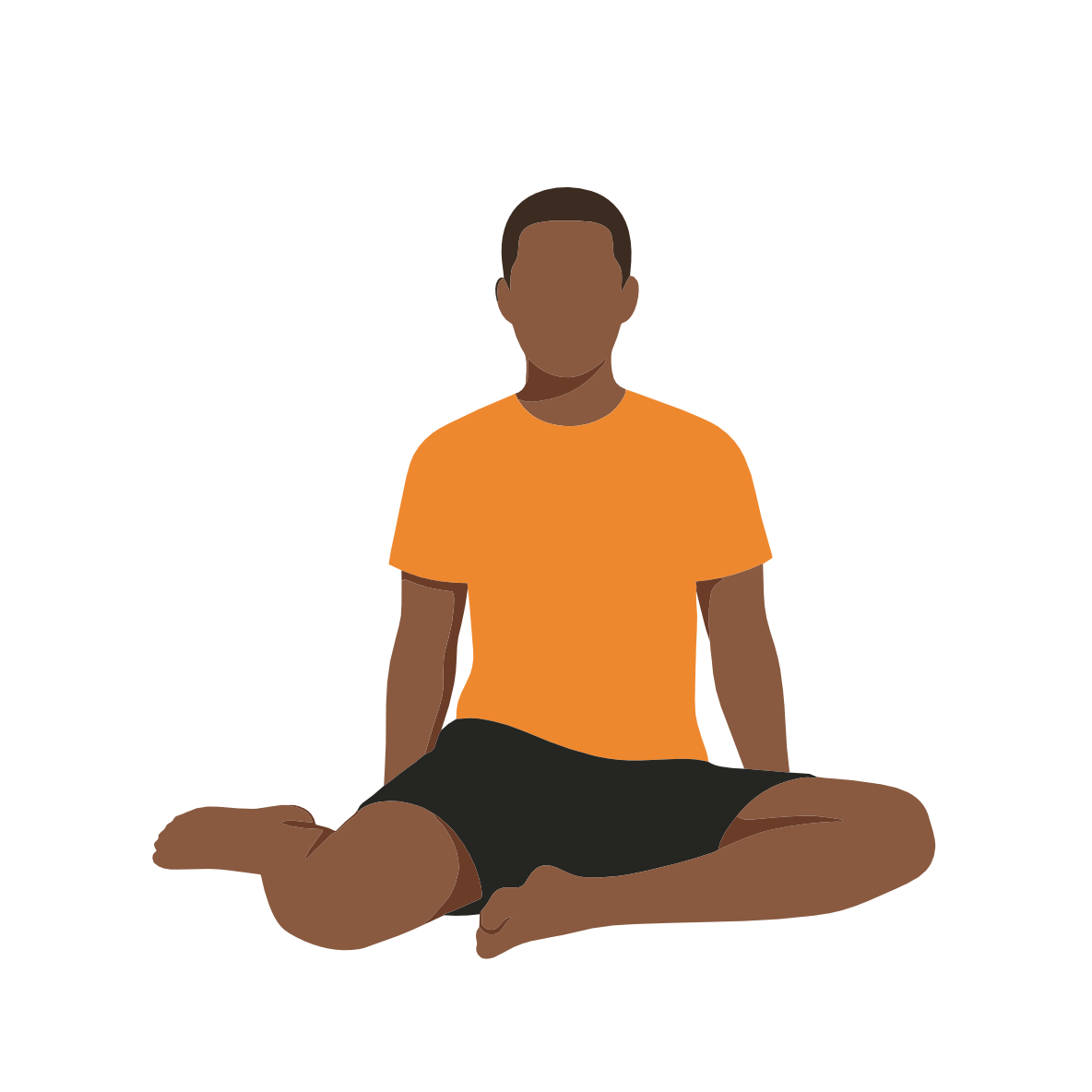
90/90 Hip Switches
Deep Hip Rotators · 60 seconds
  1. Sit with both legs bent at 90-degree angles, one in front, one to the side
  2. Keep both hands on the floor behind you for support
  3. Rotate both legs to switch sides smoothly, the rear leg swings forward
  4. Try to keep hips planted on the floor throughout
  5. Work to sit upright without leaning heavily on your hands
Why it works
Restores hip rotation, preventing your knees from taking the 'twist' during lateral cuts.
8
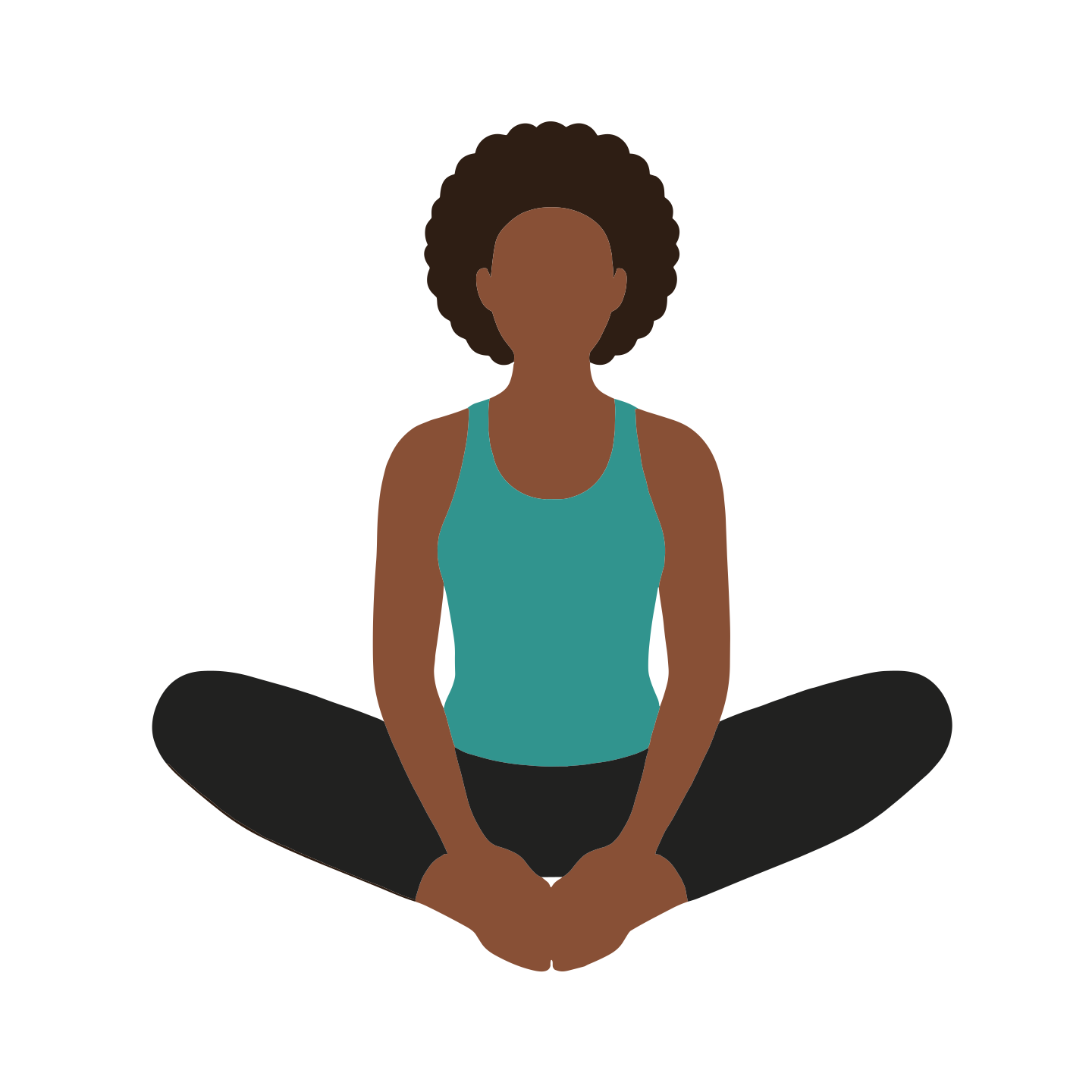
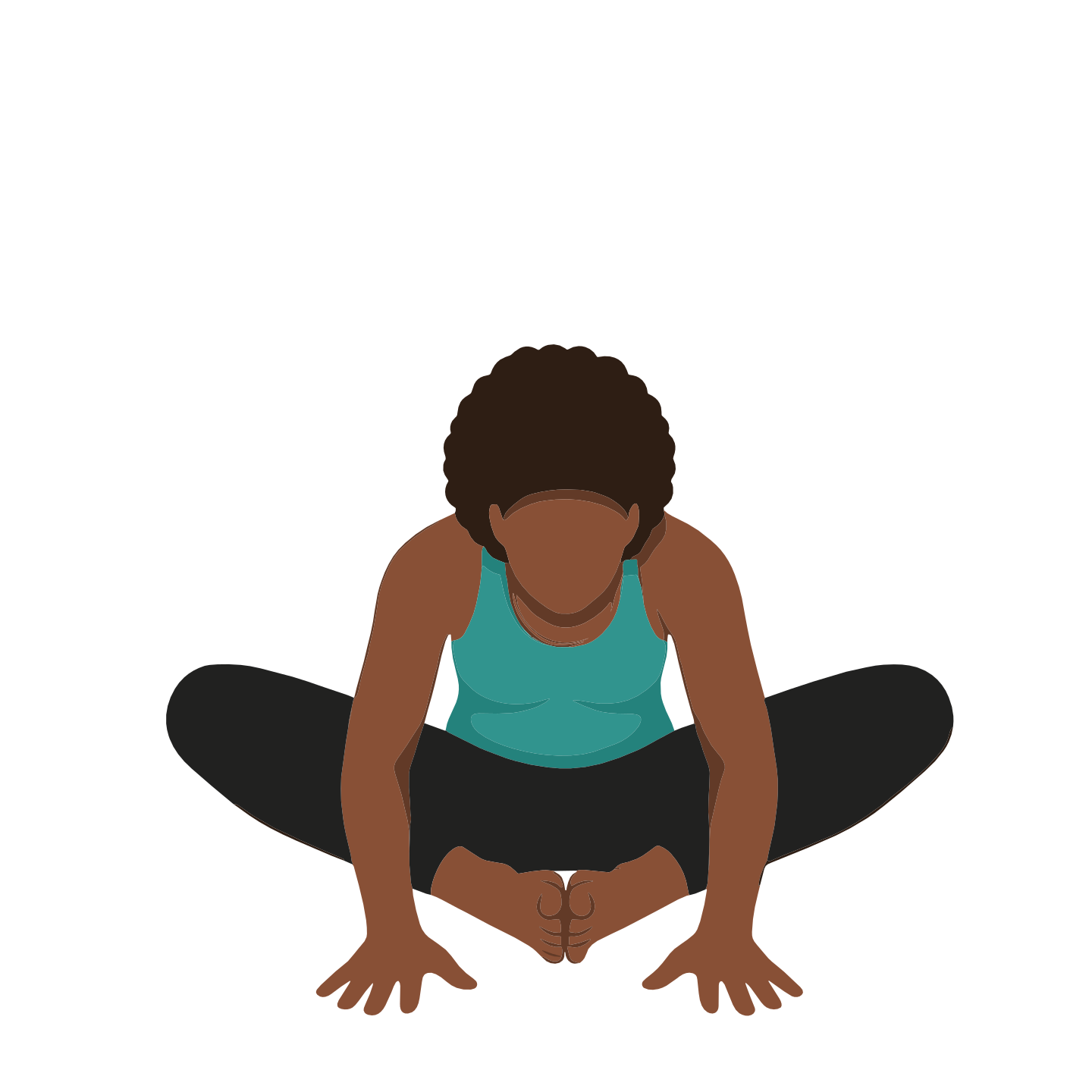
Butterfly Stretch
Inner Thigh · 45 seconds
  1. Sit on the floor and bring the soles of your feet together
  2. Hold your feet and sit tall with a long spine
  3. Gently press your knees toward the floor using your elbows
  4. Hinge slightly forward from the hips to deepen the stretch
  5. Do not force the knees down, let gravity do the work
Why it works
Preserves the flexibility needed for a stable and wide split-step at the kitchen line.
9
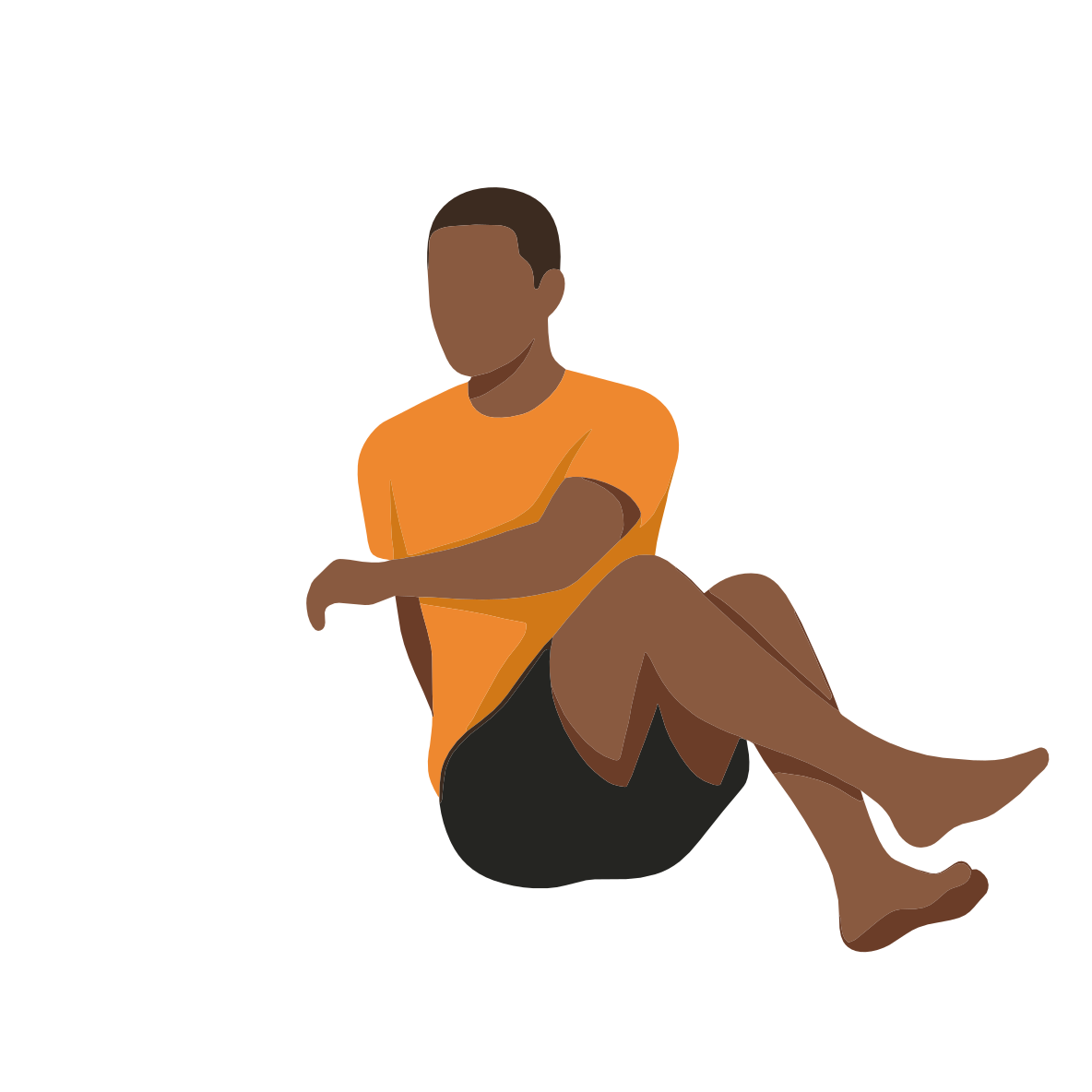
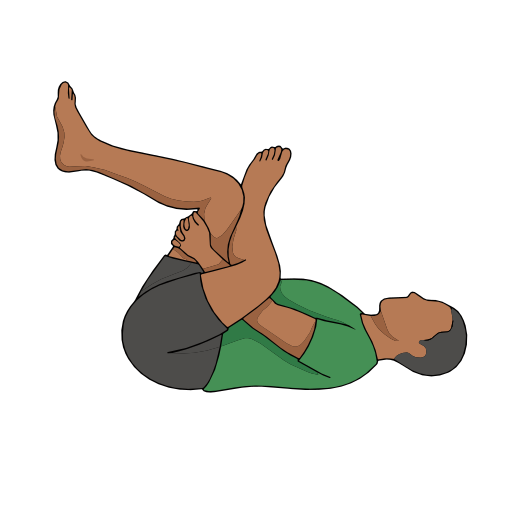
Lying Figure-4
Glutes · 30 seconds
  1. Lie on your back with both knees bent and feet flat on the floor
  2. Cross one ankle over the opposite knee in a figure-4 shape
  3. Pull the bottom thigh toward your chest, threading your hands through or around
  4. Keep your head and shoulders relaxed on the floor
  5. Hold, breathe deeply, then switch sides
Why it works
Relieves tension in the glutes and sacroiliac joint after rotational play.
10
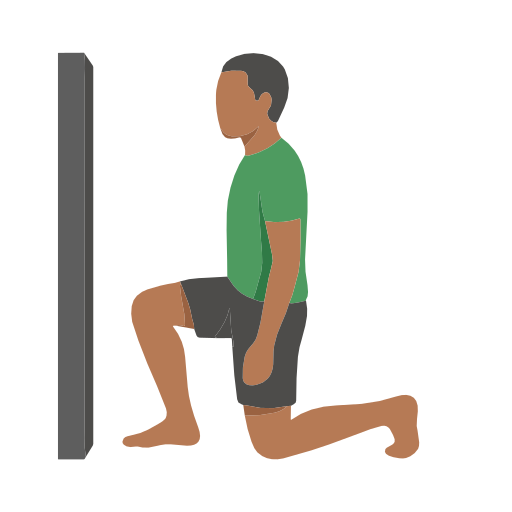
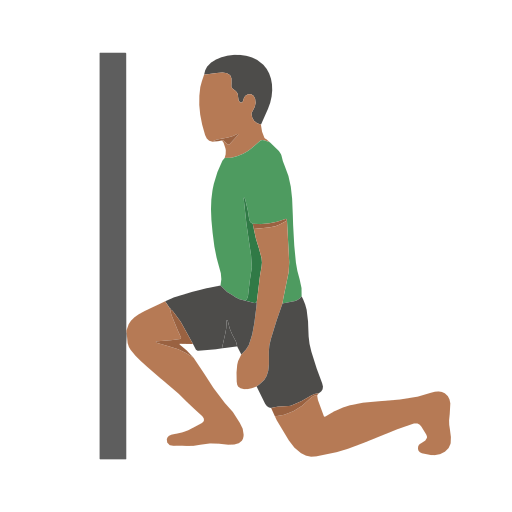
Knee-to-Wall Ankle Dorsiflexion
Ankles · 15 reps per side
  1. Stand facing a wall with one foot a few inches away
  2. Keep your heel planted firmly on the floor
  3. Drive your knee forward over your toes to touch the wall
  4. Move the foot back slightly if it's too easy, keeping the heel down
Why it works
Limited ankle range is a major risk factor for acute lateral ankle sprains on the court.

Mobility vs. Flexibility

It's important to understand the difference between being flexible and being mobile. Flexibility is the passive length of a muscle; mobility is your ability to move a joint through its full range of motion. For the active pickleball player, maintenance work on your non-playing days is what builds structural resilience.[1]

These exercises focus on the areas that get most restricted by the repetitive nature of the sport. By performing them consistently, you are essentially 'resetting' your joints for the next match.

The 90/90 Rule

One of the most important exercises in this list is the 90/90 Hip Stretch. Most pickleball injuries in the knee and lower back are actually compensation injuries.

When your hips lose their ability to rotate internally, your body forces that rotation into the next available joints: the knee and the lumbar spine.[2]

Neither of those joints is designed to handle that rotational load. By keeping your hips mobile, you protect your entire kinetic chain and keep the stress where it belongs, in your active muscles.

Training the Ankle

The ankle is the foundation of every move you make on the court. If your ankle dorsiflexion (the ability to bring your toes toward your shin) is restricted, your body will find that range elsewhere, often by 'collapsing' the arch of your foot or twisting your knee.[3]

The Knee-to-Wall Ankle Mobs are a simple way to test and improve this range daily. Maintaining this mobility is one of the best predictors of whether you'll walk off the court or be carried off after a lateral ankle sprain.

Frequently asked questions

How often should I do this mobility routine?
Three to five days per week is ideal. Consistency is more important than intensity when it comes to long-term mobility changes.
Can I do these stretches while watching TV?
Absolutely. These are low-intensity maintenance moves that are perfect for a relaxed evening routine.
What if one side is much tighter than the other?
That is common in racquet sports. Spend an extra 30 seconds on your 'tight' side to help restore symmetry across your kinetic chain.
Reach is launching soon
Audio cues, hold timers, and sport-specific routines built for athletes who want to stay healthy. Join the waitlist to be first to know when we launch.
1. Garber CE et al. ACSM Position Stand. 2011
2. Wilk KE et al. JOSPT. 2013
3. Cook G. Movement. 2010

More Pickleball guides

Cool-Down
Pickleball Cool-Down Stretches: 10 Static Holds for Post-Game Recovery
Warm-Up
Pickleball Warm-Up Stretches: 10 Dynamic Moves Before You Play