



















Why Static Stretching Before Hiking Hurts Your Performance
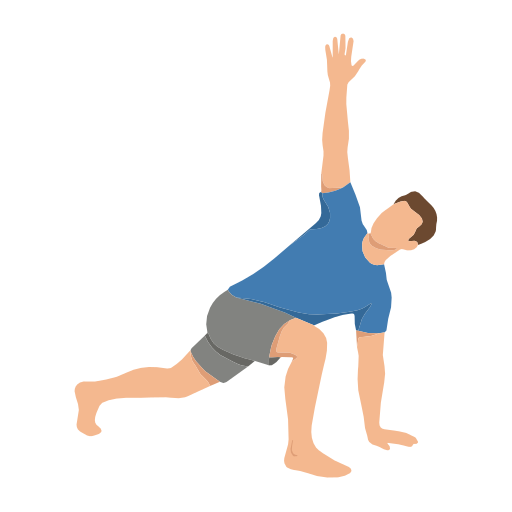
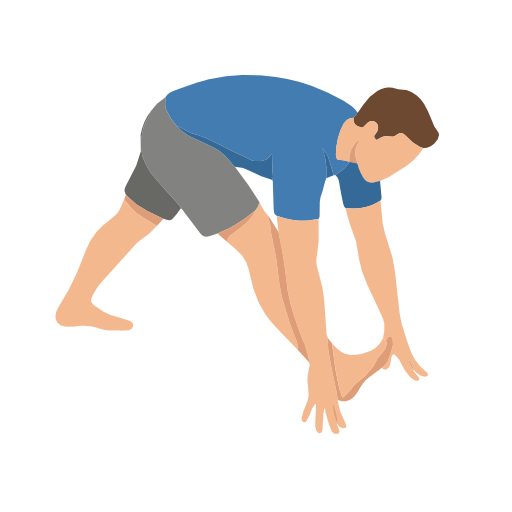
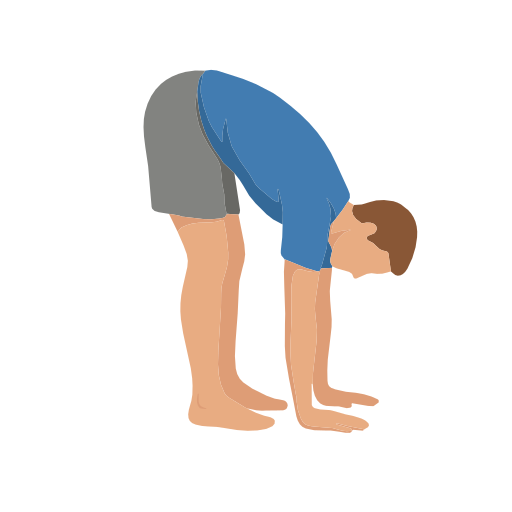
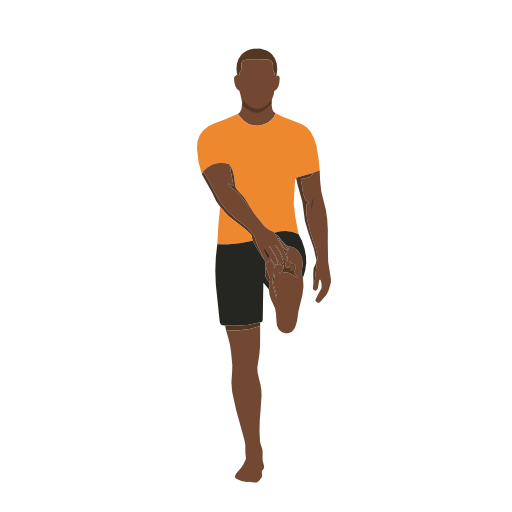
Static stretching before physical activity temporarily reduces force production in the stretched muscle, a well-documented effect in exercise science research. Before a hike, that means a held quad stretch can actually slow your quad's ability to brake on descents, the opposite of what you need.
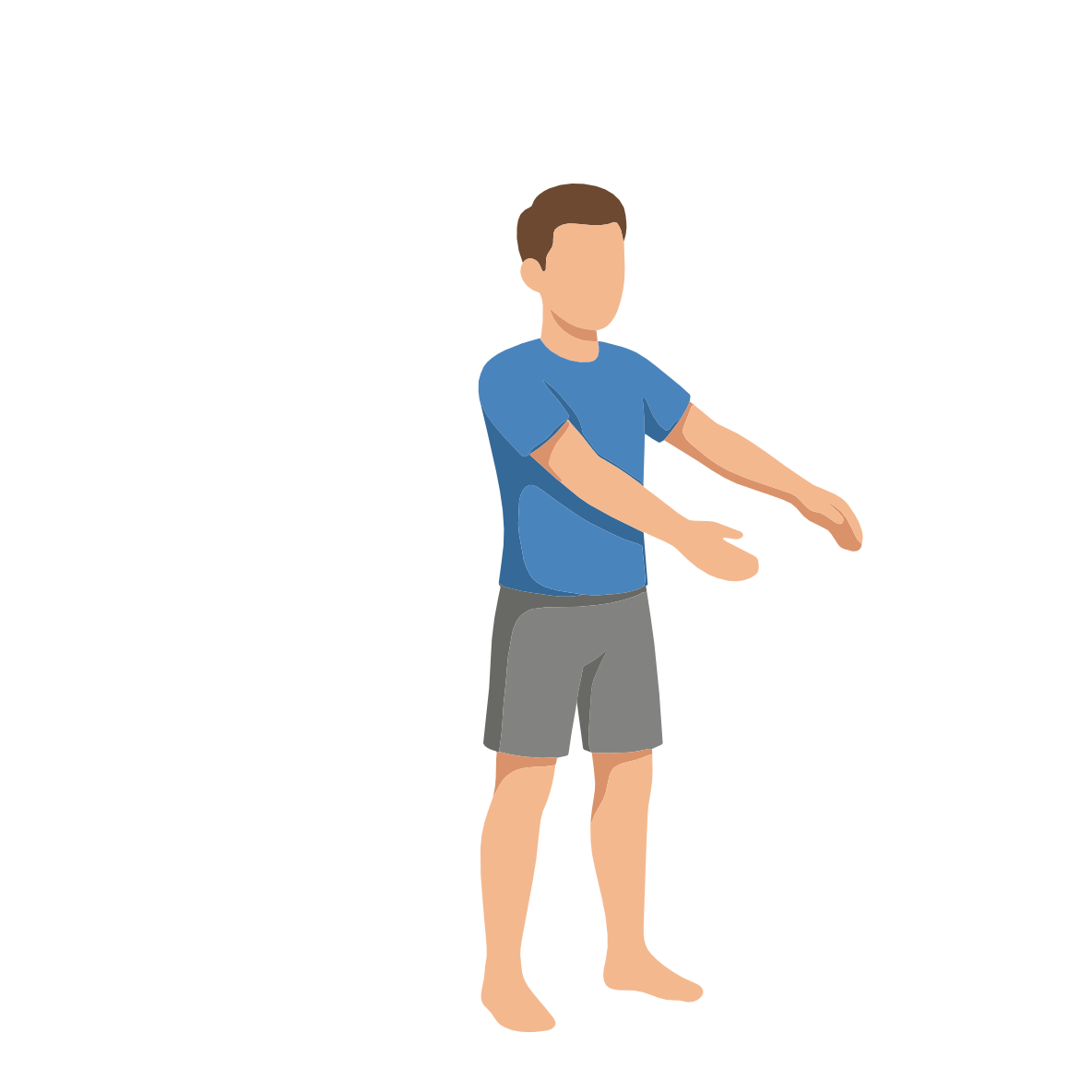
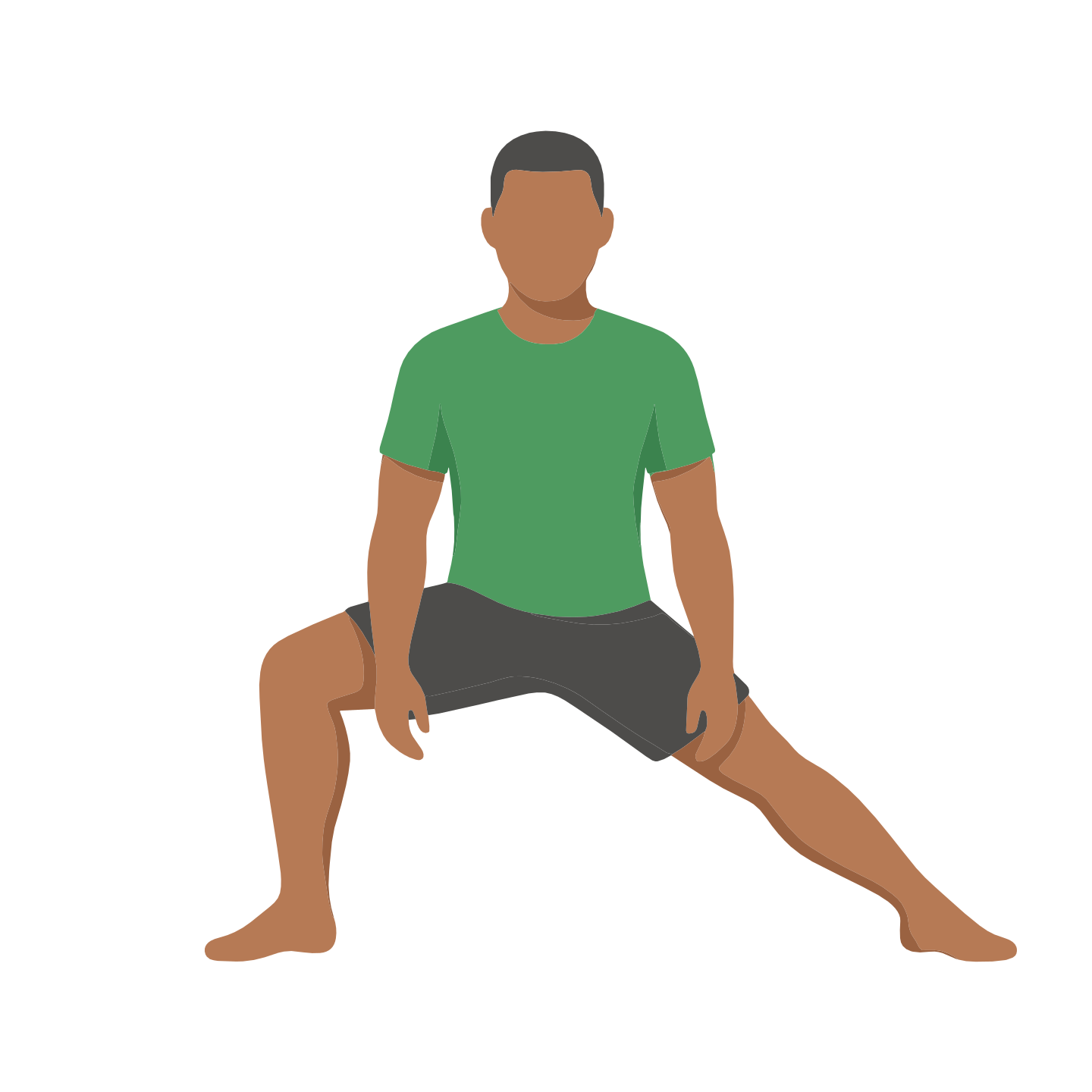
Dynamic stretching works differently. By moving your joints through their full range under light load, you raise tissue temperature, improve joint lubrication, and activate the neuromuscular connections between your brain and your muscles. You arrive at the trailhead primed to react, not sedated.
The Ankle Problem Nobody Talks About
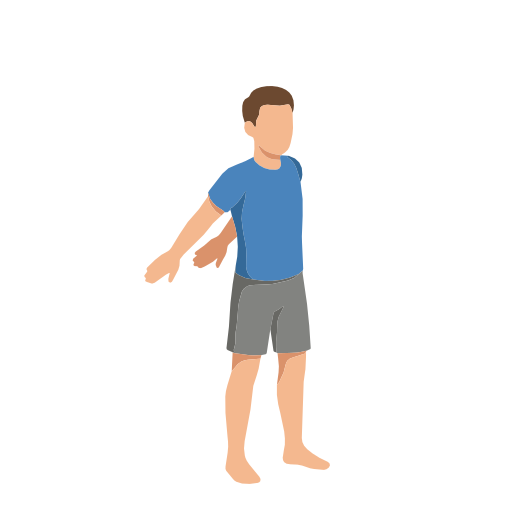
Ankle sprains are the most frequently treated hiking injury, and most of them happen in the first hour on trail before the body has fully adapted to the movement demands. A proper warm-up, particularly ankle rotations and leg swings, activates the peroneal muscles and improves proprioception (your body's sense of ankle position). That feedback loop is what catches you when your foot hits a loose rock.
Research shows that proprioceptive warm-up exercises reduce lateral ankle sprain recurrence by up to 35% in cutting sports. The principle applies equally to trail terrain.
Pacing the Warm-Up
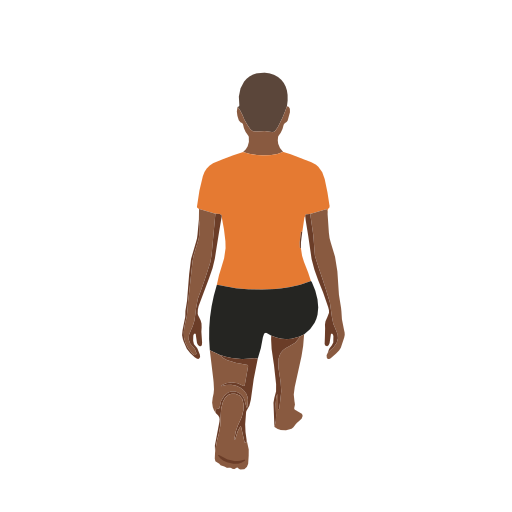
Start with the larger movements (leg swings, walking lunges) to raise core temperature, then layer in the detail work (ankle rotations, hip circles). The whole sequence should feel progressive, starting at a 2 on the exertion scale and building to a 5 by the time you tie your pack and step onto the trail.