
← Back to library
Hiking·Mobility
·8 min read

Hiking Mobility Stretches: 15 Rest-Day Exercises to Stay Trail-Ready

Hiking maintenance mobility targets hip rotation (both directions), ankle dorsiflexion, and thoracic extension, the three most limited ranges in recreational hikers. Addressing these patterns on rest days reduces injury risk and improves hiking efficiency on the trail.

The limiting factor for most recreational hikers isn't fitness, it's mobility. Tight hip flexors from sitting, stiff ankles from modern footwear, and an under-worked thoracic spine combine to create the movement restrictions that cause knee pain on descents and back fatigue on long climbs. Maintenance work on your off days builds the foundation your hikes draw on.

The Recommended Routine

1
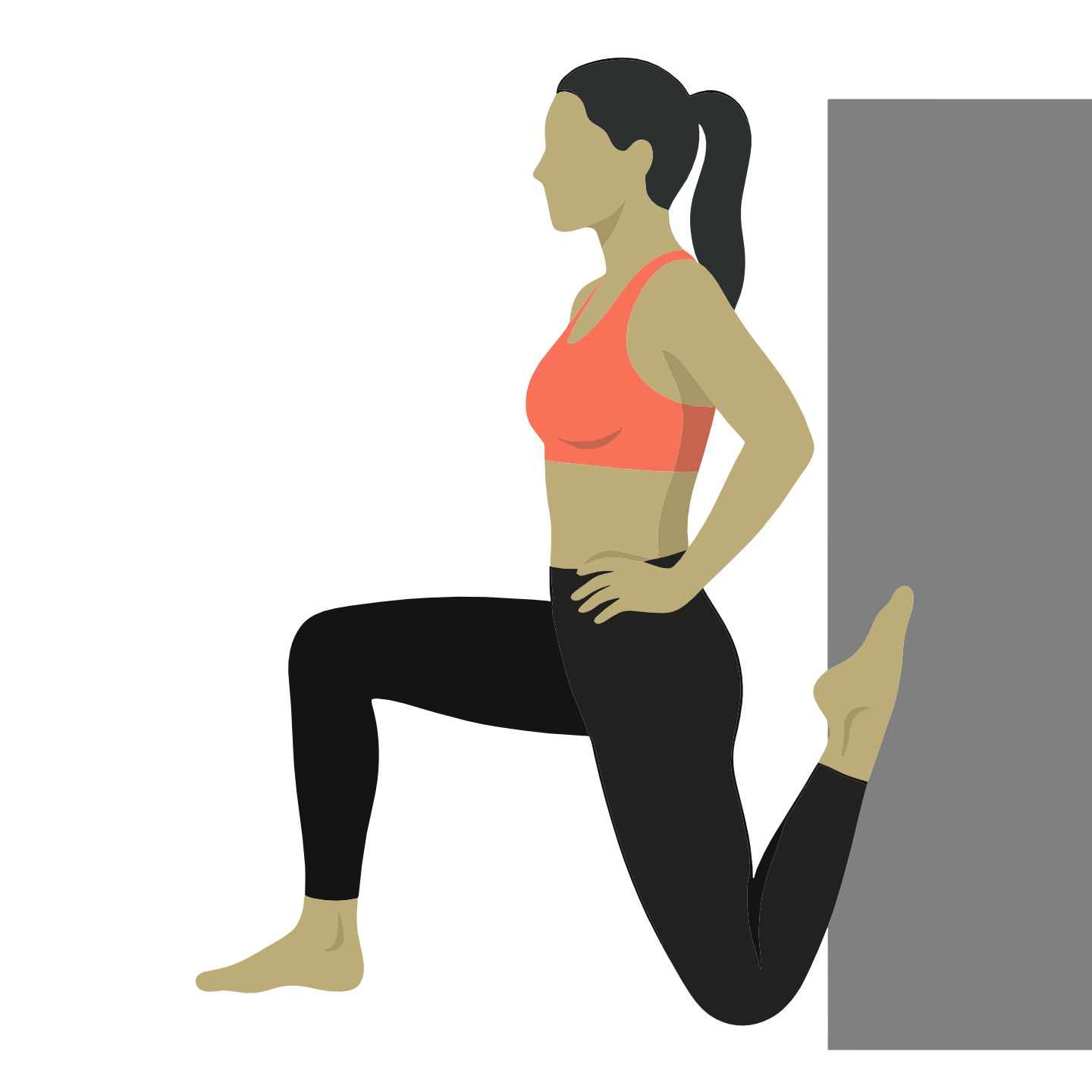
Couch Stretch
Hip Flexors, Rectus Femoris, and Quads · 75 seconds per side
  1. Kneel with one knee on the floor, resting the top of that foot against a wall or raised surface
  2. Step the opposite foot forward into a half-kneeling position
  3. Push your hips forward while keeping your torso upright
  4. Squeeze the glute of the rear leg to protect the lower back
  5. Hold for the full duration, then switch legs
Why it works
Sitting between hikes shortens the hip flexors chronically. The extended hold restores the hip extension range needed for efficient climbing and reduces anterior knee stress on long ascents.
2
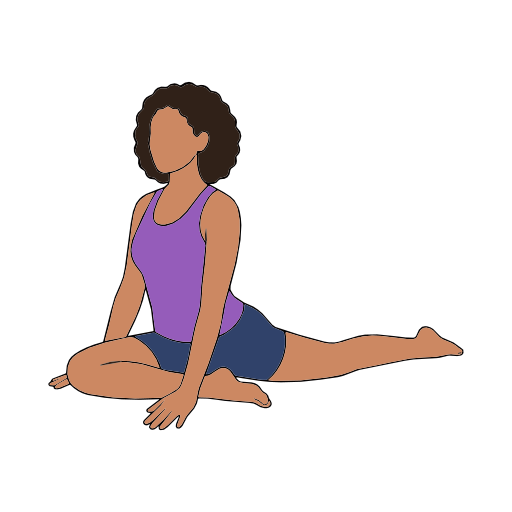
Pigeon Pose
Glutes, Piriformis, and Deep Hip Rotators · 75 seconds per side
  1. From tabletop, slide one shin forward as close to parallel with the front of the mat as comfortable
  2. Extend the back leg straight behind you
  3. Square the hips toward the floor as much as possible
  4. Walk hands forward and lower the torso for a deeper hold
  5. Breathe slowly and deeply, hold for the full duration
Why it works
Sustained release of the deep rotators and piriformis on rest days. IT band tightness and sciatic irritation in hikers both often trace back to the external rotators, and pigeon reaches them more deeply than the lying figure-4.
3
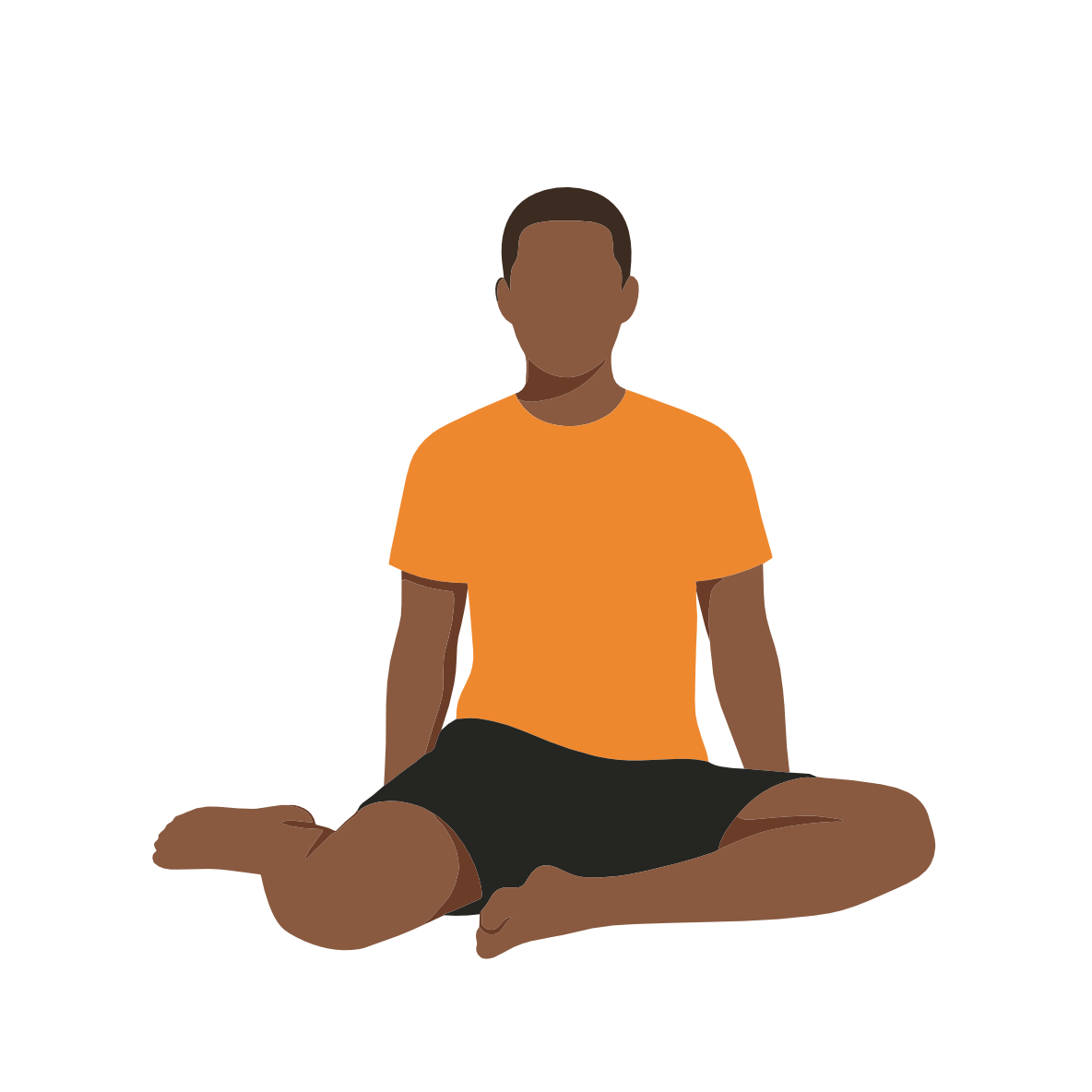
90/90 Hip Switches
External Rotators (front leg), Internal Rotators and TFL (back leg) · 10 slow switches per side, 5-breath holds
  1. Sit with both legs bent at 90-degree angles, one in front, one to the side
  2. Keep both hands on the floor behind you for support
  3. Rotate both legs to switch sides smoothly, the rear leg swings forward
  4. Try to keep hips planted on the floor throughout
  5. Work to sit upright without leaning heavily on your hands
Why it works
Trail hiking requires hip rotation in both directions. This drill trains the underused internal rotation that most hikers lack, reducing hip impingement risk and improving lateral step mechanics.
4
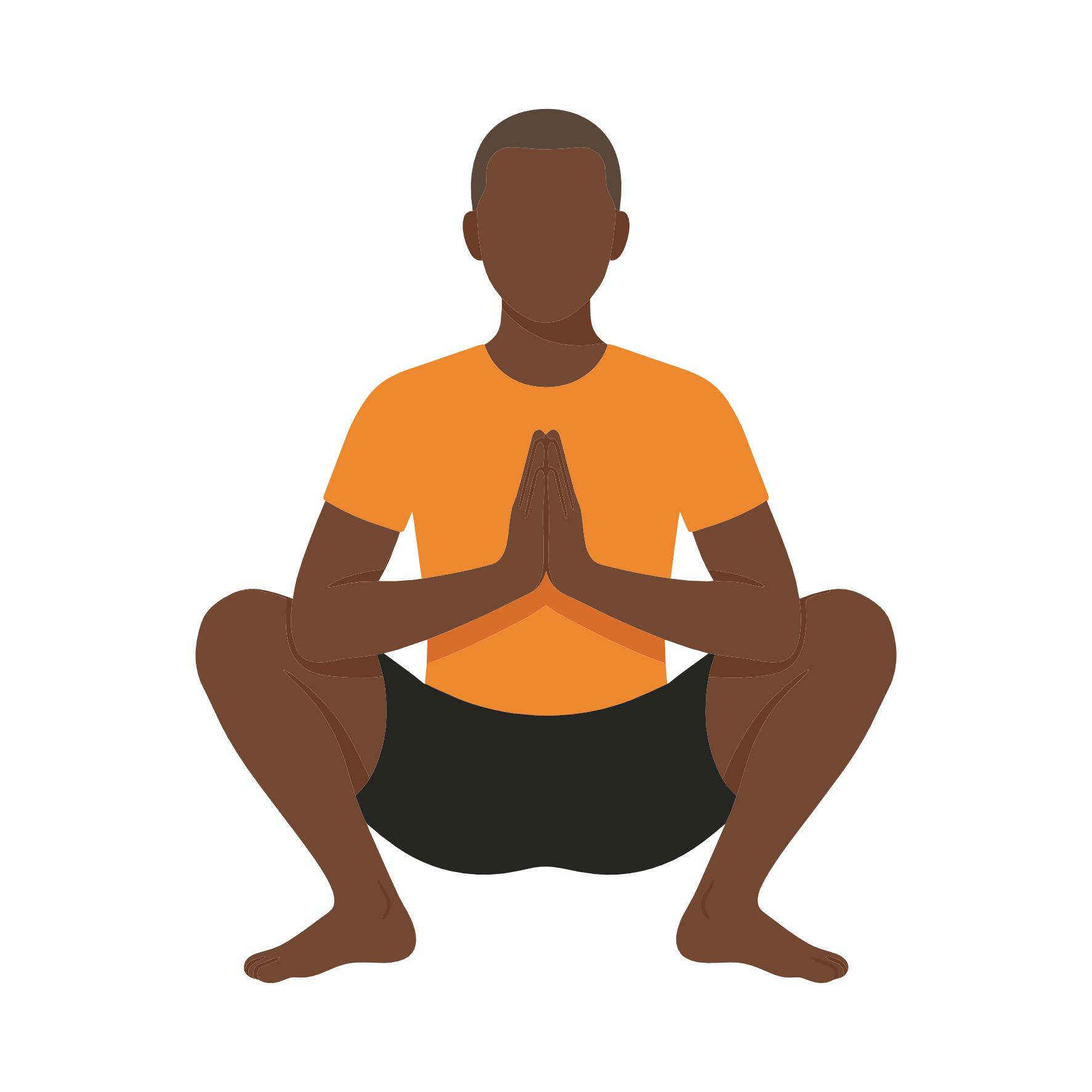
Garland Pose Squat
Ankles, Adductors, and Glutes · 75 seconds
  1. Stand with feet wider than hip-width and toes turned out 30–45 degrees
  2. Drop into a deep squat, keeping heels on the floor if possible
  3. Bring palms together and use elbows to press knees outward
  4. Keep chest tall and spine neutral
  5. Breathe deeply into the hips and hold
Why it works
Ankle dorsiflexion is the most critical joint mobility for efficient hiking gait and healthy knees on descent. Modern footwear limits ankle range progressively. This hold restores it and also opens the inner thighs for scrambling positions.
5
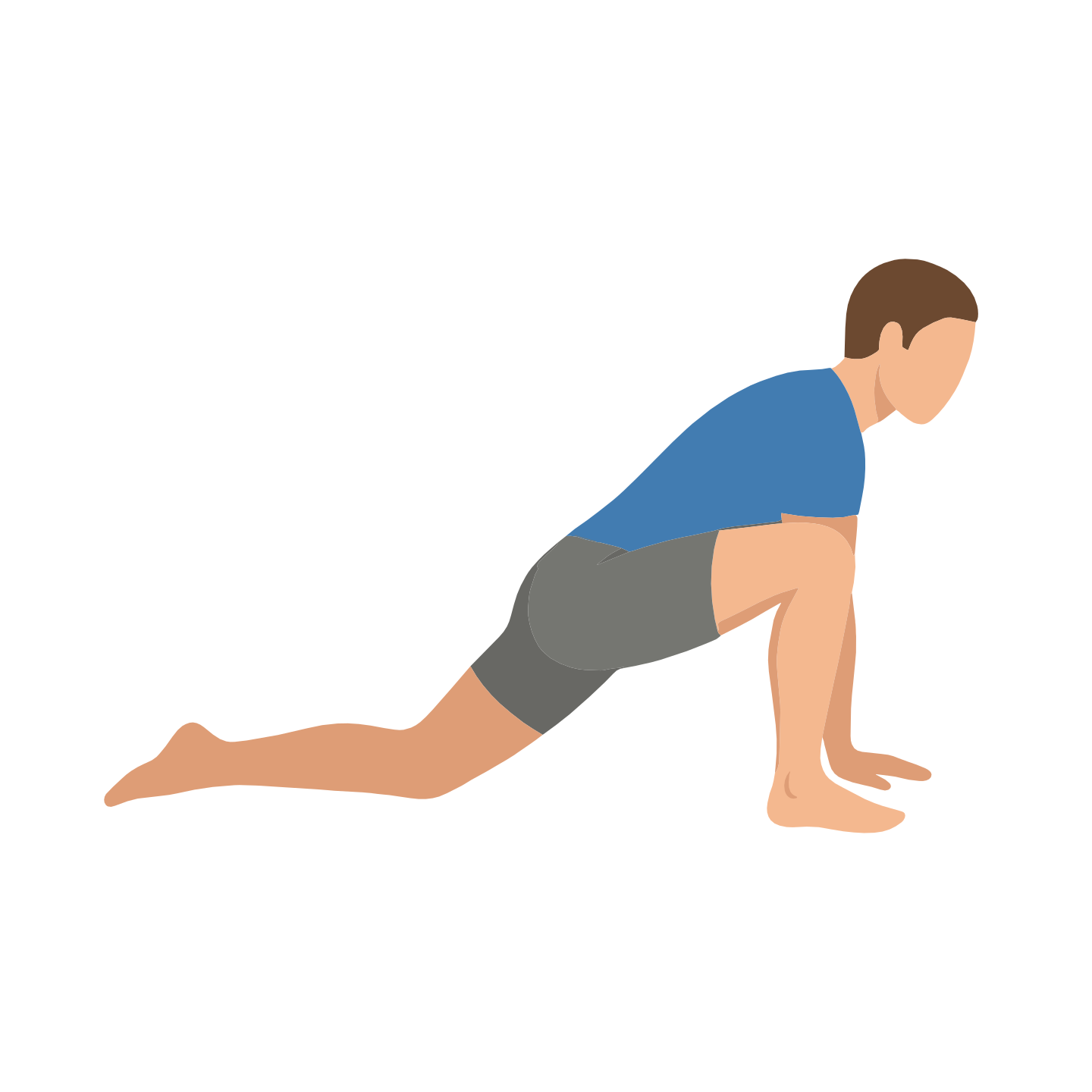
Lizard Pose
Hip Flexors, Adductors, and Hamstrings · 75 seconds per side
  1. From high plank, step one foot outside the same-side hand
  2. Move both hands to the inside of the front foot
  3. Drop the back knee to the floor and wiggle the front foot farther out
  4. Press the hips forward and down to target the deep adductors
  5. Hold and breathe, then switch sides
Why it works
Combines hip flexor opening (back leg), adductor lengthening (front inner thigh), and hip external rotation, the three mobility demands hikers place on their bodies simultaneously when climbing steep switchbacks or stepping over logs.
6
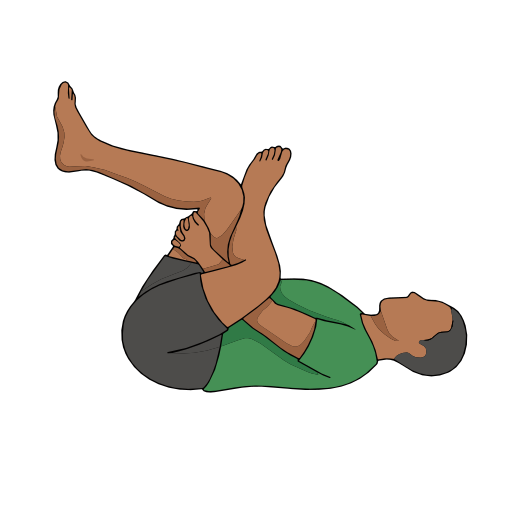
Lying Figure-4
Piriformis, Glute Med, and Deep Rotators · 75 seconds per side
  1. Lie on your back with both knees bent and feet flat on the floor
  2. Cross one ankle over the opposite knee in a figure-4 shape
  3. Pull the bottom thigh toward your chest, threading your hands through or around
  4. Keep your head and shoulders relaxed on the floor
  5. Hold, breathe deeply, then switch sides
Why it works
A spine-friendly way to release IT band origin tightness and the lateral hip restriction that accumulates from repetitive downhill descent. The long hold reaches deeper than post-hike cool-down versions.
7
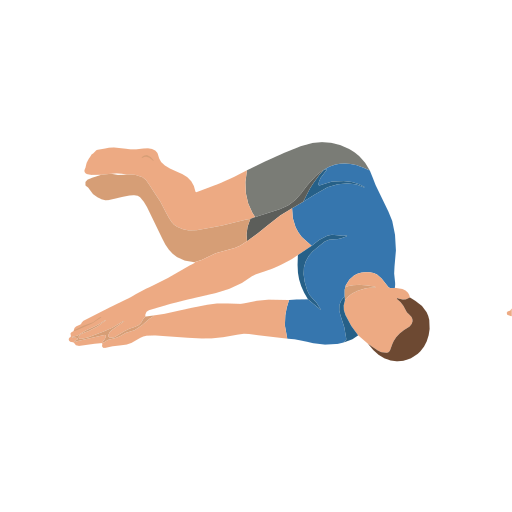
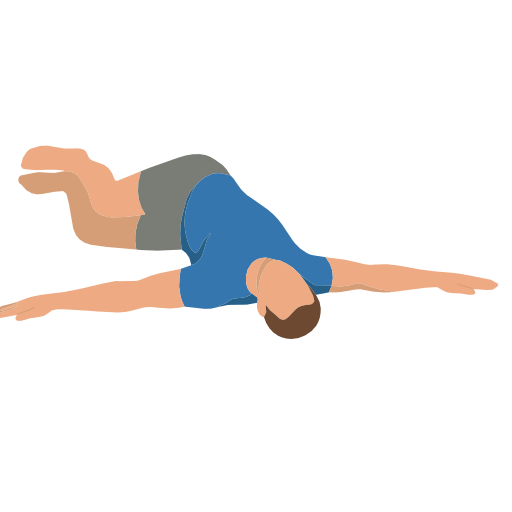
Thoracic Open Book
Thoracic Spine Rotators, Rhomboids, and Pecs · 8 breaths per side
  1. Lie on your side with both knees stacked at 90 degrees
  2. Extend the top arm forward on the floor at shoulder height
  3. Slowly rotate the top arm open toward the floor behind you, following with the eyes
  4. Let the shoulder and chest open as far as they will comfortably go
  5. Return and repeat before switching sides
Why it works
Pack straps pull the shoulders forward and round the upper back. A mobile thoracic spine allows better posture under load and more efficient breathing during climbs, both of which directly affect hiking performance and comfort.
8
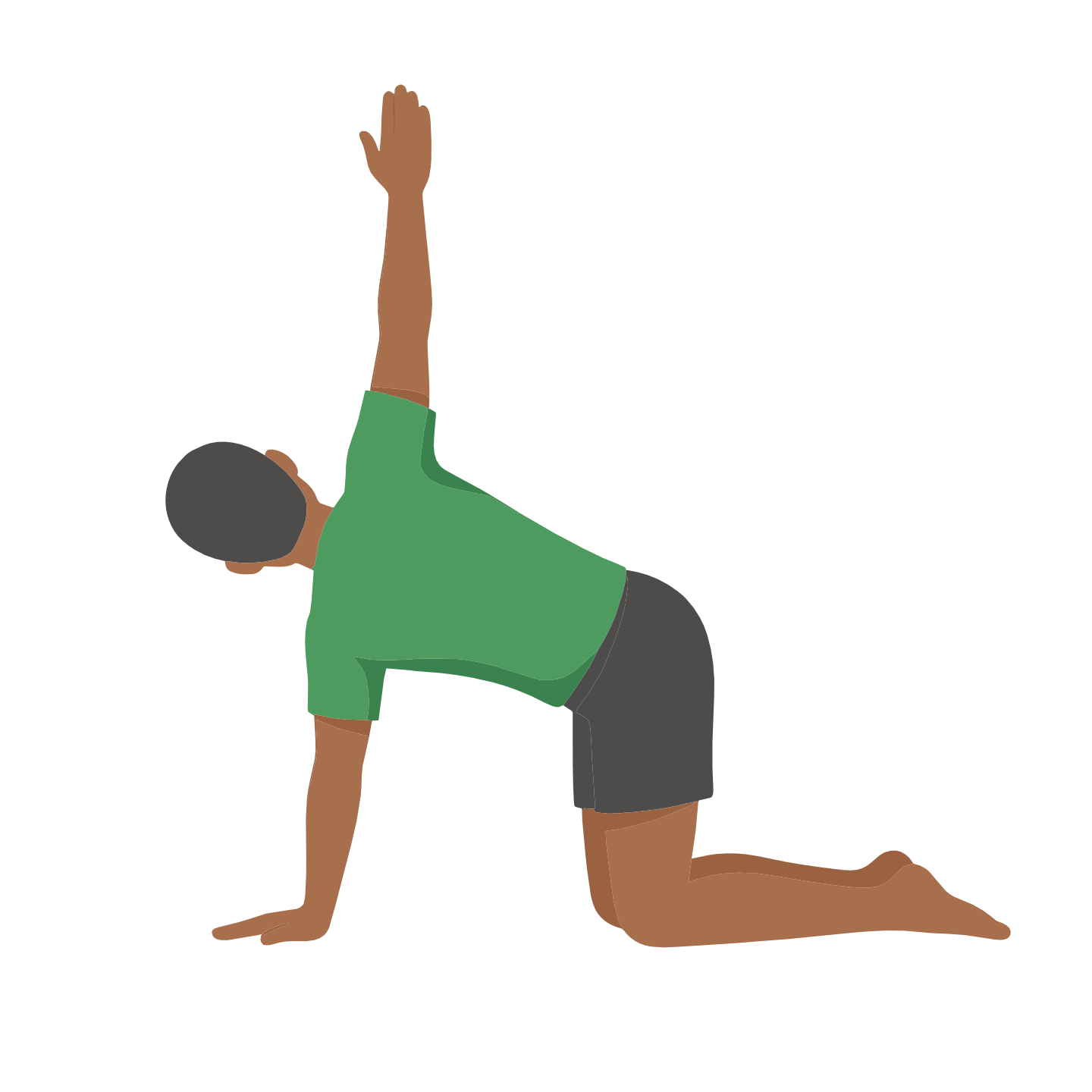
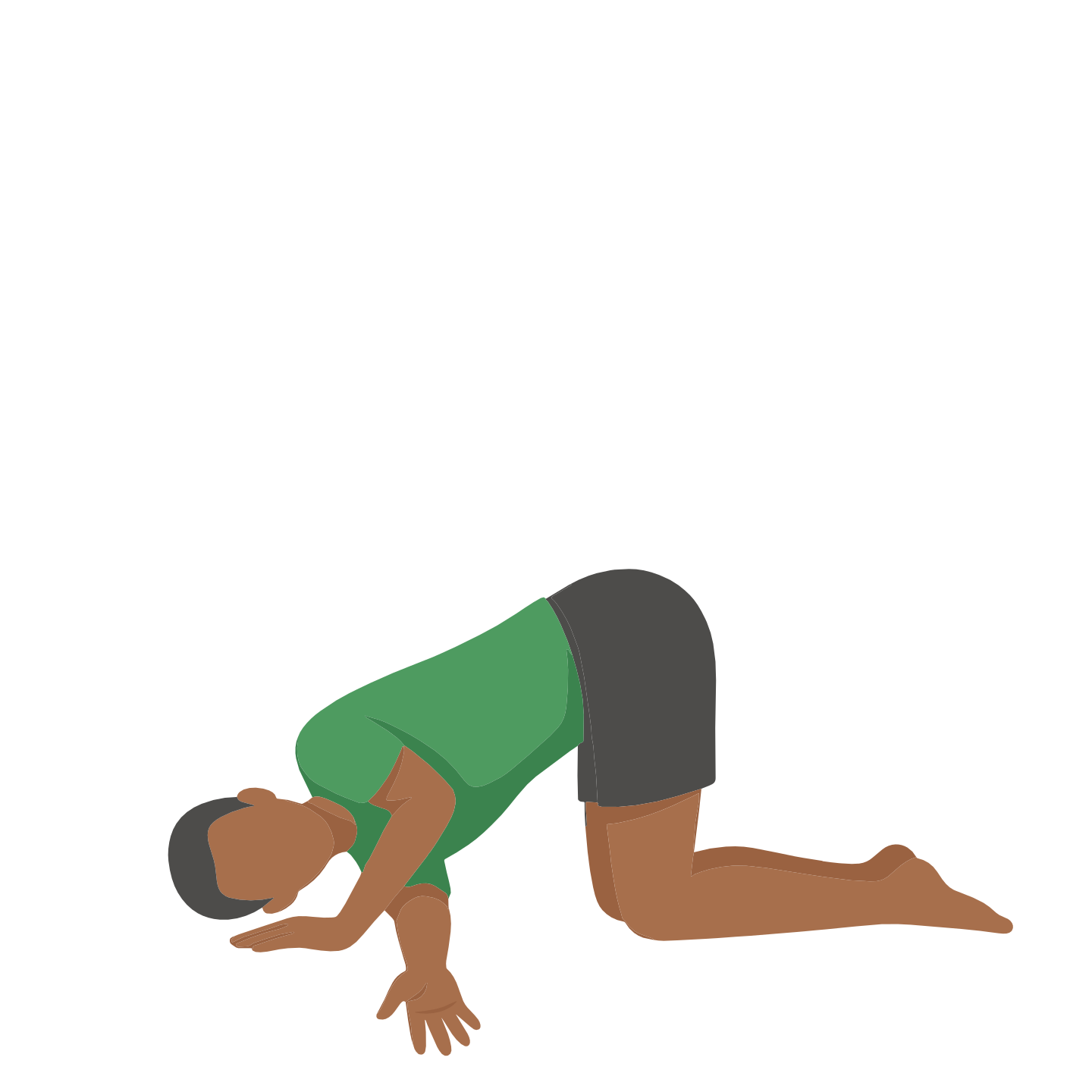
Thread the Needle
Posterior Deltoid, Rhomboids, and Thoracic Spine · 75 seconds per side
  1. Start on all fours with wrists under shoulders
  2. Reach one arm toward the ceiling to open the chest
  3. Slide that arm underneath the body, threading through until the shoulder and ear rest on the mat
  4. Keep the hips high and stacked over the knees
  5. Hold, then slowly return and switch sides
Why it works
Pack straps compress the posterior shoulder and upper traps. Thread the needle restores shoulder and T-spine mobility lost to hours of pack carrying, especially important for hikers on multi-day trips.
9
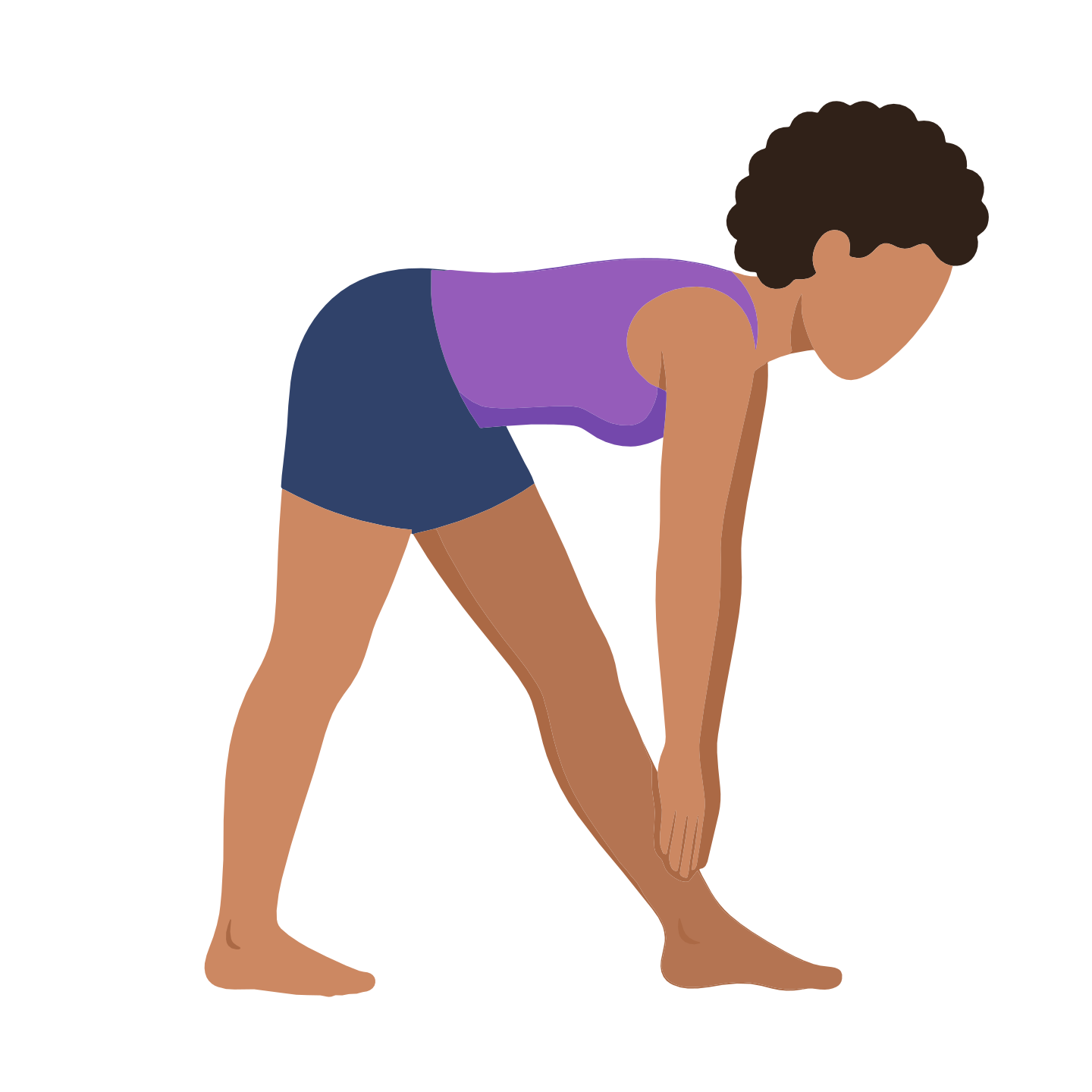
Pyramid Pose
Hamstrings, Calves, and Spinal Erectors · 75 seconds per side
  1. Stand with one foot forward and the other about 2–3 feet behind, both pointing forward
  2. Square your hips to face the front foot
  3. Hinge forward at the hips with a flat back over the front leg
  4. Place hands on the floor or on the shin for support
  5. Hold and breathe deeply, then switch legs
Why it works
Lengthens the downhill-loaded posterior chain one leg at a time with hips square, which isolates the hamstring more effectively than a standing forward fold. Critical maintenance for knee health on multi-day hikes.
10
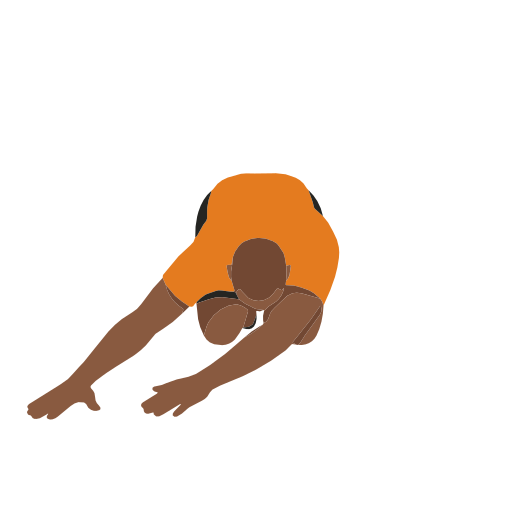
Childs Pose with Reach
Lats, QL, and Thoracolumbar Fascia · 45 seconds per side
  1. Sit back on your heels with knees slightly wider than hip-width
  2. Walk your hands forward, lowering your chest to the floor
  3. Walk both hands to the right side to stretch the left lat, then switch
  4. Breathe deeply into the side of the ribcage being stretched
Why it works
Pack straps load the lats continuously. The lateral reach variation releases the side the pack has been pulling on and decompresses the thoracolumbar fascia on the tight side.
11
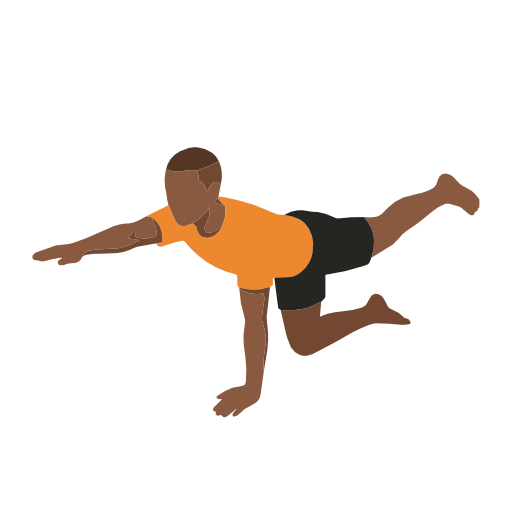
Bird-Dog
Transverse Abdominis, Multifidus, and Glutes · 10 holds per side, 8 seconds each
  1. Start on all fours, wrists under shoulders, knees under hips
  2. Extend one arm forward and the opposite leg back simultaneously
  3. Keep your spine neutral, don't let the hips rotate or drop
  4. Hold briefly at full extension, then return with control
  5. Do not rush, stability is the goal, not speed
Why it works
Deep stabilizer training that protects the spine under loaded pack hikes. Stuart McGill's research shows the bird-dog is one of the most effective exercises for building the lumbar stability that prevents back pain on long trail days.
12
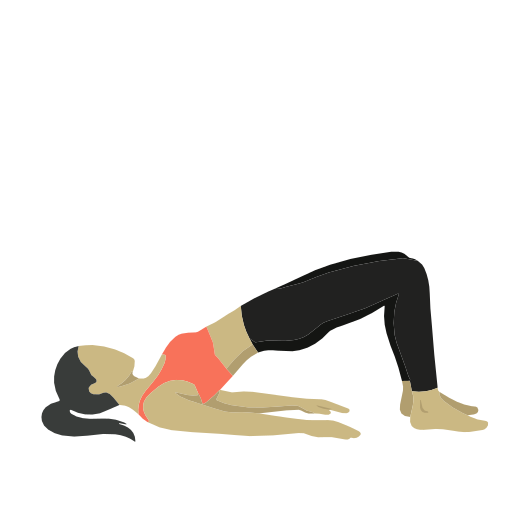
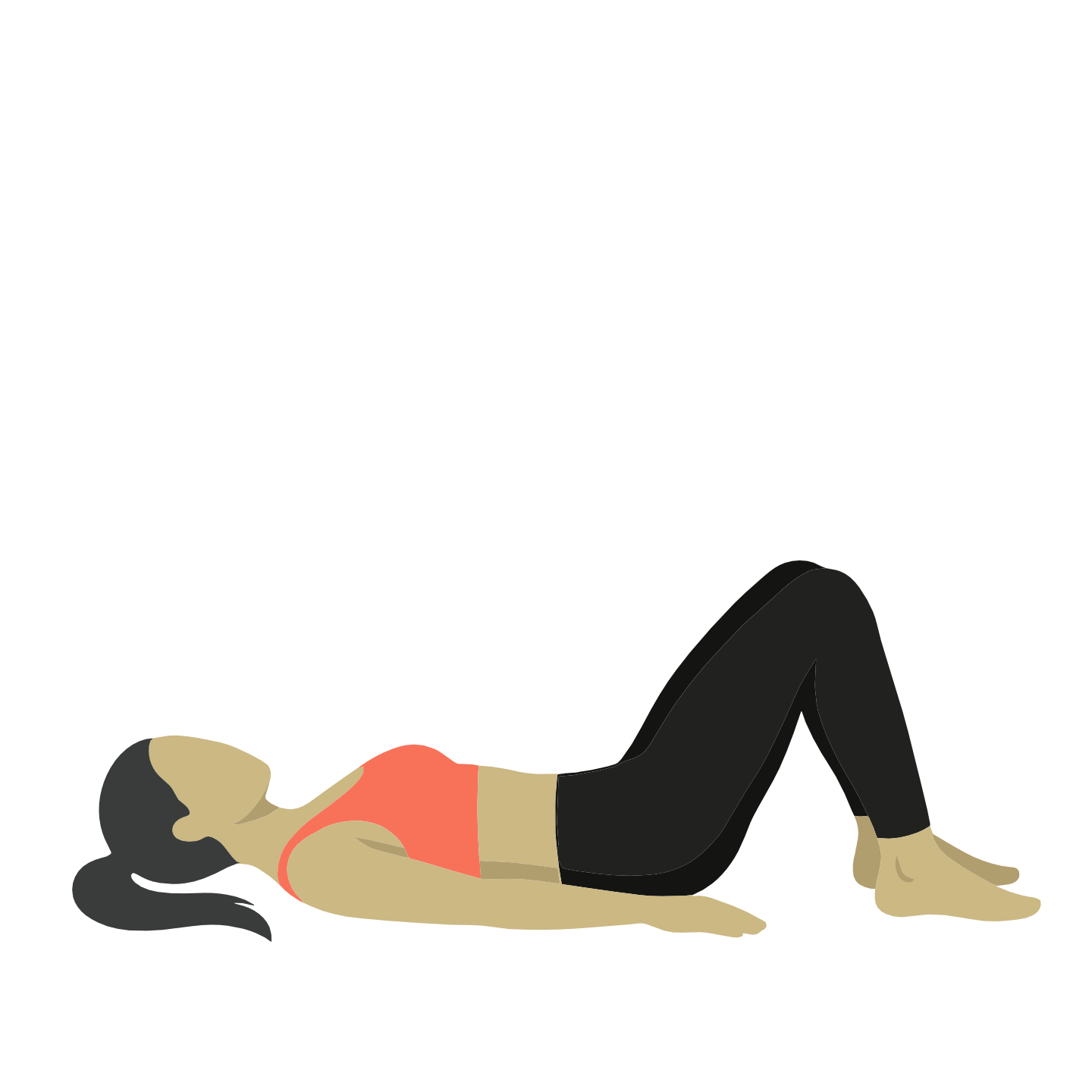
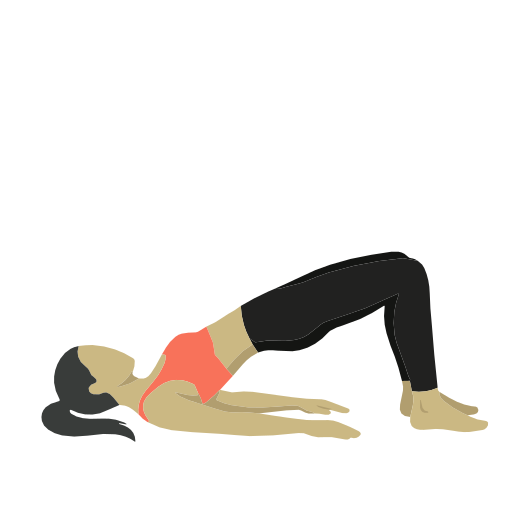
Glute Bridges
Glute Max, Hamstrings, and Hip Flexors · 30-second isometric holds x 3
  1. Lie on your back with knees bent and feet flat on the floor, hip-width apart
  2. Squeeze your glutes and push your hips toward the ceiling
  3. Form a straight line from knees to shoulders at the top
  4. Hold briefly, squeezing the glutes hard at the top
  5. Lower with control, don't drop the hips
Why it works
Wakes the glutes silenced by sitting between hikes. Your glutes are the primary power source for every uphill step and the primary brake for every downhill step. Weak or inhibited glutes shift load to the quads and knees.
13
Single Leg Balance
Intrinsic Foot, Peroneals, and Glute Medius · 45 seconds per side, progress to eyes closed
  1. Stand tall and shift your weight onto one leg
  2. Lift the other foot slightly off the ground
  3. Keep your core engaged and gaze fixed on a stable point
  4. To increase difficulty, close your eyes or stand on an unstable surface
Why it works
Trail hiking is a continuous series of single-leg moments. Training proprioception on your rest days directly reduces ankle sprain risk on the trail, the most common hiking injury. Eyes-closed progression is especially effective for building peroneal strength.
14
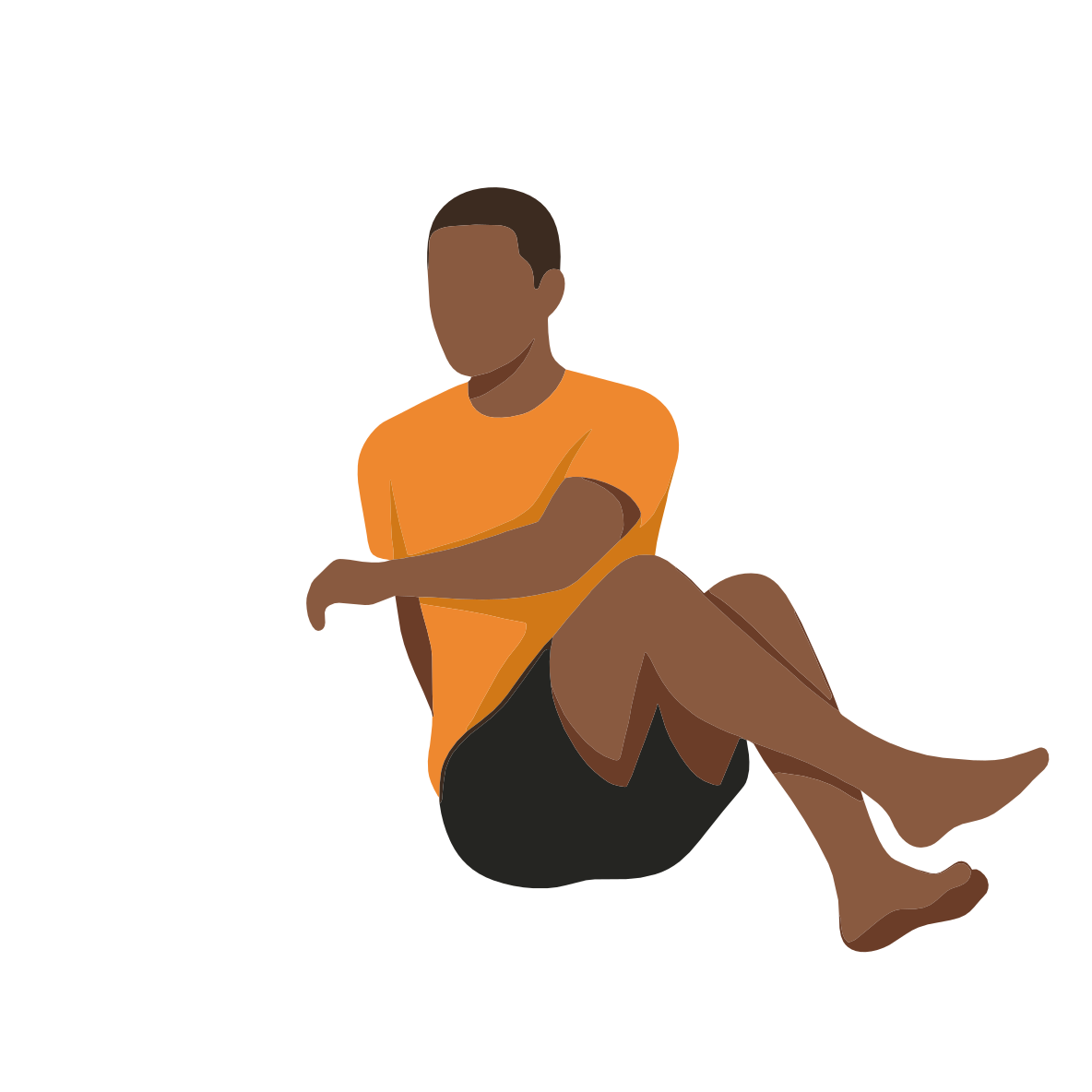
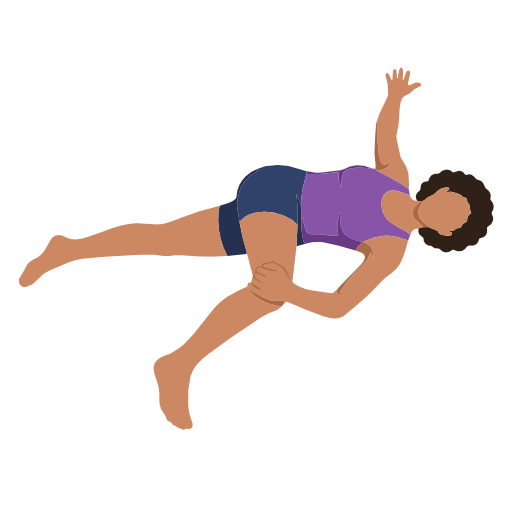
Supine Spinal Twist
QL, Rotators, Glute Med, and IT Band · 75 seconds per side
  1. Lie on your back and draw one knee toward your chest
  2. Gently guide that knee across your body toward the opposite floor
  3. Extend the same-side arm out to a 'T' to keep the shoulder grounded
  4. Keep both shoulder blades on the floor throughout
  5. Breathe deeply and allow gravity to deepen the twist
Why it works
Passive decompression of the lumbar discs and release of the QL on both sides. Hikers who log high mileage accumulate asymmetric spinal tension from uneven trails and pack loading. Long rest-day holds address this where post-hike stretches can't.
15
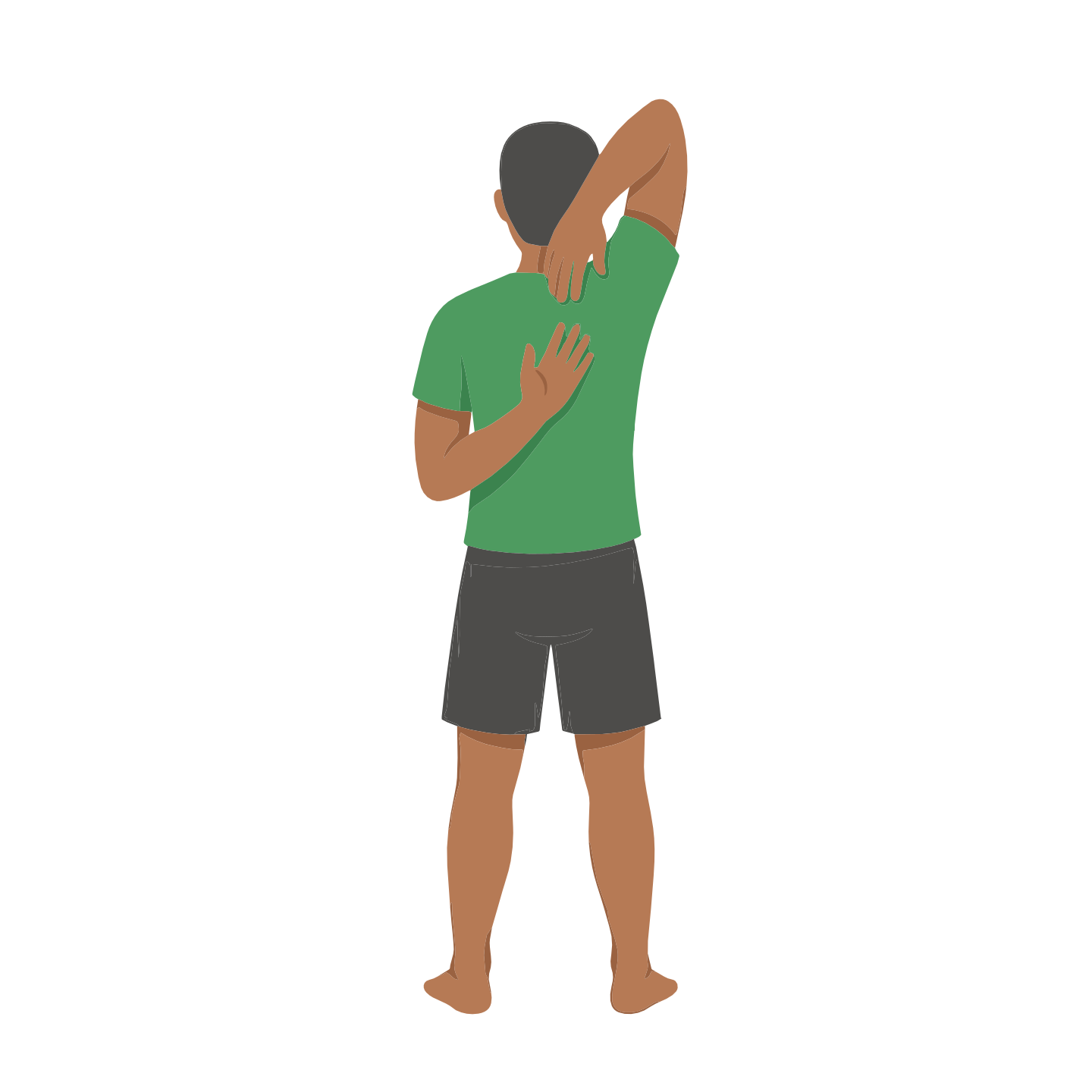
Cow Face Arms
Rotator Cuff, Deltoids, Triceps, Lats, and Pecs · 75 seconds per side
  1. Reach one arm overhead and bend the elbow to touch the upper back
  2. Reach the opposite arm behind the back from below
  3. Interlace fingers if they reach, or use a towel to bridge the gap
  4. Gently pull the towel in both directions to walk hands closer
  5. Hold, then switch arm positions
Why it works
Reverses the forward-rounded, internally-rotated shoulder posture that develops from hours of pack carrying. One of the most effective single stretches for restoring upper-body mobility on multi-day hikes.

The Three Mobility Gaps That Slow Hikers Down

Most recreational hikers have the cardiovascular fitness to cover the miles. What breaks them down is three specific mobility deficits.

Ankle dorsiflexion. The ankle needs at least 15-20 degrees of dorsiflexion for efficient gait. Modern shoes, particularly those with raised heels, progressively restrict this range. When the ankle runs out of dorsiflexion, the knee compensates by caving inward, a direct path to patellofemoral pain on descents.

Hip extension. Hours of sitting shorten the hip flexors, which then inhibit the glutes and pull the pelvis into an anterior tilt. On the trail, this means your quads and lower back bear load that your glutes should be handling. The result is knee fatigue and lumbar soreness that feel like fitness problems but are mobility problems.

Thoracic rotation. A stiff upper back forces the lumbar spine to compensate during every rotation movement: stepping over obstacles, looking behind you on the trail, even breathing deeply under pack load. Restoring thoracic rotation reduces lumbar strain and improves breathing efficiency.

The Maintenance Mindset

Maintenance work isn't the same as post-hike stretching. You're not just releasing tension. You're gradually lengthening connective tissue, building new range, and training the nervous system to access positions that were previously blocked.

This requires longer holds (60-90 seconds) and consistency over weeks. A single pigeon pose won't fix your IT band. But two sessions per week for a month will measurably change your hip rotation, and you'll feel it on the next long descent.

Research on flexibility training shows that tissue length changes require at least 4-6 weeks of consistent work before becoming permanent adaptations. Treat maintenance like the long game it is.

Connecting Rest Days to Trail Performance

The hikers who age best on trail, who are still doing big days into their 50s and 60s, almost always have a consistent mobility practice they treat as seriously as the hikes themselves. The trail will always be there. Your tissue health determines how long you can answer the call.

Frequently asked questions

How often should hikers do maintenance mobility work?
2 to 3 rest-day sessions per week is the sweet spot. Less frequent work doesn't build the sustained tissue length changes that protect you on longer hikes. More frequent work is fine but often unnecessary unless you're doing consecutive days on trail.
Should I do maintenance stretches on hiking days too?
On hiking days, use the dynamic warm-up protocol before and the cool-down stretches after. Save the long maintenance holds for rest days. Your body recovers and adapts during rest, not during the activity.
Which stretch matters most for knee health?
The couch stretch and garland pose squat together address the two most common knee pain drivers in hikers: tight hip flexors (which tilt the pelvis and overload the knee) and limited ankle dorsiflexion (which forces the knee inward on each step). Start with these two.
Can maintenance mobility work replace strength training for hikers?
No. Mobility work restores range of motion; strength training builds the capacity to control that range under load. For hiking, single-leg exercises like step-ups and Bulgarian split squats complement mobility work and are necessary for trail-ready legs.
Reach is launching soon
Audio cues, hold timers, and sport-specific routines built for athletes who want to stay healthy. Join the waitlist to be first to know when we launch.
Healthline. Couch Stretch
Cleveland Clinic. Hip Opening Stretches
PMC. Ankle Proprioception Training
PMC. McGill Core Stabilization Research
Yoga Journal. Garland Pose

More Hiking guides

Cool-Down
Hiking Cool-Down Stretches: 15 Static Holds for Post-Trail Recovery
Warm-Up
Hiking Warm-Up Stretches: 15 Dynamic Moves Before You Hit the Trail