← Back to library
Hiking·Cool-Down
·7 min read

Hiking Cool-Down Stretches: 15 Static Holds for Post-Trail Recovery

A hiking cool-down should prioritize the posterior chain (calves, hamstrings, glutes), the hip flexors shortened by uphill climbing, and the IT band loaded by repetitive downhill descent. Hold each stretch 20-30 seconds per side immediately after you finish hiking.

You just finished a multi-hour hike. Your calves are tight, your hip flexors are shortened, and your lower back is talking to you from the miles of pack weight. The cool-down is when you cash in on all that work, restoring tissue length, flushing metabolic waste, and addressing the patterns that cause the next-day soreness and long-term overuse injuries that keep hikers off the trail.

The Recommended Routine

1
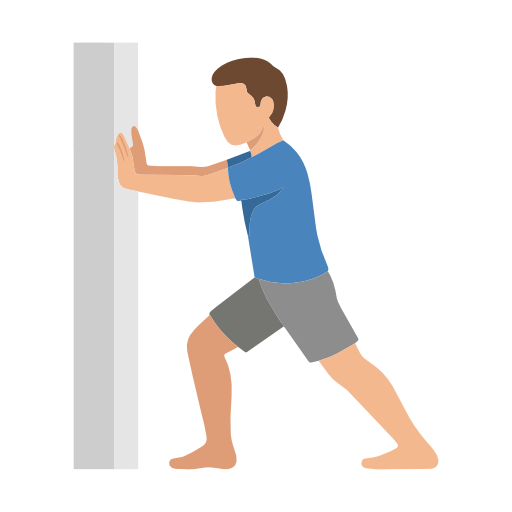
Calf Wall Stretch
Gastrocnemius and Soleus · 30 seconds per side, then bend knee for soleus
  1. Face a wall and step one foot back with the heel flat on the floor
  2. Keep the back leg straight to stretch the calf
  3. Lean hips forward until you feel the stretch in the back leg
  4. Hold, then switch legs
Why it works
Your calves propel you uphill and act as shock absorbers on descent. Restoring calf length immediately after hiking reduces Achilles tendon strain and plantar fascia tension that accumulates over miles.
2
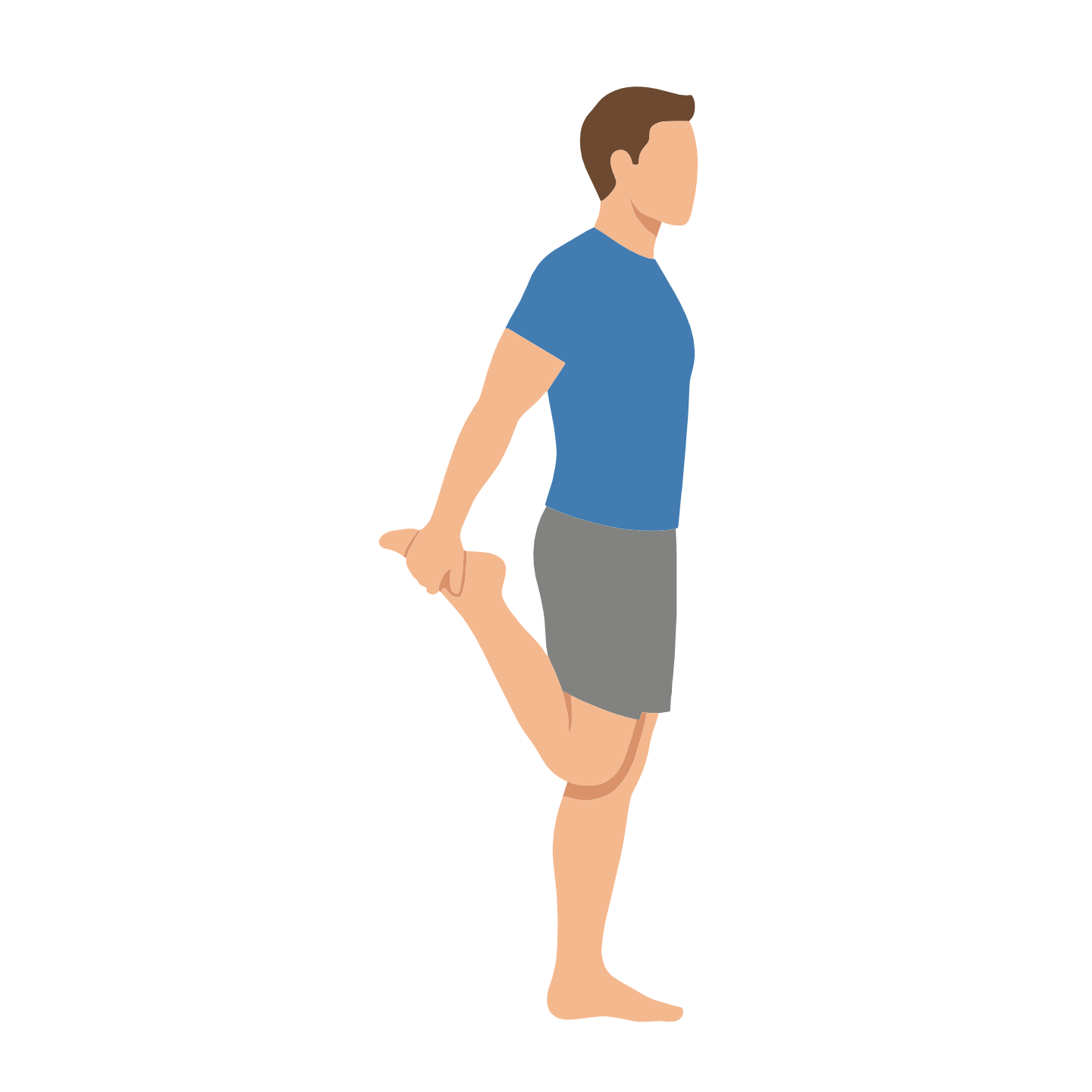
Standing Quad Stretch
Quadriceps and Hip Flexors · 30 seconds per side
  1. Stand on one leg, holding a wall or surface for balance if needed
  2. Pull the opposite ankle toward your glute, keeping knees together
  3. Stand tall, don't lean forward or arch the lower back
  4. Squeeze the glute of the stretched leg to deepen the hip flexor portion
  5. Hold, release, and switch legs
Why it works
Your quads work eccentrically on every descent step to control your speed. This post-hike stretch addresses the microtrauma that leads to next-day quad soreness and knee pain.
3
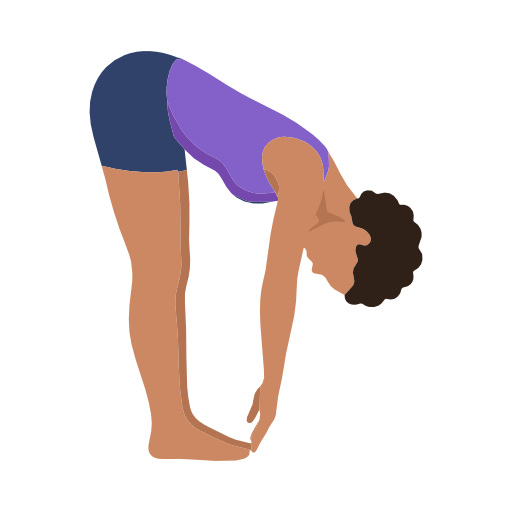
Standing Forward Bend
Hamstrings, Calves, and Lower Back · 45 seconds
  1. Stand with feet hip-width apart
  2. Hinge at the hips and fold forward, letting the head and arms hang heavy
  3. Bend the knees slightly if needed to protect the lower back
  4. Breathe and let gravity deepen the stretch gradually
  5. Roll up one vertebra at a time to return to standing
Why it works
Decompresses the lumbar spine loaded by pack weight while simultaneously lengthening the entire posterior chain, calves, hamstrings, and glutes, that drives every step on the trail.
4
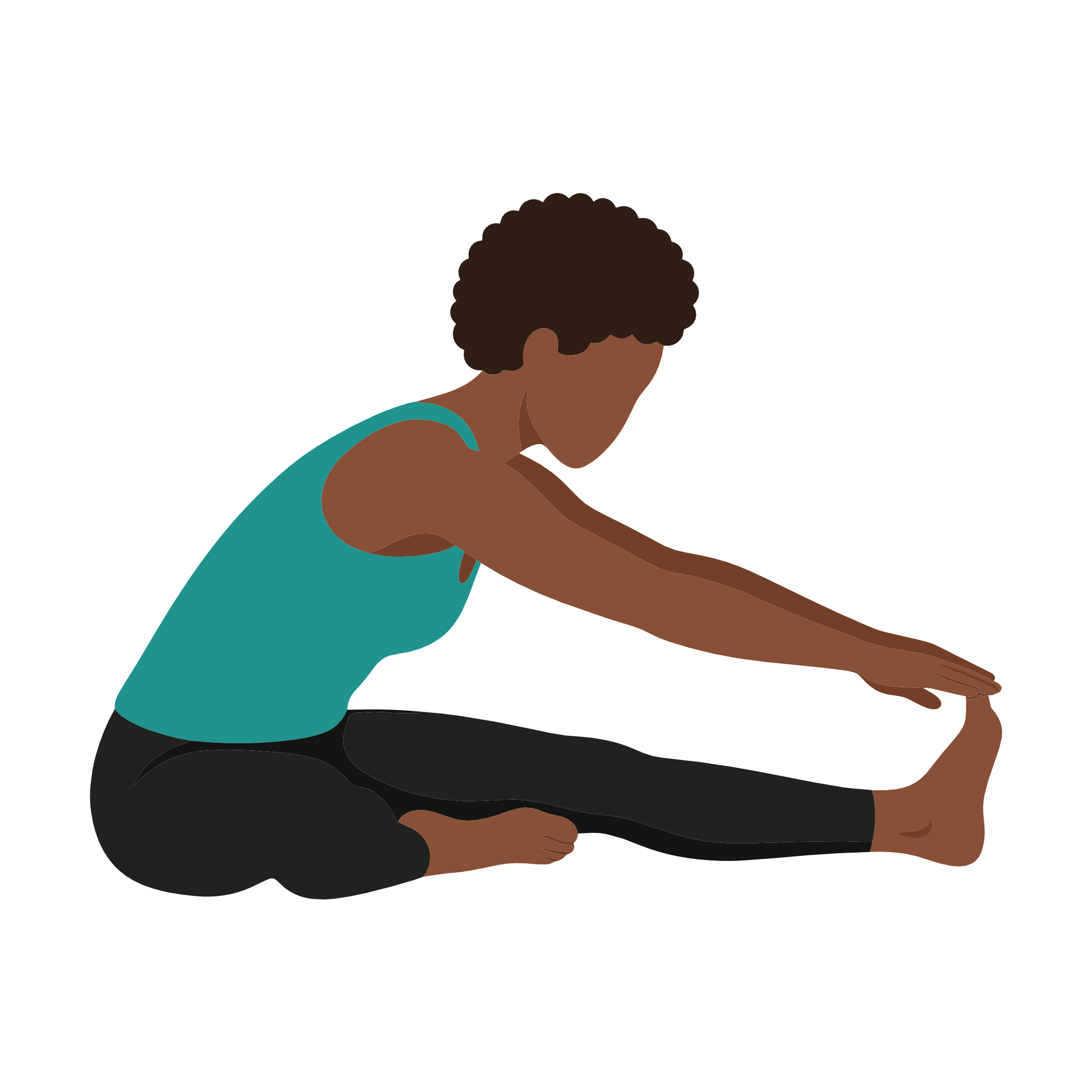
Seated Hamstring Fold
Hamstrings, Glutes, and Lower Back · 25 seconds per side
  1. Sit with one leg extended straight and the other bent inward
  2. Flex the foot of the extended leg, toes pointing up
  3. Hinge forward from the hips with a flat back, don't round the spine
  4. Reach toward the extended foot, stopping when the back begins to round
  5. Hold, breathe, and gradually inch forward
Why it works
Tight post-hike hamstrings pull on the pelvis and aggravate low-back and knee pain. This seated position isolates the hamstring without compromising spinal alignment.
5
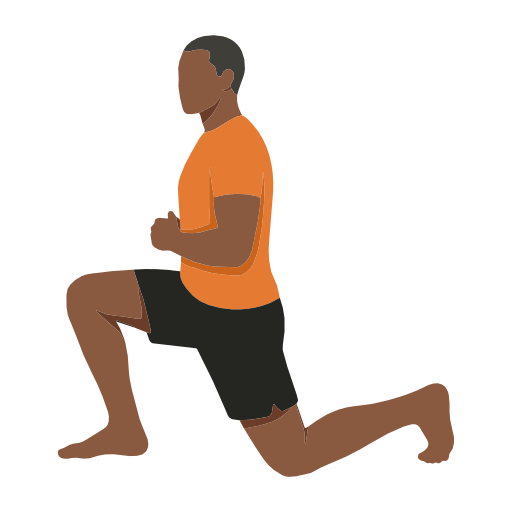
Half Kneeling Hip Flexor
Iliopsoas and Rectus Femoris · 30 seconds per side
  1. Assume a half-kneeling position (one knee down, one foot forward)
  2. Tuck your pelvis slightly (posterior tilt) to engage the glute of the down leg
  3. Shift your weight slightly forward without arching your lower back
  4. Maintain a tall posture
Why it works
Hours of uphill hiking locks the hip flexors in a shortened position. This stretch directly reverses that pattern. Tight hip flexors are a primary cause of anterior knee pain and low-back strain in hikers.
6
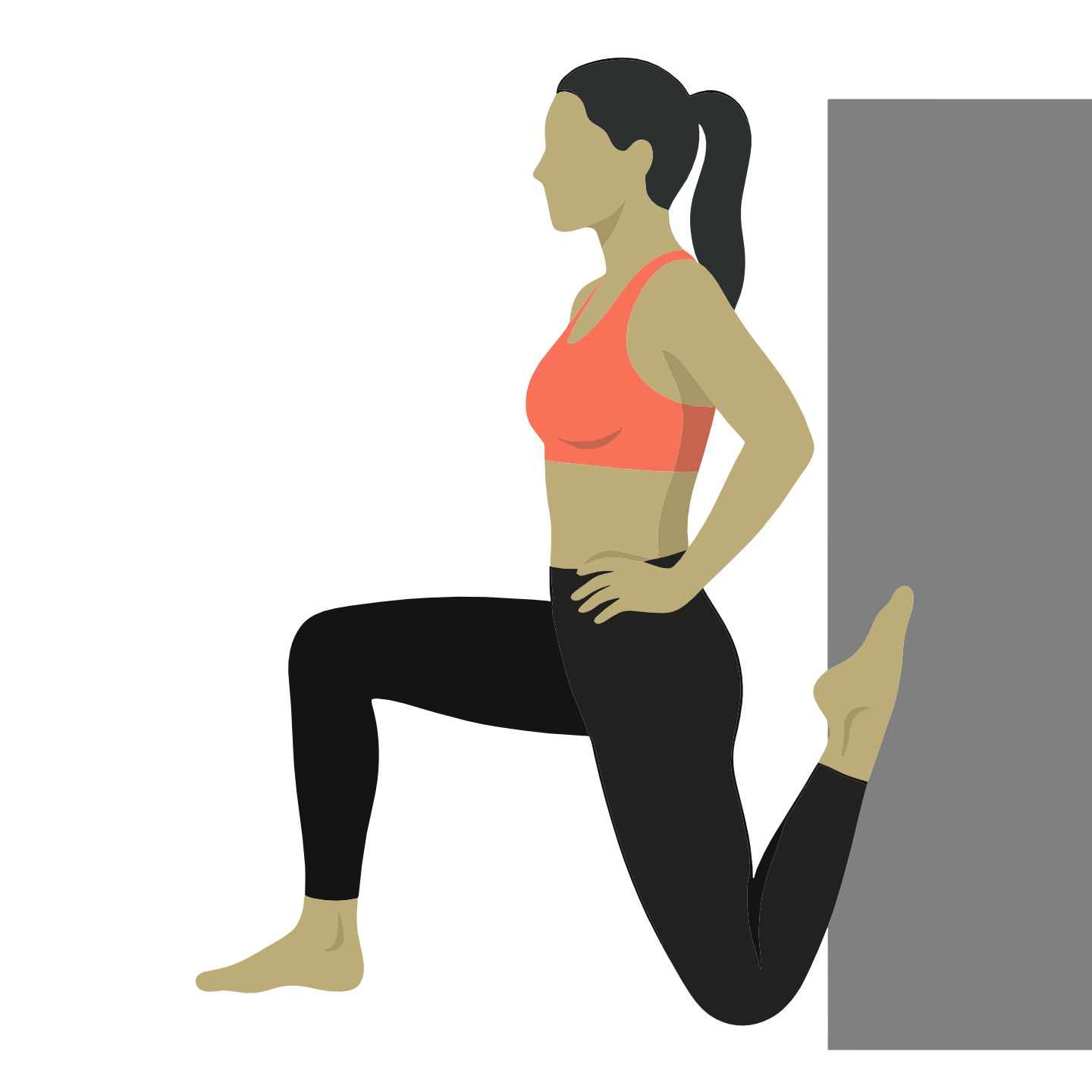
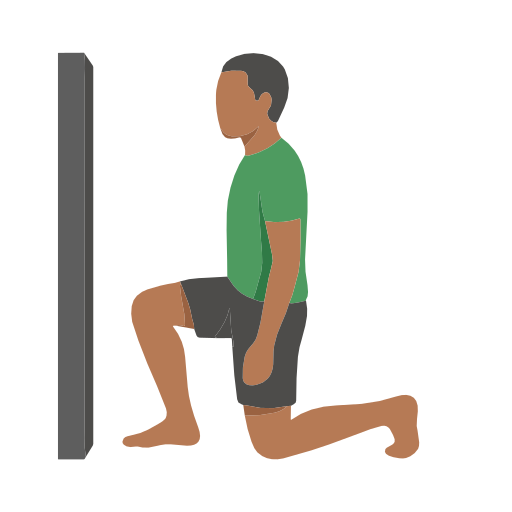
Couch Stretch
Rectus Femoris, Iliopsoas, and Quads · 45 seconds per side
  1. Kneel with one knee on the floor, resting the top of that foot against a wall or raised surface
  2. Step the opposite foot forward into a half-kneeling position
  3. Push your hips forward while keeping your torso upright
  4. Squeeze the glute of the rear leg to protect the lower back
  5. Hold for the full duration, then switch legs
Why it works
Simultaneously opens the hip flexor and quad, the two regions most loaded by uphill climbing. One of the most effective post-hike stretches for anterior knee and hip pain.
7
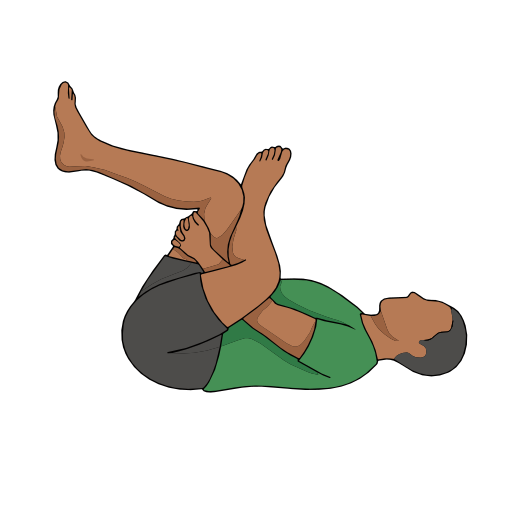
Lying Figure-4
Piriformis, Glute Medius, and Deep Rotators · 25 seconds per side
  1. Lie on your back with both knees bent and feet flat on the floor
  2. Cross one ankle over the opposite knee in a figure-4 shape
  3. Pull the bottom thigh toward your chest, threading your hands through or around
  4. Keep your head and shoulders relaxed on the floor
  5. Hold, breathe deeply, then switch sides
Why it works
Uneven terrain fires the deep external rotators of the hip continuously. This stretch releases piriformis tension that can compress the sciatic nerve and cause the hip tightness hikers feel after long days.
8
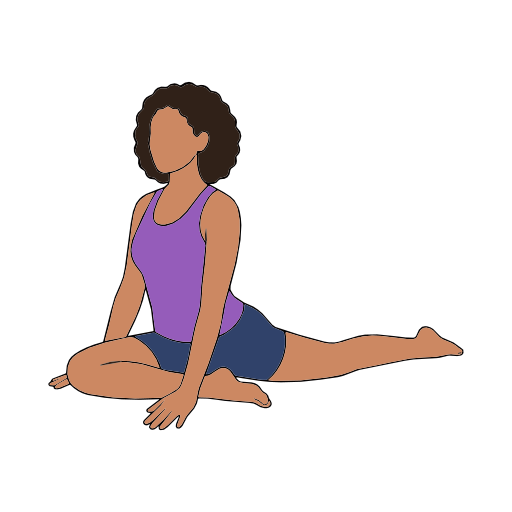
Pigeon Pose
Glutes, Piriformis, and Hip Flexors · 40 seconds per side
  1. From tabletop, slide one shin forward as close to parallel with the front of the mat as comfortable
  2. Extend the back leg straight behind you
  3. Square the hips toward the floor as much as possible
  4. Walk hands forward and lower the torso for a deeper hold
  5. Breathe slowly and deeply, hold for the full duration
Why it works
The glutes work hard propelling you uphill with a pack. Pigeon opens the gluteal complex and the back-leg hip flexor simultaneously, addressing both the engine and the brake of hiking.
9
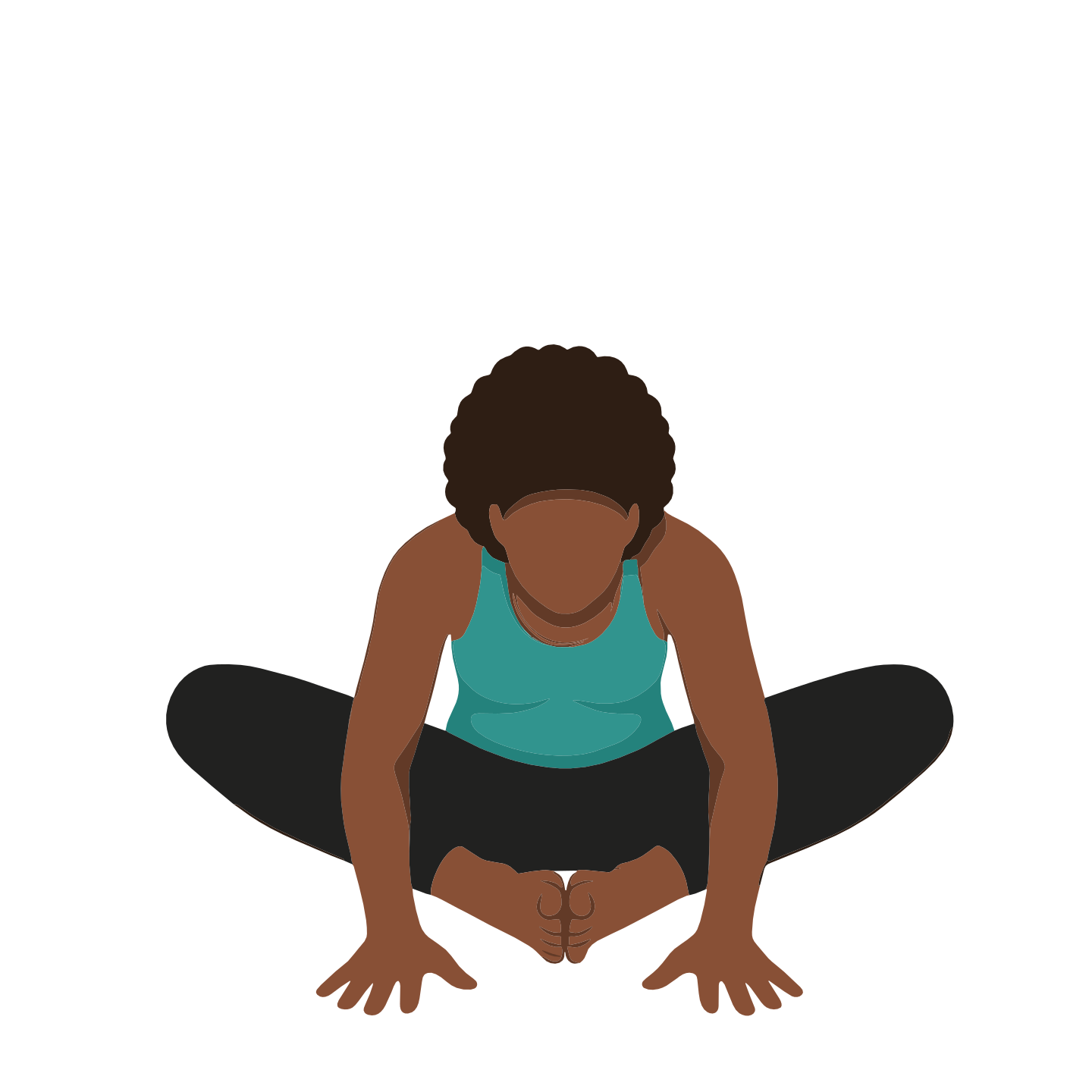
Butterfly Stretch
Hip Adductors and Groin · 30 seconds
  1. Sit on the floor and bring the soles of your feet together
  2. Hold your feet and sit tall with a long spine
  3. Gently press your knees toward the floor using your elbows
  4. Hinge slightly forward from the hips to deepen the stretch
  5. Do not force the knees down, let gravity do the work
Why it works
Side-hilling, scrambling, and stepping over logs engage the adductors in ways that flat walking doesn't. This stretch addresses the inner-thigh tightness hikers accumulate on technical trails.
10
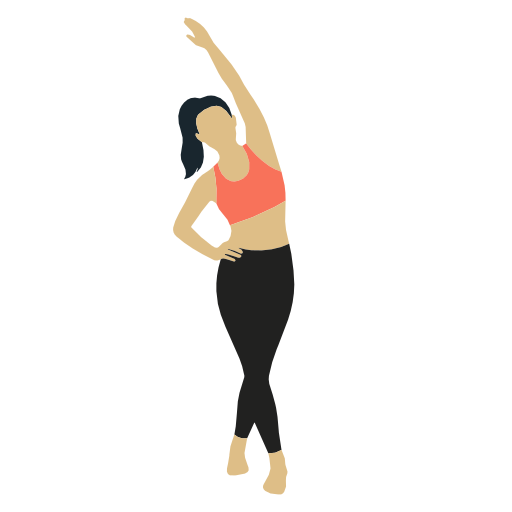
Standing IT Band Stretch
IT Band, TFL, and Glute Medius · 30 seconds per side
  1. Stand and cross one leg behind the other
  2. Lean your torso toward the side of the front leg
  3. Push your hips out toward the side of the back leg
  4. Reach the arm on the side of the back leg overhead to deepen the stretch
Why it works
Repetitive downhill descent loads the IT band with every flexion/extension cycle. Lateral knee pain (hiker's knee) is often IT band irritation, and this stretch addresses the primary contributing structure.
11
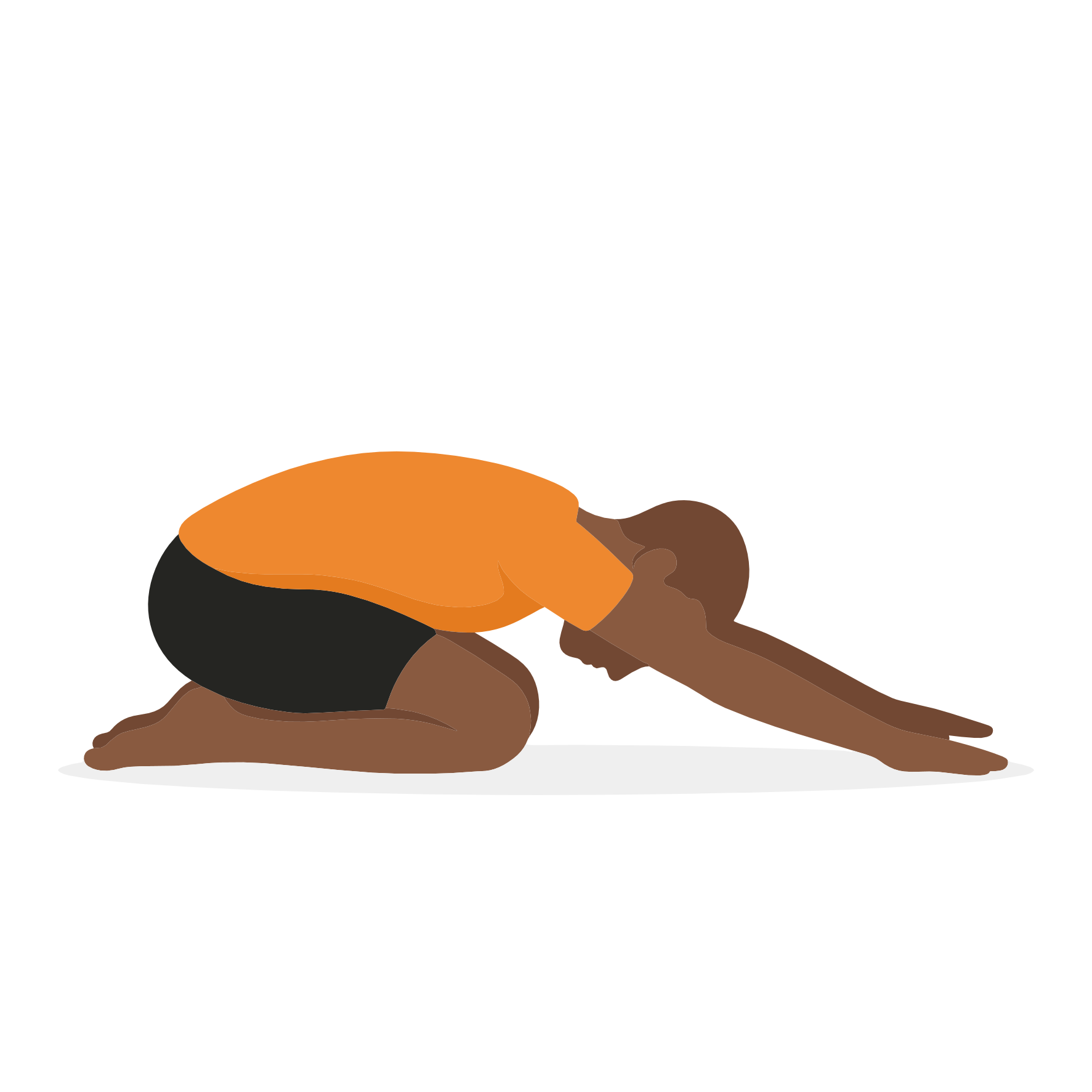
Child's Pose
Erector Spinae, Lats, and Glutes · 45 seconds
  1. Kneel and sit back on your heels, spreading the knees wide or together
  2. Reach both arms forward along the floor
  3. Rest your forehead on the mat and allow the spine to lengthen
  4. Breathe deeply into the back body, expanding with each inhale
  5. Hold for 60 seconds or longer for a deeper release
Why it works
Decompresses the lumbar spine loaded by pack carrying and fatigued back extensors. One of the most immediately relieving post-hike stretches for anyone who's hiked with a heavy pack.
12
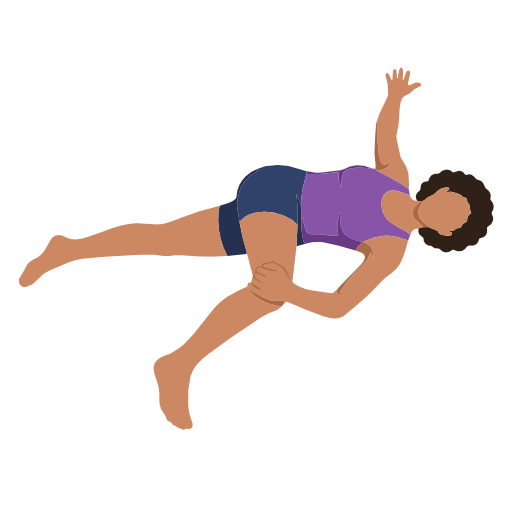
Supine Spinal Twist
QL, Erector Spinae, and Obliques · 25 seconds per side
  1. Lie on your back and draw one knee toward your chest
  2. Gently guide that knee across your body toward the opposite floor
  3. Extend the same-side arm out to a 'T' to keep the shoulder grounded
  4. Keep both shoulder blades on the floor throughout
  5. Breathe deeply and allow gravity to deepen the twist
Why it works
Asymmetrical pack loading and uneven terrain leave the paraspinals locked and often twisted. This twist releases the QL and obliques on the tight side and provides immediate lower-back relief.
13
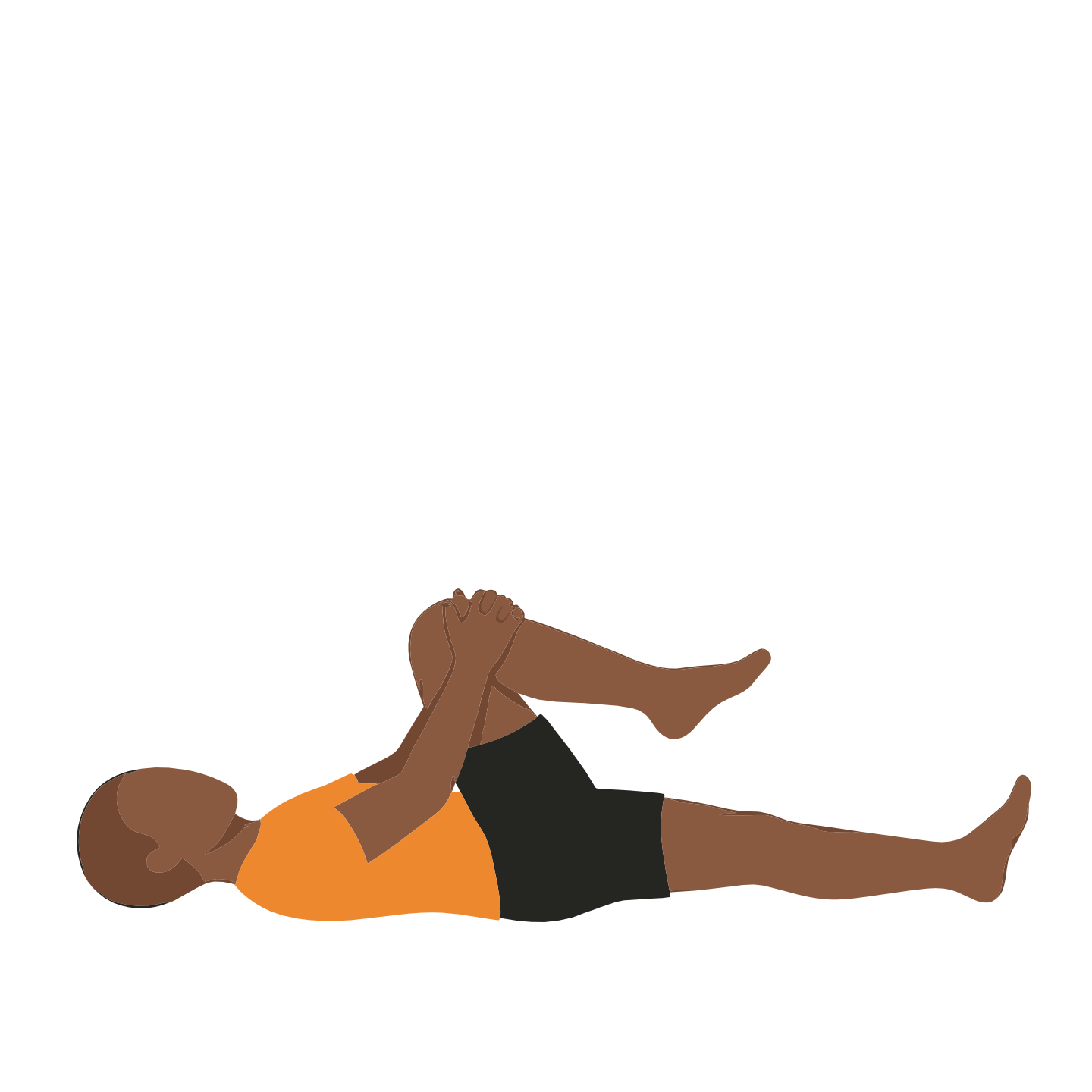
Single Knee to Chest
Lumbar Erectors, Glute Max, and Hip Extensors · 30 seconds per side
  1. Lie flat on your back with both legs extended
  2. Draw one knee toward your belly button using both hands
  3. Hug the shin gently and keep the opposite leg relaxed on the floor
  4. Keep your head and shoulders on the mat
  5. Breathe deeply into the stretch, then switch legs
Why it works
Gently flexes the lumbar spine to decompress the facet joints loaded by hours of descent with a pack. Simple and immediately relieving for the specific lower-back fatigue that builds over long miles.
14
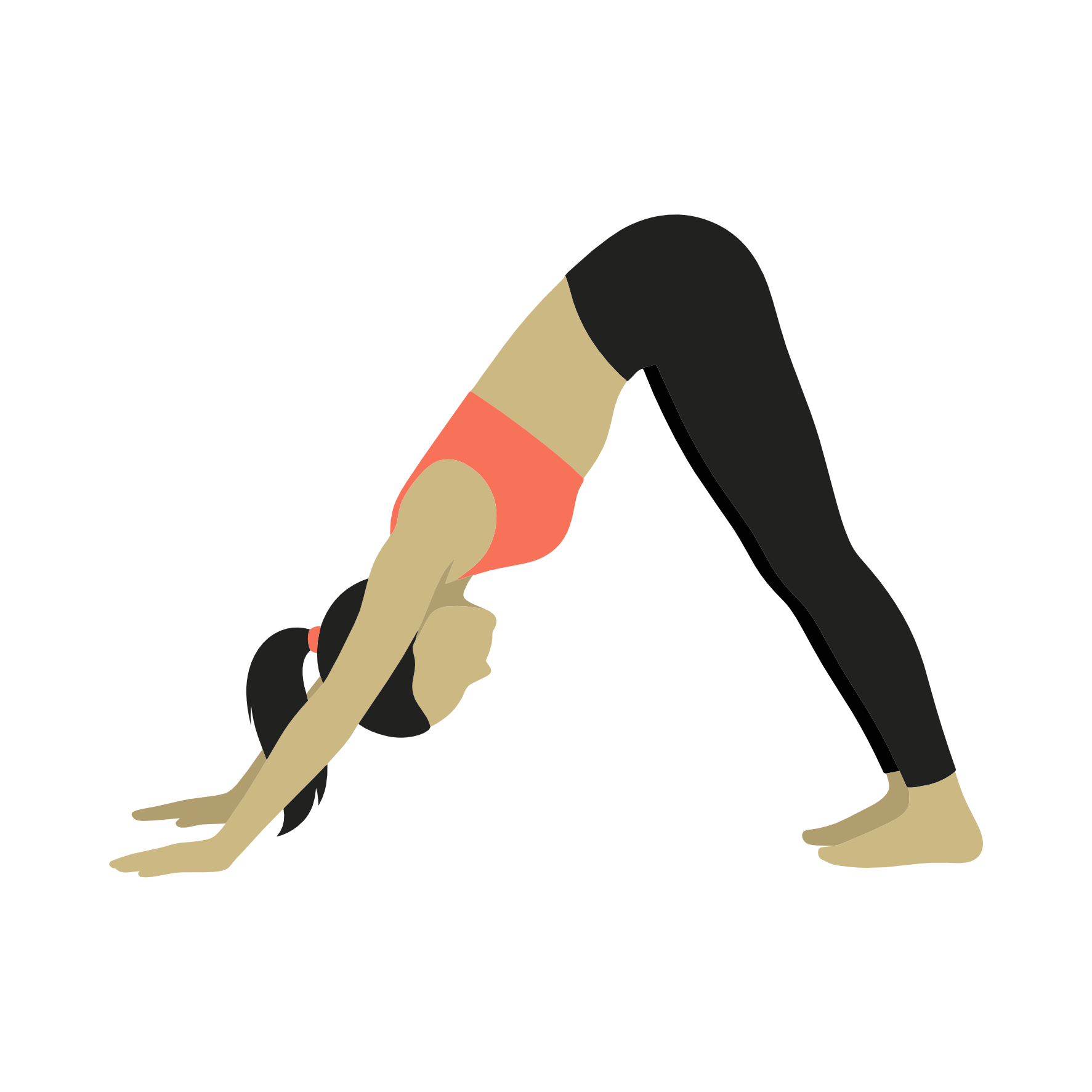
Downward Dog
Hamstrings, Calves, Glutes, Lats, and Shoulders · 8 breaths
  1. From all fours, tuck toes and push hips up and back forming an inverted 'V'
  2. Press through the full palm and spread the fingers wide
  3. Work toward straightening the legs and pressing heels toward the floor
  4. Keep the spine long, don't round the upper back
  5. Let the head hang freely between the arms
Why it works
A single pose that addresses the entire posterior chain along with pack-fatigued shoulders. The heel push also provides a deep calf stretch that complements the wall stretch for full lower-leg release.
15
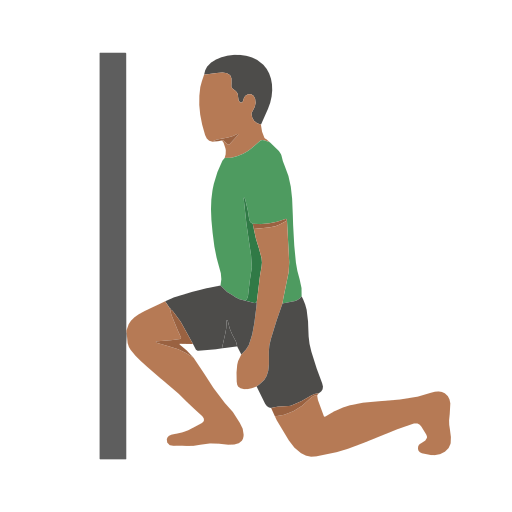
Knee-to-Wall Ankle Dorsiflexion
Soleus, Gastrocnemius, and Posterior Ankle Capsule · 25 seconds per side
  1. Stand facing a wall with one foot a few inches away
  2. Keep your heel planted firmly on the floor
  3. Drive your knee forward over your toes to touch the wall
  4. Move the foot back slightly if it's too easy, keeping the heel down
Why it works
Adequate dorsiflexion is essential for efficient hiking gait and knee health. Maintaining this range after each hike prevents the compensations that cause patellofemoral pain on steep descents.

Why Your Calves Hurt More Than Anything Else

The gastrocnemius and soleus work against gravity on every uphill step and act as shock absorbers on every downhill step. Over a 5-mile hike with 1,500 feet of elevation, that's tens of thousands of repetitions in a shortened position. Without a cool-down, that accumulated tension stays locked in, contributing to Achilles tendinopathy and plantar fasciitis in hikers who skip the stretch.

The calf wall stretch with both a straight and a bent knee is non-negotiable. The straight-leg version targets the gastrocnemius, which crosses the knee and pulls on the hamstrings. The bent-knee version reaches the deeper soleus, which directly loads the Achilles. Both are necessary.

The IT Band Problem on Descents

The IT band isn't really a muscle. It's a thick band of fibrous tissue that runs from the hip to the knee. It gets irritated when the glute medius can't keep up with the demands of descent. Every step down the mountain requires single-leg hip stabilization, and if the glute medius fatigues, the IT band picks up the slack.

Studies of trail runners, who share most of the descent mechanics with hikers, show that IT band syndrome accounts for up to 22% of all overuse injuries.

The standing IT band stretch and lying figure-4 together address both the TFL and glute medius. Do both.

Pack Weight and Your Spine

A loaded backpack shifts your center of gravity forward and compresses the lumbar spine's facet joints. Over hours, this creates the familiar low-back fatigue that hikers describe as "feeling the miles." Child's pose provides immediate decompression. The supine spinal twist releases the QL on both sides, which is often locked asymmetrically by the way most hikers favor one side.

Frequently asked questions

How long should I cool down after hiking?
10 to 15 minutes of static stretching is sufficient for most hikes. After a long or demanding hike (over 3 hours or significant elevation gain), extend to 20 minutes and pay extra attention to the hip flexors and calves.
Should I stretch immediately after finishing a hike or wait?
Stretch immediately while your muscles are still warm. The window within the first 15 minutes after finishing gives you the best combination of warm, pliable tissue and elevated blood flow for effective lengthening.
Why do my knees hurt after downhill hiking?
Downhill hiking loads the knee eccentrically with every step. The most common causes are tight quads, a tight IT band, and weak glute medius. Prioritize the standing quad stretch, IT band stretch, and figure-4 stretch in your cool-down, and add glute strengthening to your training.
My lower back is always sore after hiking. What should I do?
Pack weight compresses the lumbar spine over hours. The child's pose, supine spinal twist, and single knee to chest are your three most important stretches for this. If pain persists beyond 48 hours, consider a pack fit assessment, as improper hip-belt positioning is the most common cause of hiker lower-back pain.
Reach is launching soon
Audio cues, hold timers, and sport-specific routines built for athletes who want to stay healthy. Join the waitlist to be first to know when we launch.
Mayo Clinic. Stretching and Flexibility
Hinge Health. Standing Forward Bend
Cleveland Clinic. Hip Opening Stretches
Healthline. Couch Stretch Guide

More Hiking guides

Mobility
Hiking Mobility Stretches: 15 Rest-Day Exercises to Stay Trail-Ready
Warm-Up
Hiking Warm-Up Stretches: 15 Dynamic Moves Before You Hit the Trail