← Back to library
Basketball·Cool-Down
·7 min read

Basketball Cool-Down Stretches: 10 Static Holds for Post-Game Recovery

Post-game recovery for basketball must prioritize the quads and calves to reduce the tension on the patellar and Achilles tendons, which are the primary sites of chronic basketball injuries.

The ten minutes after the buzzer are your best window to restore the range of motion lost to hours of jumping, sprinting, and cutting. These static holds target the specific muscles most loaded in basketball, your quads, calves, and hip flexors, ensuring you walk off the court without the usual stiffness.

The Recommended Routine

1
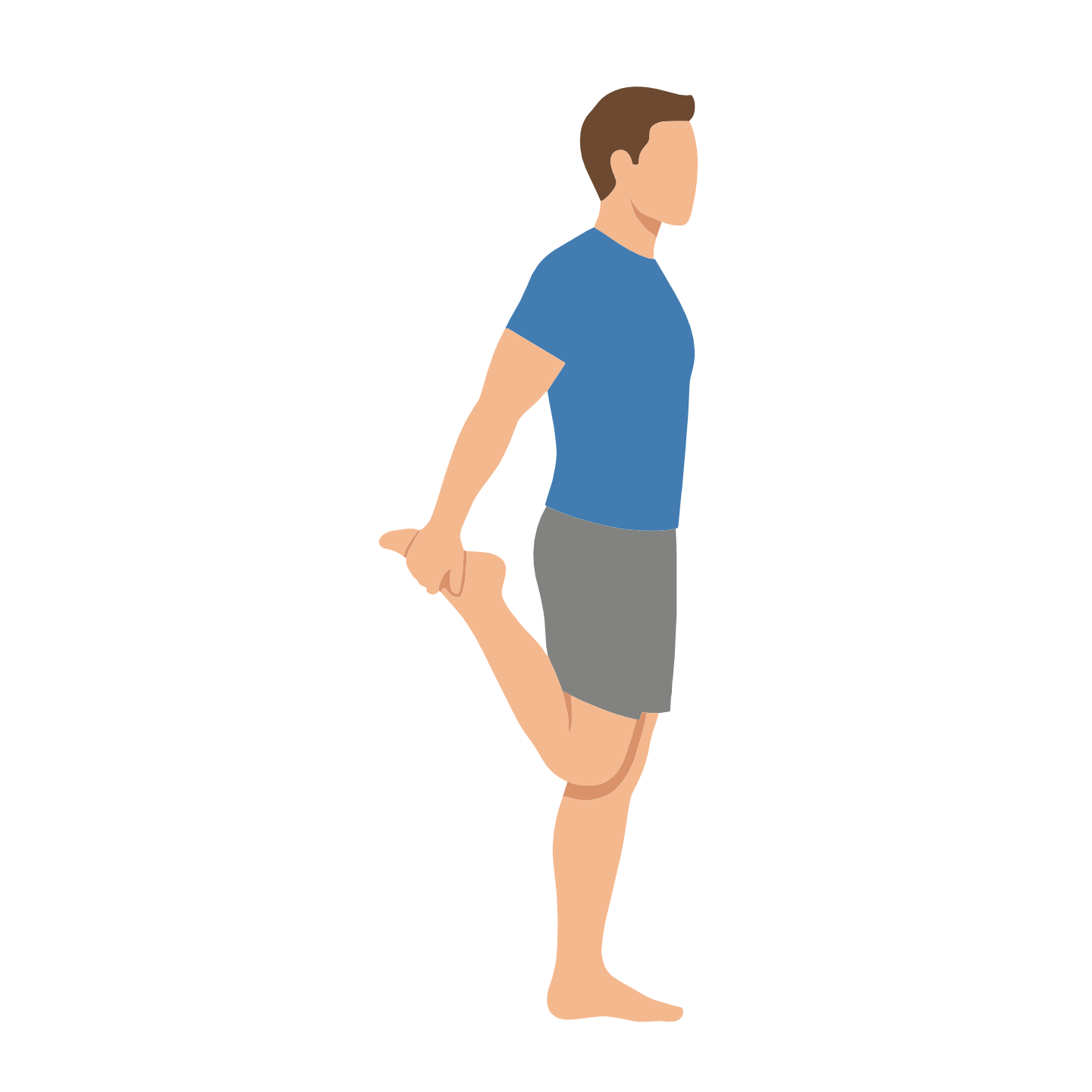
Standing Quad Stretch
Quads and Hip Flexors · 45 seconds per side
  1. Stand on one leg, holding a wall or surface for balance if needed
  2. Pull the opposite ankle toward your glute, keeping knees together
  3. Stand tall, don't lean forward or arch the lower back
  4. Squeeze the glute of the stretched leg to deepen the hip flexor portion
  5. Hold, release, and switch legs
Why it works
Repetitive jumping loads the patellar tendon; restoring quad length offloads the joint and helps prevent Jumper's Knee.
2
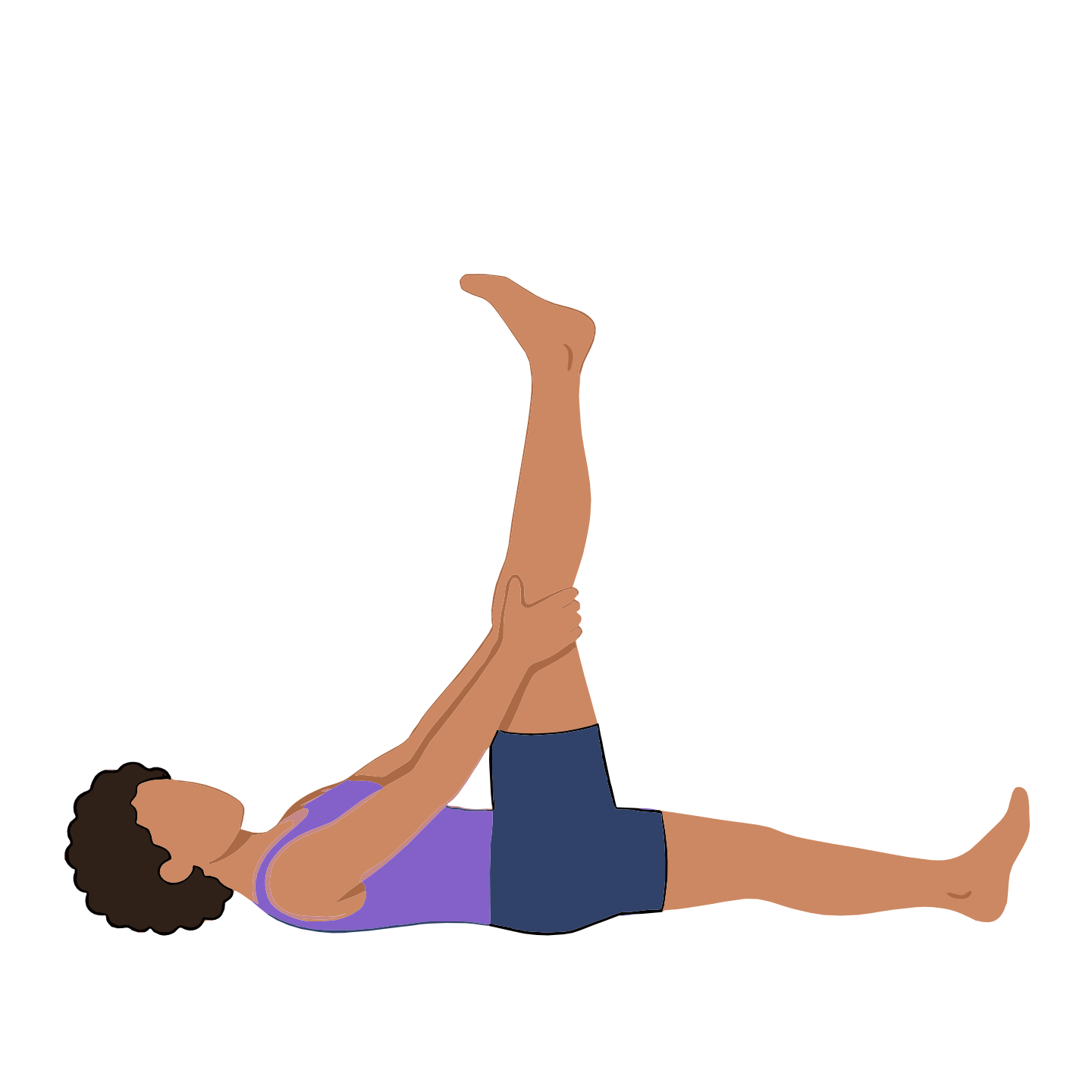
Lying Floor Hamstring Fold
Hamstrings · 45 seconds per side
  1. Lie on your back with one leg flat on the ground
  2. Raise the other leg as high as it will naturally go
  3. Grasp behind the thigh or calf and gently pull the leg toward you
  4. Flex your foot to increase the stretch
  5. Keep the grounded leg flat and the lower back pressing into the floor
Why it works
Hamstring strains are a leading cause of missed games; maintaining length is your best defense against a pull.
3
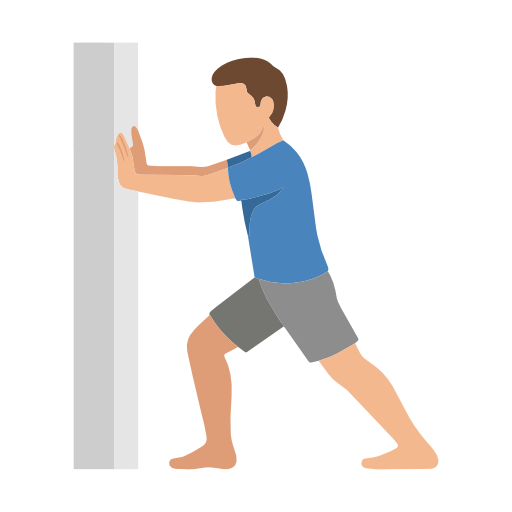
Calf Wall Stretch
Gastrocnemius · 30 seconds per side
  1. Face a wall and step one foot back with the heel flat on the floor
  2. Keep the back leg straight to stretch the calf
  3. Lean hips forward until you feel the stretch in the back leg
  4. Hold, then switch legs
Why it works
Restores the ankle dorsiflexion needed to prevent lateral ankle sprains, the most common injury in the game.
4
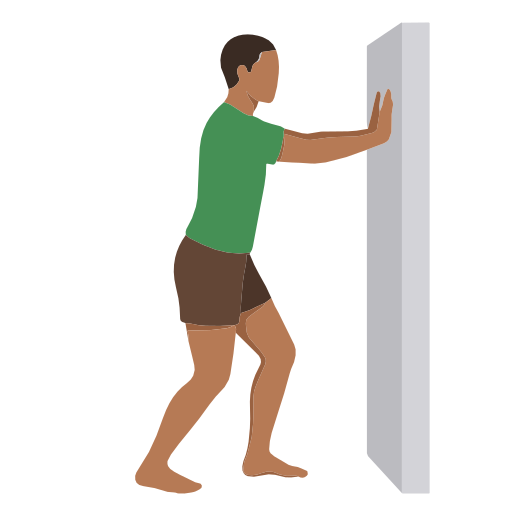
Soleus / Achilles Wall Stretch - Bent-Knee
Deep Calf (Soleus) and Achilles · 30 seconds per side
  1. Face a wall and step one foot back with the heel flat on the floor
  2. Bend the back knee while keeping the heel firmly down and toes slightly inward
  3. Press hips forward and slightly down
  4. Stretch is felt low on the calf, just above the heel
  5. Hold 30 seconds, 2–3× per side
Why it works
The soleus is heavily loaded during every jump landing and requires a bent-knee stretch to isolate correctly.
5
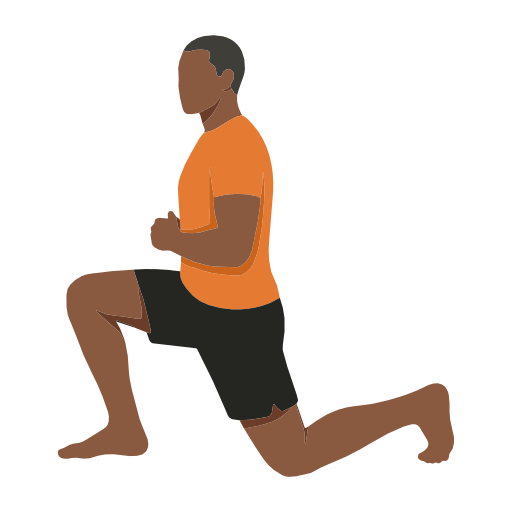
Half Kneeling Hip Flexor
Hip Flexors · 45 seconds per side
  1. Assume a half-kneeling position (one knee down, one foot forward)
  2. Tuck your pelvis slightly (posterior tilt) to engage the glute of the down leg
  3. Shift your weight slightly forward without arching your lower back
  4. Maintain a tall posture
Why it works
Defensive stances and jumping shorten the hip flexors, which can lead to chronic lower back pain.
6
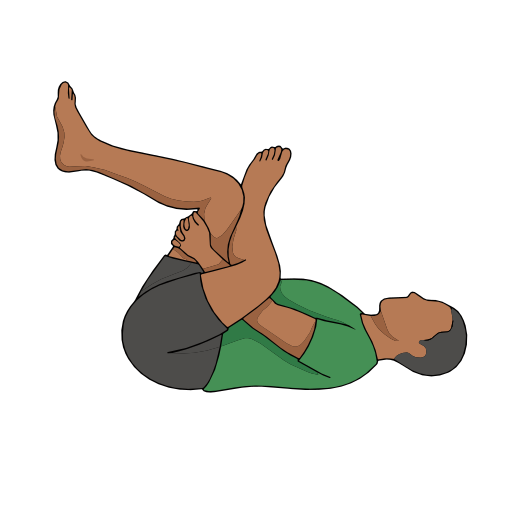
Lying Figure-4
Glutes and Hips · 30 seconds per side
  1. Lie on your back with both knees bent and feet flat on the floor
  2. Cross one ankle over the opposite knee in a figure-4 shape
  3. Pull the bottom thigh toward your chest, threading your hands through or around
  4. Keep your head and shoulders relaxed on the floor
  5. Hold, breathe deeply, then switch sides
Why it works
Cutting and defensive shuffles overload the deep hip rotators; this stretch relieves that deep-seated tension.
7
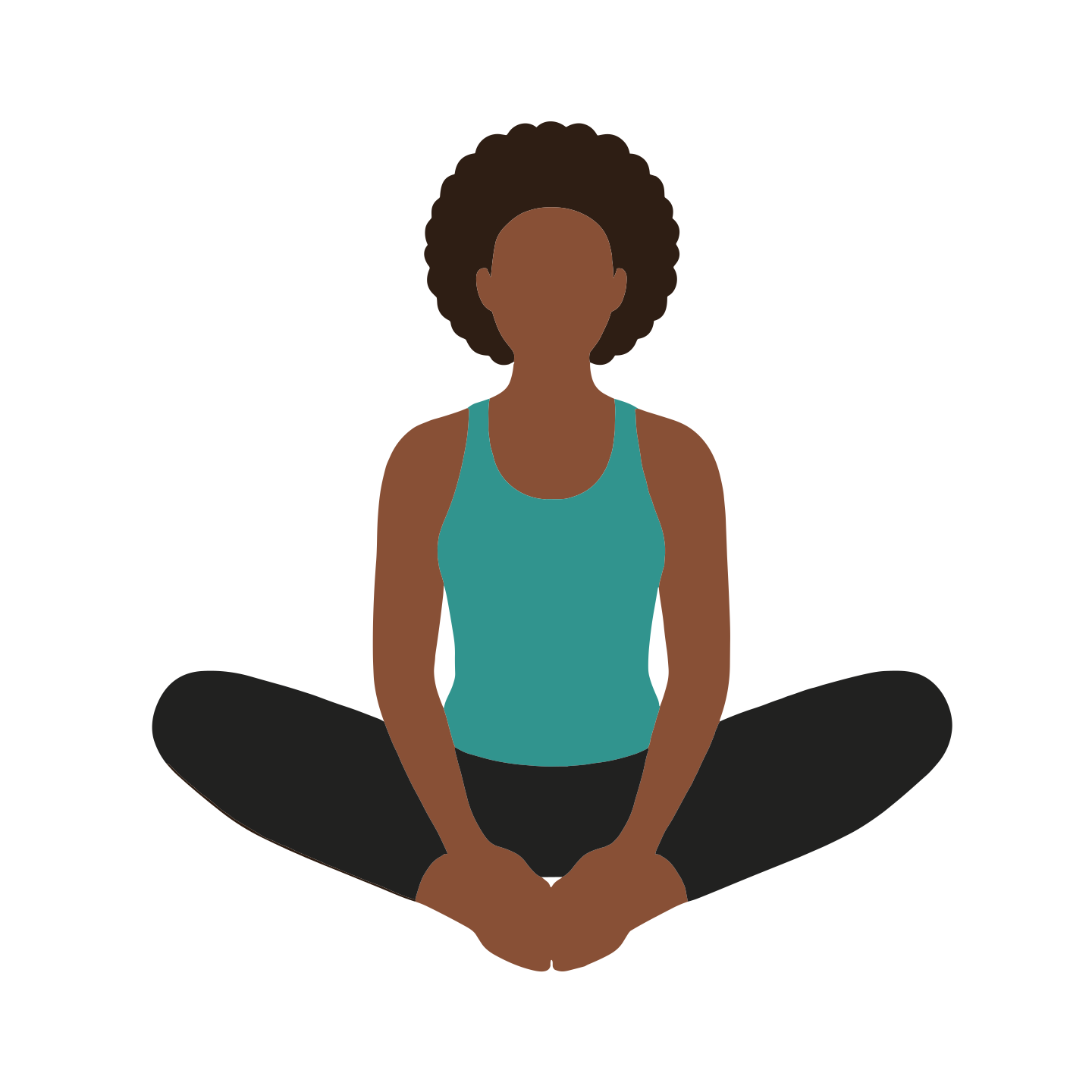
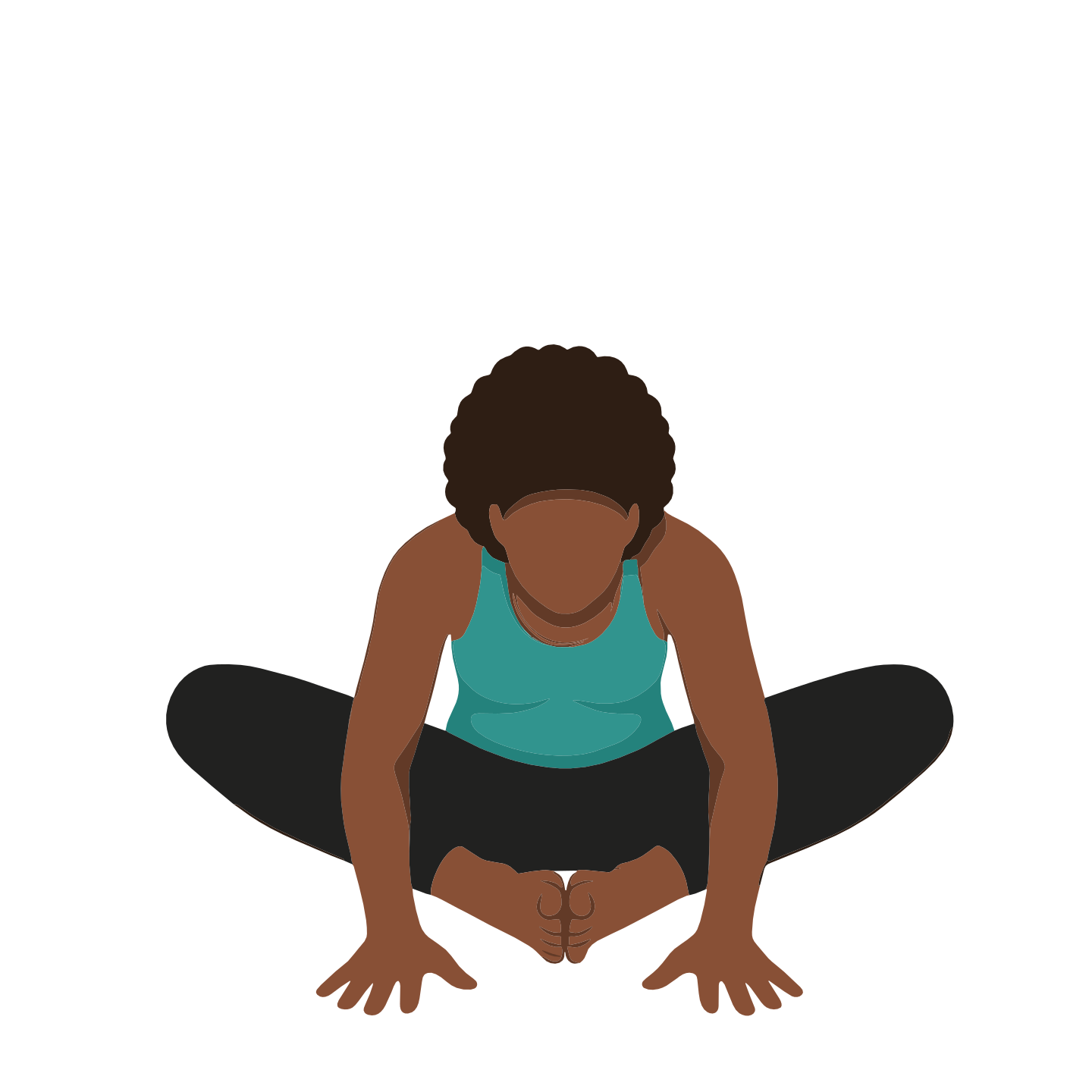
Butterfly Stretch
Inner Thigh · 45 seconds
  1. Sit on the floor and bring the soles of your feet together
  2. Hold your feet and sit tall with a long spine
  3. Gently press your knees toward the floor using your elbows
  4. Hinge slightly forward from the hips to deepen the stretch
  5. Do not force the knees down, let gravity do the work
Why it works
Adductor strains have a high recurrence rate in basketball due to the rapid lateral nature of the sport.
8
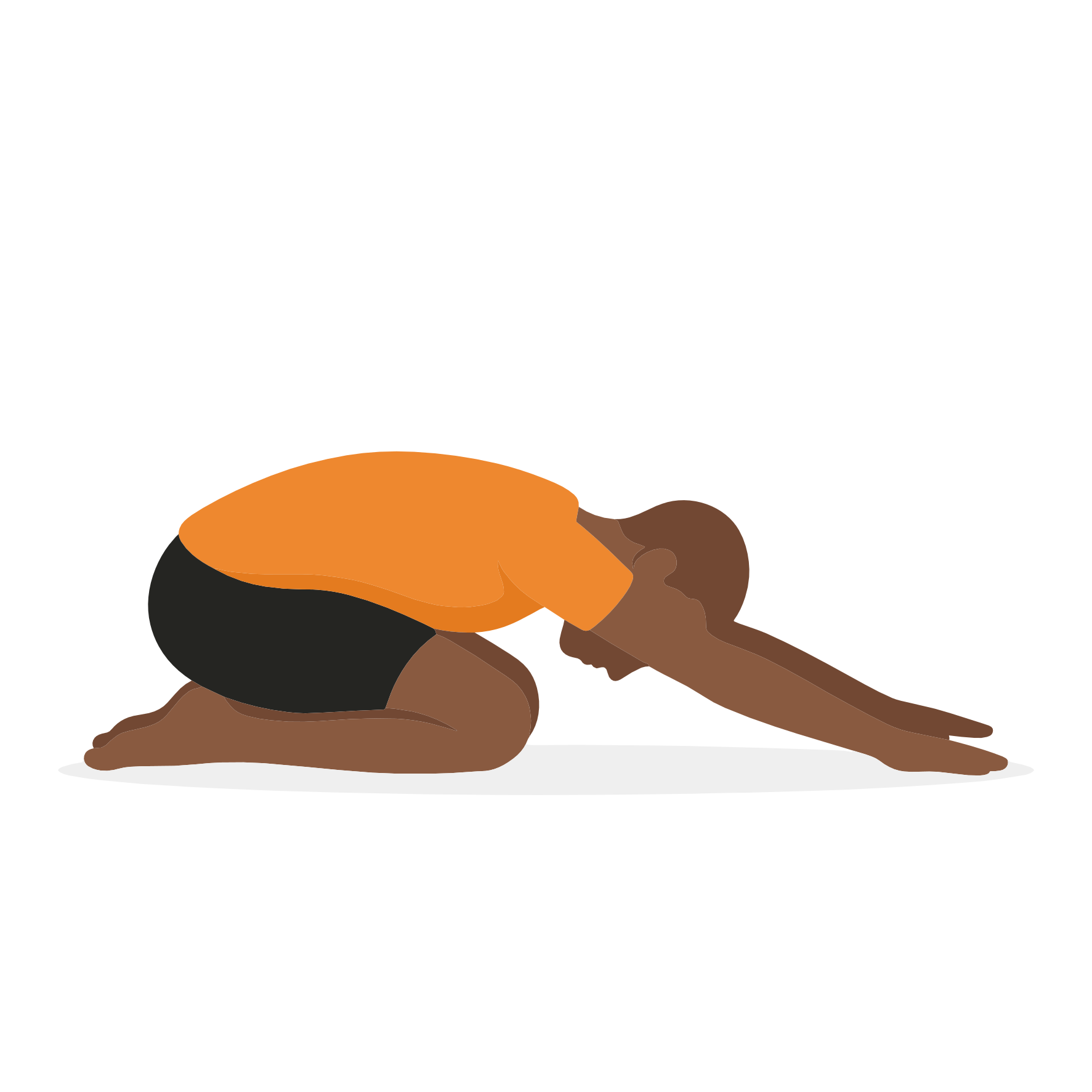
Child's Pose
Lower Back and Spine · 60 seconds
  1. Kneel and sit back on your heels, spreading the knees wide or together
  2. Reach both arms forward along the floor
  3. Rest your forehead on the mat and allow the spine to lengthen
  4. Breathe deeply into the back body, expanding with each inhale
  5. Hold for 60 seconds or longer for a deeper release
Why it works
Lumbar strains are common in high-impact sports; this pose gently decompresses the spine for recovery.
9
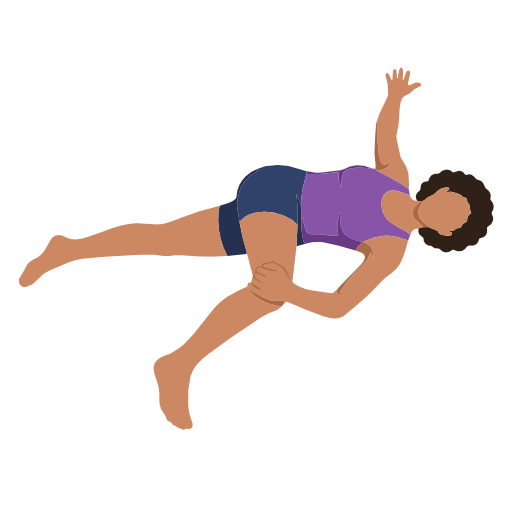
Supine Spinal Twist
Full Spine and IT Band · 30 seconds per side
  1. Lie on your back and draw one knee toward your chest
  2. Gently guide that knee across your body toward the opposite floor
  3. Extend the same-side arm out to a 'T' to keep the shoulder grounded
  4. Keep both shoulder blades on the floor throughout
  5. Breathe deeply and allow gravity to deepen the twist
Why it works
Releases the lower back and IT band, which endure heavy loading during multi-directional cutting.
10
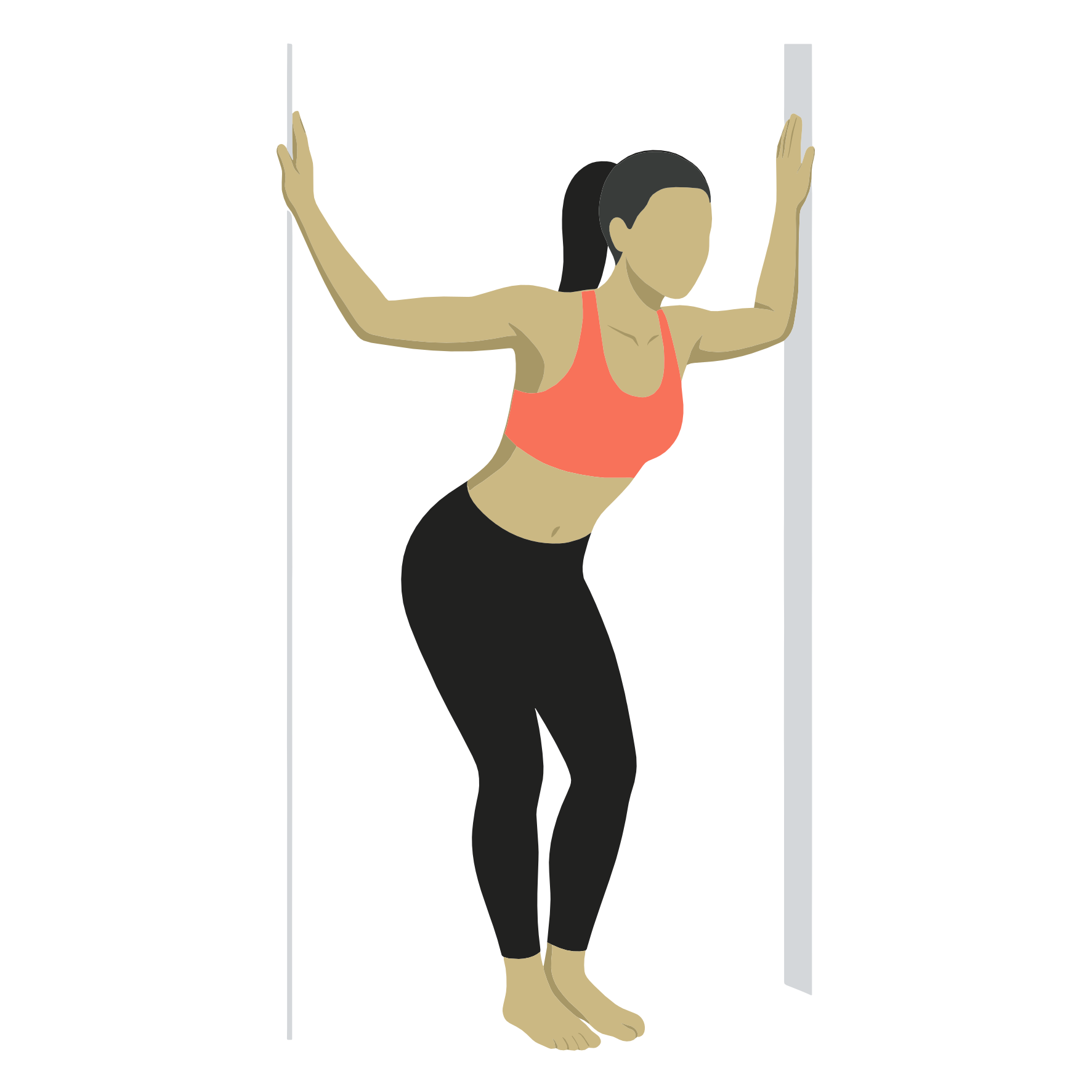
Doorway Chest Stretch
Chest and Shoulders · 30 seconds per side
  1. Place hands on a wall, chair, or door frame at shoulder height
  2. Lean your torso forward between your arms until a stretch is felt across the chest
  3. Keep a slight bend in the elbows
  4. Hold the stretch without bouncing
  5. Breathe deeply and let the chest expand with each inhale
Why it works
Shooting and rebounding are repetitive overhead tasks; this helps prevent shoulder impingement.

The Recovery Discipline

Recovery doesn't happen by accident. In professional basketball, the players with the highest 'games played' metrics aren't just lucky; they're the ones with the most disciplined post-game protocols.[1]

By spending ten minutes on these static holds, you shift your body from a state of high-intensity stress to a state of rebuilding. This is what allows you to maintain your 'pop' and lateral speed over a long season.

Offloading the Tendons

The two most common sites of chronic pain in basketball are the patellar tendon (knee) and the Achilles tendon (ankle). Both are the result of cumulative loading that exceeds the tissue's ability to recover.[2]

Basketball is a game of repeated 'micro-trauma' to the tendons; cool-down stretching is the repair kit.

The Standing Quadriceps Stretch and the Wall Calf Stretches are essential for offloading these tendons. By restoring the resting length of the muscles, you reduce the constant 'pull' on the joint, allowing the tendons to heal overnight.

The Ankle-Knee Connection

Most players don't realize that tight calves are a primary predictor of ankle sprains. When your calf is tight, your ankle loses its ability to 'dorsiflex' (pull the toes up). This forces your foot to roll outward during landings, leading to a roll.[3]

Spending just 60 seconds on your calves after every session is the single best investment you can make in your season. It ensures your ankles have the mobility they need to absorb the impact of the game safely.

Frequently asked questions

How long should I hold each stretch after a game?
Thirty to forty-five seconds is the sweet spot. It's long enough to signal the muscle to relax without causing additional stress.
Is it okay to stretch if I have an ankle sprain?
If you have an acute injury, avoid stretching the affected area until the initial inflammation has gone down. Focus on the other joints instead.
What if my knees are too sore to kneel?
You can perform the hip flexor stretch standing by placing your back foot on a bench or chair, or simply skip the kneeling moves.
Reach is launching soon
Audio cues, hold timers, and sport-specific routines built for athletes who want to stay healthy. Join the waitlist to be first to know when we launch.
1. AAOS Knee Conditioning Program. 2022
2. Drakos MC et al. Sports Health. 2010
3. HSS Rehabilitation Protocols. 2023

More Basketball guides

Mobility
Basketball Mobility Stretches: Daily Maintenance for Long-Term Joint Health
Warm-Up
Basketball Warm-Up Stretches: 10 Dynamic Moves Before You Play