← Back to library
Swimming·Warm-Up
·7 min read

Swimming Warm-Up Stretches: 15 Dryland Moves Before You Hit the Water

A swimming dryland warm-up should activate the rotator cuff and scapular stabilizers before pool entry, as impingement risk is highest when these structures fatigue early in a session. Focus on shoulder circles, wall angels, and trunk rotations to prepare the full kinetic chain before swimming.

Swimmer's shoulder is the most common overuse injury in the sport, affecting up to 47% of competitive swimmers. The primary cause isn't overtraining, it's training with a shoulder that isn't properly prepared for the demands of 1,500 or more rotations per session. A thorough dryland warm-up primes the rotator cuff, activates the posterior shoulder stabilizers, and opens the thoracic spine for the body rotation that protects the shoulder from impingement.

The Recommended Routine

1
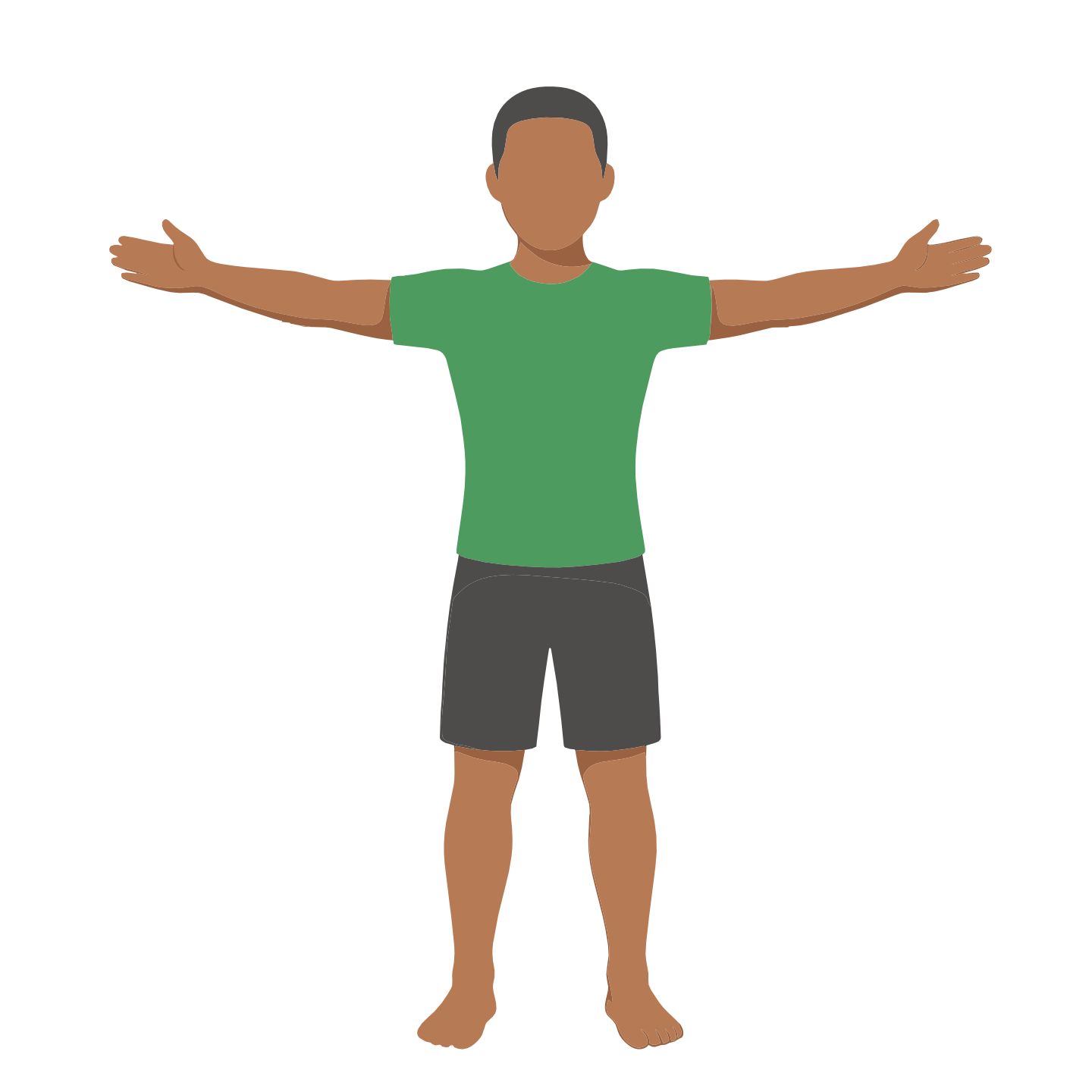
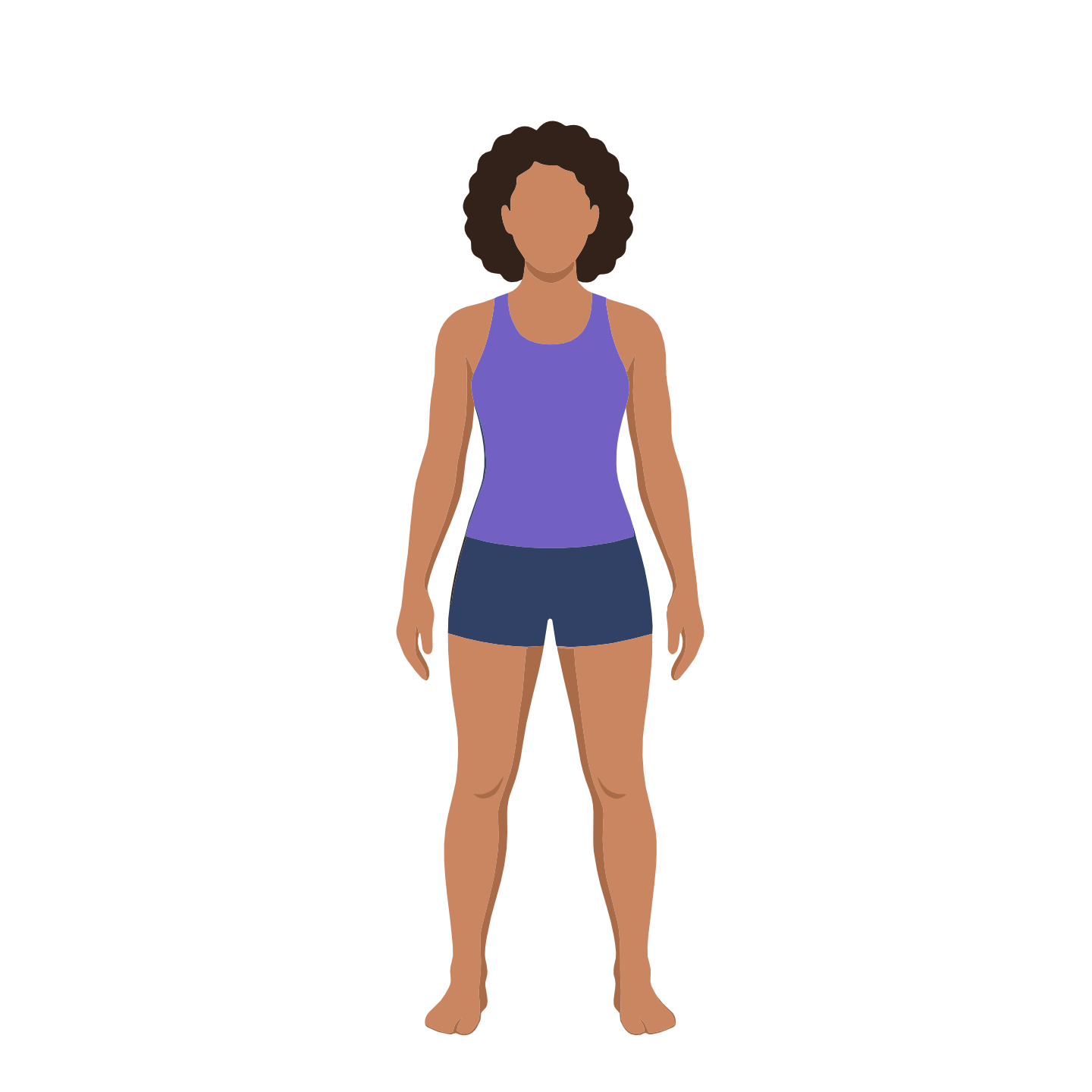
Arm Circles
Deltoids, Rotator Cuff, and Scapular Stabilizers · 20 circles each direction
  1. Stand with feet shoulder-width apart and arms extended to a 'T'
  2. Begin with large, controlled circular motions
  3. Keep your core engaged and posture upright
  4. Reverse direction halfway through
Why it works
Primes the glenohumeral joint and rotator cuff through the full rotational range of the catch and recovery before your first lap. Approximately 1,500 shoulder rotations per hour of swimming makes this preparation non-optional.
2
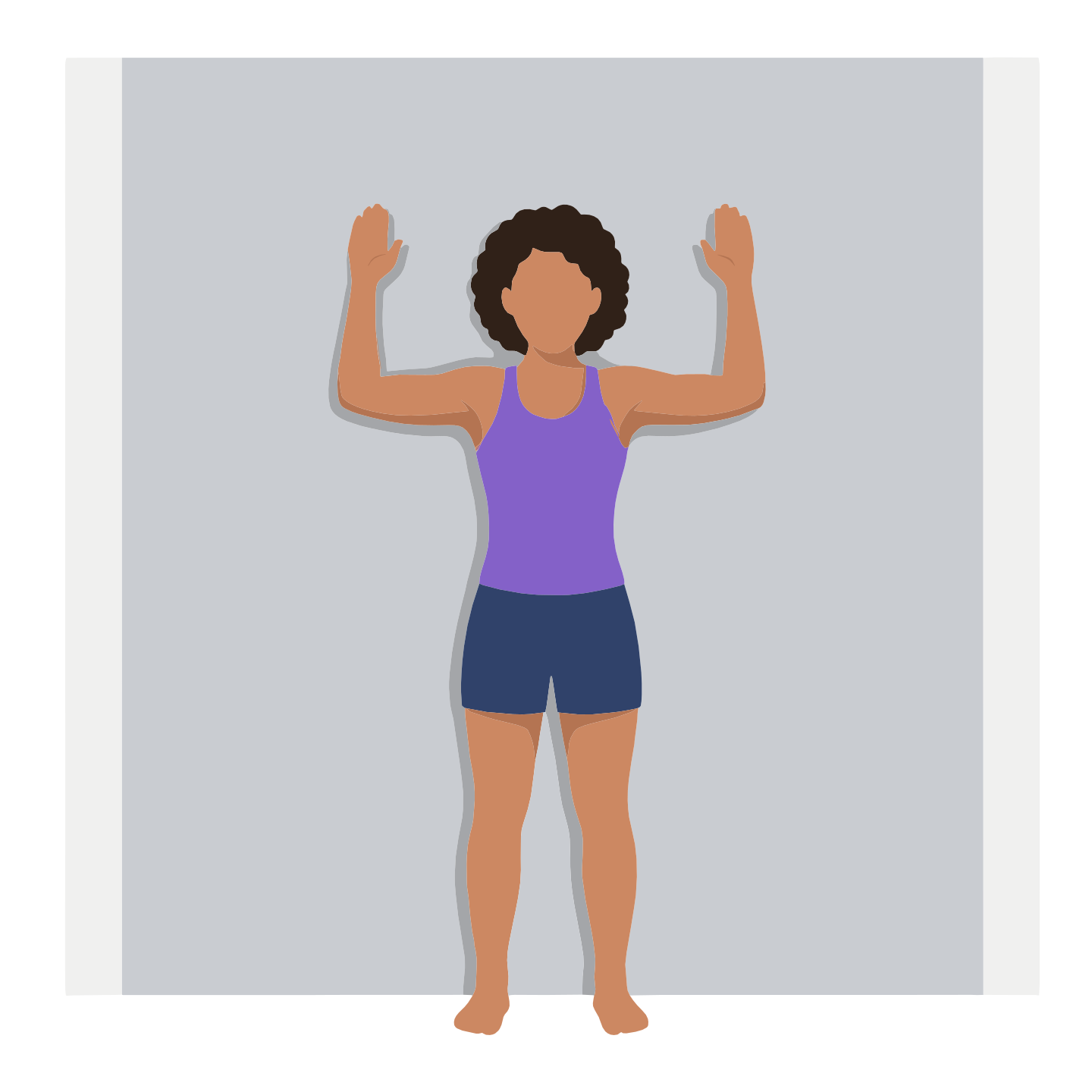
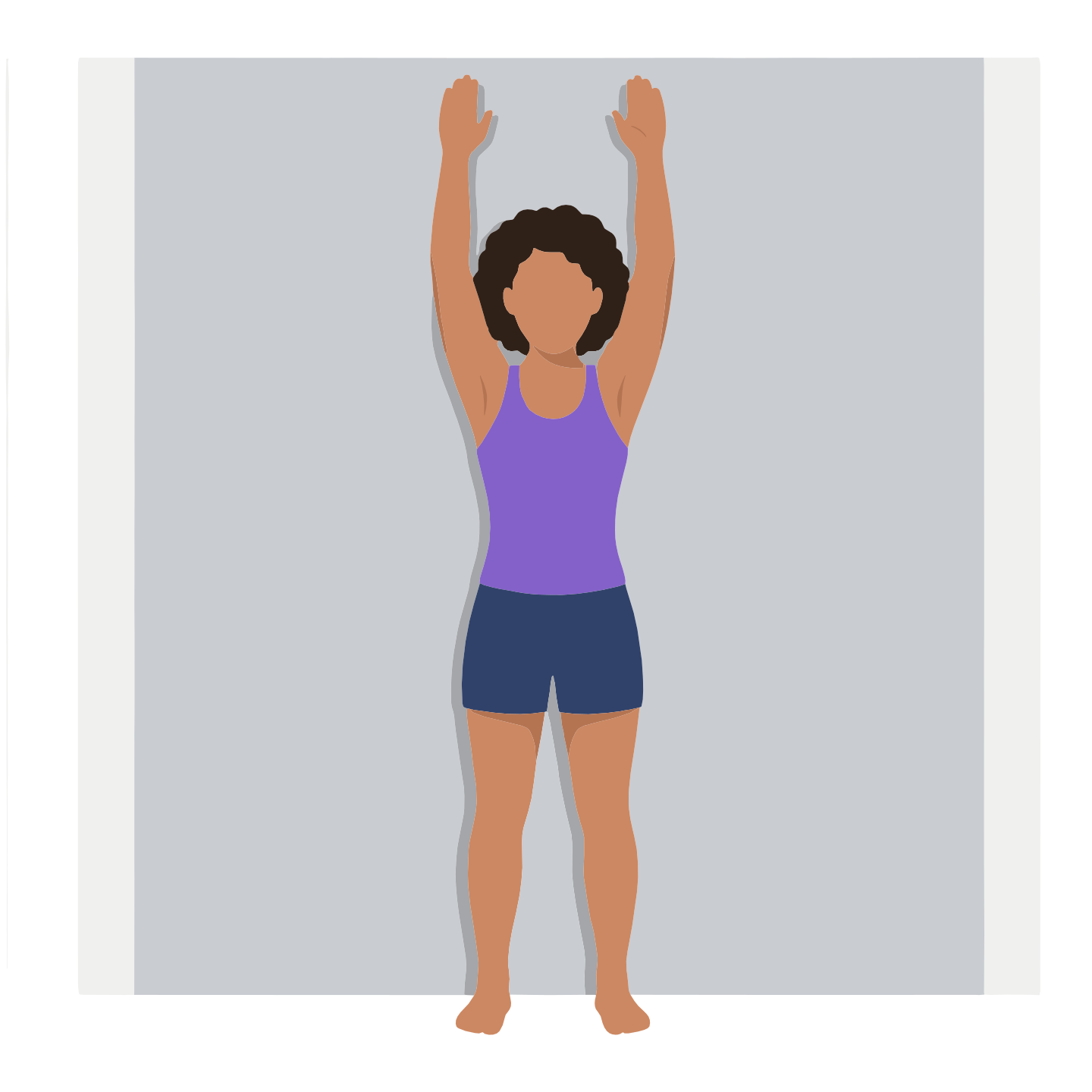
Wall Angels
Lower and Mid Traps, Rhomboids, and Serratus · 12 reps
  1. Stand with your back flat against a wall, feet, hips, back, and head all touching
  2. Start with arms in a goalpost position (elbows and wrists against wall)
  3. Slowly slide arms up toward the ceiling, keeping all points of contact
  4. Stop if you can no longer keep arms, elbows, or back against the wall
  5. Slide arms back down to the goalpost position and repeat
Why it works
Trains scapular upward rotation and thoracic extension for a tight streamline, the most important position in swimming. Poor scapular control is the primary risk factor for subacromial impingement in swimmers.
3
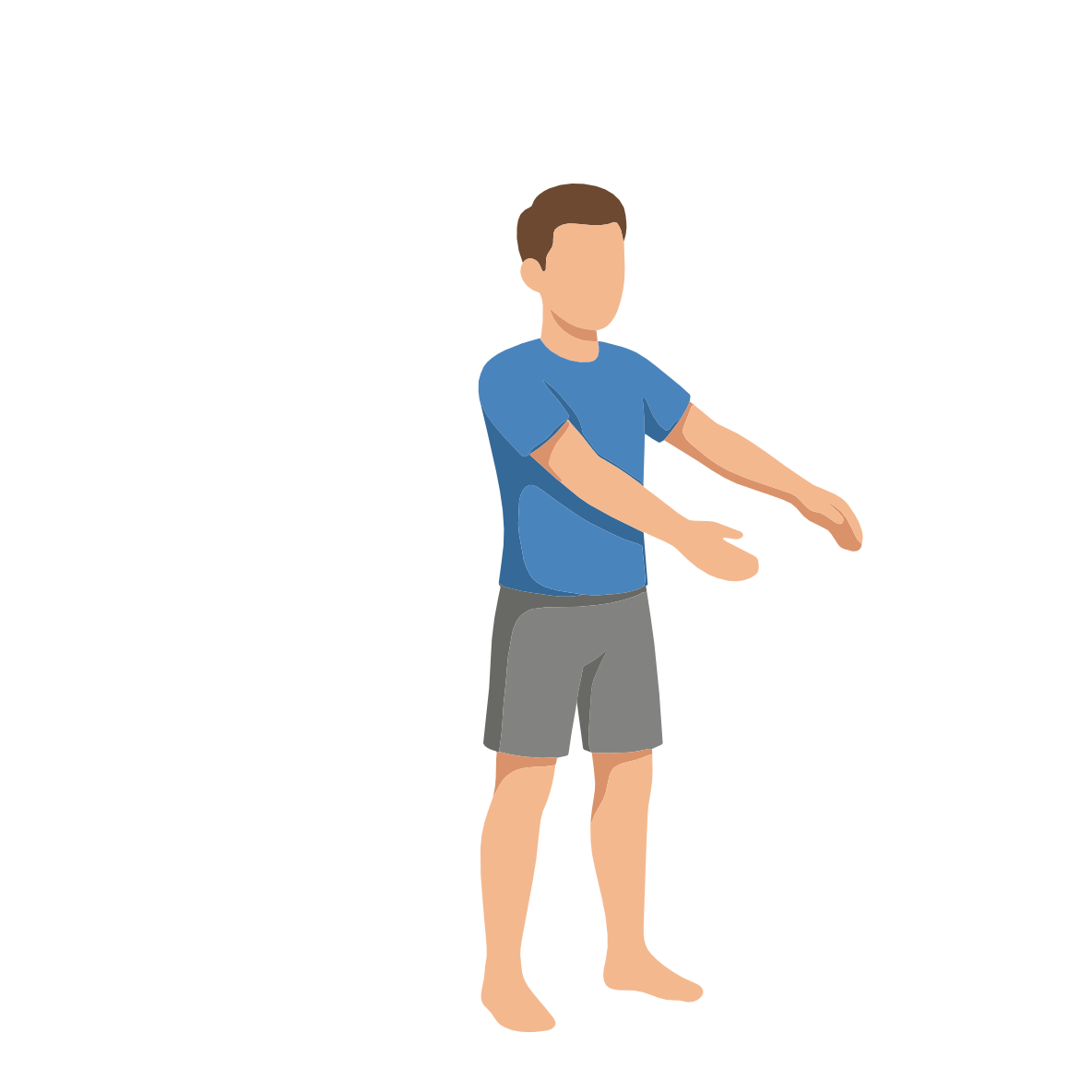
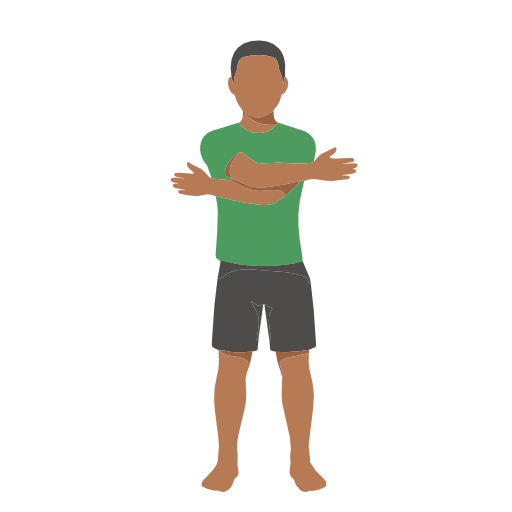
Dynamic Chest Opener
Pecs, Anterior Deltoid, Rhomboids, and Rear Delts · 15 reps
  1. Hold a stick, towel, or use arms wide and sweep from front to back
  2. Keep arms straight throughout the movement
  3. Move slowly and only go as far as shoulder mobility allows
  4. Grip width can be widened to reduce shoulder demand
  5. Avoid shrugging the shoulders, keep them packed down
Why it works
Dynamically opens the chronically tight pecs while activating the posterior stabilizers that counteract forward-rounded swimmer posture. Research identifies pec tightness as a key driver of anterior shoulder impingement in freestyle swimmers.
4
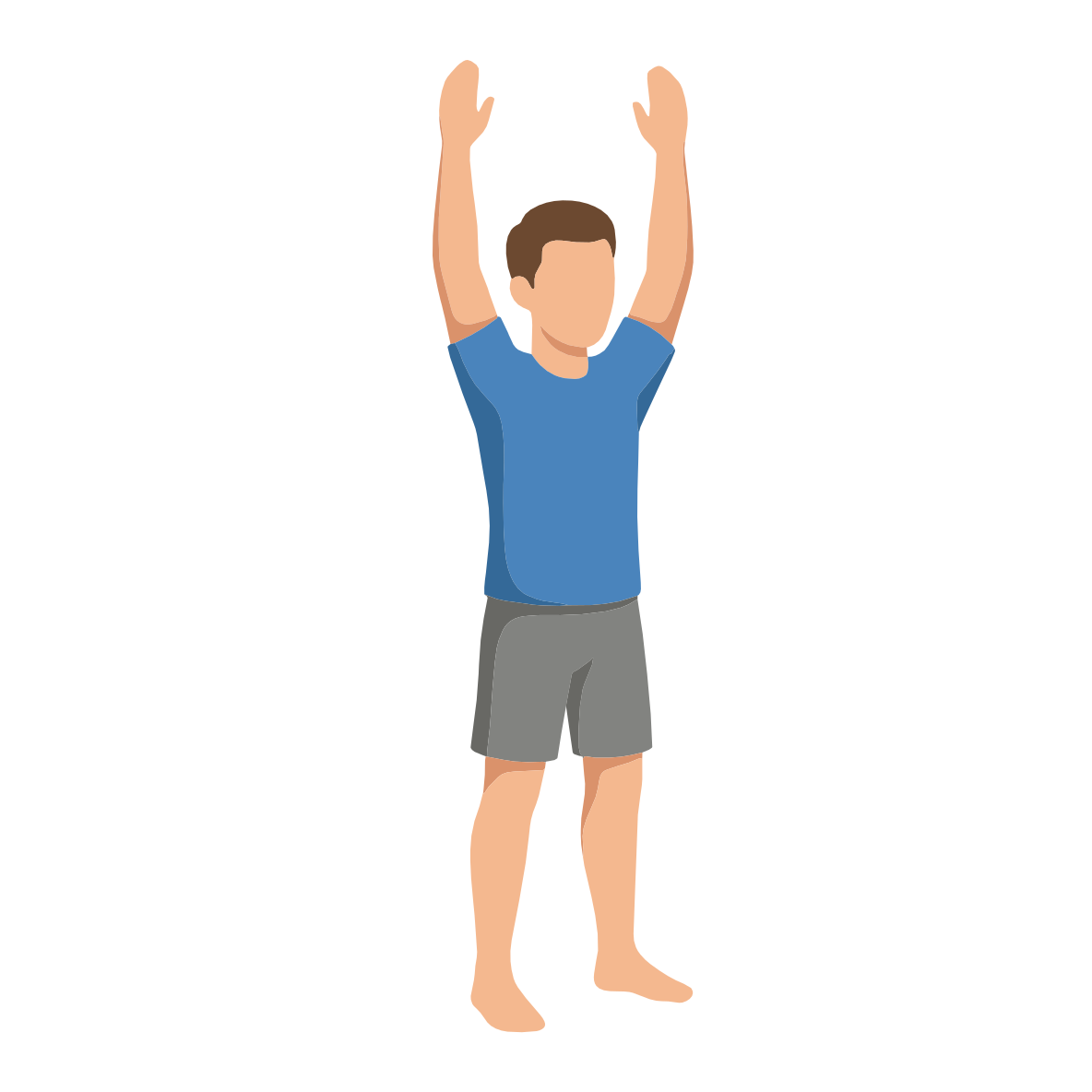
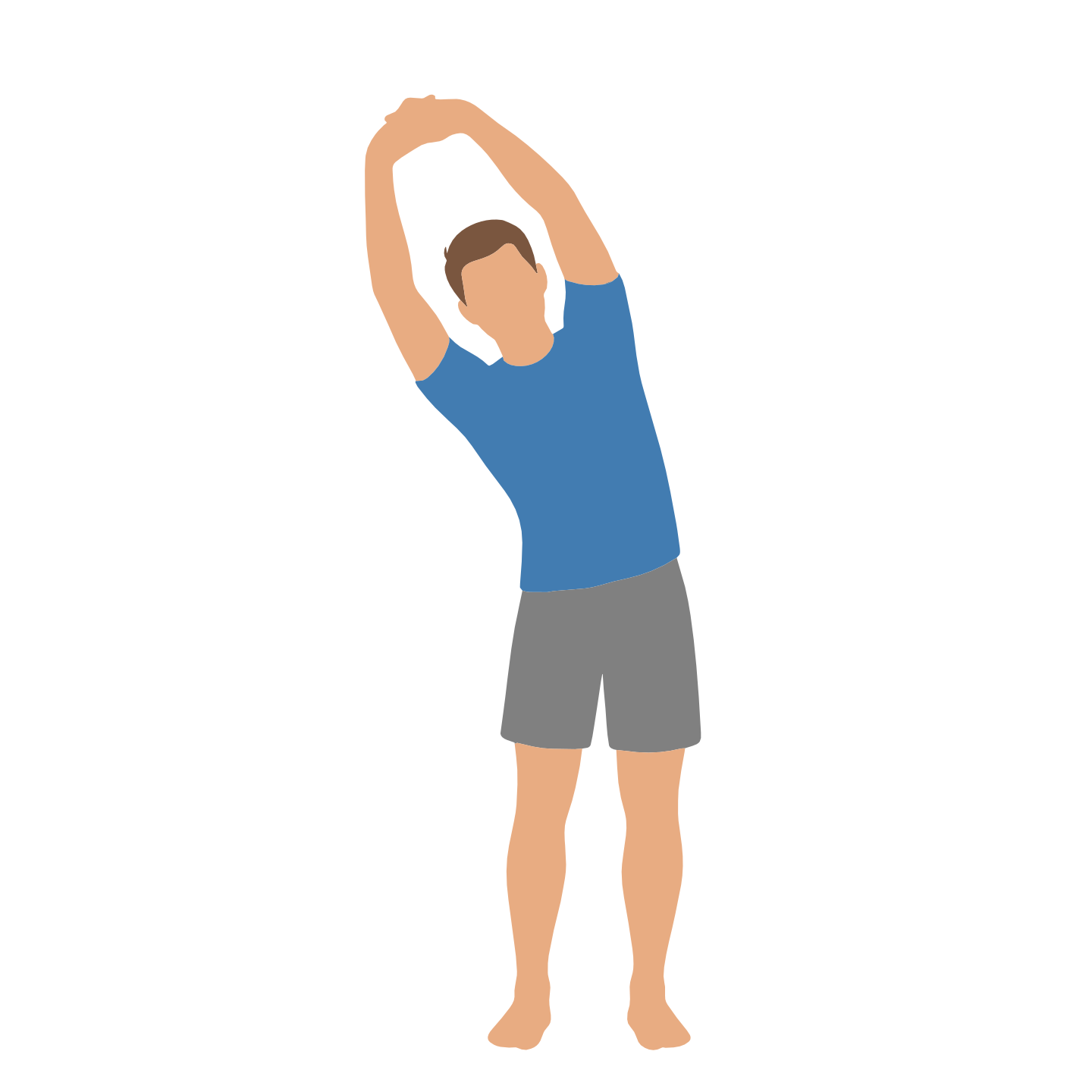
Standing Side Bend
Latissimus Dorsi, Obliques, QL, and Intercostals · 20 seconds per side, 2 rounds
  1. Stand with feet hip-width apart
  2. Reach both arms overhead and join your hands together
  3. Lean the torso to one side, keeping the movement in the lateral plane
  4. Feel the stretch along your side from hip to armpit
  5. Alternate sides smoothly
Why it works
Primes the lats for the catch and pull before pool entry. The lats are the primary stroke muscles in swimming, and opening them dynamically before the session improves reach and reduces the shoulder compensation that causes impingement.
5
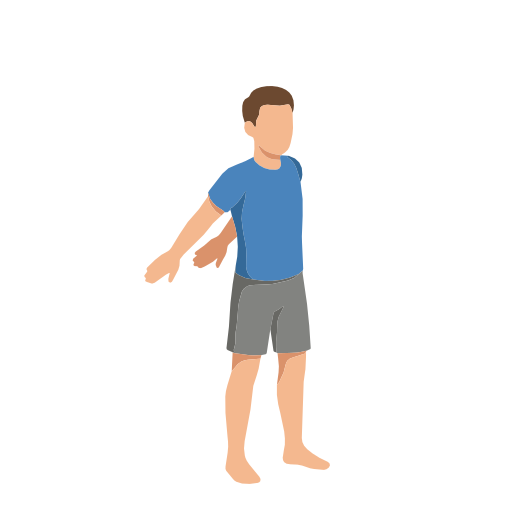
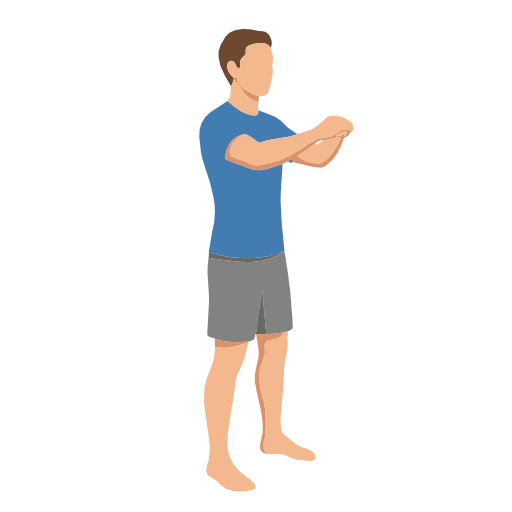
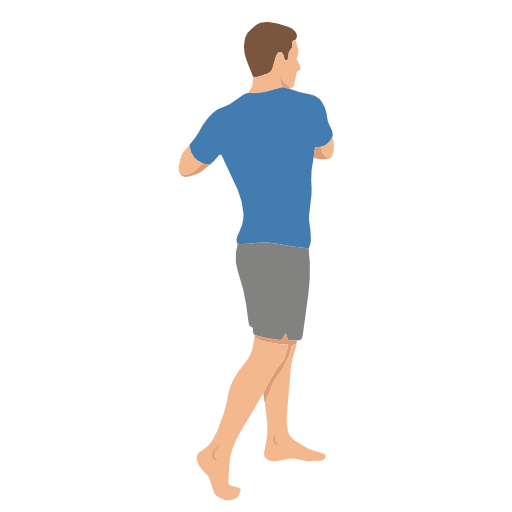
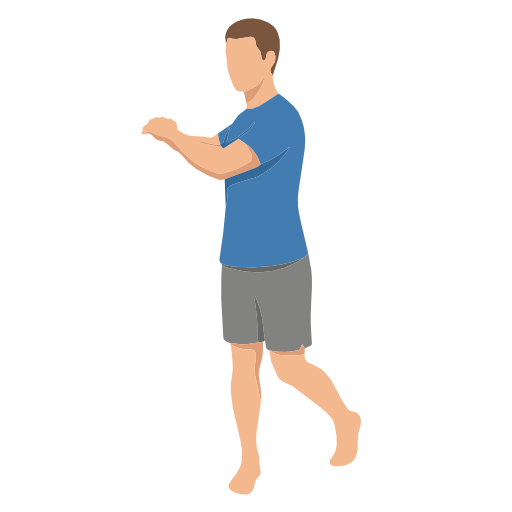
Trunk Rotations
Obliques, Thoracic Spine, and Erectors · 20 reps
  1. Stand with feet slightly wider than hip-width apart
  2. Hold arms at chest height or out to the sides
  3. Rotate your torso from left to right in a controlled swing
  4. Keep your hips and feet stable, rotate from the thoracic spine
  5. Breathe naturally and gradually increase range of motion
Why it works
Freestyle and backstroke are driven by trunk rotation. When trunk rotation is limited, the shoulder compensates, generating impingement risk with every stroke. Warms the full rotational kinetic chain before pool entry.
6
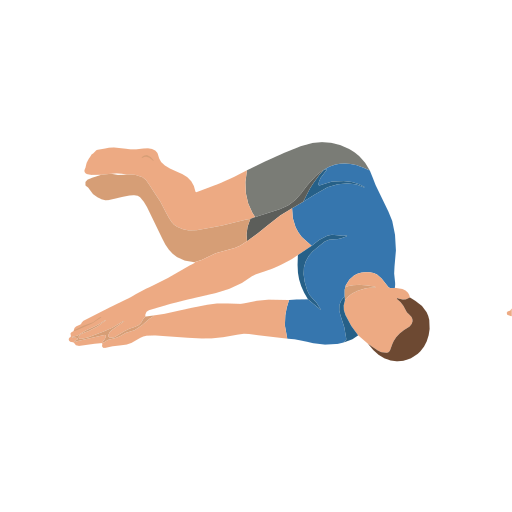
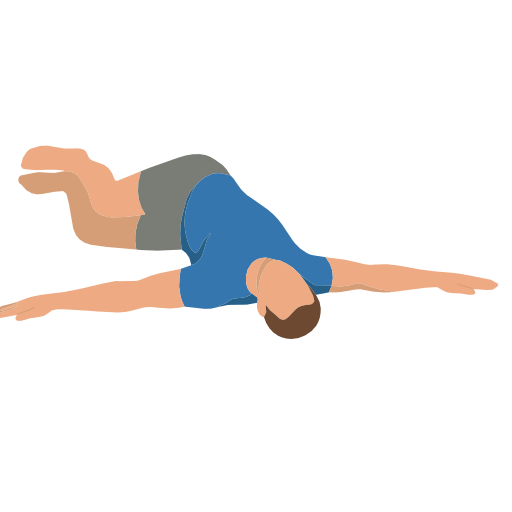
Thoracic Open Book
T-Spine Rotators, Obliques, Rhomboids, and Lats · 8 reps per side
  1. Lie on your side with both knees stacked at 90 degrees
  2. Extend the top arm forward on the floor at shoulder height
  3. Slowly rotate the top arm open toward the floor behind you, following with the eyes
  4. Let the shoulder and chest open as far as they will comfortably go
  5. Return and repeat before switching sides
Why it works
Poor T-spine rotation forces over-rotation at the hips and lumbar spine, shifting compensatory load to the shoulder with every stroke. This dynamic drill opens thoracic rotation before the body patterns reinforce it in the water.
7
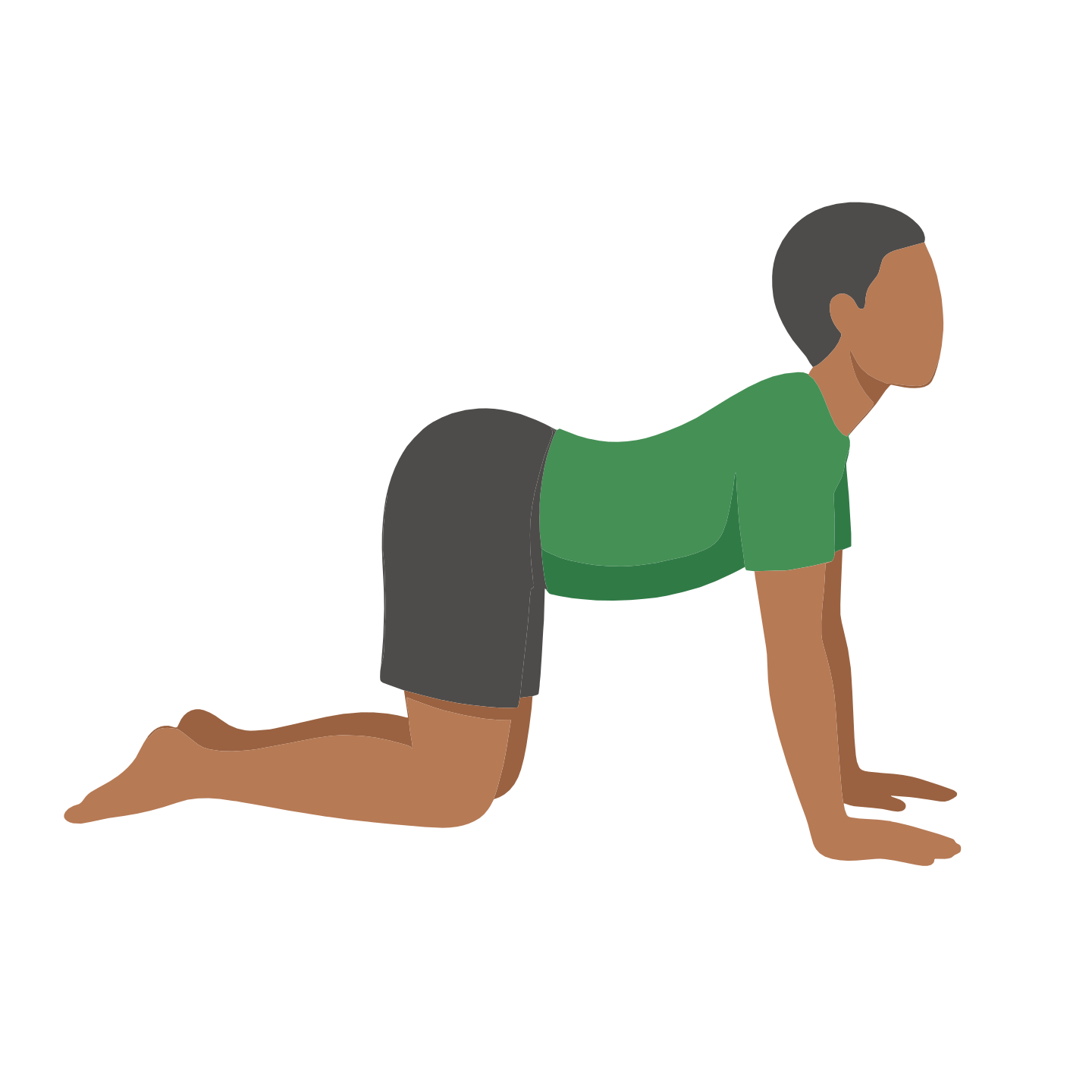
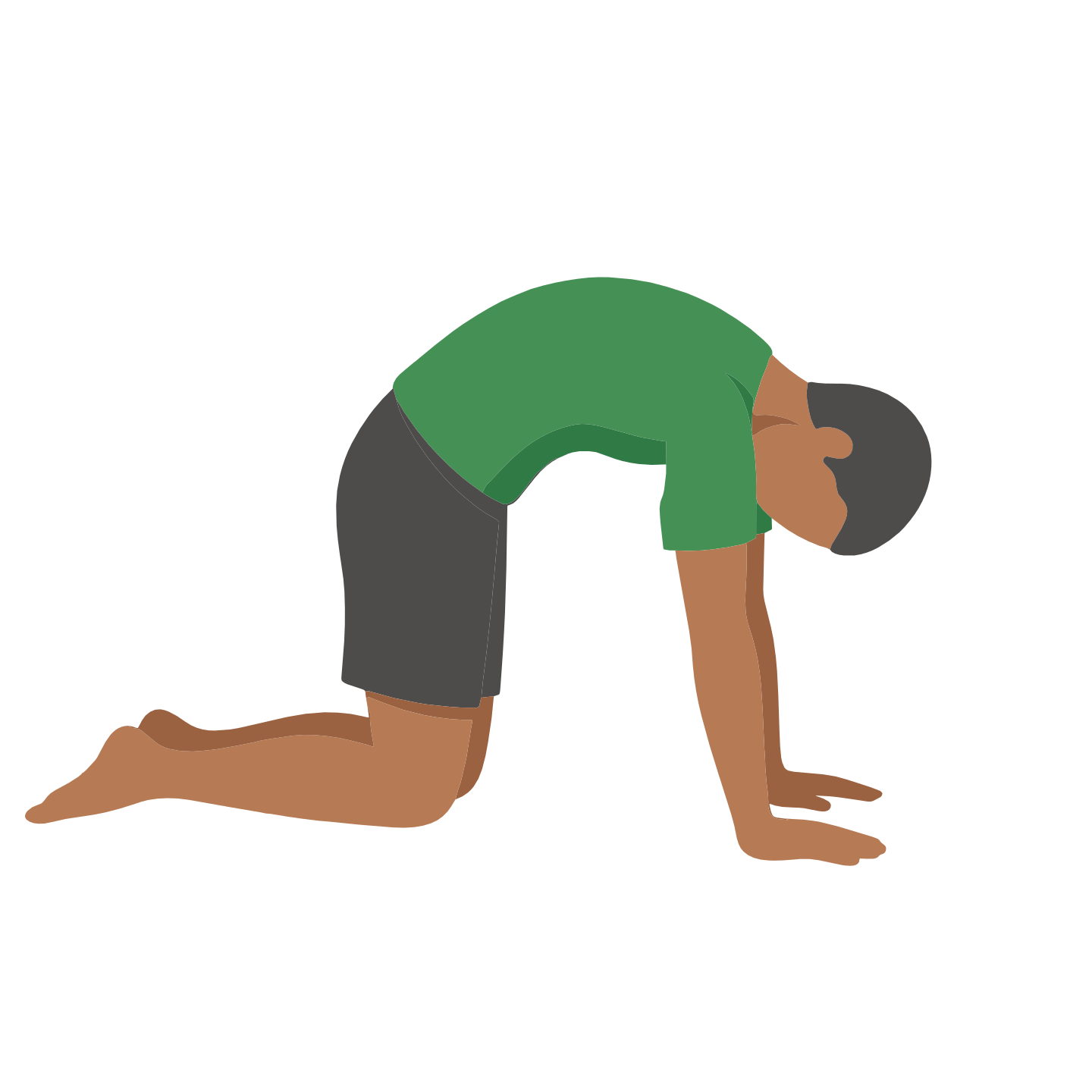
Cat-Cow Flow
Erectors, Abdominals, and Full Spine · 10 slow cycles
  1. Start on all fours, wrists under shoulders, knees under hips
  2. Inhale: let the belly drop toward the floor and lift the head (Cow)
  3. Exhale: round the spine toward the ceiling, tuck the chin (Cat)
  4. Move slowly and in sync with your breath
  5. Feel each vertebra articulate individually
Why it works
Warms segmental spine mobility needed for body roll, butterfly undulation, and breath timing. Spinal stiffness forces shoulder compensation on every stroke. Cat-cow addresses this before the first lap.
8
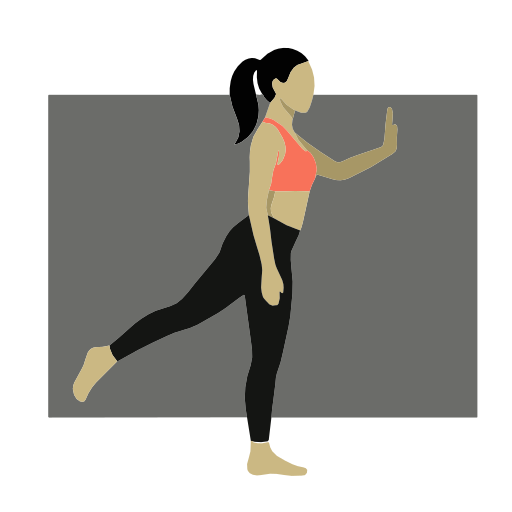
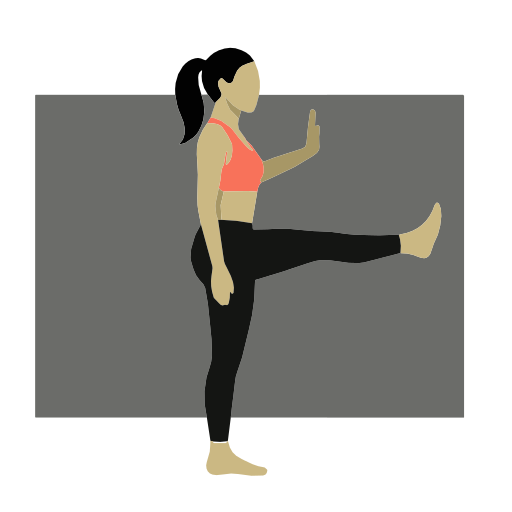
Forward/Backward Leg Swings
Hip Flexors and Hamstrings · 12 reps per side
  1. Stand sideways to a wall or fence and hold on for balance
  2. Keep your torso upright and core engaged
  3. Swing the outside leg forward and backward in a smooth pendulum motion
  4. Gradually increase the height of the swing
Why it works
Flutter kick originates at the hips, not the knees. Dynamic leg swings warm the hip flexion and extension range that powers an efficient kick and reduces the drag from a stiff, heavy-legged kick.
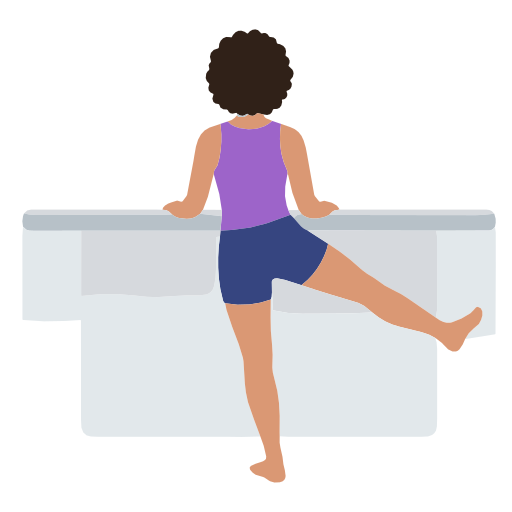
9
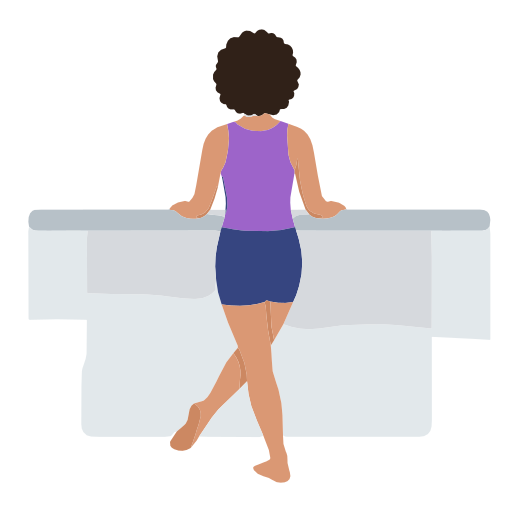
Lateral Leg Swings
Hip Adductors and Abductors · 12 reps per side
  1. Face a wall or fence and hold on for balance
  2. Swing one leg side to side across the front of your body
  3. Keep the torso relatively still
  4. Start with small swings and gradually increase height
Why it works
Breaststroke whip kick and sidestroke scissor kick require significant hip abduction and adduction range. These swings also activate the lateral hip stabilizers that help maintain body roll in freestyle.
10
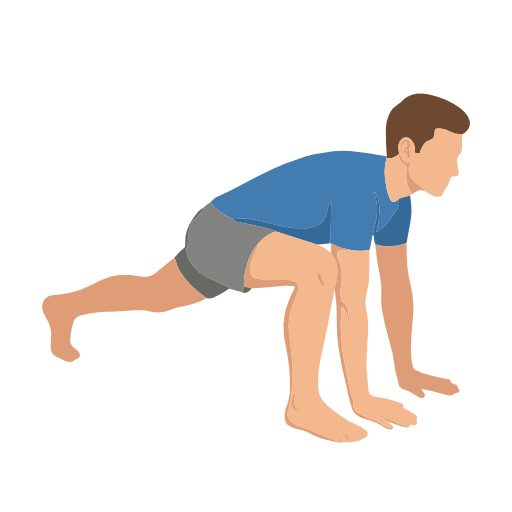
Walking Lunges
Quads, Glutes, Hip Flexors, and T-Spine · 10 reps per leg
  1. Step forward and lower your back knee toward the ground without touching
  2. Keep your front knee stacked over your ankle, not past your toes
  3. Drive through the front heel to step into the next lunge
  4. Keep your torso upright and core engaged
  5. Swing arms naturally for balance
Why it works
Combines hip flexor opening with shoulder and thoracic priming in one movement. For swimmers, the overhead arm position at the bottom of the lunge directly rehearses the streamline position off starts and turns.
11
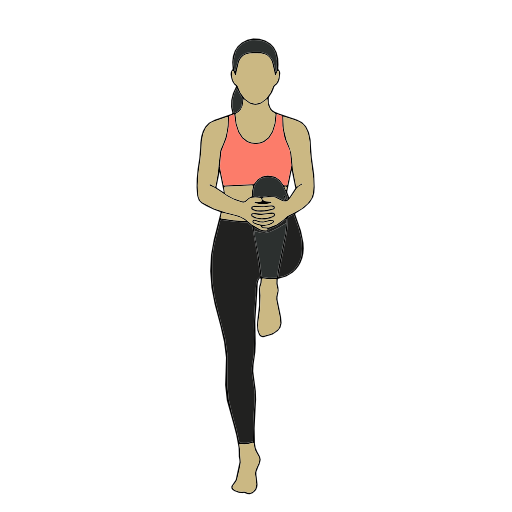
Walking Knee Hugs with Toe Raise
Glutes, Hip Extensors, and Calves · 10 reps per leg
  1. Step forward and bring one knee to your chest
  2. Hug the knee with both hands to stretch the glute
  3. Simultaneously press up onto the toes of your standing leg
  4. Hold briefly, step down, and repeat on the other side
Why it works
Opens the posterior chain and raises heart rate for pool entry. The calf raise component also activates the plantar flexors that are critical for dolphin kick velocity.
12
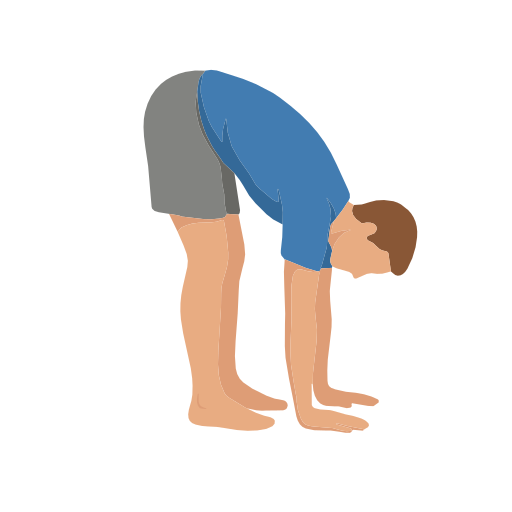
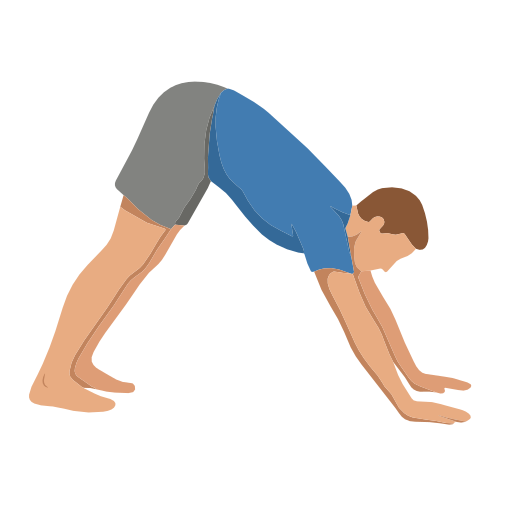
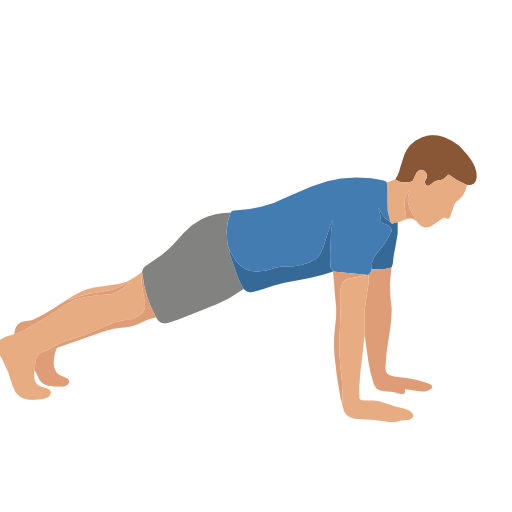
Inchworms
Hamstrings, Calves, Core, and Shoulders · 6 reps
  1. Hinge at the hips and place hands on the floor in front of your feet
  2. Walk hands out to a high plank position
  3. Keep legs straight and take tiny steps, walking your feet toward your hands
  4. Stand up and repeat
Why it works
Combines hamstring and calf lengthening with shoulder and core activation. An efficient single movement that prepares the posterior chain for kick mechanics and the shoulders for catch resistance.
13
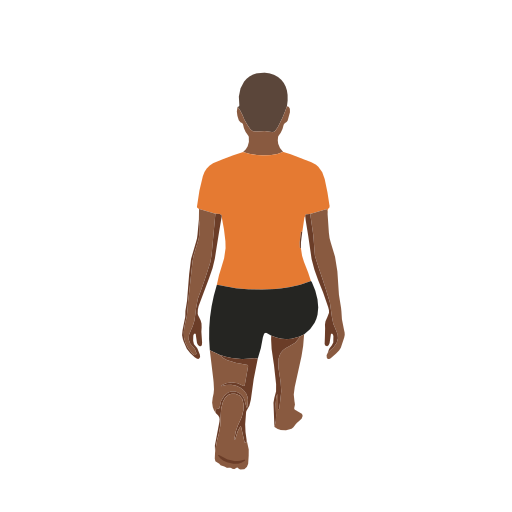
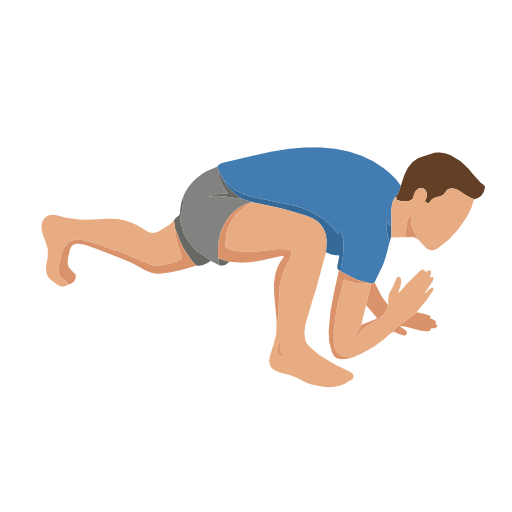
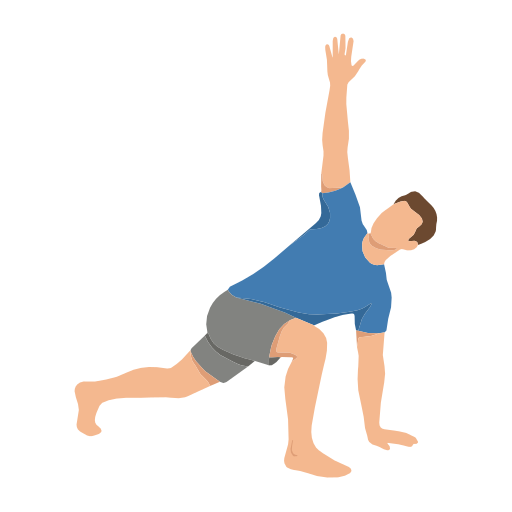
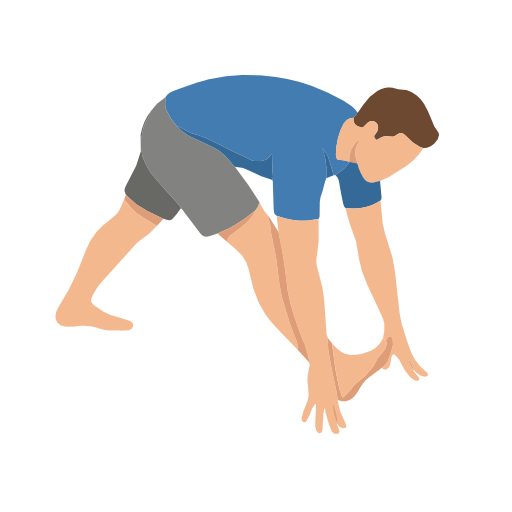
World's Greatest Stretch
Hip Flexors, Adductors, T-Spine, and Shoulders · 5 reps per side
  1. Lunge forward and place both hands inside the front foot
  2. Drop the elbow closest to the front foot toward the floor
  3. Rotate the same arm open toward the ceiling, looking at the hand
  4. Return the hand to the floor, rock back to straighten the front leg (hamstring stretch)
  5. Stand up and alternate legs
Why it works
Hits every swim-relevant mobility zone in a single sequence: hips for kick efficiency, T-spine for body roll, and shoulders for catch mechanics. The single most efficient dryland warm-up movement for swimmers.
14
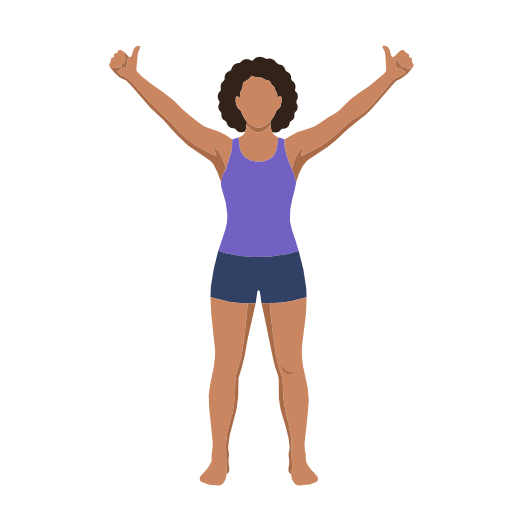
Standing Y-Raise
Lower Traps, Serratus Anterior, and Rotator Cuff · 12 reps
  1. Stand tall with a slight forward lean from the hips
  2. Raise both arms overhead into a 'Y' shape with thumbs pointing up
  3. Retract and depress the shoulder blades as arms rise
  4. Avoid shrugging or using momentum
  5. Lower slowly with control
Why it works
Activates the lower trapezius and serratus anterior, the two muscles most critical for maintaining scapular stability through the full overhead range of the freestyle catch and recovery. Weakness here is a primary driver of swimmer's shoulder.
15
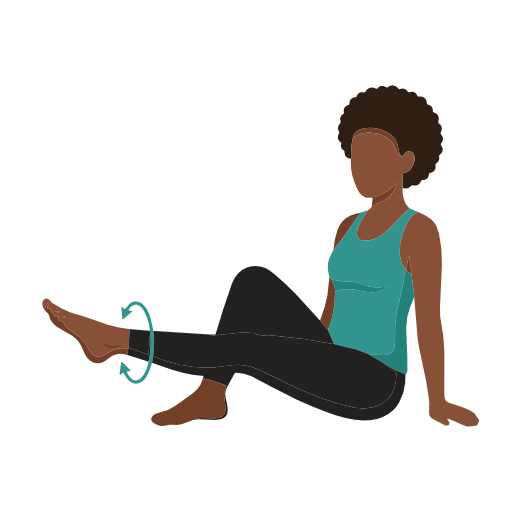
Ankle Rotations
Gastrocnemius, Soleus, Tibialis Anterior, and Ankle Capsule · 15 circles each direction per ankle, then 15 plantar-flexion pumps
  1. Lift one foot off the ground, holding a wall for balance if needed
  2. Rotate the ankle in large, slow circles
  3. Complete circles in both directions before switching feet
  4. Keep the movement slow and controlled
  5. Point and flex the foot at the end range of each rotation
Why it works
Plantar-flexion range directly determines underwater dolphin-kick velocity. A 10% restriction in ankle plantar flexion reduces swim velocity by approximately 5.8% per research by Willems et al. Priming this range before the first lap is time well spent.

Why the Shoulder Fails Swimmers

Swimming is the sport that most severely tests shoulder endurance. A recreational swimmer doing 2,000 meters logs approximately 1,200-1,500 shoulder rotations. Elite swimmers in training can exceed 10,000 per session. At these volumes, any inefficiency in the kinetic chain, tight pecs, weak lower traps, restricted T-spine, translates directly into impingement over hundreds of thousands of repetitions.

The dryland warm-up's job is to establish good mechanics before fatigue sets in. When the scapular stabilizers (particularly the lower trapezius and serratus anterior) fatigue early in a session, the rotator cuff loses its supportive platform. The humeral head migrates upward and catches the supraspinatus tendon against the acromion. That's swimmer's shoulder.

Wall angels and Y-raises target these stabilizers directly. They're not glamorous exercises, but they're consistently what PTs prescribe when a swimmer presents with shoulder pain.

The Body Roll Connection

Most recreational swimmers don't generate enough trunk rotation, relying instead on arm pull to create propulsion. This overloads the shoulder and also slows you down, since trunk rotation is the primary power source in freestyle and backstroke, not the arms.

Trunk rotations and the world's greatest stretch warm the thoracic spine's rotational capacity before you hit the water. When the T-spine is warm and mobile, body roll comes naturally. When it's stiff, the shoulder compensates, and you get both slower and more injured.

Swimmers who increase trunk rotation by 15 degrees reduce shoulder loading by up to 20% per stroke, according to biomechanical analysis. This is a mechanical change, not a fitness change, and it starts with mobility.

Ankle Plantar Flexion and the Dolphin Kick

The feet are your propellers in swimming. Dolphin kick velocity depends directly on ankle plantar flexion range, and restricted ankle range slows the kick measurably. The ankle rotations in this routine activate the plantar flexors before the first lap. The kneeling plantar-flexion stretch in the cool-down routine ensures you maintain that range over time.

Frequently asked questions

Should I warm up before getting in the pool?
Yes. A dryland warm-up before pool entry is more effective than easy swimming to warm up, because it allows you to target specific movement patterns (shoulder activation, hip mobility, trunk rotation) without the resistance of water masking compensation patterns. 10 minutes dryland is worth more than the first 500 meters of easy laps.
How long should a swimming warm-up take?
8 to 12 minutes for the dryland component. If you're doing an in-water warm-up as well, 200-400 meters of easy swimming with drill work is sufficient after the dryland routine.
Is swimmer's shoulder preventable?
Most cases are preventable with consistent warm-up and shoulder maintenance work. The primary risk factors are inadequate warm-up before high-volume training, poor scapular control, and tight posterior shoulder capsule. All three are addressable. The sleeper stretch in the cool-down routine and wall angels in this warm-up are your two most important injury-prevention exercises.
Can I skip the warm-up for easy recovery swims?
For very easy, short recovery swims you can abbreviate it to arm circles and wall angels (3-4 minutes). Never skip shoulder activation entirely, as impingement risk is highest in the early part of a session when the rotator cuff muscles are cold and fatigue quickly.
Reach is launching soon
Audio cues, hold timers, and sport-specific routines built for athletes who want to stay healthy. Join the waitlist to be first to know when we launch.
Tovin. Prevention and Treatment of Swimmer's Shoulder, PMC
U.S. Masters Swimming. Shoulder Exercises
EatSleepSwimCoach. Dryland Dynamic Stretching
The Prehab Guys. Dynamic Warm-Up Science
Willems et al. Ankle Plantar Flexion and Swim Velocity

More Swimming guides

Cool-Down
Swimming Cool-Down Stretches: 15 Dryland Stretches After the Pool
Mobility
Swimming Mobility Stretches: 15 Rest-Day Exercises for Shoulder Health