← Back to library
Swimming·Cool-Down
·7 min read

Swimming Cool-Down Stretches: 15 Dryland Stretches After the Pool

Post-swim cool-down should prioritize the posterior shoulder capsule (sleeper stretch), the pectorals tightened by pulling, and the hip flexors shortened by kick mechanics. These are the three tissue groups most consistently implicated in swimming overuse injury.

Dryland stretching after the pool targets two specific patterns that water training creates: anterior shoulder tightness from high-volume pulling, and posterior shoulder capsule tightness that limits internal rotation. Both patterns are well-documented in the sports medicine literature as primary drivers of swimmer's shoulder. Addressing them consistently after every session is the most effective long-term shoulder maintenance protocol available.

The Recommended Routine

1
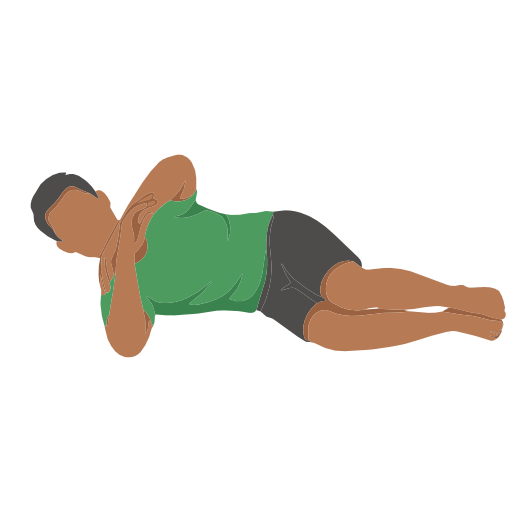
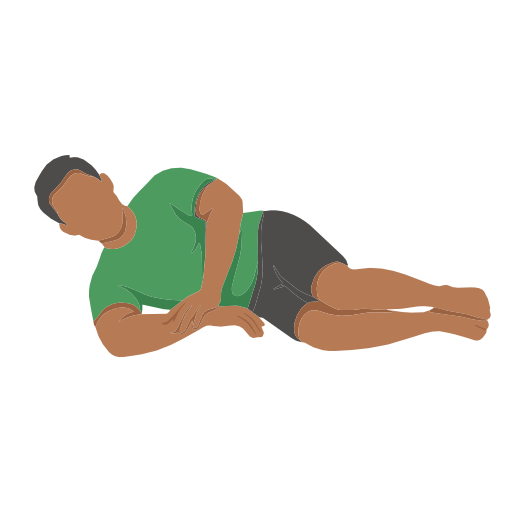
Sleeper Stretch
Posterior Shoulder Capsule, Infraspinatus, and Teres Minor · 30 seconds x 3 per side
  1. Lie on your side with the bottom arm extended straight out from the shoulder
  2. Bend the bottom elbow to 90 degrees, hand pointing toward the ceiling
  3. Use your top hand to gently press the bottom hand toward the floor (internal rotation)
  4. Stop when you feel a stretch in the back of the shoulder, do not force it
Why it works
Posterior glenohumeral capsule tightness (GIRD) is the most consistently documented driver of swimmer's shoulder. The sleeper stretch is the Level-1-supported corrective from the Journal of Orthopaedic and Sports Physical Therapy specifically for this pattern.
2
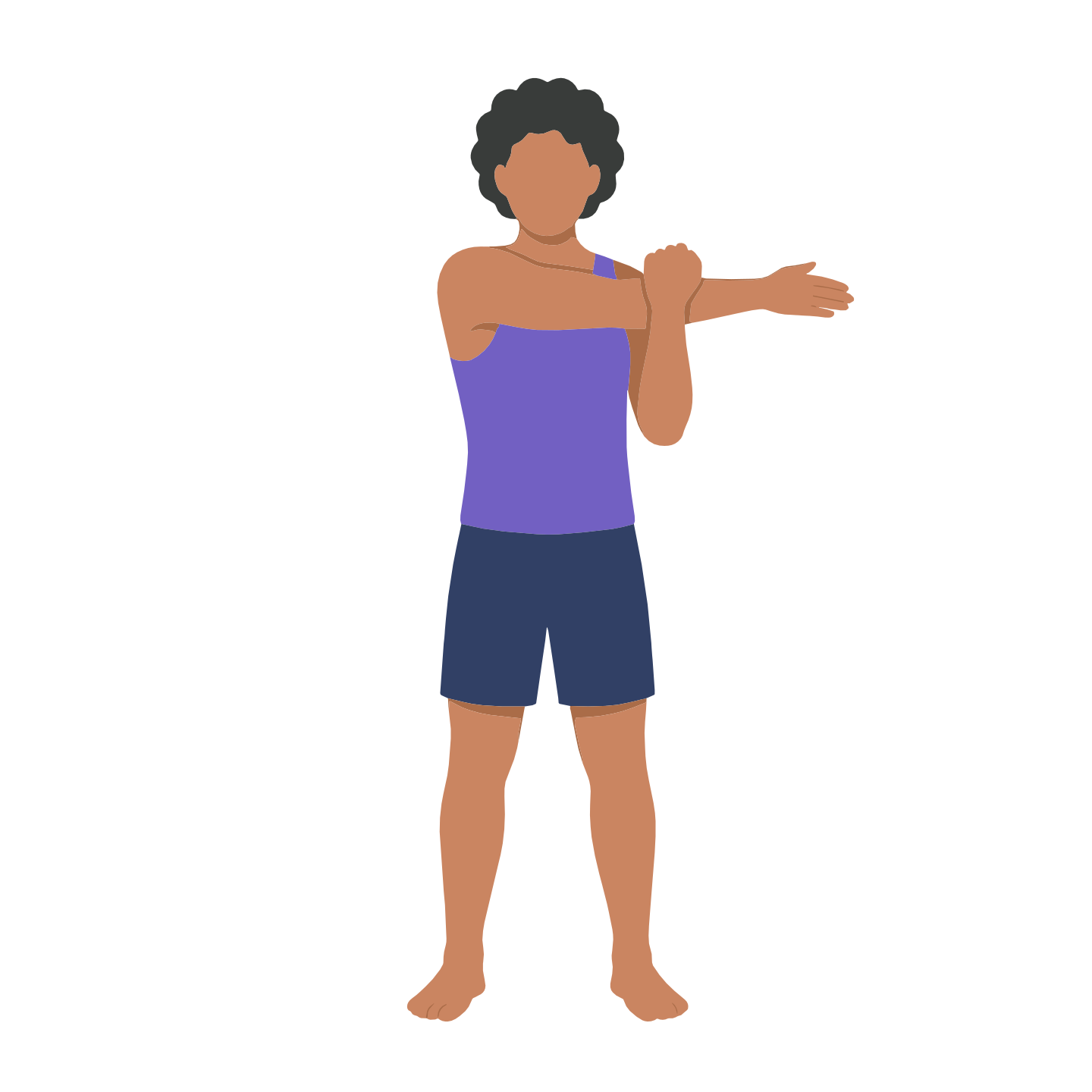
Cross-Body Shoulder Stretch
Posterior Deltoid, Infraspinatus, and Posterior Capsule · 30 seconds x 2 per side
  1. Bring one arm straight across your chest at shoulder height
  2. Use the opposite forearm or hand to press the arm gently into the chest
  3. Keep your shoulder down, don't let it shrug upward
  4. Look straight ahead or slightly away from the stretched arm
  5. Hold, release, and switch sides
Why it works
Companion stretch to the sleeper for posterior shoulder horizontal adduction range. Addresses the pull-through-phase tightness that restricts internal rotation and contributes to impingement.
3
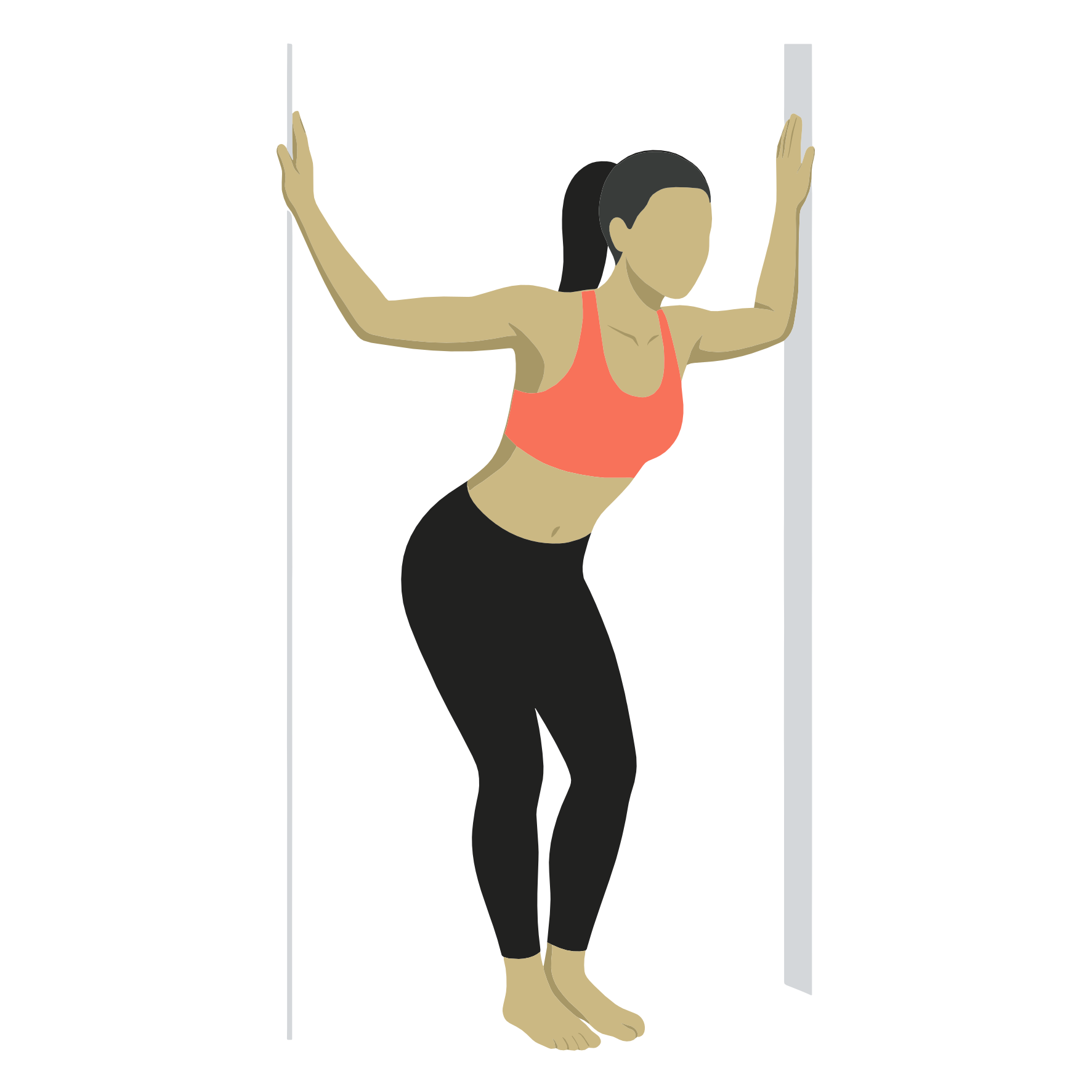
Doorway Chest Stretch
Pec Major, Pec Minor, and Anterior Deltoid · 25 seconds x 2-3 at different elbow heights
  1. Place hands on a wall, chair, or door frame at shoulder height
  2. Lean your torso forward between your arms until a stretch is felt across the chest
  3. Keep a slight bend in the elbows
  4. Hold the stretch without bouncing
  5. Breathe deeply and let the chest expand with each inhale
Why it works
Swimmers overdevelop the pecs through thousands of pull-phase reps. Tight pecs drag the humeral head anteriorly and directly cause the shoulder impingement pattern. Consistent pec stretching is the most basic swimmer's shoulder prevention.
4
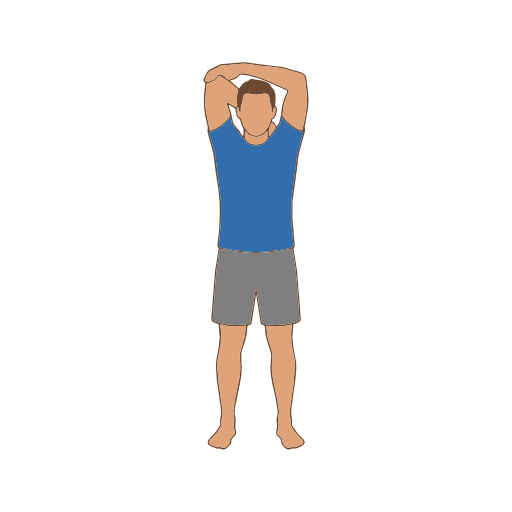
Overhead Tricep Reach
Triceps Long Head, Latissimus Dorsi, and Serratus · 25 seconds per side
  1. Raise one arm overhead and bend the elbow so the hand reaches behind the head
  2. Use the opposite hand to gently press the elbow downward
  3. Keep your head neutral, don't jut the chin forward
  4. Feel the stretch along the underside of the upper arm
  5. Hold, then switch arms
Why it works
The triceps long head and lats cross the shoulder and limit overhead reach when tight. Releasing them restores the streamline position and prevents the shoulder impingement from catch restriction.
5
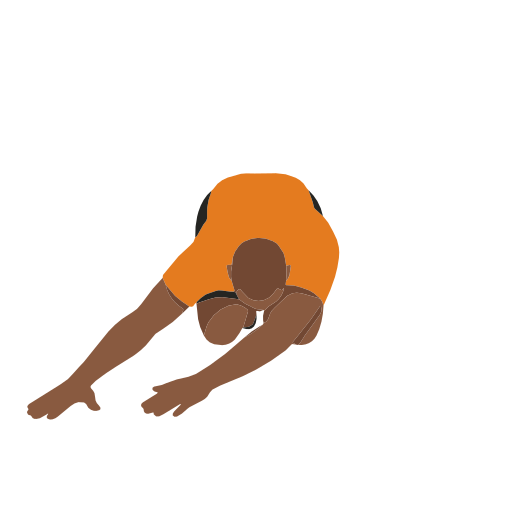
Childs Pose with Reach
Lats, Teres Major, QL, and Obliques · 30 seconds per side
  1. Sit back on your heels with knees slightly wider than hip-width
  2. Walk your hands forward, lowering your chest to the floor
  3. Walk both hands to the right side to stretch the left lat, then switch
  4. Breathe deeply into the side of the ribcage being stretched
Why it works
The lats generate most stroke power and shorten chronically in high-volume swimmers. The lateral reach also releases the thoracolumbar fascia from the body-roll pattern, helping restore symmetry between the two sides.
6
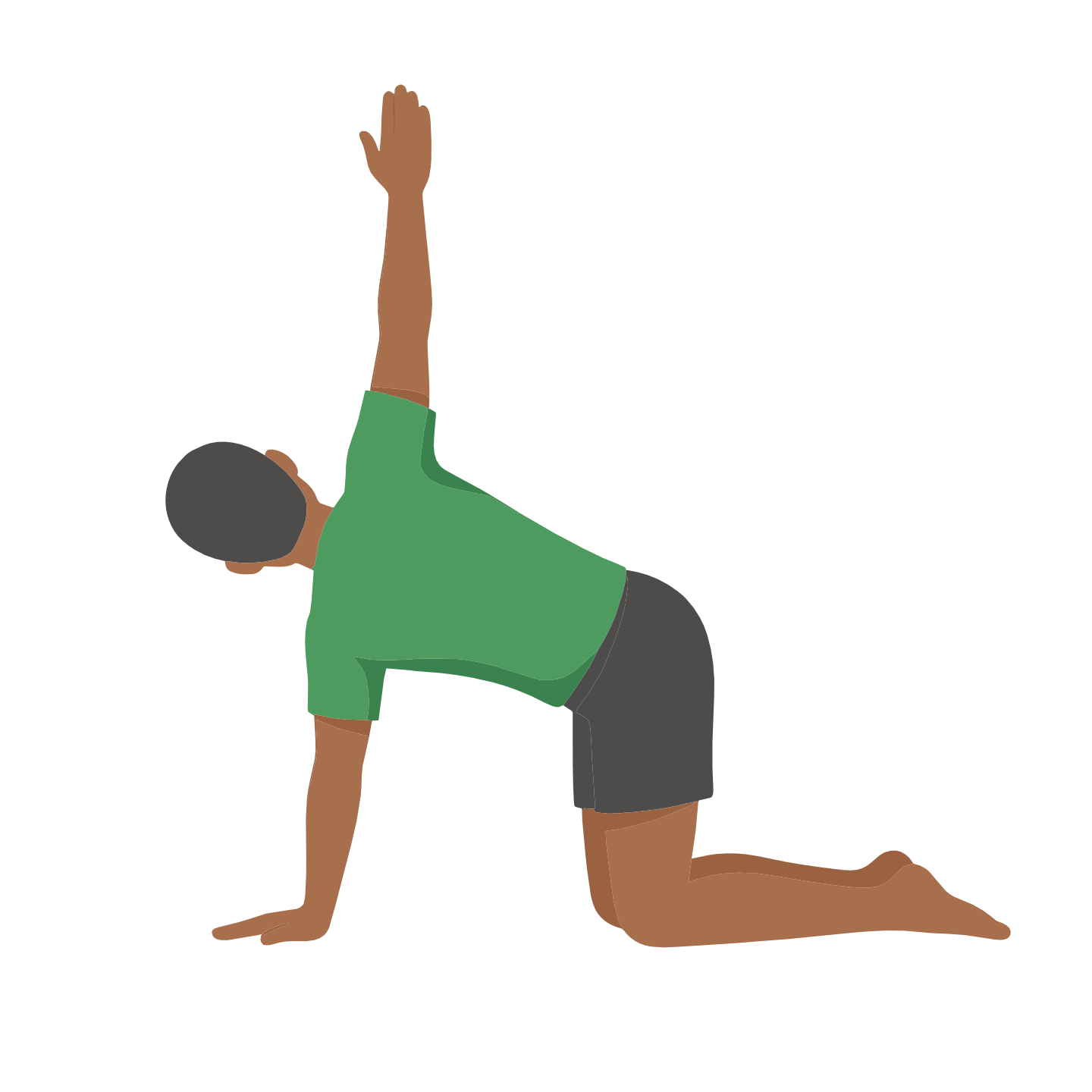
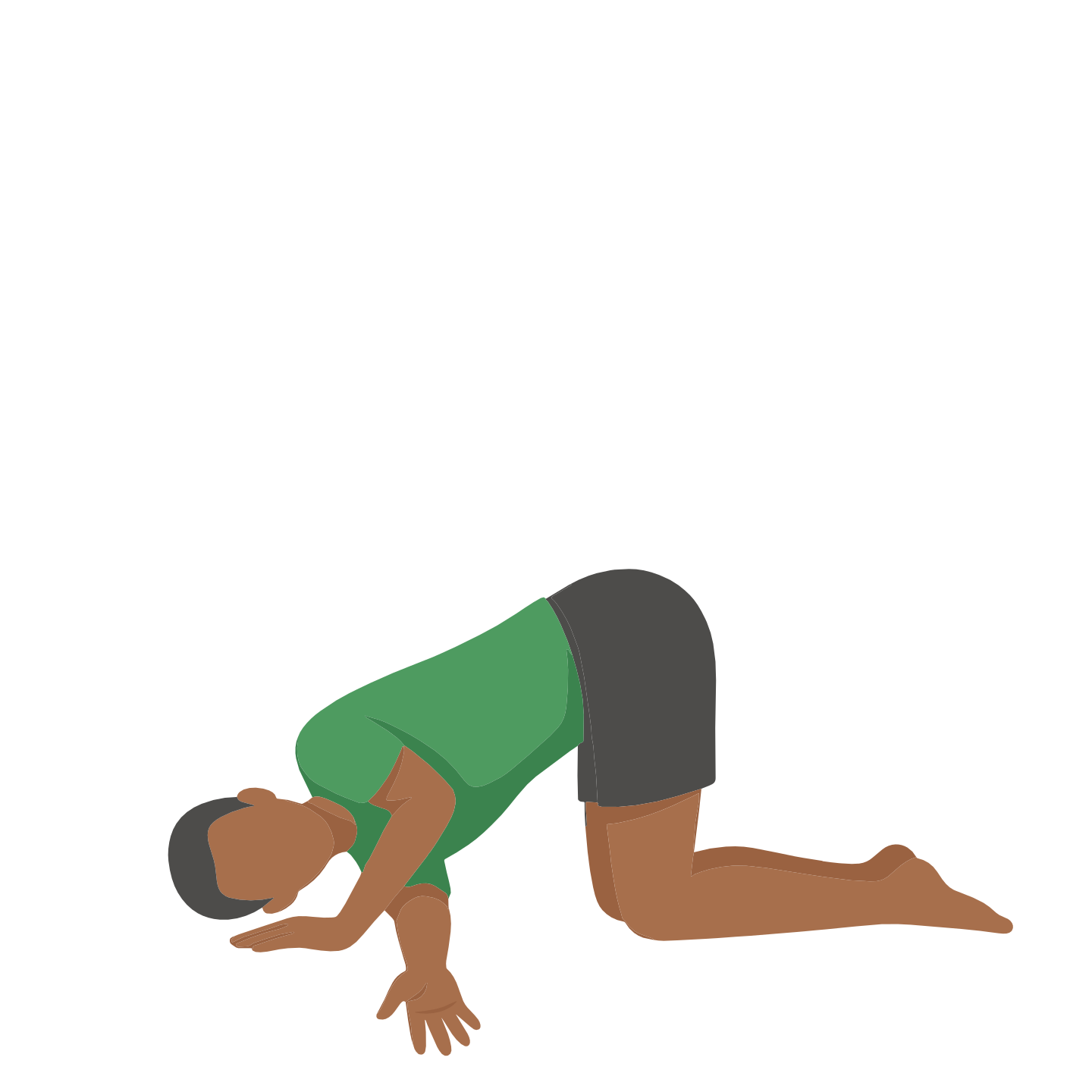
Thread the Needle
Thoracic Spine, Rhomboids, Mid Traps, and Posterior Deltoid · 30 seconds per side
  1. Start on all fours with wrists under shoulders
  2. Reach one arm toward the ceiling to open the chest
  3. Slide that arm underneath the body, threading through until the shoulder and ear rest on the mat
  4. Keep the hips high and stacked over the knees
  5. Hold, then slowly return and switch sides
Why it works
Swimmers' T-spines stiffen from prolonged prone flexion. Thoracic mobility is required for body roll and effective breathing rhythm. Thread the needle releases the posterior shoulder and T-spine simultaneously.
7
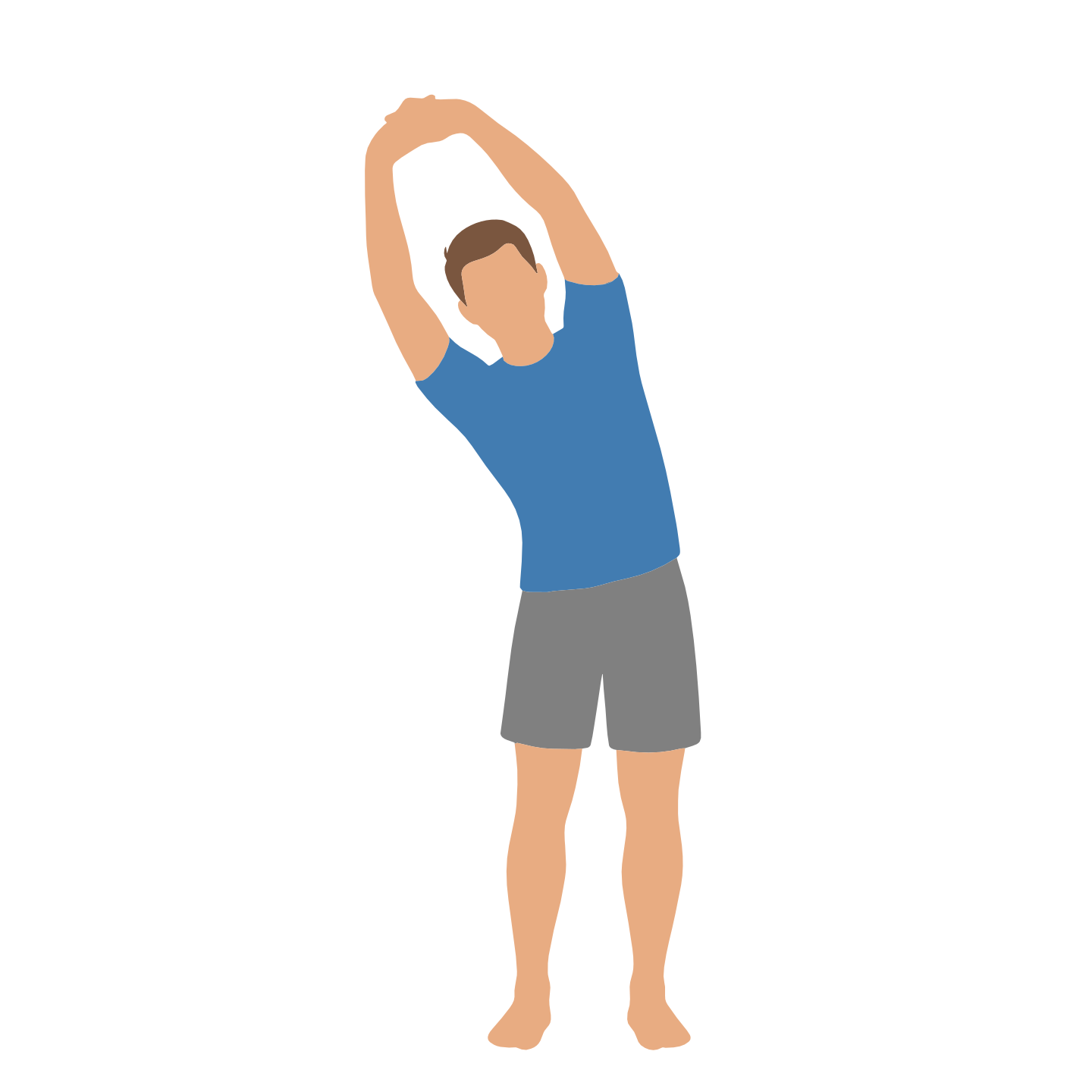
Standing Side Bend
Latissimus Dorsi, Obliques, QL, and Intercostals · 20 seconds x 2 per side
  1. Stand with feet hip-width apart
  2. Reach both arms overhead and join your hands together
  3. Lean the torso to one side, keeping the movement in the lateral plane
  4. Feel the stretch along your side from hip to armpit
  5. Alternate sides smoothly
Why it works
Complements child's pose in weight-bearing position for lat release. Also opens the ribcage, improving thoracic expansion and the deeper breathing capacity that aids recovery between sets.
8
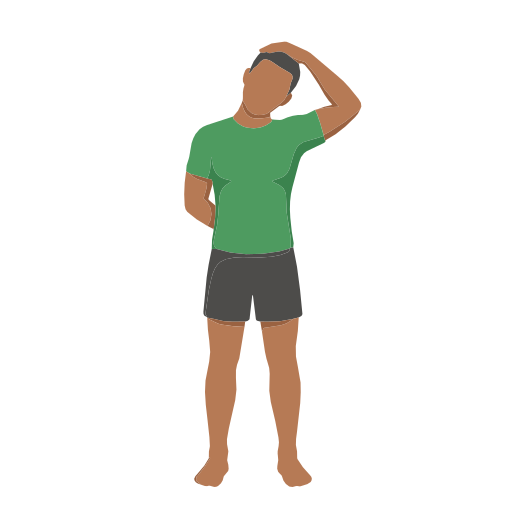
Upper Trapezius Stretch
Upper Traps, Levator Scapulae, and Scalenes · 30 seconds x 3 per side
  1. Sit or stand tall with one arm reaching behind your back
  2. Use the other hand to gently guide the head toward the opposite shoulder
  3. Keep the far shoulder down and relaxed, don't let it shrug up
  4. Tilt your ear toward your shoulder, do not force
  5. Hold the stretch and breathe, then switch sides
Why it works
Breath rotation in freestyle overloads the upper traps and levator scapulae on the breathing side. This is one of the most common sources of swimmer neck pain and headaches. Consistent post-swim neck stretching prevents the accumulation of this tension.
9
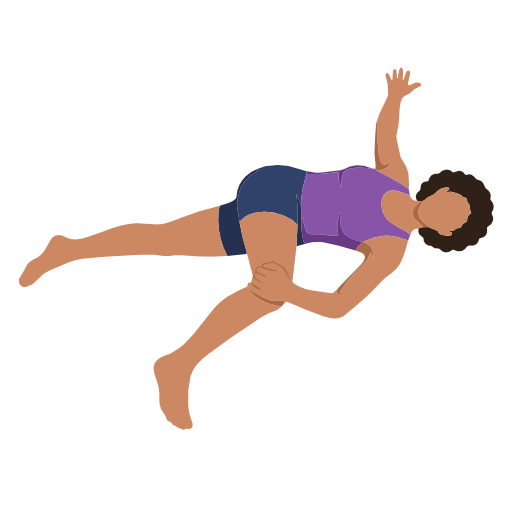
Supine Spinal Twist
Erectors, QL, Glutes, and Obliques · 30 seconds per side
  1. Lie on your back and draw one knee toward your chest
  2. Gently guide that knee across your body toward the opposite floor
  3. Extend the same-side arm out to a 'T' to keep the shoulder grounded
  4. Keep both shoulder blades on the floor throughout
  5. Breathe deeply and allow gravity to deepen the twist
Why it works
Decompresses the lumbar spine after kick sets and streamline holds. Particularly useful after butterfly and breaststroke sessions, which load the lumbar spine in extension.
10
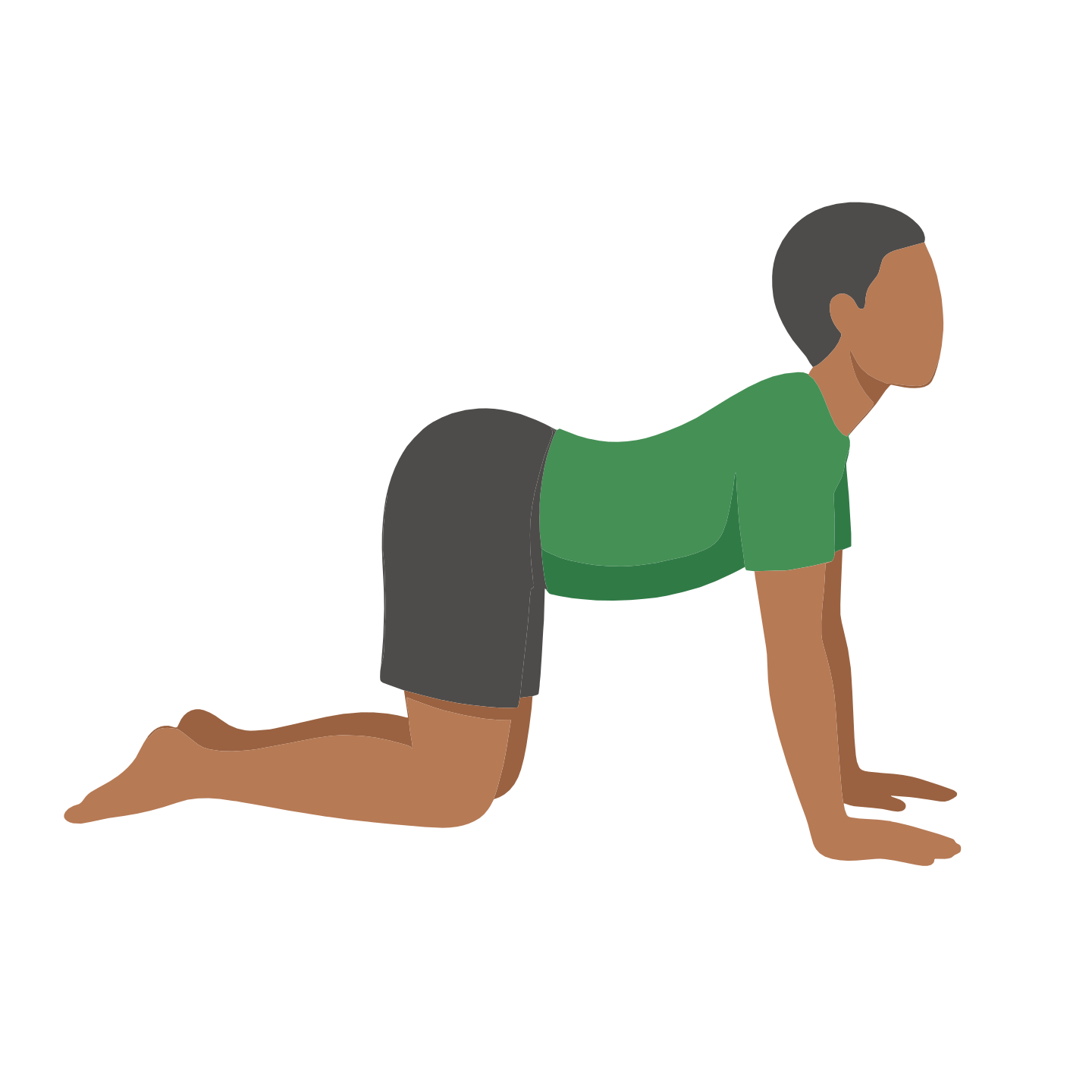
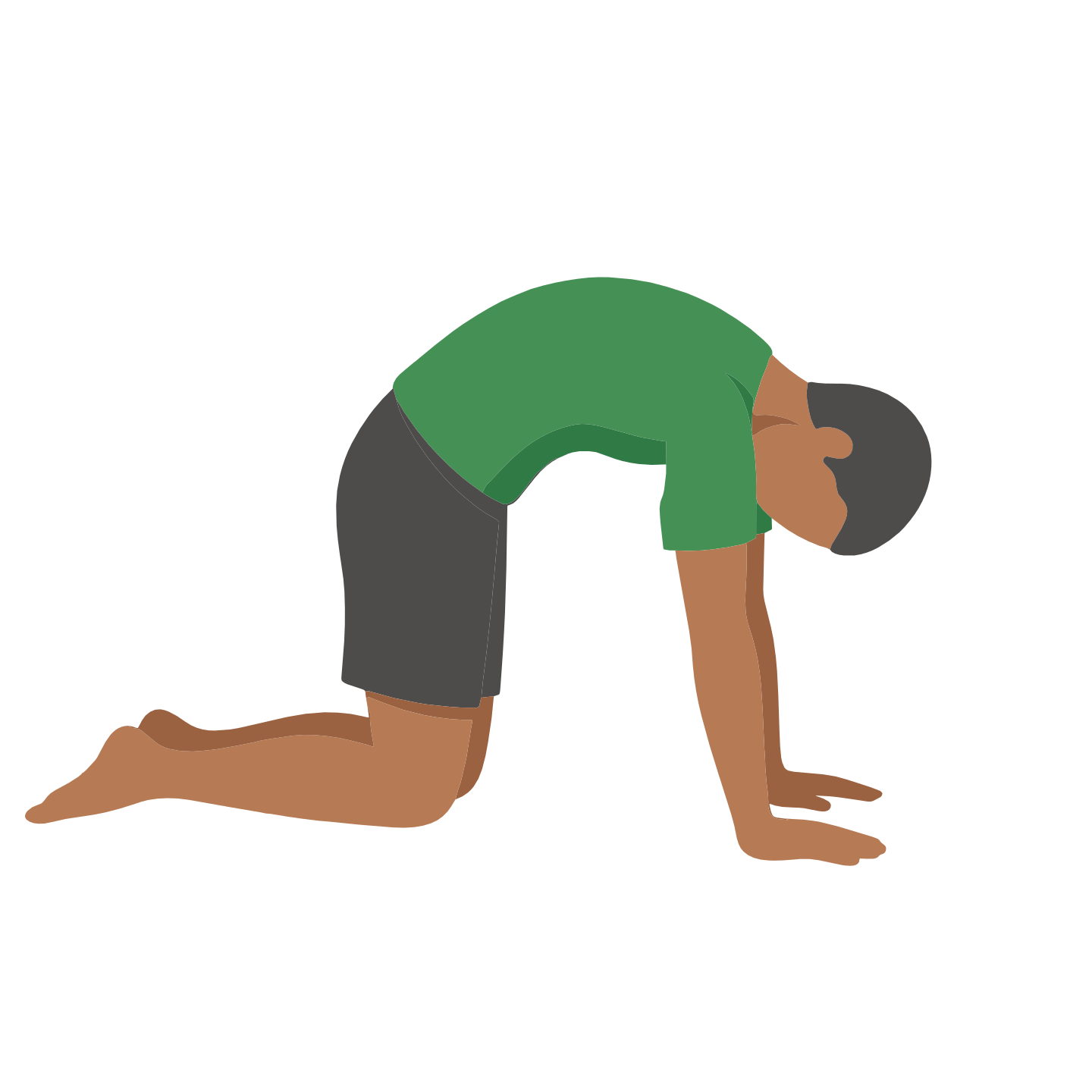
Cat-Cow Flow
Erectors, Rectus Abdominis, and Multifidus · 45 seconds
  1. Start on all fours, wrists under shoulders, knees under hips
  2. Inhale: let the belly drop toward the floor and lift the head (Cow)
  3. Exhale: round the spine toward the ceiling, tuck the chin (Cat)
  4. Move slowly and in sync with your breath
  5. Feel each vertebra articulate individually
Why it works
Swimmer-specific spinal reset. Relieves lumbar extension tightness from streamline kicking and the thoracic flexion stiffness from breathing patterns. Restores segmental motion that water training restricts.
11
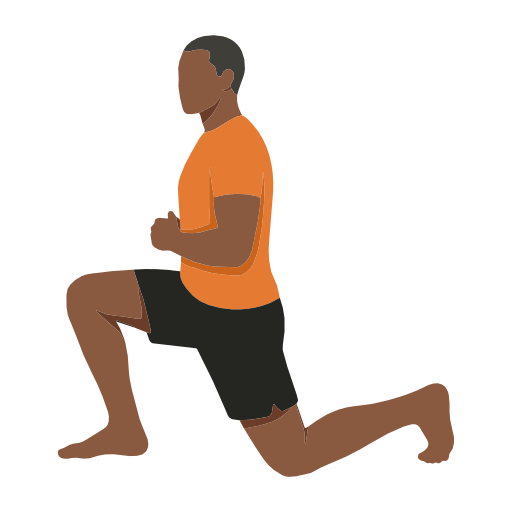
Half Kneeling Hip Flexor
Iliopsoas, Rectus Femoris, and TFL · 30 seconds x 2 per side
  1. Assume a half-kneeling position (one knee down, one foot forward)
  2. Tuck your pelvis slightly (posterior tilt) to engage the glute of the down leg
  3. Shift your weight slightly forward without arching your lower back
  4. Maintain a tall posture
Why it works
Hip flexors fire thousands of times per kick session and shorten progressively. Tight hip flexors drop the legs, increase drag, and reduce kick efficiency. Post-swim hip flexor work directly improves future sessions.
12
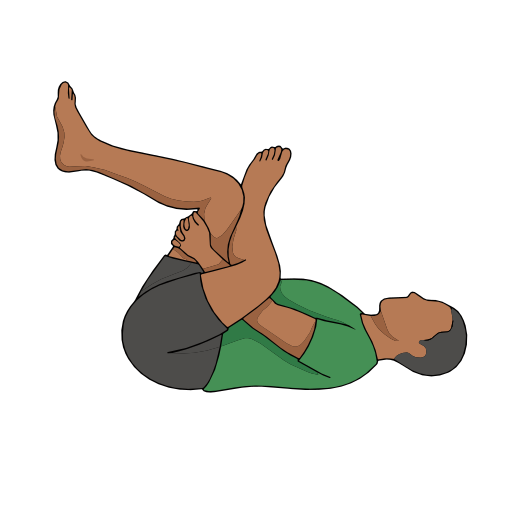
Lying Figure-4
Piriformis, Glute Max, and Deep Rotators · 30 seconds per side
  1. Lie on your back with both knees bent and feet flat on the floor
  2. Cross one ankle over the opposite knee in a figure-4 shape
  3. Pull the bottom thigh toward your chest, threading your hands through or around
  4. Keep your head and shoulders relaxed on the floor
  5. Hold, breathe deeply, then switch sides
Why it works
Glutes and hip rotators tighten from kick mechanics, starts, and flip turns. The supine figure-4 is beginner-safe and effective for releasing hip rotation tightness that accumulates over a swim season.
13
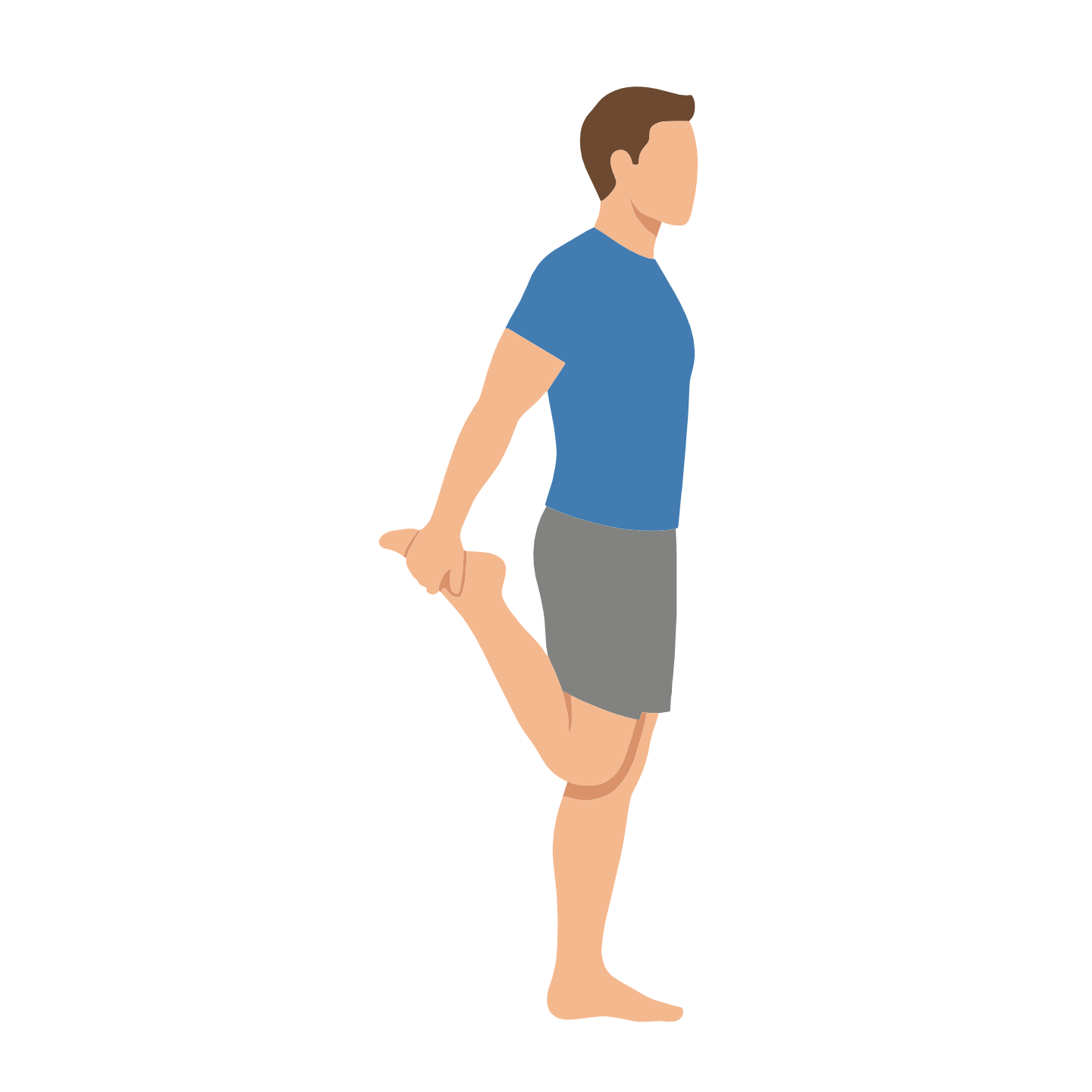
Standing Quad Stretch
Quadriceps and Hip Flexors · 30 seconds per side
  1. Stand on one leg, holding a wall or surface for balance if needed
  2. Pull the opposite ankle toward your glute, keeping knees together
  3. Stand tall, don't lean forward or arch the lower back
  4. Squeeze the glute of the stretched leg to deepen the hip flexor portion
  5. Hold, release, and switch legs
Why it works
Kick sets, especially breaststroke, dolphin, and long flutter, heavily load the quads and can cause post-swim cramping. This stretch addresses the quad tightness and reduces the cramping risk that builds over high-volume sessions.
14
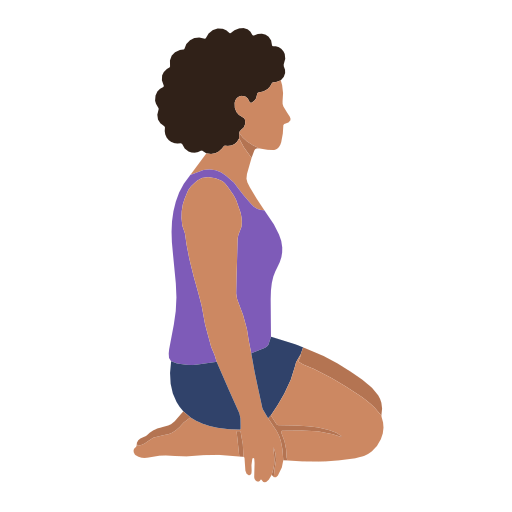
Kneeling ankle plantar-flexion stretch
Tibialis Anterior, Anterior Ankle, and Dorsum Fascia · 25 seconds x 2
  1. Tops of feet flat on floor
  2. Sit back on heels
  3. Hold for 20–30 seconds, 2 times
Why it works
Swim kicks lock the feet in plantar flexion (pointed). This creates reciprocal tightness in the dorsiflexors and anterior ankle. Stretching these structures after swimming prevents the foot cramps that plague high-volume swimmers and maintains the plantar-flexion range needed for efficient kick.
15
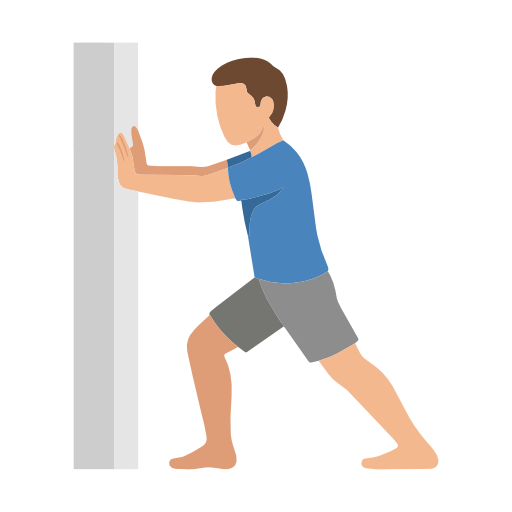
Calf Wall Stretch
Gastrocnemius, Soleus, and Achilles · 30 seconds straight-leg, 20 seconds bent-knee, per side
  1. Face a wall and step one foot back with the heel flat on the floor
  2. Keep the back leg straight to stretch the calf
  3. Lean hips forward until you feel the stretch in the back leg
  4. Hold, then switch legs
Why it works
Flutter and dolphin kicking load the calves in a shortened, plantar-flexed position. Releasing calf tension after swimming addresses the cramp complaints and Achilles tightness that high-volume swimmers accumulate over a training block.

Understanding Posterior Shoulder Capsule Tightness

Swimmer's shoulder is often described as an impingement problem, but the underlying cause is usually a tightness problem. Specifically, posterior glenohumeral joint capsule tightness (a condition called glenohumeral internal rotation deficit, or GIRD) restricts the shoulder's internal rotation and shifts the humeral head upward and posterior.

When the head migrates this way, the supraspinatus tendon gets caught between the humeral head and the acromion on every overhead movement. At 1,500 strokes per session, that's 1,500 micro-insults per workout.

The sleeper stretch and cross-body shoulder stretch are the two most evidence-supported correctives for this pattern. Wilk et al.'s 2013 JOSPT study specifically identified the sleeper stretch as the most effective intervention for restoring posterior capsule mobility in overhead athletes. Do both, every session, until the pattern resolves.

The Pec Problem in Freestyle

Every freestyle pull-phase repetition develops the pectorals. Over a swim career, the pecs become disproportionately strong relative to the posterior shoulder muscles, pulling the shoulder girdle into protraction and internal rotation. This forward-rounded posture is visible in most high-volume swimmers when standing.

Tight pecs don't just affect posture. They pull the humeral head anteriorly during the recovery phase of the stroke, compressing structures in the anterior shoulder. The doorway stretch and dynamic chest opener in this routine together address this pattern from both sides.

When the Problem Is Actually in the Ankle

Foot cramps are among the most disruptive experiences in swimming. Most swimmers assume it's a nutrition issue (potassium, magnesium) and reach for a banana. While dehydration plays a role, the mechanical component is underappreciated.

Sustained plantar flexion during kick work shortens the calf and creates reciprocal tightness in the anterior ankle structures. The kneeling plantar-flexion stretch is one of the few stretches specifically designed to release this tension. Add it to every post-swim routine and most cramp problems resolve within 2-3 weeks.

Frequently asked questions

How long should I cool down after swimming?
10 to 15 minutes for the dryland component. After a hard set or a competition, extend to 20 minutes and repeat the sleeper stretch up to 4 times per side. Your shoulder maintenance done consistently after every session is more valuable than an extended session done occasionally.
My shoulder hurts when I do the sleeper stretch. Should I continue?
Mild discomfort at the end range of the stretch is normal. Sharp pain, pain that radiates down the arm, or pain that persists after you release the stretch are reasons to stop and consult a sports physical therapist. The sleeper stretch is corrective, not diagnostic. If your shoulder is already injured, get it assessed.
Why do my feet cramp during swimming?
Foot cramps during swimming are usually caused by the combination of sustained plantar flexion (pointed feet) and dehydration, compounded by tight tibialis anterior and anterior ankle structures. The kneeling plantar-flexion stretch addresses the structural component. Ensure you're adequately hydrated before pool sessions.
I swim breaststroke. Are there specific stretches I should add?
Add the butterfly stretch and frog stretch for the adductors and groin, which bear heavy whip-kick load in breaststroke. Also prioritize the kneeling ankle stretch for dorsiflexion, which is required for the breaststroke kick catch position. These are covered more thoroughly in the swimming mobility routine.
Reach is launching soon
Audio cues, hold timers, and sport-specific routines built for athletes who want to stay healthy. Join the waitlist to be first to know when we launch.
Wilk et al. JOSPT 2013. Sleeper Stretch for Posterior Shoulder Tightness
McClure et al. JOSPT 2007. Cross-Body Shoulder Stretch
Tovin. Prevention and Treatment of Swimmer's Shoulder, PMC
OrthoCarolina. Stretches for Swimmers
AAOS OrthoInfo. Foot and Ankle Conditioning

More Swimming guides

Mobility
Swimming Mobility Stretches: 15 Rest-Day Exercises for Shoulder Health
Warm-Up
Swimming Warm-Up Stretches: 15 Dryland Moves Before You Hit the Water