Protecting the Groin
Adductor (groin) strains are the number one non-contact injury in hockey. Research has shown that players with poor adductor flexibility are 17 times more likely to suffer a strain during a season.[1] In a game defined by explosive lateral pushes, your warm-up is your best defense.
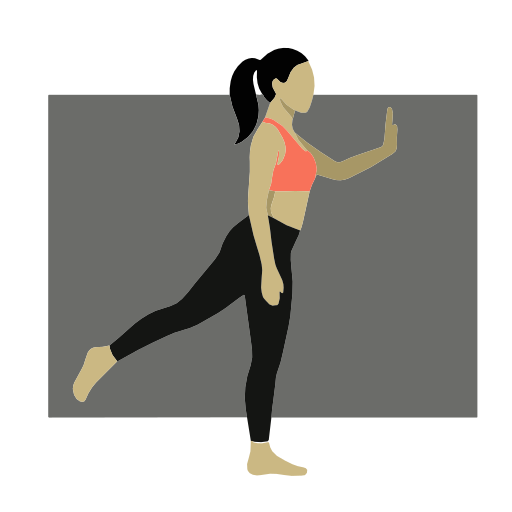
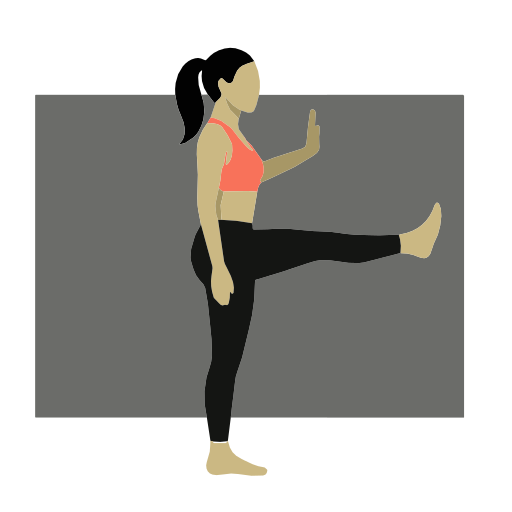
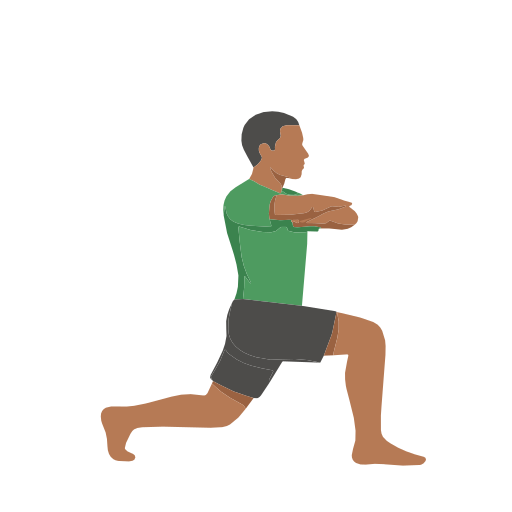
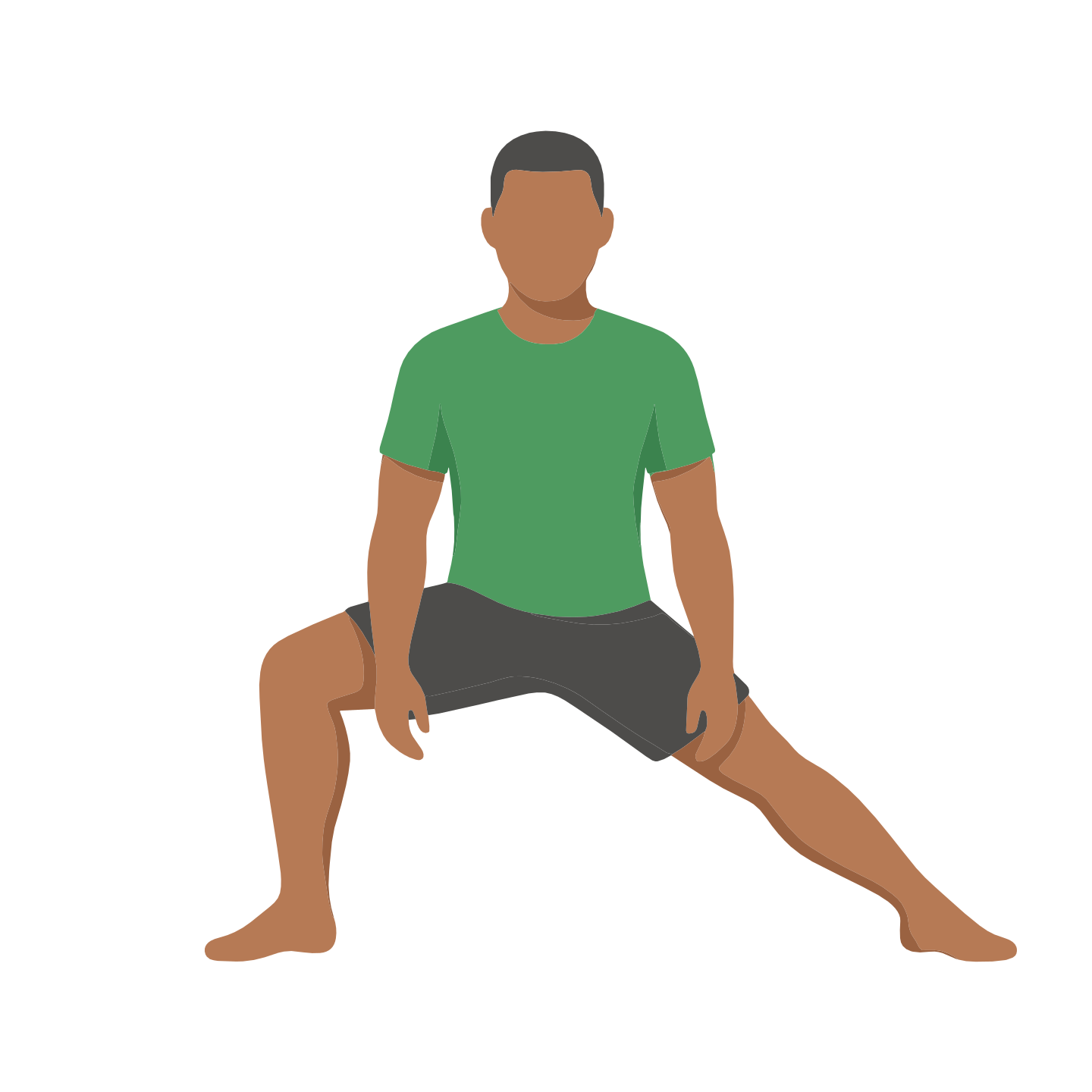
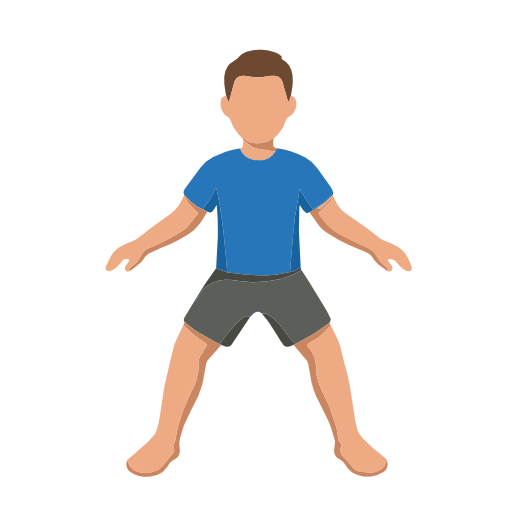
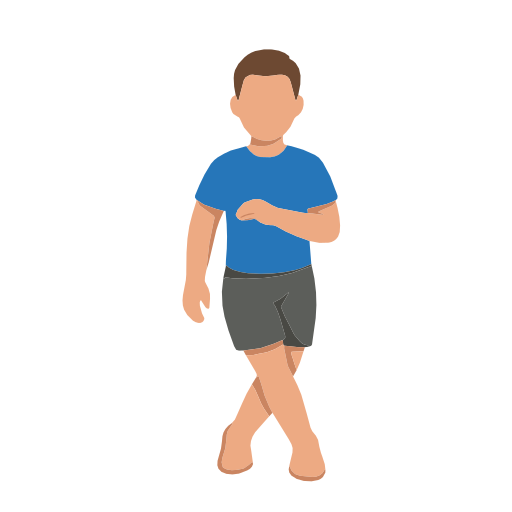
By performing the Lateral Lunges and Side-to-Side Leg Swings before every session, you prime these tissues to handle the high-intensity loads of the skating stride.
The Skating Stride Cycle
The skating stride requires an explosive push followed by a rapid recovery of the leg toward the midline. This 'eccentric' return phase is where most muscle pulls happen.[2]
Pre-game preparation is what allows you to maintain your top speed through the third period.
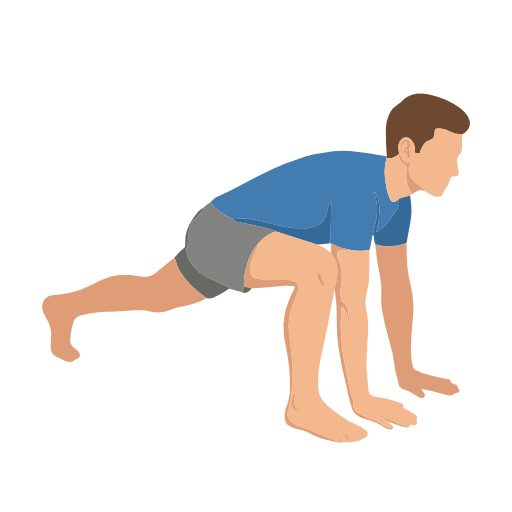
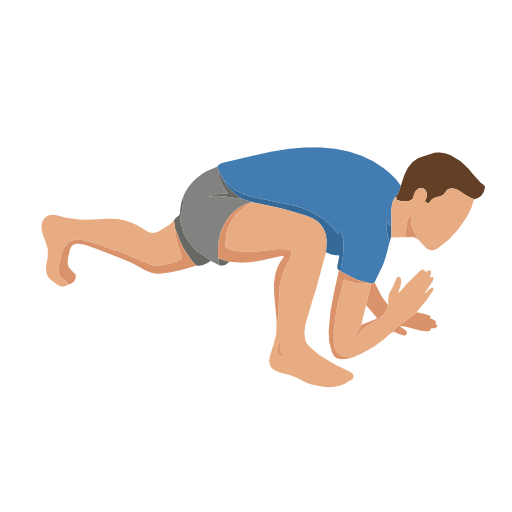
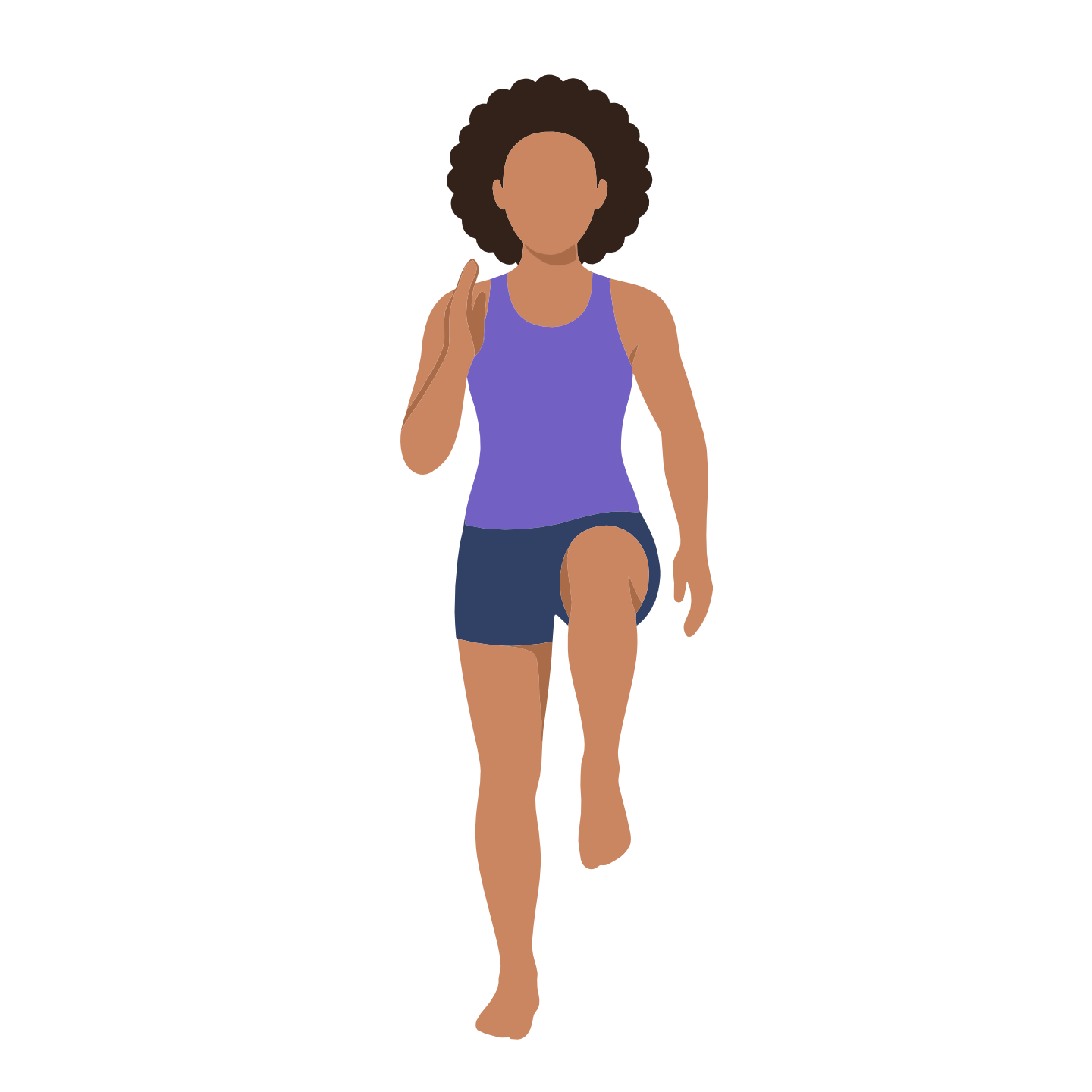
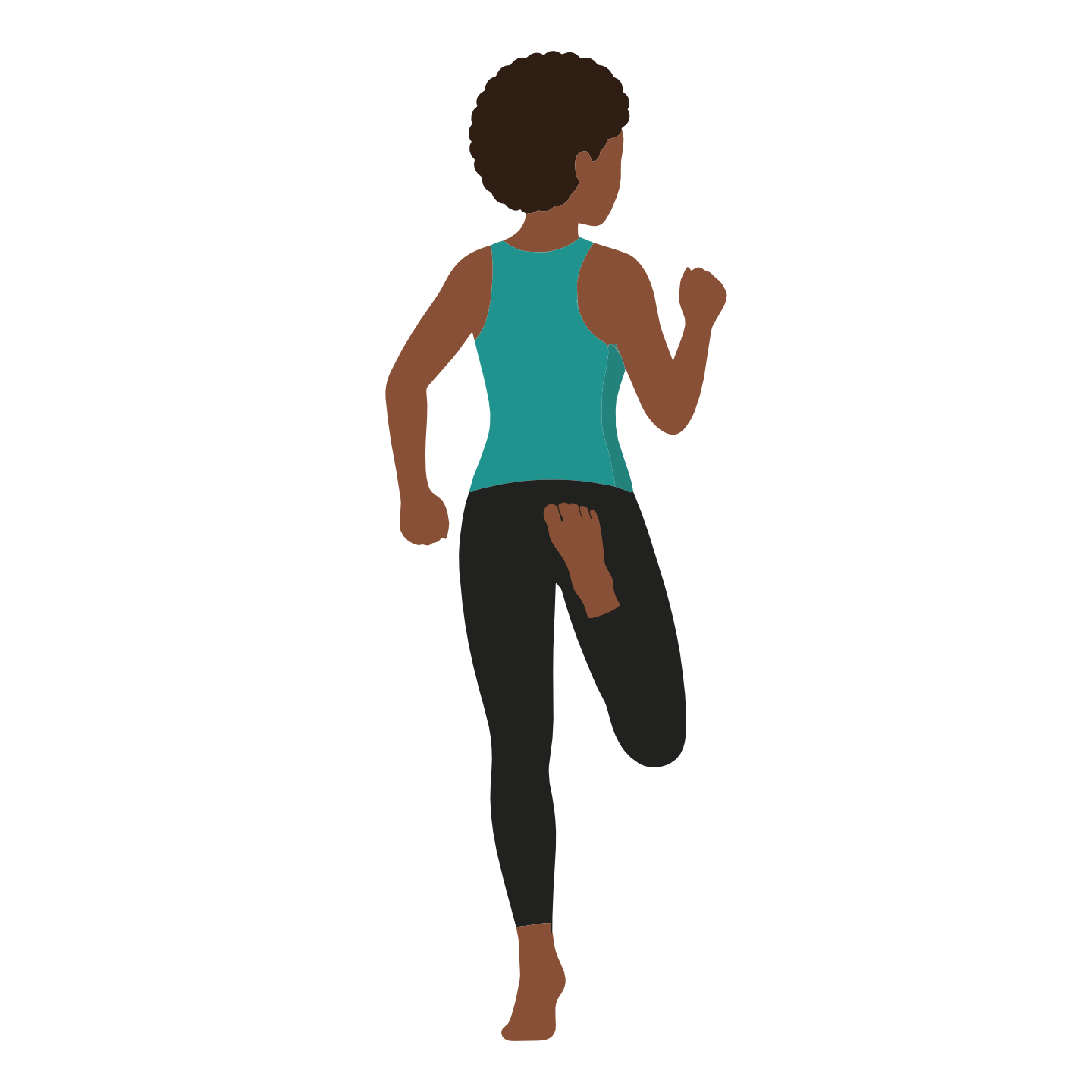
Moves like the High Knees and Butt Kicks in this routine raise your core temperature and rehearse the rapid hip-flexion pattern of the skating recovery, ensuring your nervous system is 'awake' for the first puck drop.
Preventing the 'Hockey Hunch'
Because hockey is played in a forward-flexed stance, it's natural for your chest and hip flexors to tighten over time. This 'hockey hunch' can limit your shooting power and increase the stress on your lower back.[3]
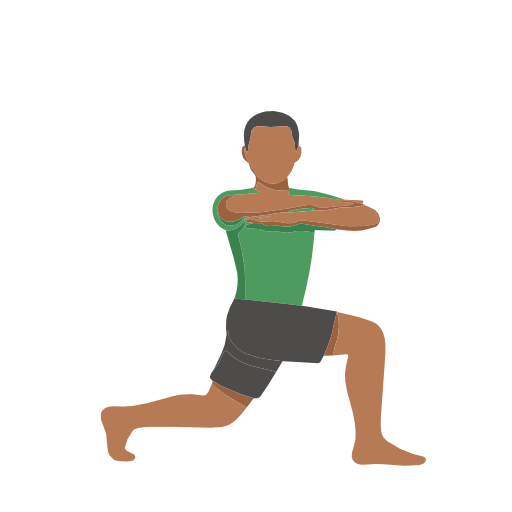
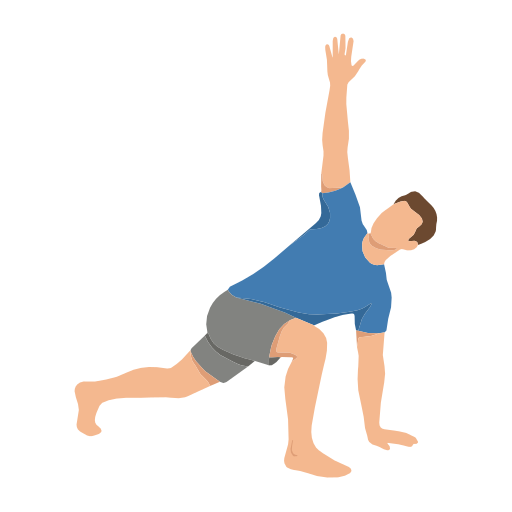
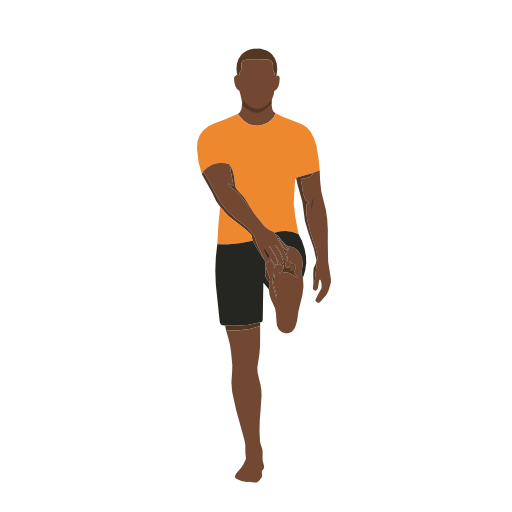
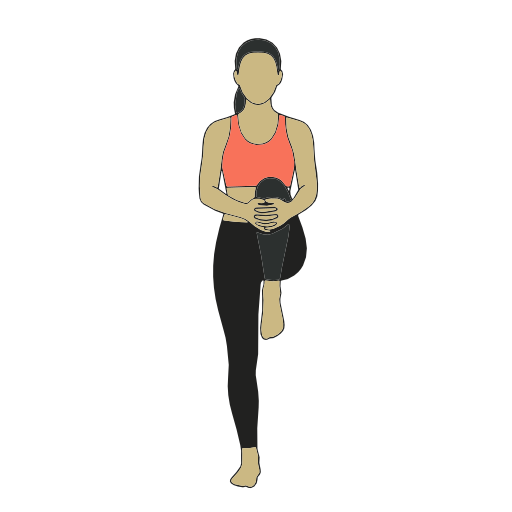
The Walking Lunges with Rotation and Knee Hug to Quad Pull help counter this adaptation. By mobilizing your mid-back and opening your hips, you ensure that your entire kinetic chain is fluid, allowing you to generate more power with less effort.