
The Seasonal Adaptation
Across a long season, the hockey body 'stiffens' into the skating position. Your hip flexors shorten, your ankles lose mobility, and your adductors become chronically tight.[1] This isn't just about feeling stiff, it's about the physical adaptation of your tissues to the demands of the sport.
This daily routine is your 'reset button.' By performing these movements twice a week, you prevent these adaptations from becoming permanent injuries.
Decompressing the Hip Joint
Up to 89% of elite hockey players show signs of FAI (impingement), where the shape of the hip joint itself begins to change in response to high-intensity skating.[2] When the hip is too tight to rotate internally, the stress is transferred to the labrum and the lower back.
Mobility isn't about being flexible; it's about being able to access the ranges of motion required for your sport.
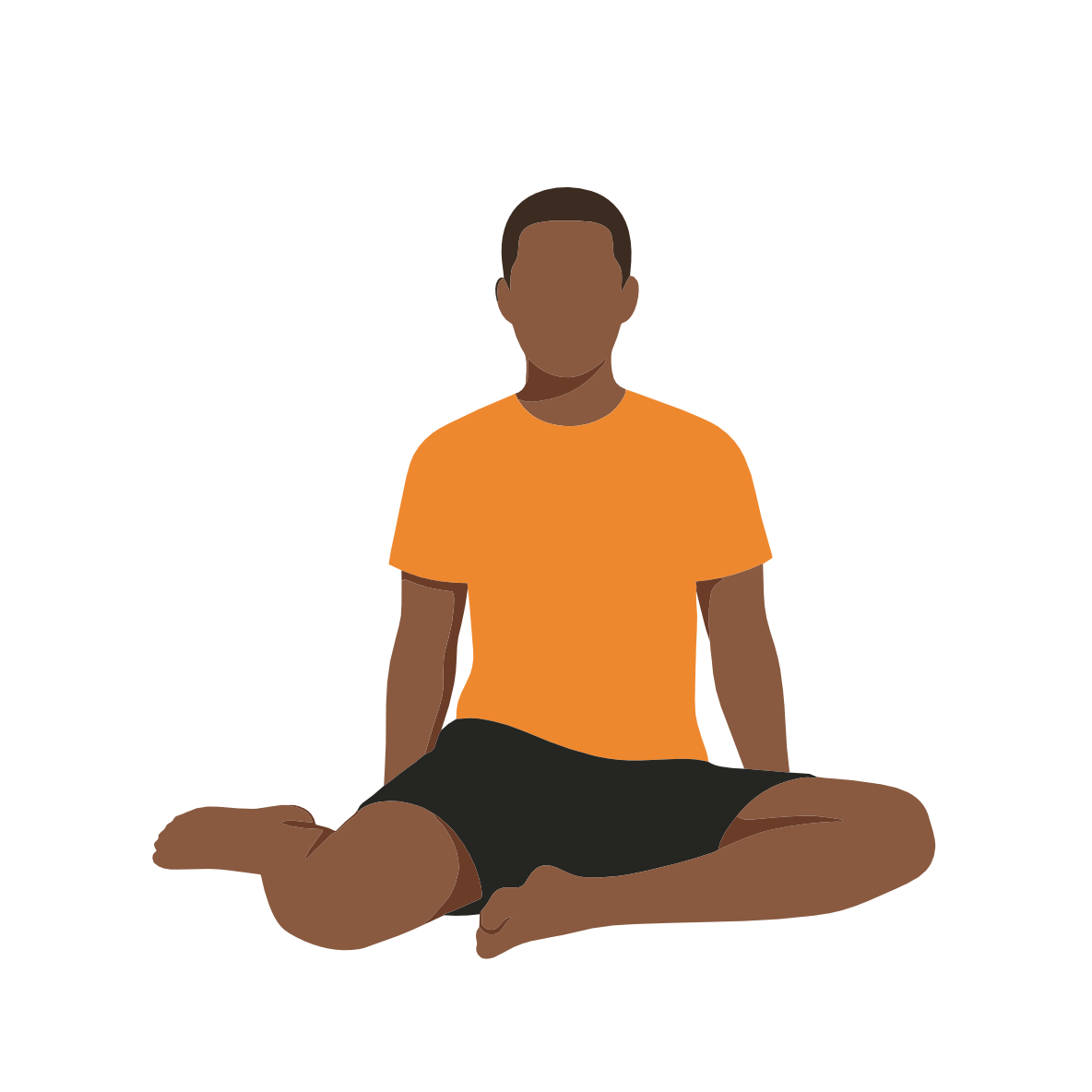
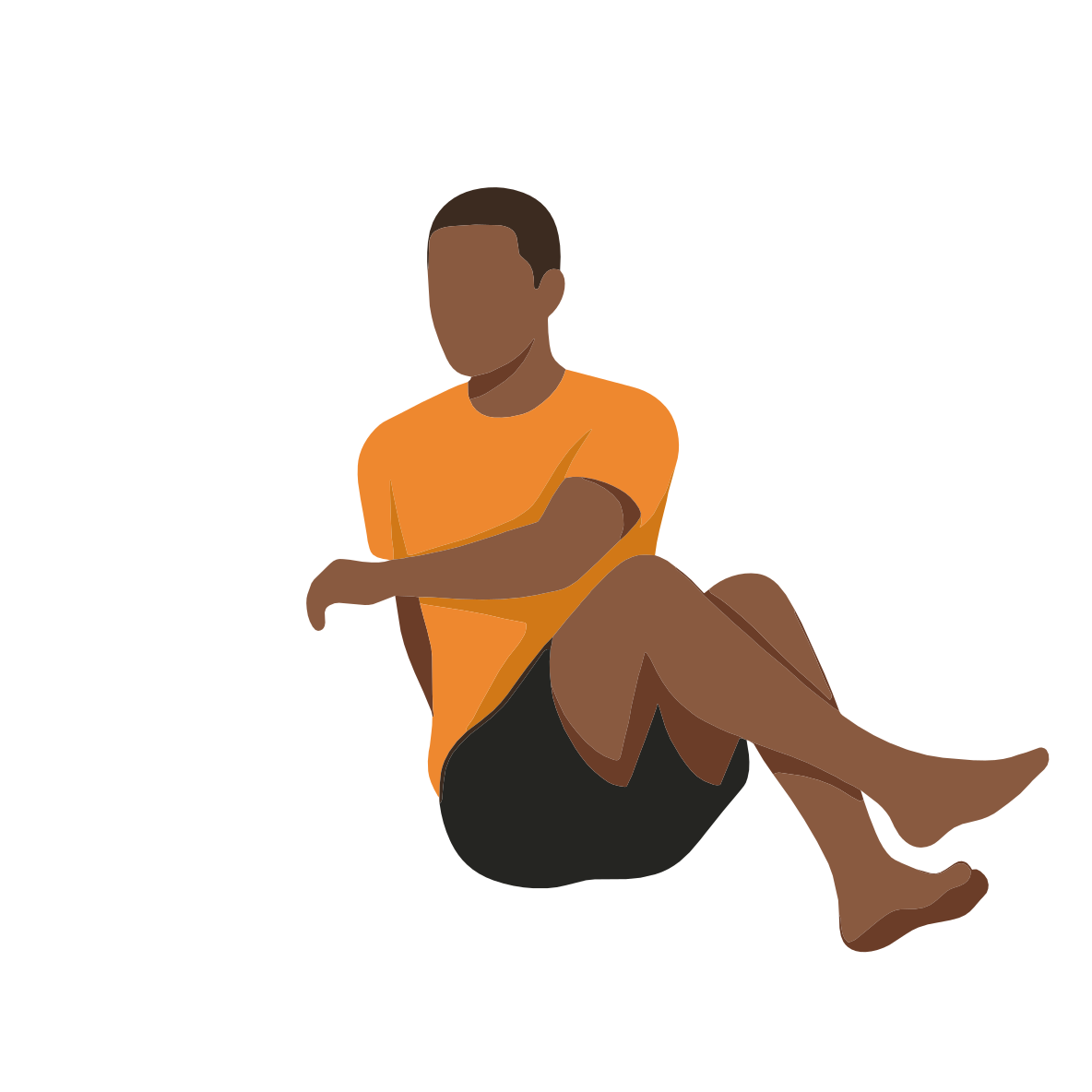
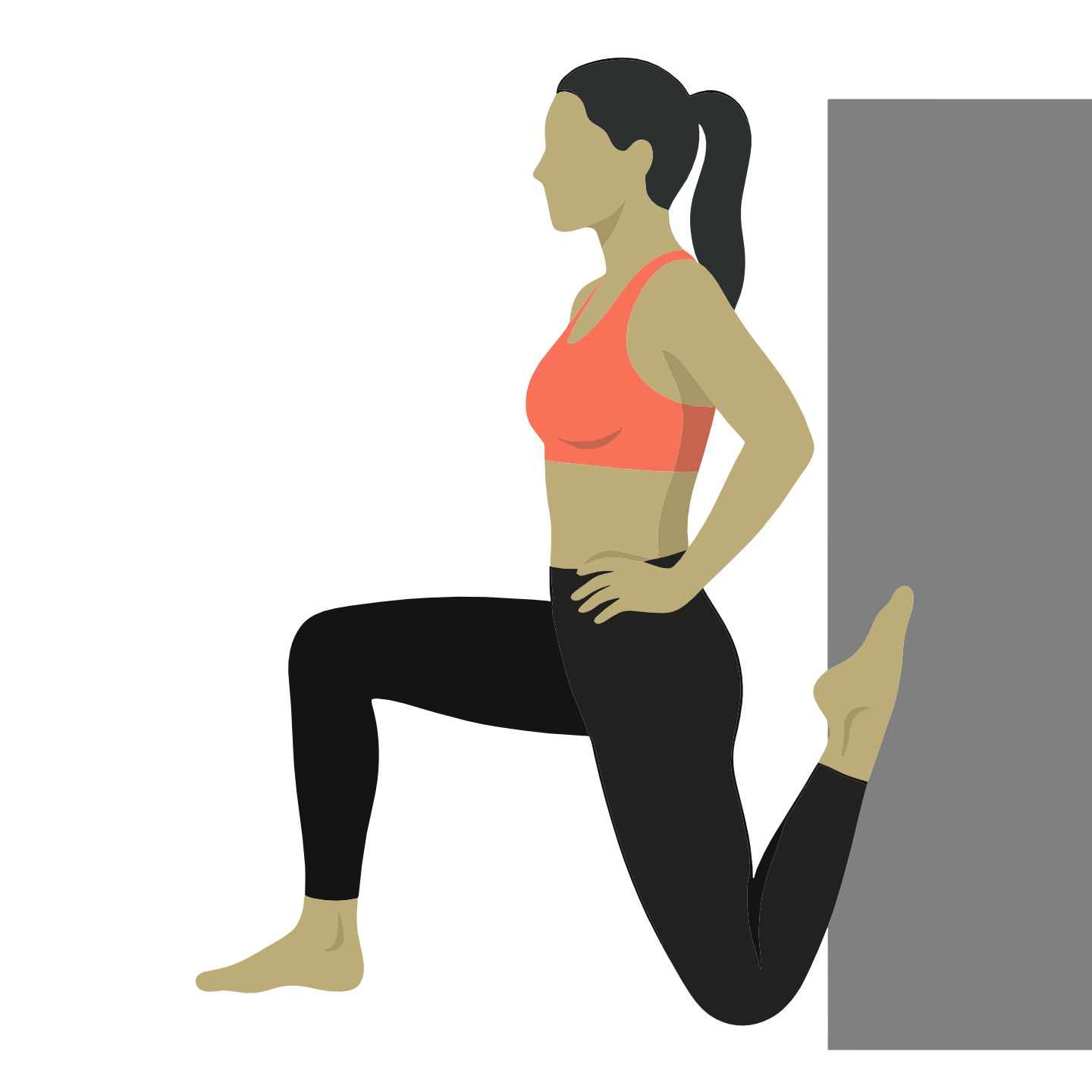
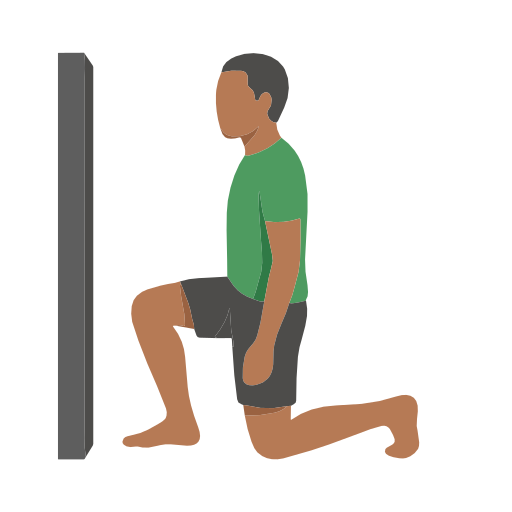
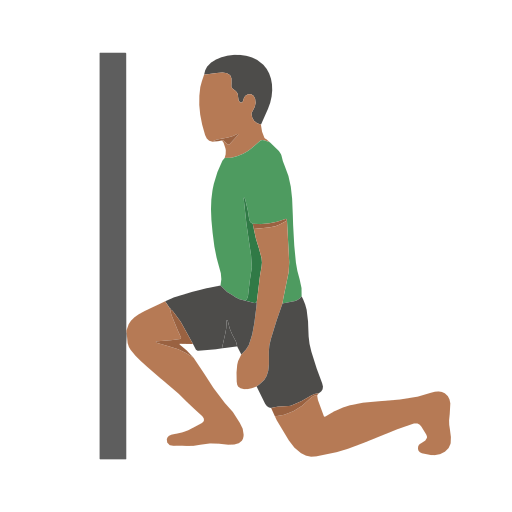
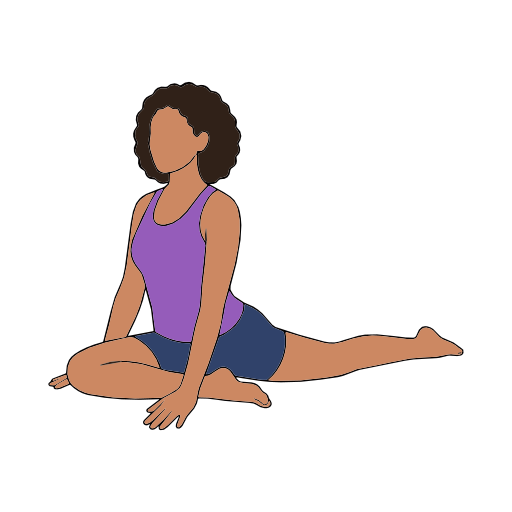
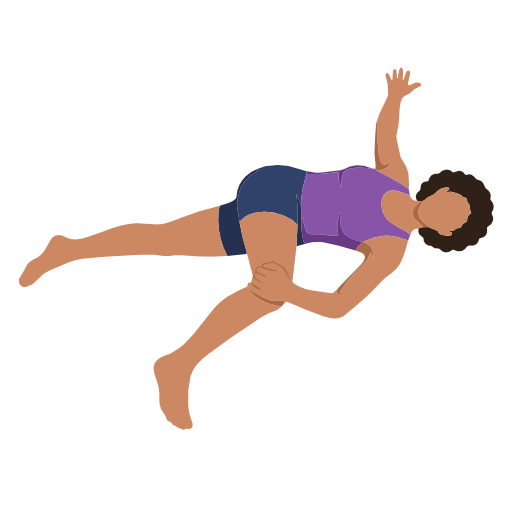
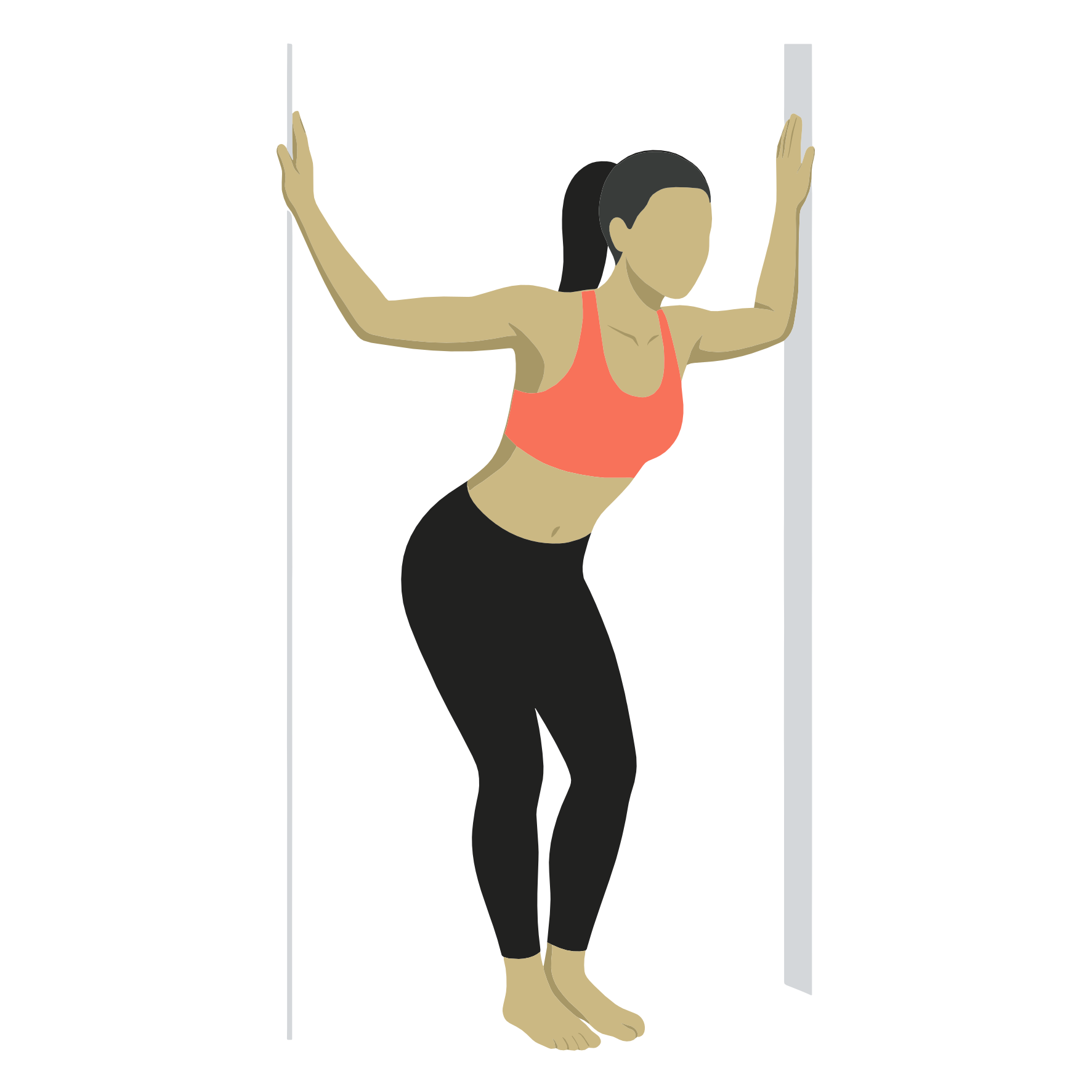
The 90/90 Hip Stretch and Wall-Supported Couch Stretch are essential for decompressing the joint. By restoring hip extension and rotation, you offload the pressure on the labrum and ensure you can maintain a deep, powerful skating stance.
Stride Length and Ankle Mobility
The power of a skating stride is limited by the mobility of the ankle. If you can't push your knee far forward over your toes (dorsiflexion), your stride will be prematurely cut short.[3]
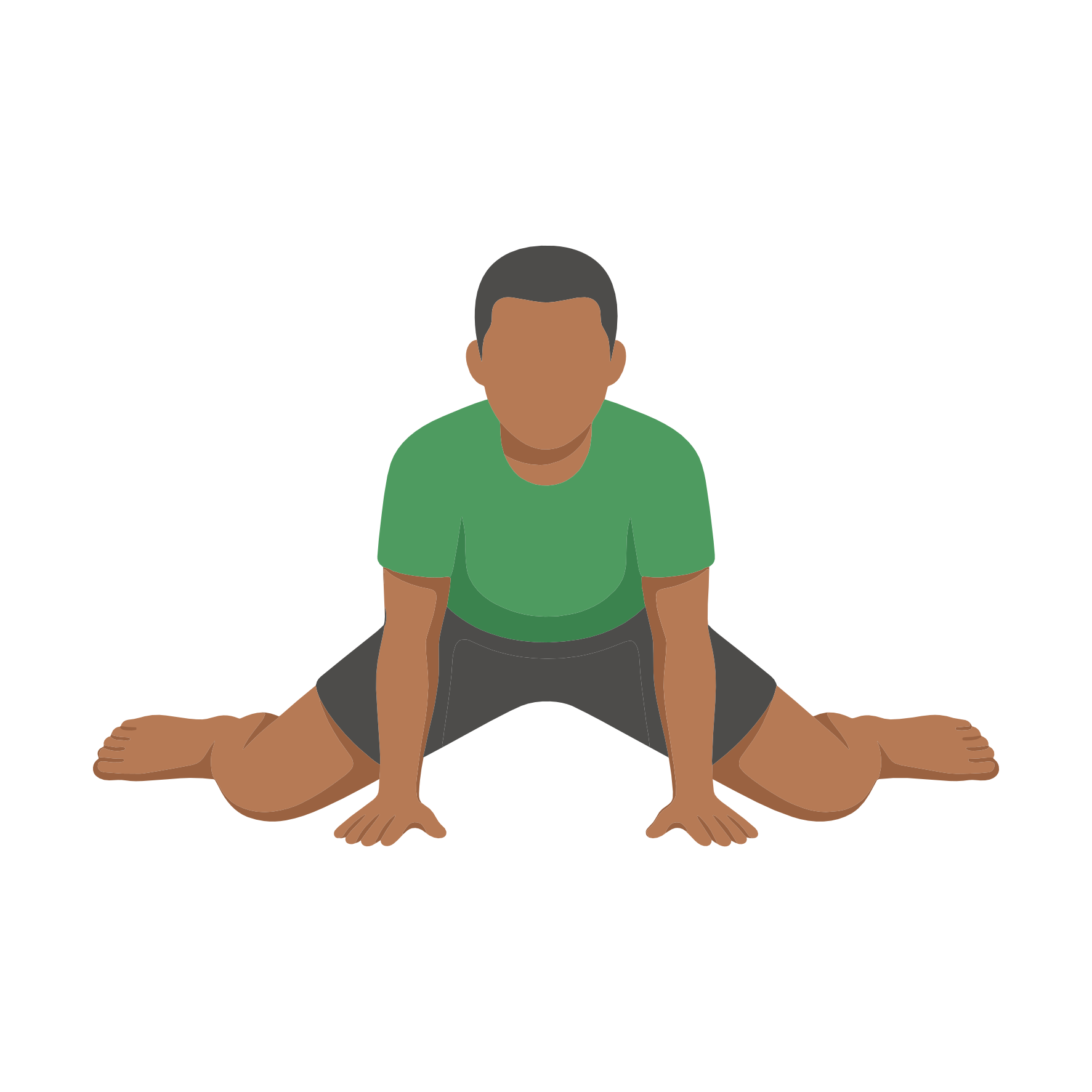
By performing the Ankle Mobilization and Deep Squat Hold regularly, you ensure your ankles have the capacity to absorb match-day forces, keeping your knees safe and your performance consistent.