The Difference Between Stretching and Mobility Work
Post-ride stretches tell your nervous system that the session is over. They reduce soreness and prevent your muscles from staying in their shortened cycling state overnight. But they do not change tissue length, that requires time under tension.
Connective tissue, fascia, tendons, and joint capsules, responds to sustained loading. A 30-second hold produces a temporary neuromuscular release. A 90-second to two-minute hold begins to mechanically elongate the tissue itself.[1]
Cycling creates the most predictable pattern of adaptive shortening in sport. Rest days are when you reclaim it.
The Hip Flexor Debt
Every hour of cycling creates what researchers call a 'hip flexor debt', a measurable shortening of the psoas and rectus femoris that accumulates over weeks of training.[2]
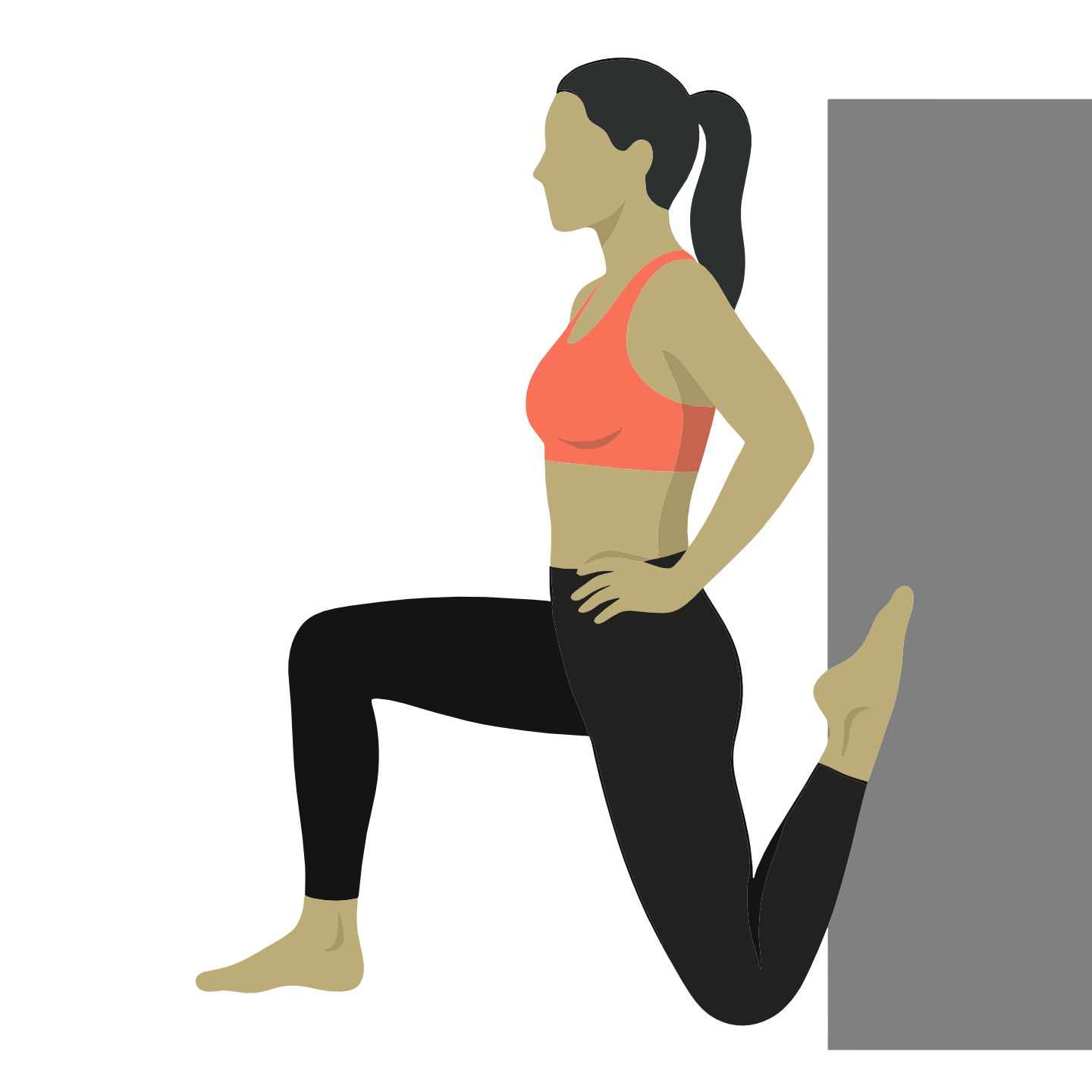
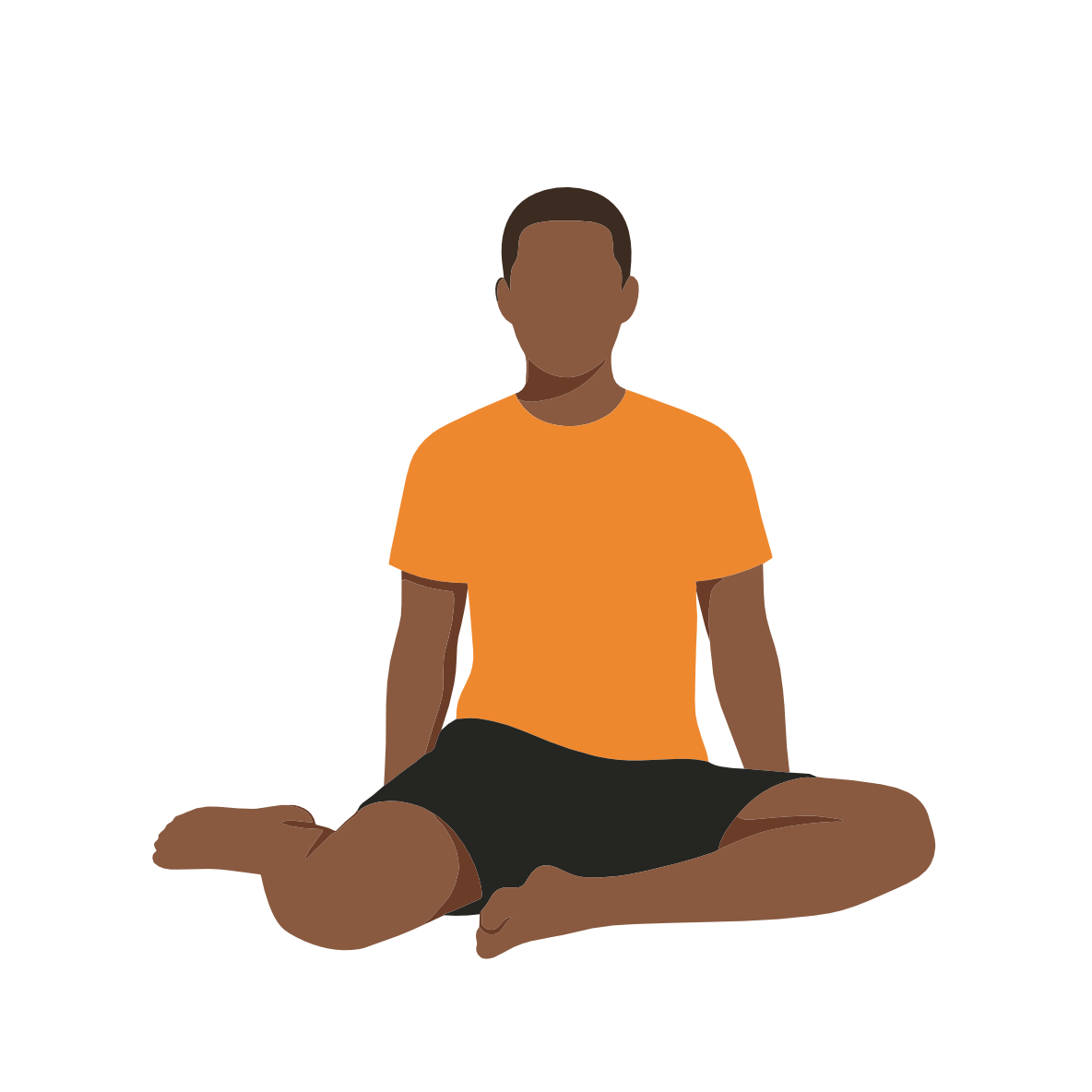
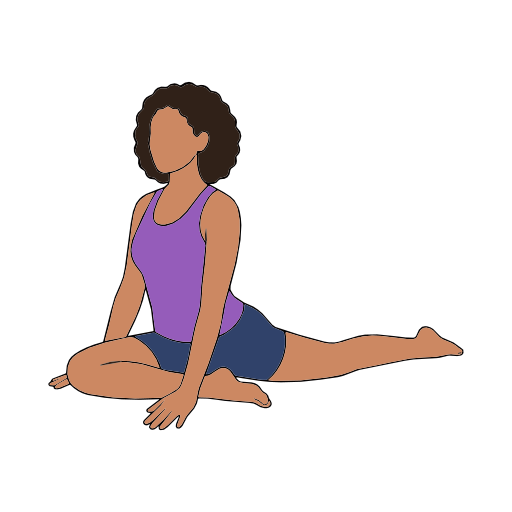
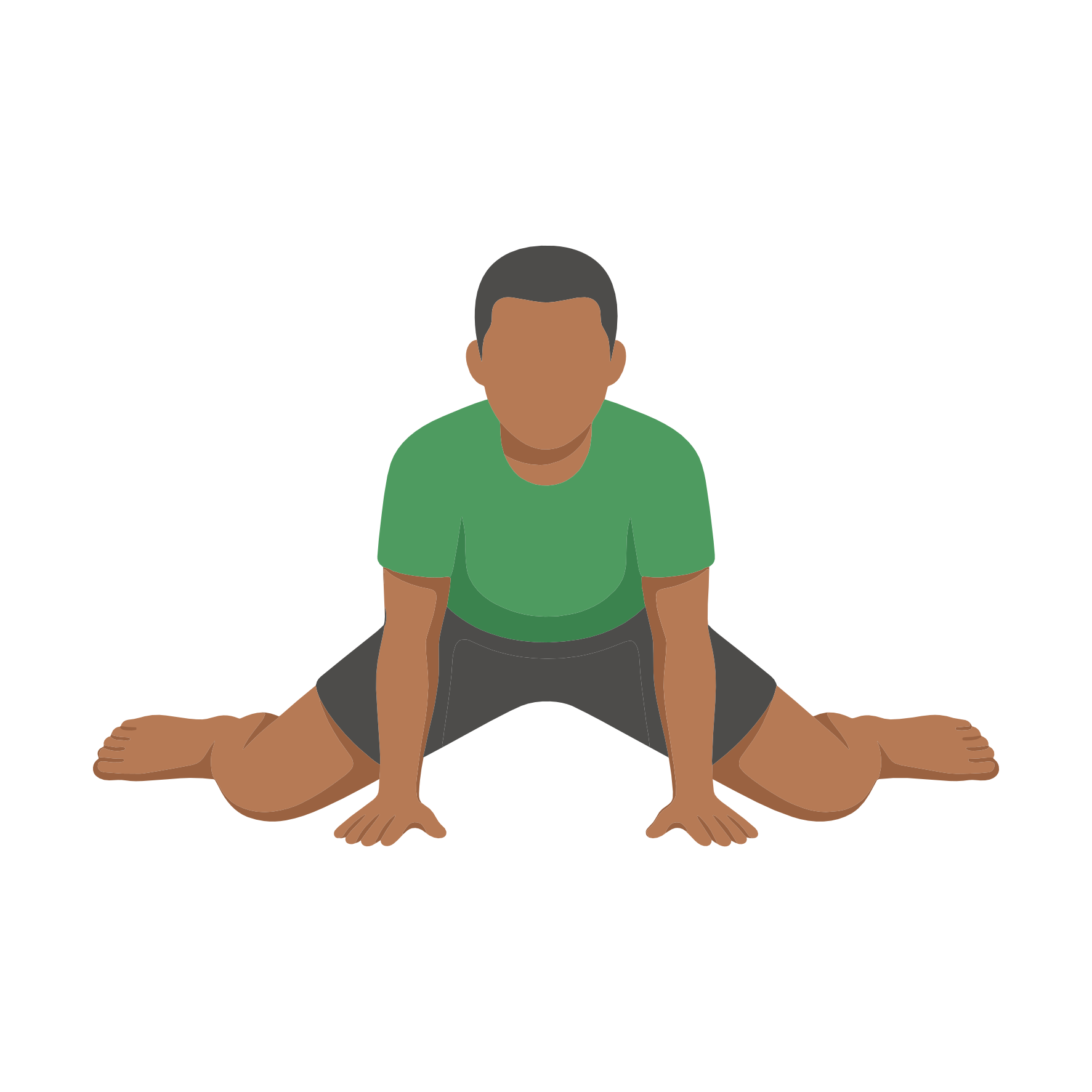
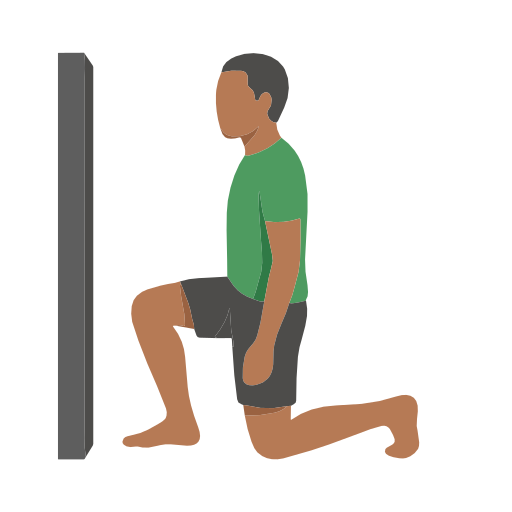
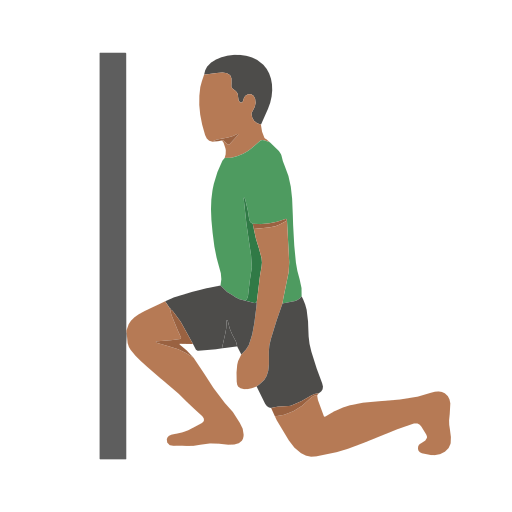
The Couch Stretch and 90/90 Hip Switches in this routine are specifically designed to pay down that debt. At two minutes per side, the couch stretch applies enough sustained tension to begin reversing the shortening that quick post-ride stretches cannot touch.
Breathing and the Thoracic Spine
Cycling compresses the thoracic spine into flexion. A locked thoracic spine restricts rib cage expansion, which reduces your diaphragm's range of motion. Reduced diaphragm range means reduced VO2, the maximum oxygen your body can use per minute.[3]
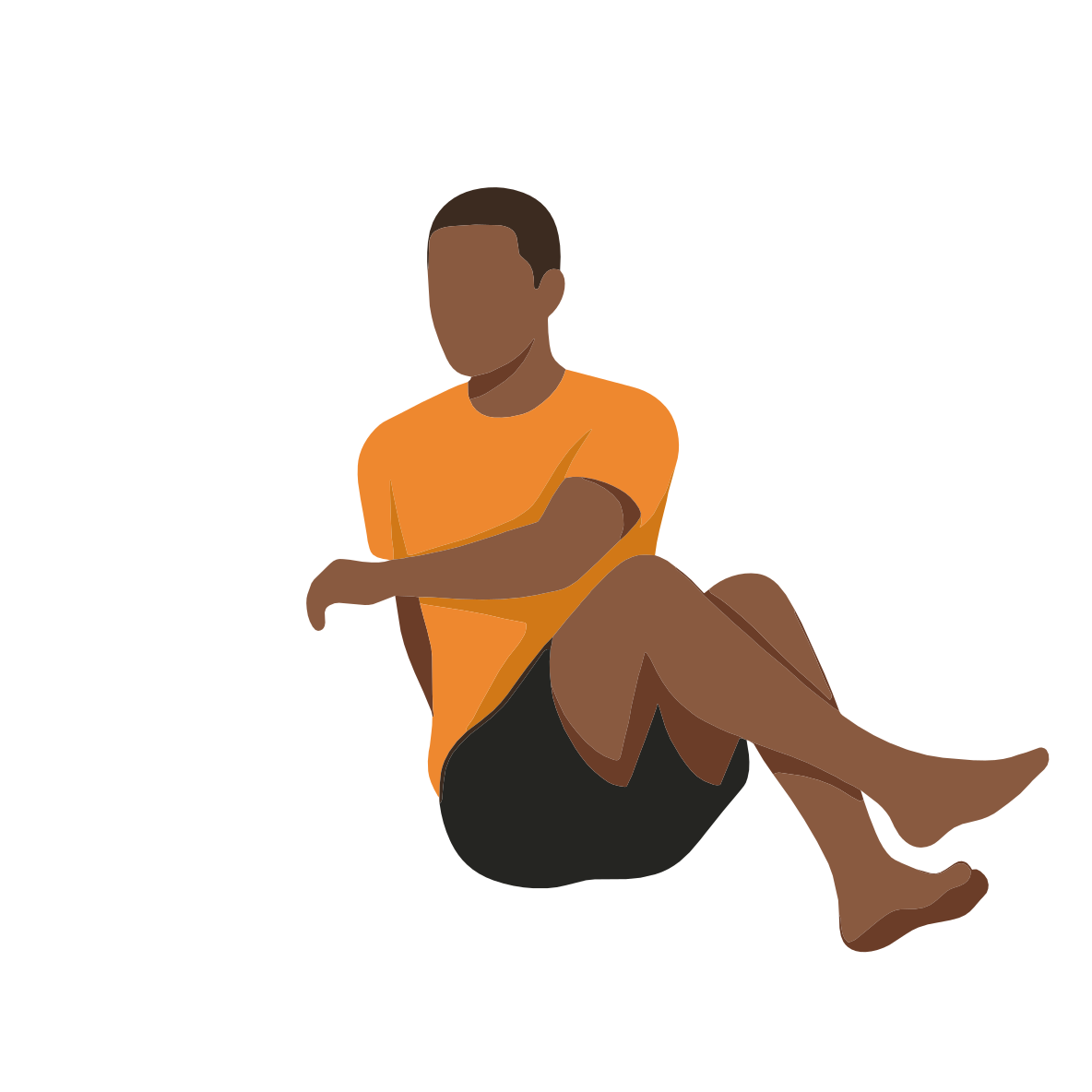
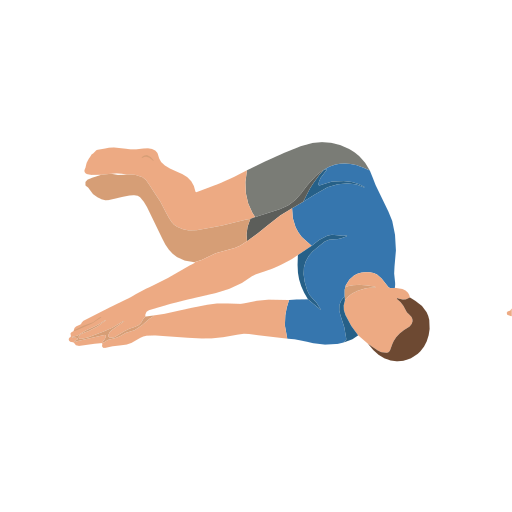
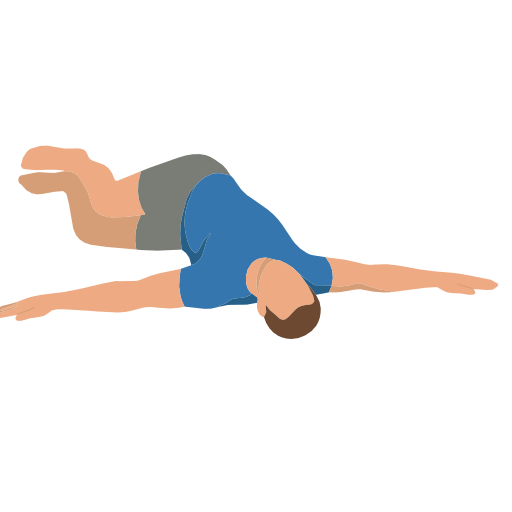
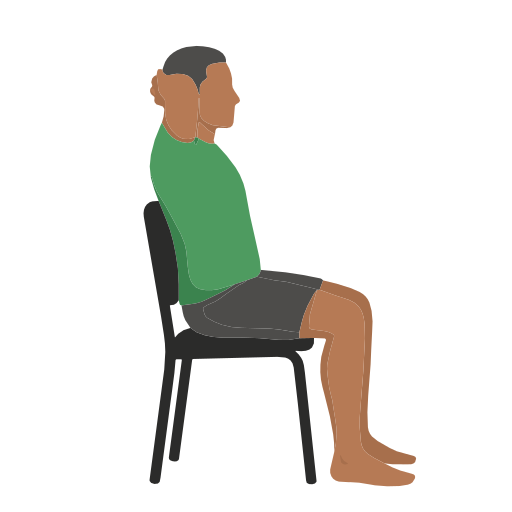
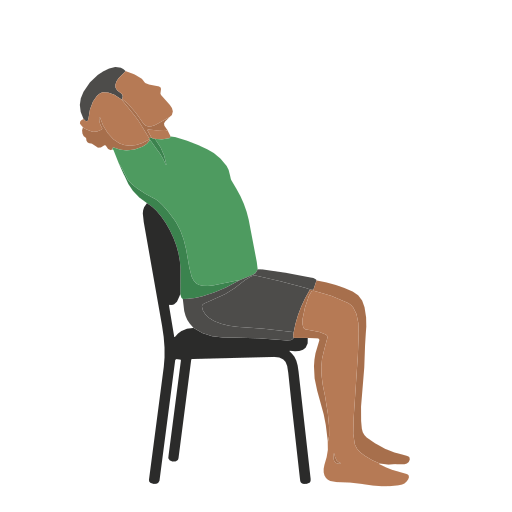
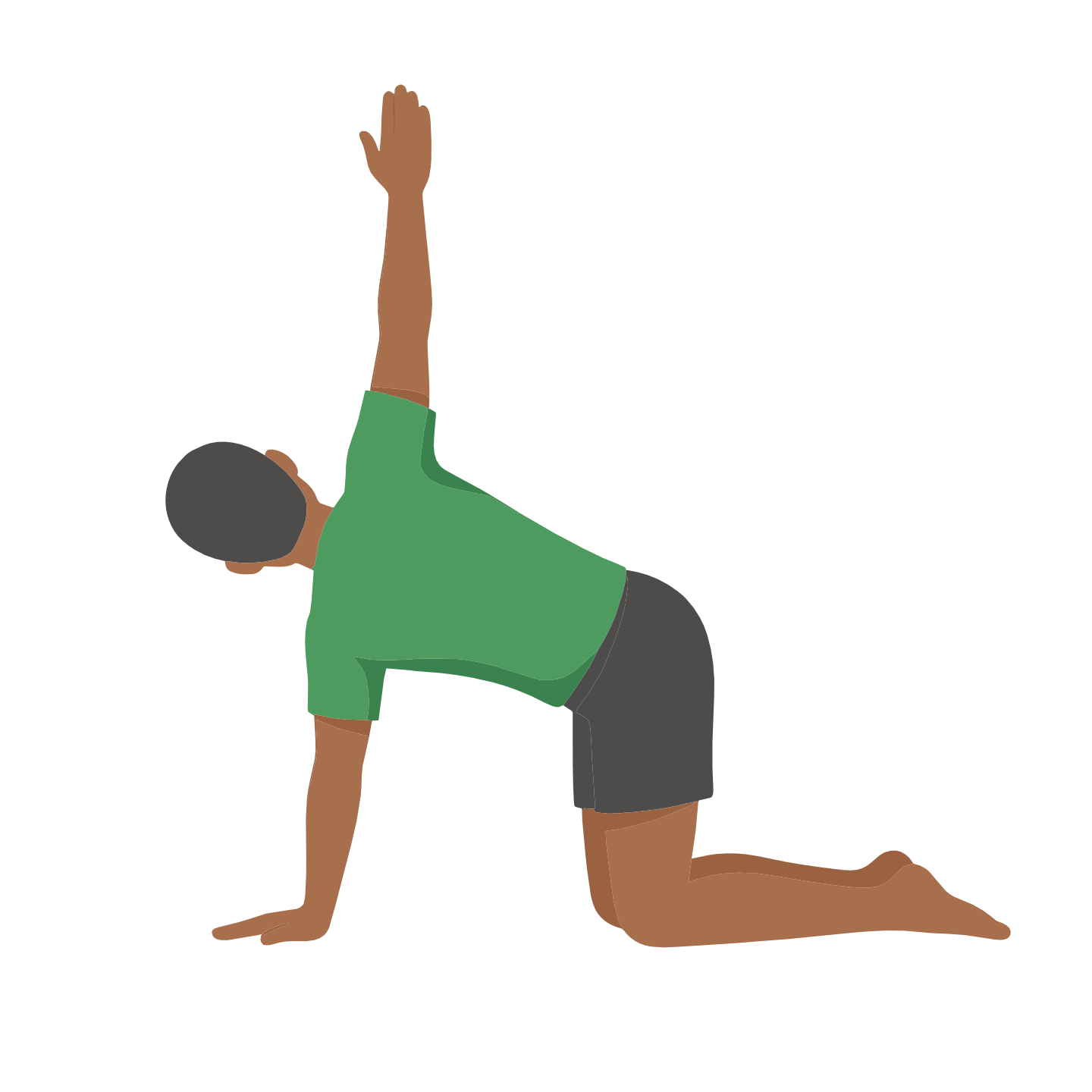
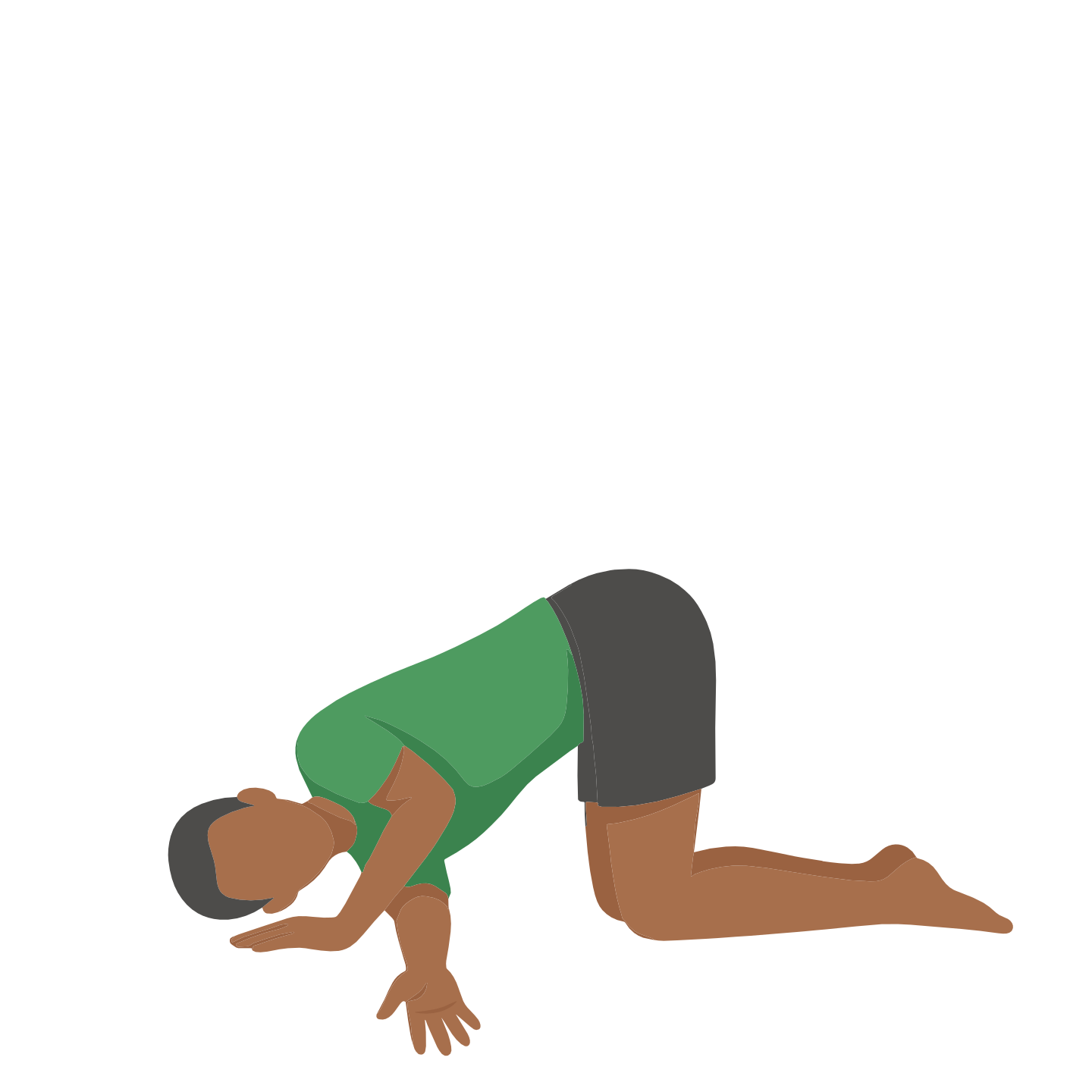
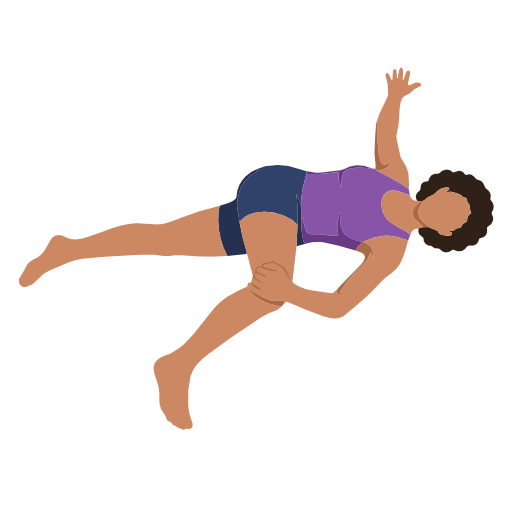
The Thoracic Extension over Chair and Thread the Needle are not just posture corrections. They are performance interventions. Every degree of thoracic extension you restore increases your lung's ability to fill, directly translating to sustained power output at high intensities.