← Back to library
Soccer·Cool-Down
·7 min read

Soccer Cool-Down Stretches: 10 Post-Match Holds for Faster Recovery

Post-match recovery for soccer should prioritize static stretching of the hamstrings and adductors to counter the extreme eccentric loading of sprinting and kicking.

A full match involves over a thousand high-intensity efforts. The 15-minute window after you walk off the pitch is your best opportunity to restore the muscle length lost to those explosive movements. These ten static holds target the 'high-load' zones of soccer, the hamstrings, adductors, and calves, to accelerate your recovery and prevent chronic stiffness.

The Recommended Routine

1
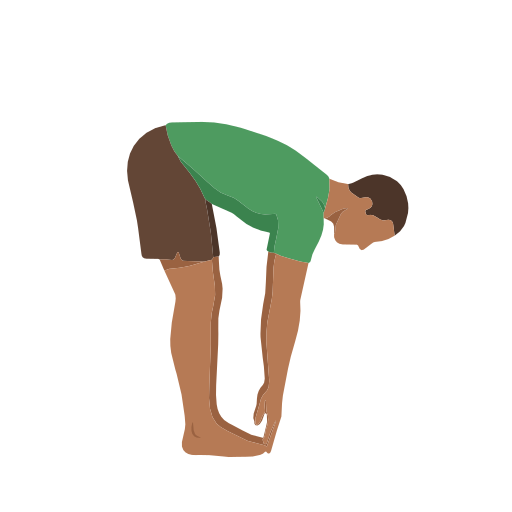
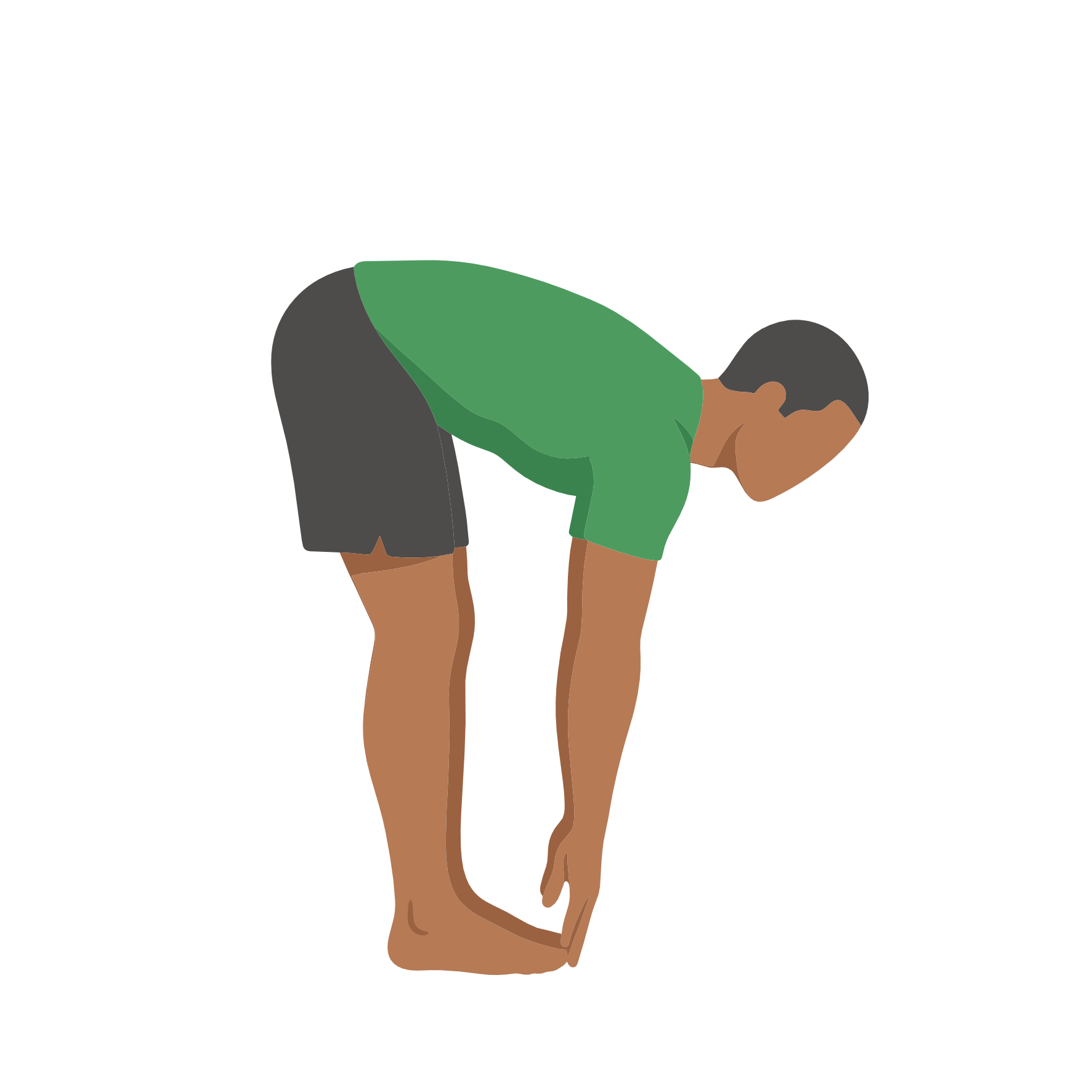
Standing Hammie Fold
Hamstrings · 45 seconds per side
  1. Stand with feet together and a slight knee bend
  2. Hinge forward at the hips, reaching hands toward the floor
  3. Keep your back flat as long as possible before allowing it to round
  4. Let your head and neck relax fully
  5. Hold at the bottom, then slowly roll back up one vertebra at a time
Why it works
Sprinting causes massive eccentric load on the hamstrings; this restores length and helps prevent the #1 injury in the game.
2
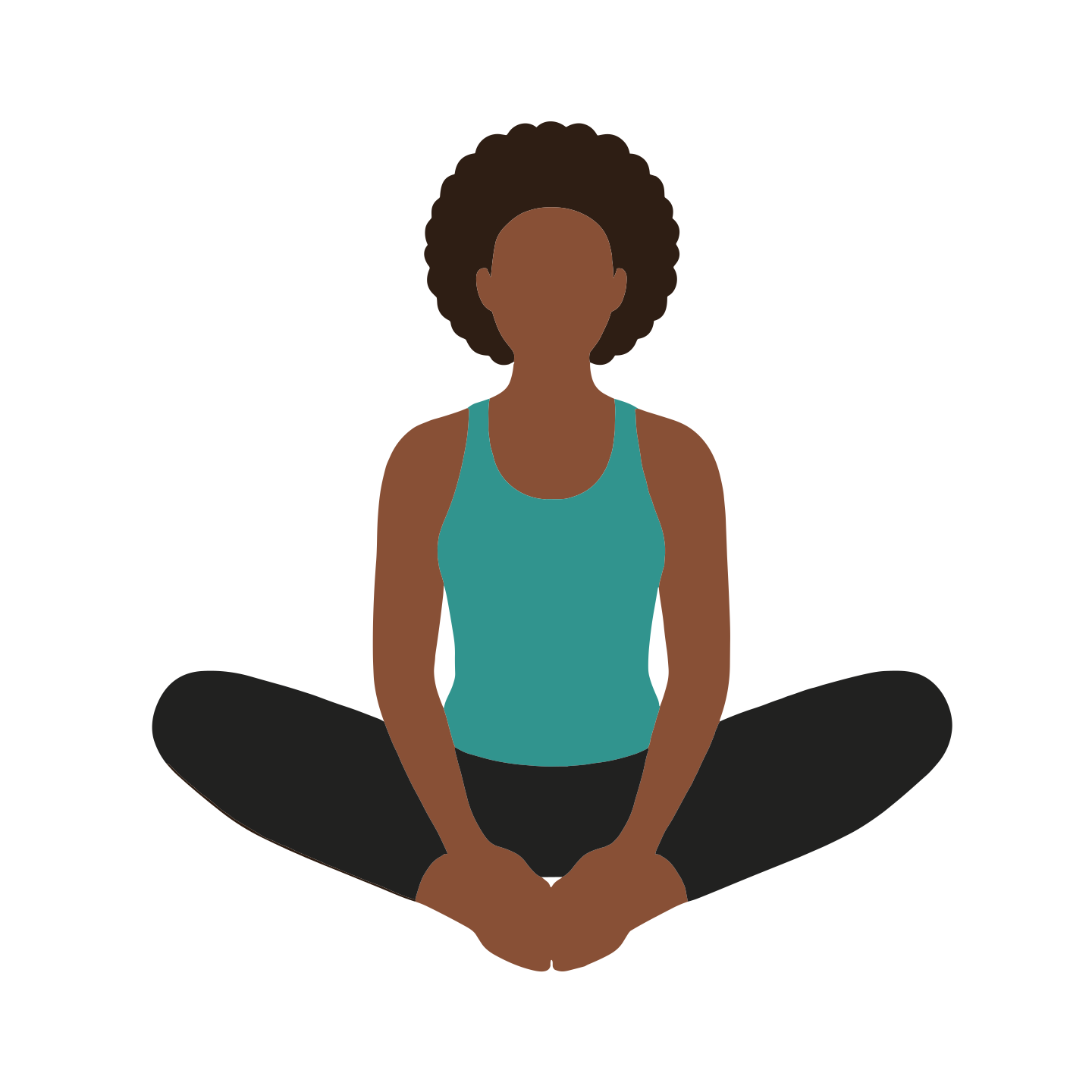
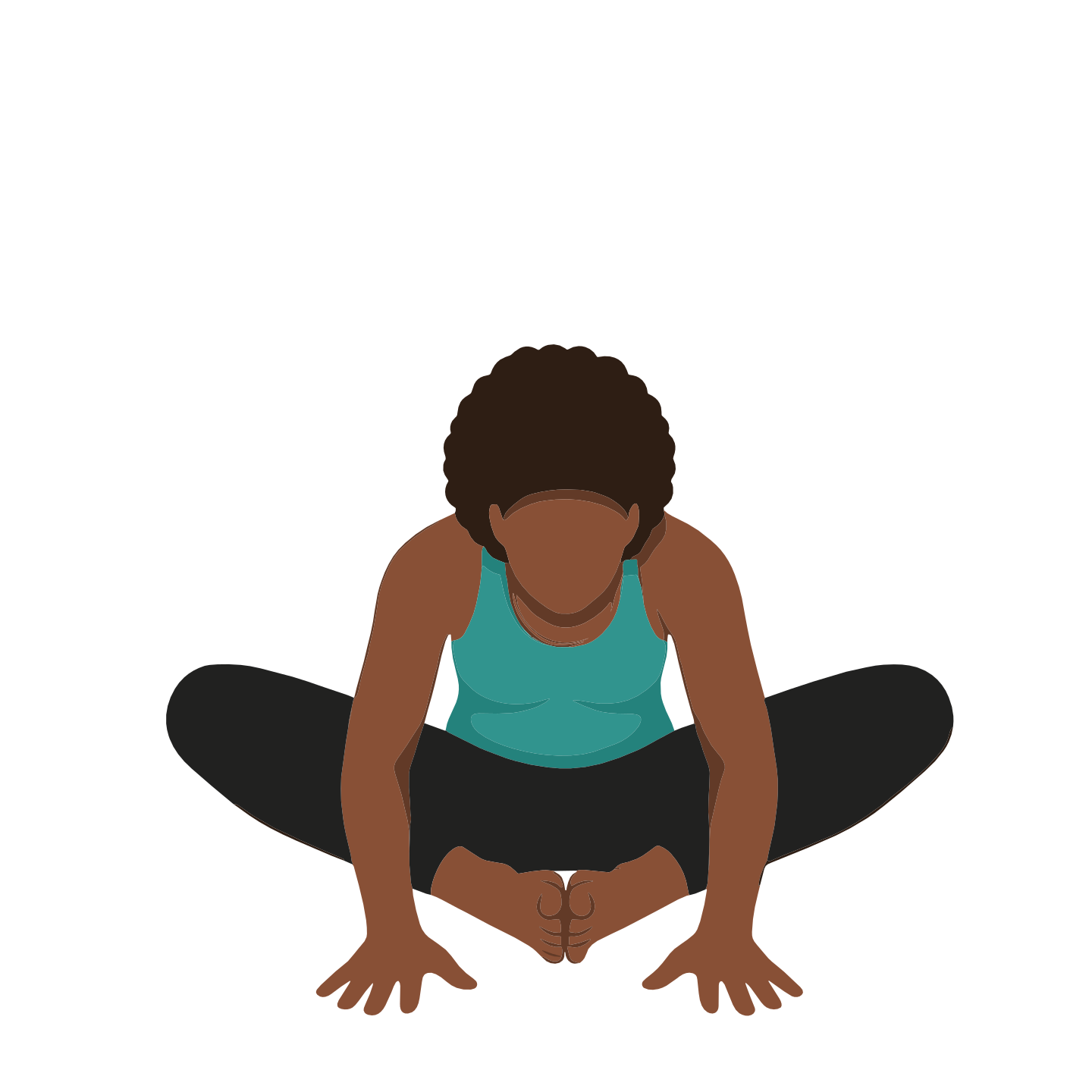
Butterfly Stretch
Inner Thigh (Adductors) · 45 seconds
  1. Sit on the floor and bring the soles of your feet together
  2. Hold your feet and sit tall with a long spine
  3. Gently press your knees toward the floor using your elbows
  4. Hinge slightly forward from the hips to deepen the stretch
  5. Do not force the knees down, let gravity do the work
Why it works
Restores the flexibility of the adductors, which are highly vulnerable during instep passing and ball shielding.
3
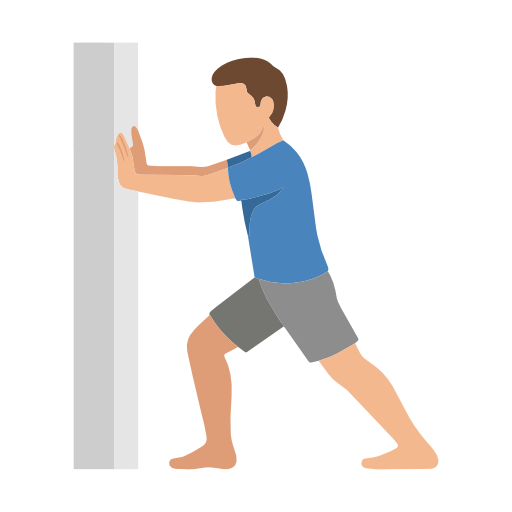
Calf Wall Stretch
Upper Calf · 30 seconds per side
  1. Face a wall and step one foot back with the heel flat on the floor
  2. Keep the back leg straight to stretch the calf
  3. Lean hips forward until you feel the stretch in the back leg
  4. Hold, then switch legs
Why it works
Restores ankle dorsiflexion, which is essential for safe jumping and landing in the next match.
4
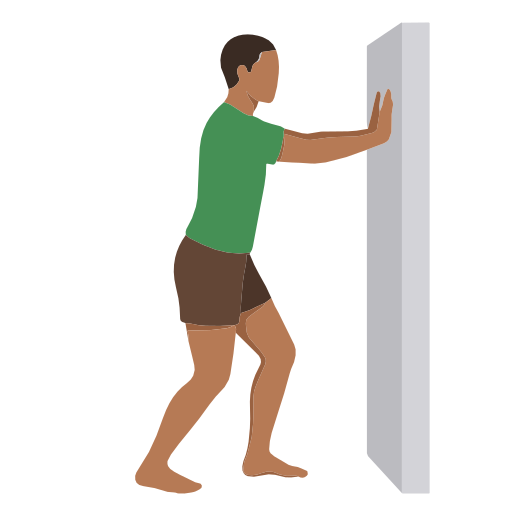
Soleus / Achilles Wall Stretch - Bent-Knee
Deep Calf (Soleus) and Achilles · 30 seconds per side
  1. Face a wall and step one foot back with the heel flat on the floor
  2. Bend the back knee while keeping the heel firmly down and toes slightly inward
  3. Press hips forward and slightly down
  4. Stretch is felt low on the calf, just above the heel
  5. Hold 30 seconds, 2–3× per side
Why it works
Targets the deeper soleus muscle, which absorbs high forces during rapid changes of direction.
5
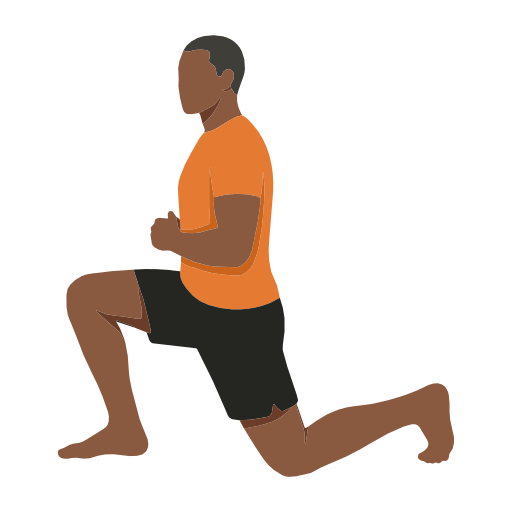
Half Kneeling Hip Flexor
Hip Flexors · 45 seconds per side
  1. Assume a half-kneeling position (one knee down, one foot forward)
  2. Tuck your pelvis slightly (posterior tilt) to engage the glute of the down leg
  3. Shift your weight slightly forward without arching your lower back
  4. Maintain a tall posture
Why it works
Counters the shortening of the hip flexors caused by sprinting and defensive stances.
Source: Page 2012
6
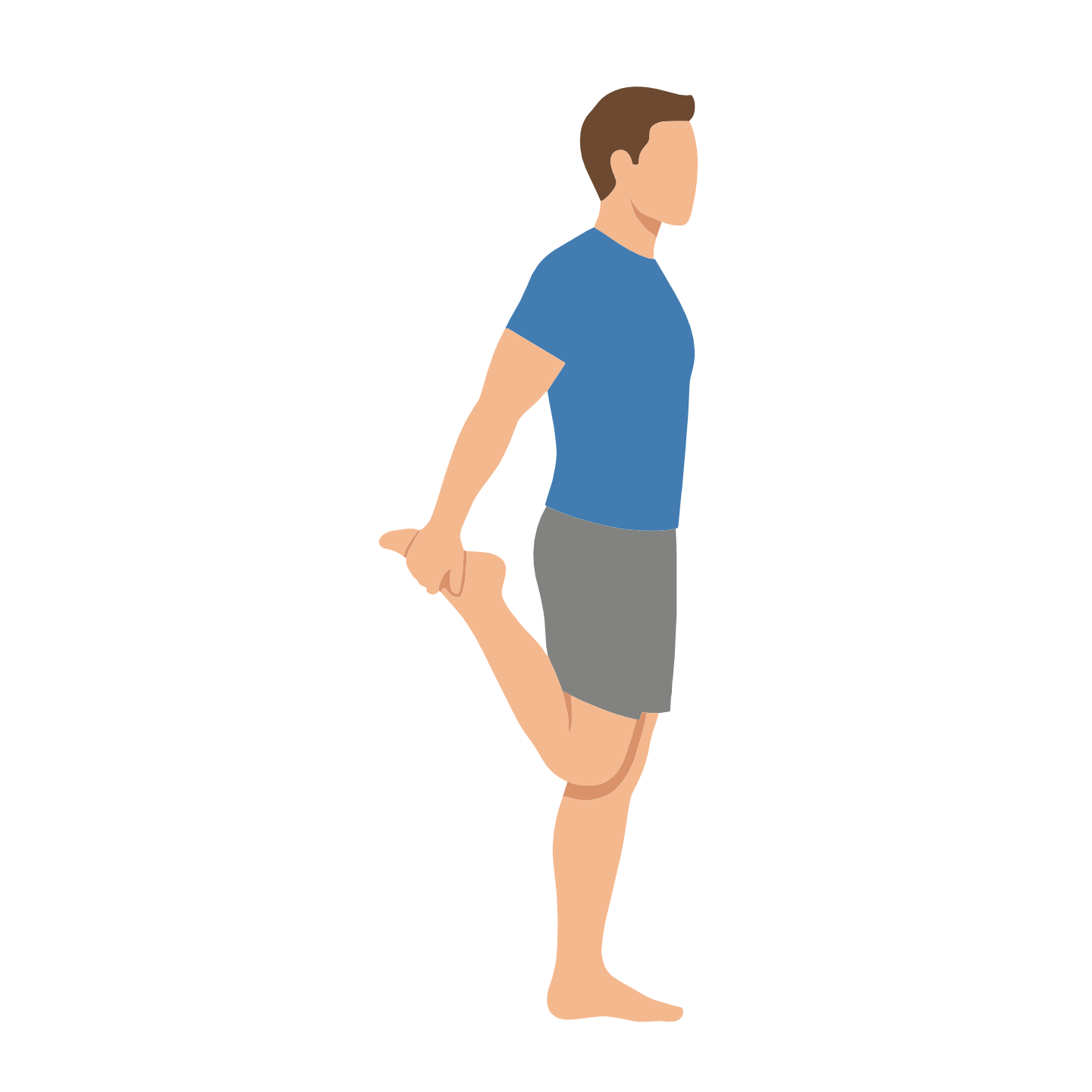
Standing Quad Stretch
Quads · 45 seconds per side
  1. Stand on one leg, holding a wall or surface for balance if needed
  2. Pull the opposite ankle toward your glute, keeping knees together
  3. Stand tall, don't lean forward or arch the lower back
  4. Squeeze the glute of the stretched leg to deepen the hip flexor portion
  5. Hold, release, and switch legs
Why it works
Restores knee range of motion after the repetitive 'eccentric' loading of kicking and stopping.
7
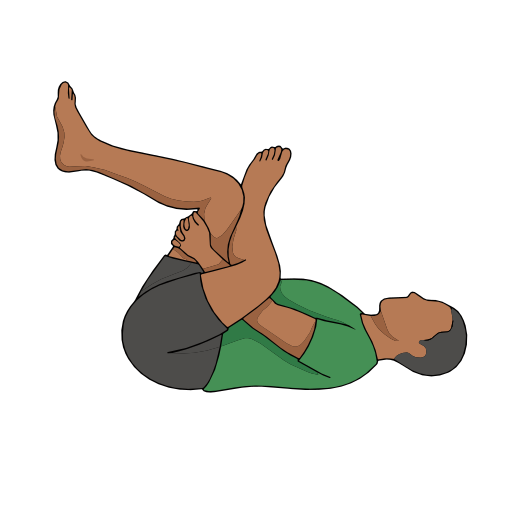
Lying Figure-4
Glutes and Deep Hips · 45 seconds per side
  1. Lie on your back with both knees bent and feet flat on the floor
  2. Cross one ankle over the opposite knee in a figure-4 shape
  3. Pull the bottom thigh toward your chest, threading your hands through or around
  4. Keep your head and shoulders relaxed on the floor
  5. Hold, breathe deeply, then switch sides
Why it works
Releases the glutes that generate high torque during cutting, protecting your lower back from stiffness.
8
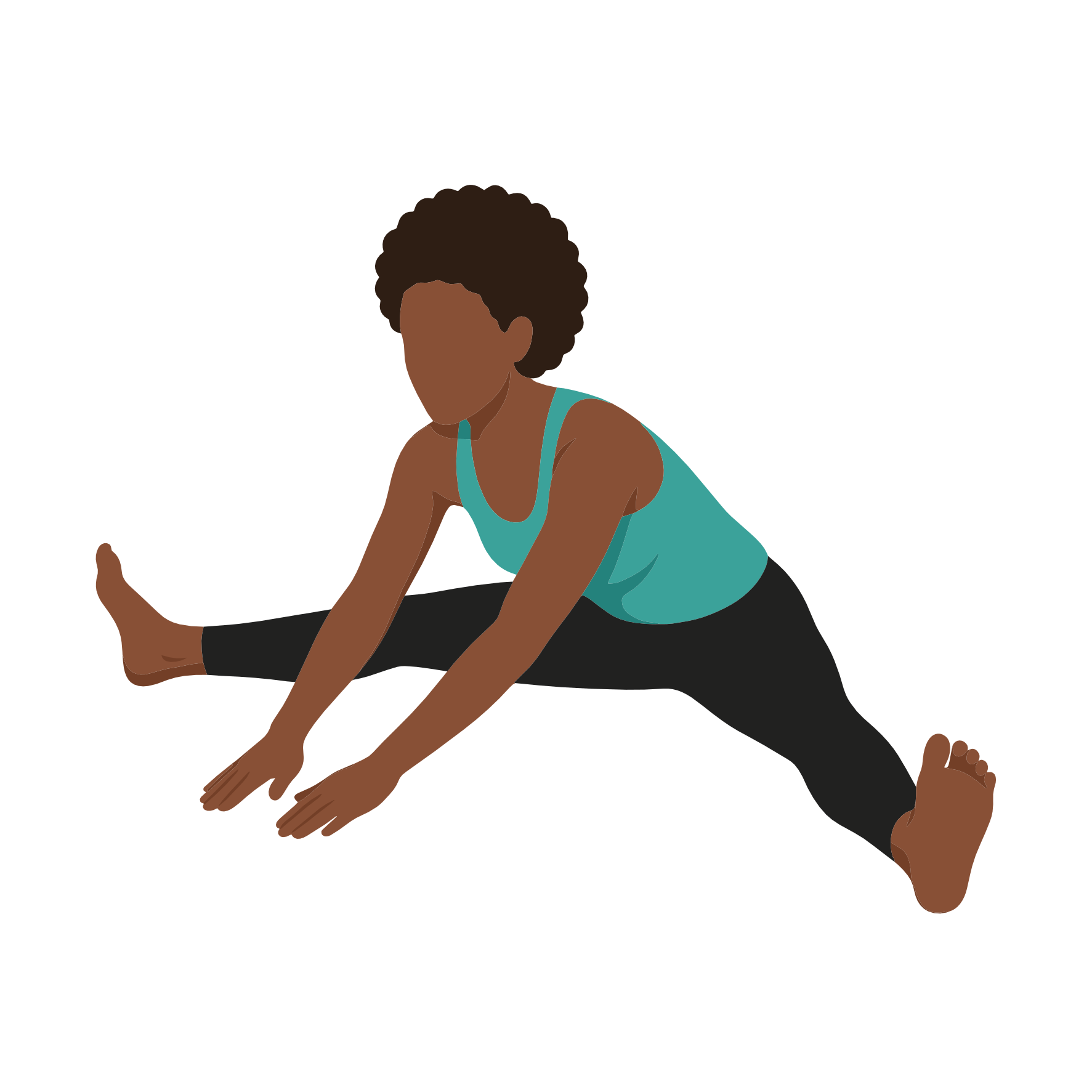
Wide Leg Seated Straddle
Inner Thigh and Groin · 60 seconds
  1. Sit on the floor and open your legs as wide as comfortable
  2. Keep feet flexed and toes pointing up
  3. Sit tall with a long spine, don't slump
  4. Slowly hinge forward from the hips, reaching for the floor in front of you
  5. Hold without forcing range, breathe and allow the inner thighs to release
Why it works
Targets the adductor magnus, the specific groin muscle most frequently injured in soccer.
9
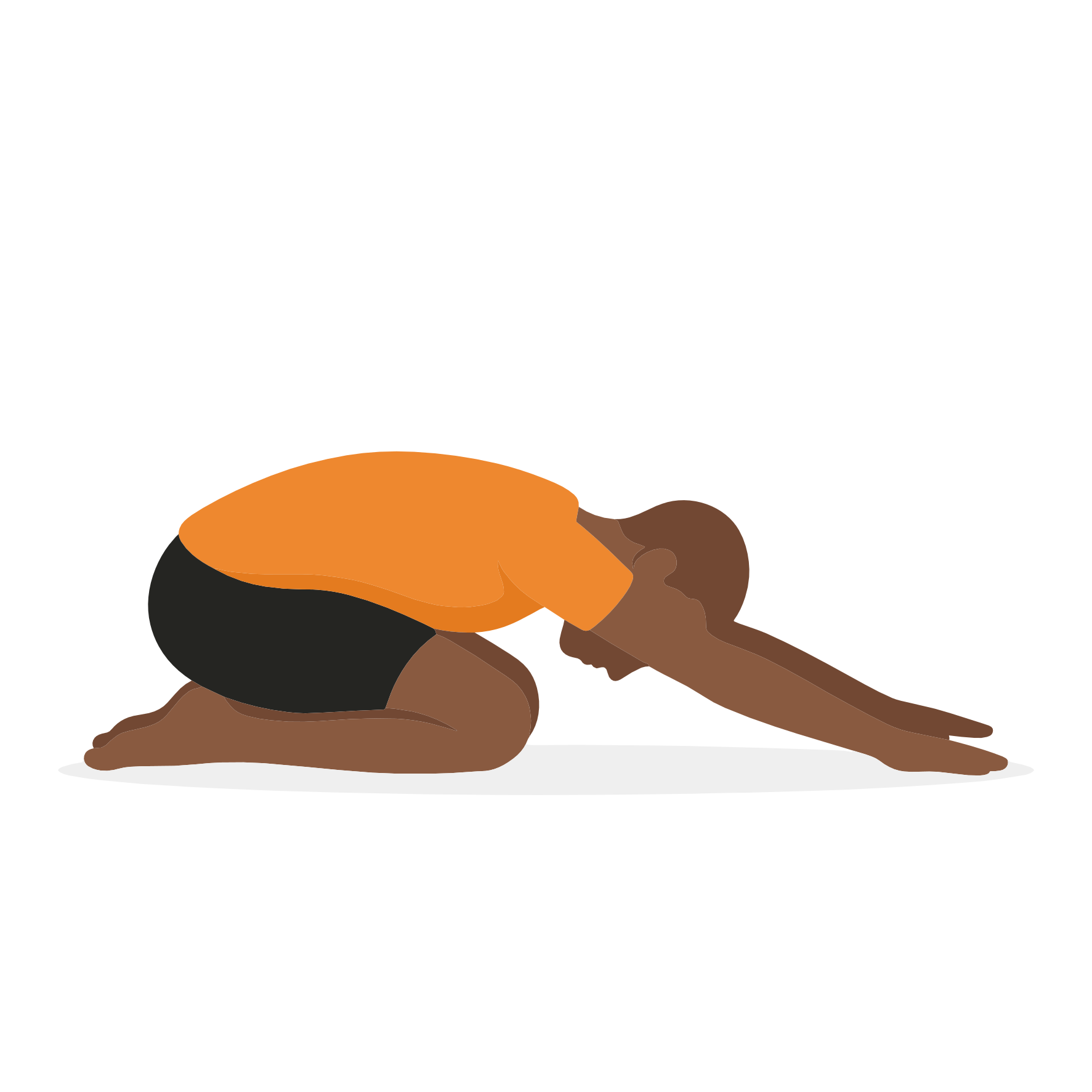
Child's Pose
Lower Back · 60 seconds
  1. Kneel and sit back on your heels, spreading the knees wide or together
  2. Reach both arms forward along the floor
  3. Rest your forehead on the mat and allow the spine to lengthen
  4. Breathe deeply into the back body, expanding with each inhale
  5. Hold for 60 seconds or longer for a deeper release
Why it works
Relieves rotational tension in the spine caused by the asymmetrical demands of kicking.
10
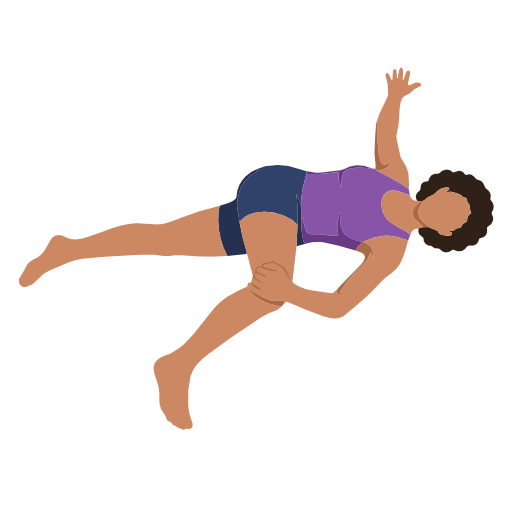
Supine Spinal Twist
IT Band and Hips · 30 seconds per side
  1. Lie on your back and draw one knee toward your chest
  2. Gently guide that knee across your body toward the opposite floor
  3. Extend the same-side arm out to a 'T' to keep the shoulder grounded
  4. Keep both shoulder blades on the floor throughout
  5. Breathe deeply and allow gravity to deepen the twist
Why it works
Releases the lateral hip and IT band, which endure heavy loading during high-speed defensive work.

Restoring Resting Length

Sprinting isn't just about contraction; it's about control. In soccer, your hamstrings and adductors are constantly working in an 'eccentric' fashion, meaning they are lengthening while under massive load.[1]

By the end of 90 minutes, your muscles are fatigued and physically shorter than when you started. Static stretching after the game is the only way to reset that length and ensure you don't enter a 'shortening cycle' that leads to injury.

The Hamstring Window

24% of all professional soccer injuries are hamstring strains. Most of these occur because the muscle has become too tight from previous games to handle the range of an all-out sprint.[2]

Post-match stretching isn't just for comfort; it's the reset button for your season.

The Standing Hamstring Stretch in this routine is your most important move. By holding it for 45 seconds while your tissue is still warm, you restore the elasticity needed to handle the high speeds of your next match.

Reversing the Adductor Stress

The 'groin' is the second most common site of injury for footballers. The adductor longus is under extreme tension every time you strike a ball with your instep or pivot to shield an opponent.[3]

Moves like the Butterfly Stretch and the Wide-Legged Fold are essential for protecting these muscles. They offload the tension on the pubic bone and ensure your hips remain mobile, reducing the risk of a season-ending groin strain.

Frequently asked questions

How soon after the whistle should I stretch?
Ideally within 15 minutes. You want to stretch while your core temperature is still elevated and your muscles are most pliable.
Why are my hamstrings always tight after a game?
Soccer is an 'eccentric' sport, your hamstrings are constantly lengthening while under high tension (like during a sprint). This creates micro-trauma that leads to tightness.
Can I do this if I have a groin pull?
If you have a sharp pain or a diagnosed strain, avoid stretching that area until the initial inflammation has subsided. Stick to the other muscles.
Reach is launching soon
Audio cues, hold timers, and sport-specific routines built for athletes who want to stay healthy. Join the waitlist to be first to know when we launch.
1. Ekstrand J et al. BJSM. 2023
2. Tyler TF et al. AJSM. 2001
3. FIFA 11+ Manual. 2011

More Soccer guides

Mobility
Soccer Mobility Stretches: Daily Routine for Season-Long Durability
Warm-Up
Soccer Warm-Up Stretches: 11 Dynamic Moves to Prime Your Match