
← Back to library
Baseball·Cool-Down
·7 min read

Baseball Cool-Down Stretches: 10 Post-Game Holds for Arm Care

Post-game recovery for baseball must prioritize the modified sleeper stretch to reverse the loss of internal rotation (GIRD) that occurs during high-velocity throwing.

A pitching outing produces roughly 10 degrees of acute internal rotation loss that can persist for over 24 hours. Static stretching in the 15-minute post-game window is the most effective way to restore posterior capsule pliability, protecting your shoulder and elbow from long-term injury. These ten holds are the foundation of a professional-level arm care protocol.

The Recommended Routine

1
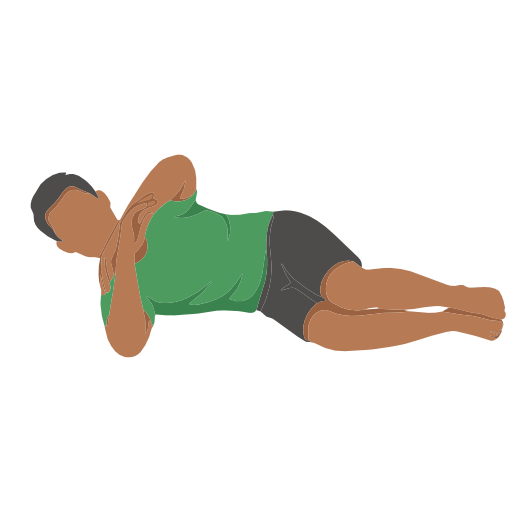
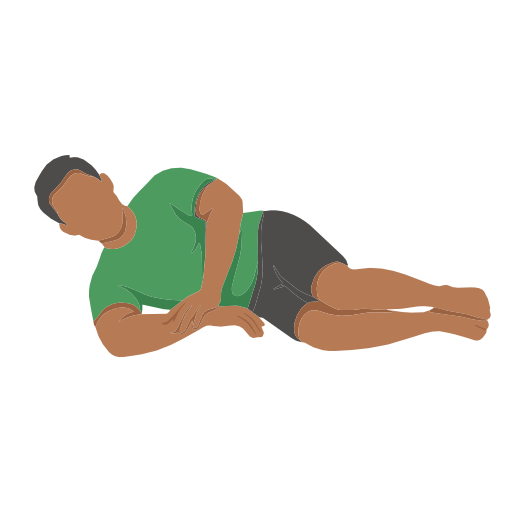
Sleeper Stretch
Posterior Shoulder Capsule · 45 seconds x 3 reps (throwing side)
  1. Lie on your side with the bottom arm extended straight out from the shoulder
  2. Bend the bottom elbow to 90 degrees, hand pointing toward the ceiling
  3. Use your top hand to gently press the bottom hand toward the floor (internal rotation)
  4. Stop when you feel a stretch in the back of the shoulder, do not force it
Why it works
Reverses Glenohumeral Internal Rotation Deficit (GIRD). Maintaining internal rotation is the #1 way to protect the UCL.
2
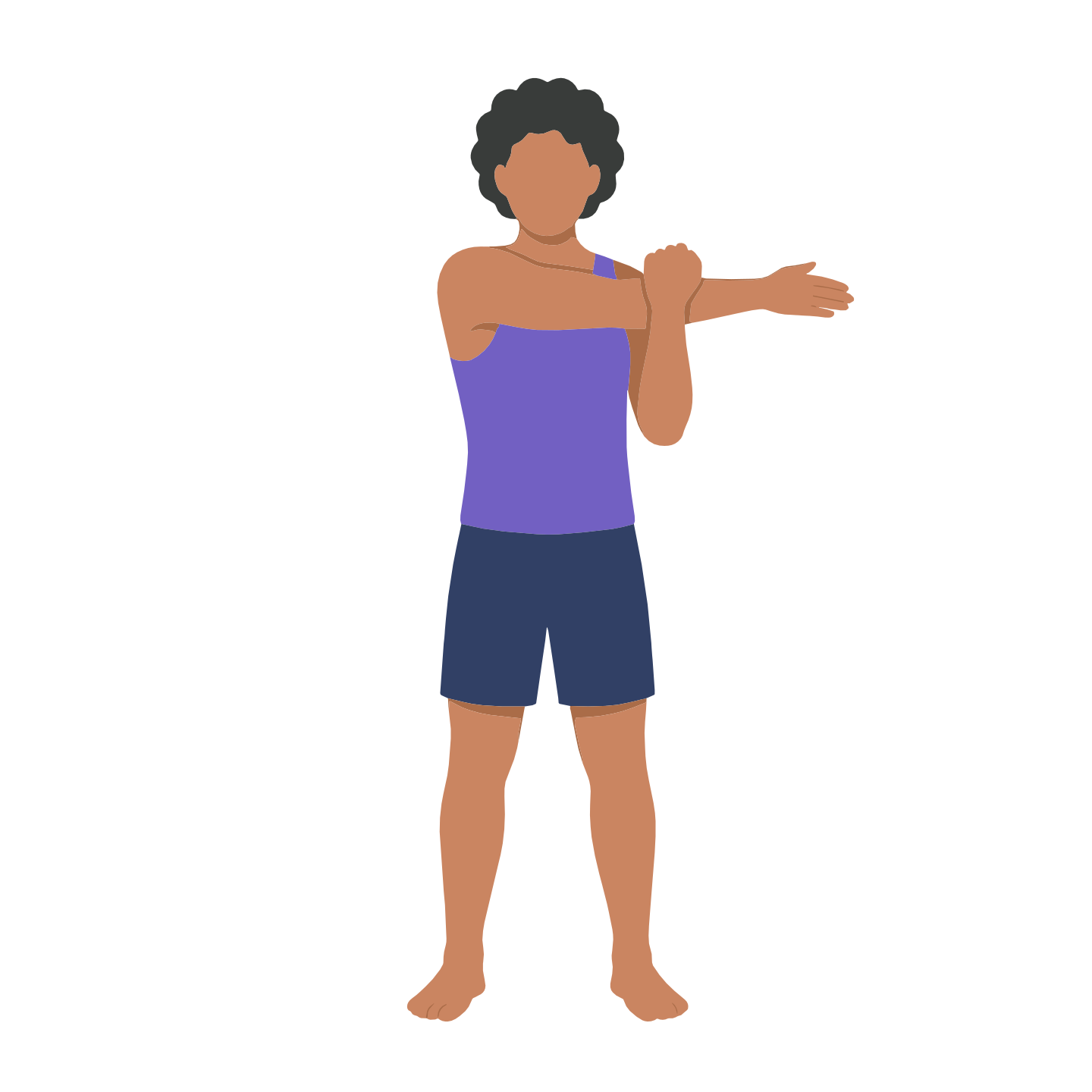
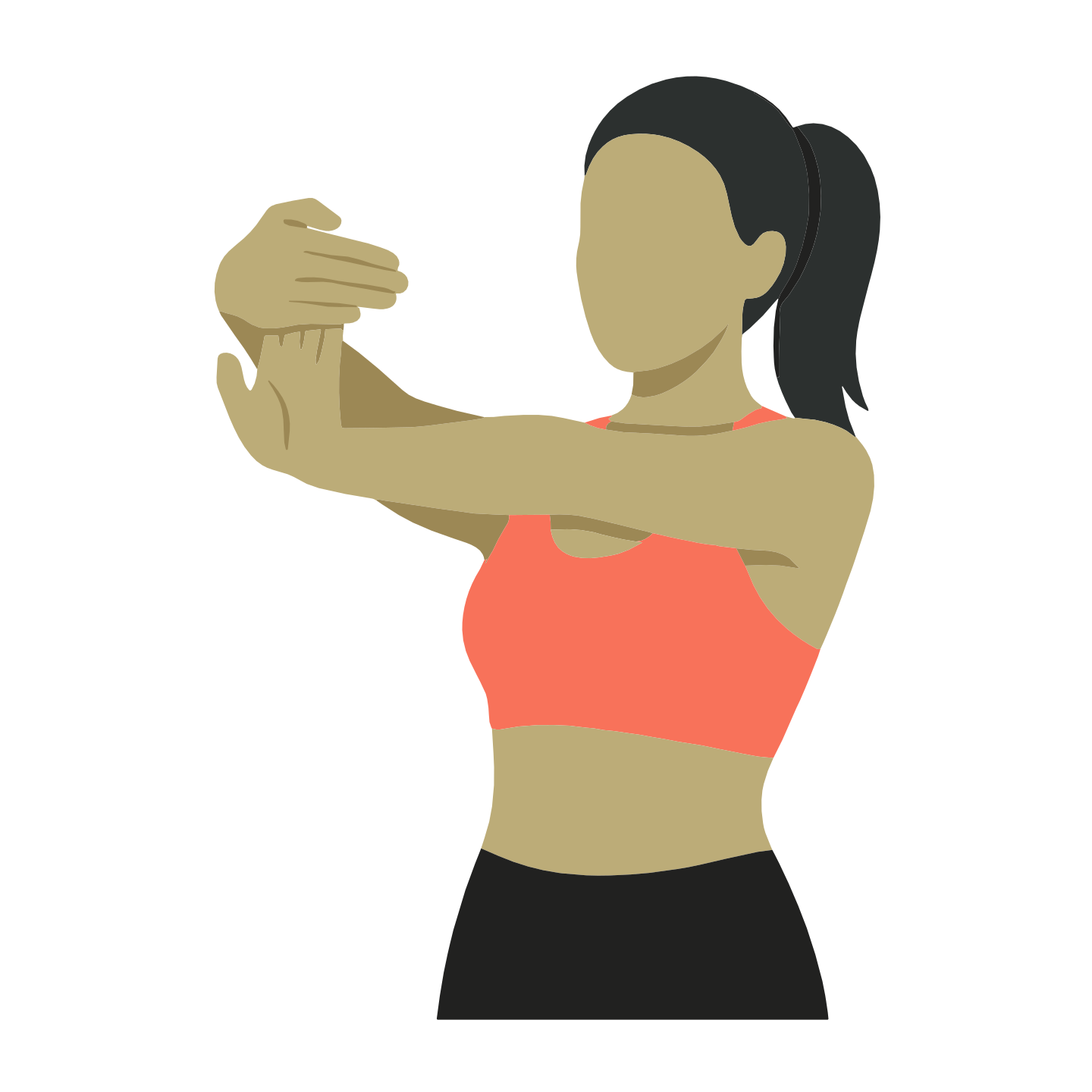
Cross-Body Shoulder Stretch
Posterior Cuff and Deltoid · 30 seconds x 3 reps per side
  1. Bring one arm straight across your chest at shoulder height
  2. Use the opposite forearm or hand to press the arm gently into the chest
  3. Keep your shoulder down, don't let it shrug upward
  4. Look straight ahead or slightly away from the stretched arm
  5. Hold, release, and switch sides
Why it works
Targets the teres minor, the muscle that 'brakes' the arm during follow-through. Essential for post-throwing recovery.
3
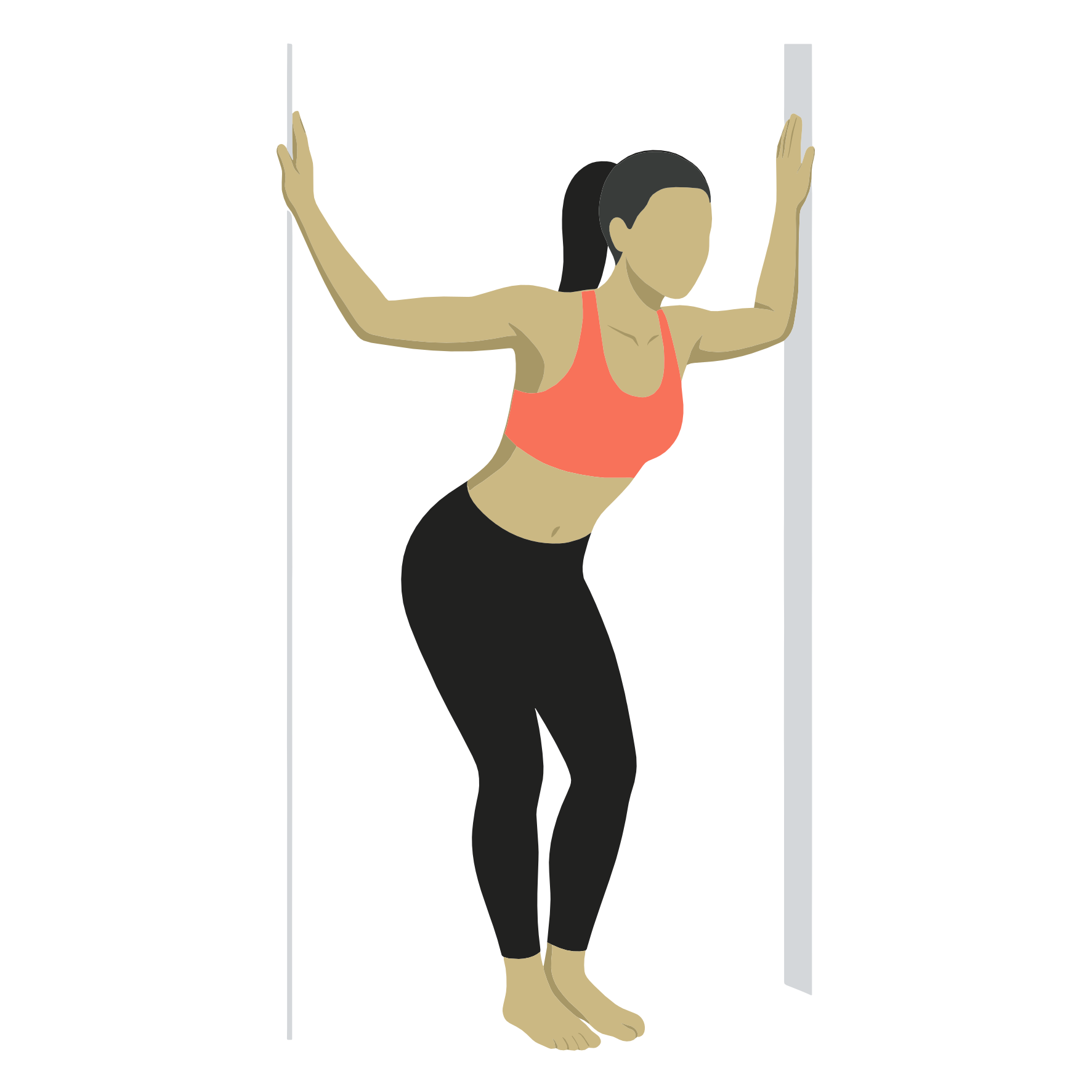
Doorway Chest Stretch
Chest and Shoulders · 30 seconds per side
  1. Place hands on a wall, chair, or door frame at shoulder height
  2. Lean your torso forward between your arms until a stretch is felt across the chest
  3. Keep a slight bend in the elbows
  4. Hold the stretch without bouncing
  5. Breathe deeply and let the chest expand with each inhale
Why it works
Tight pecs pull the shoulder blade forward, reducing the space for the rotator cuff to move safely.
4
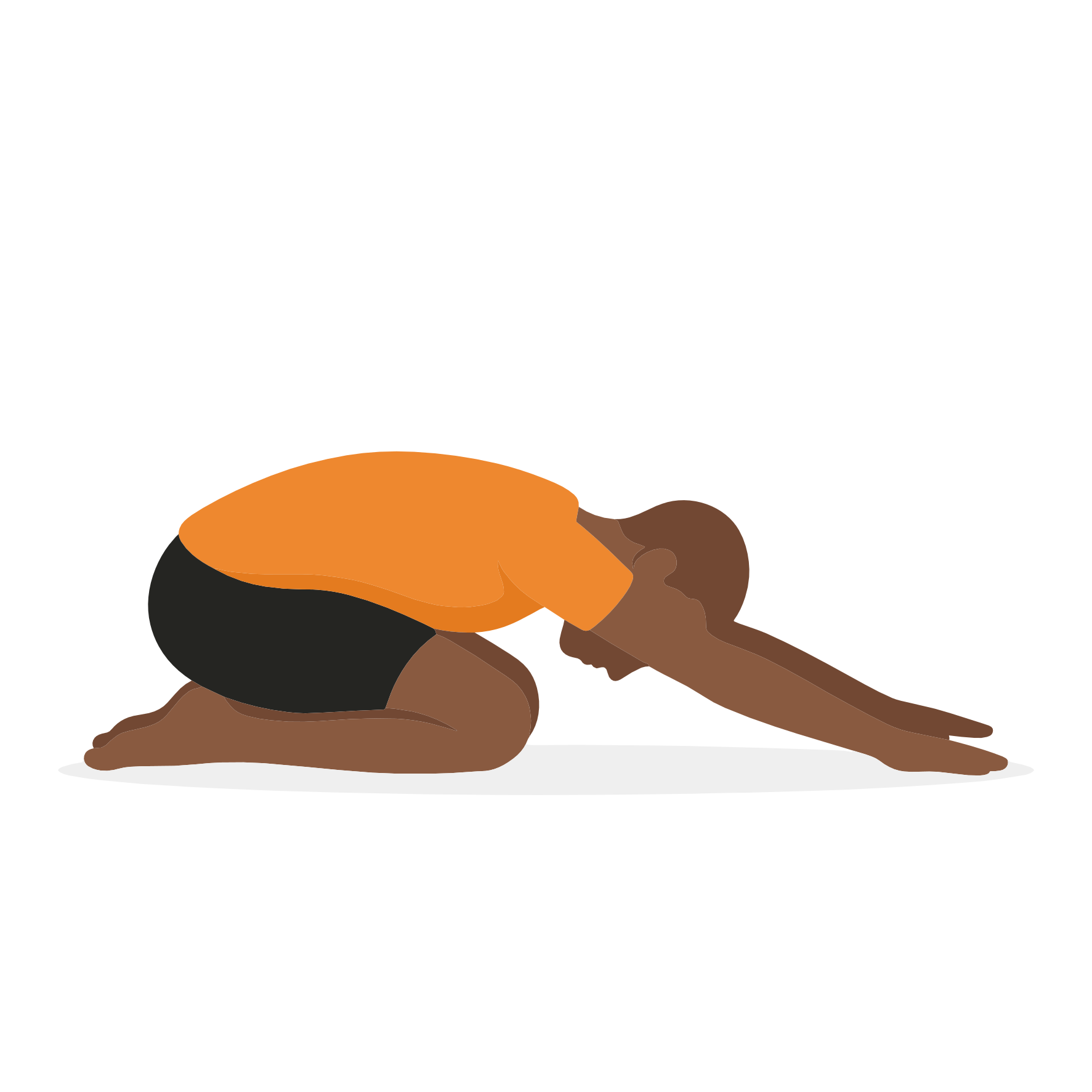
Child's Pose
Lats and Low Back · 45 seconds per side
  1. Kneel and sit back on your heels, spreading the knees wide or together
  2. Reach both arms forward along the floor
  3. Rest your forehead on the mat and allow the spine to lengthen
  4. Breathe deeply into the back body, expanding with each inhale
  5. Hold for 60 seconds or longer for a deeper release
Why it works
The lats are major power-producers in throwing; tightness here restricts your overhead range and drives back pain.
5
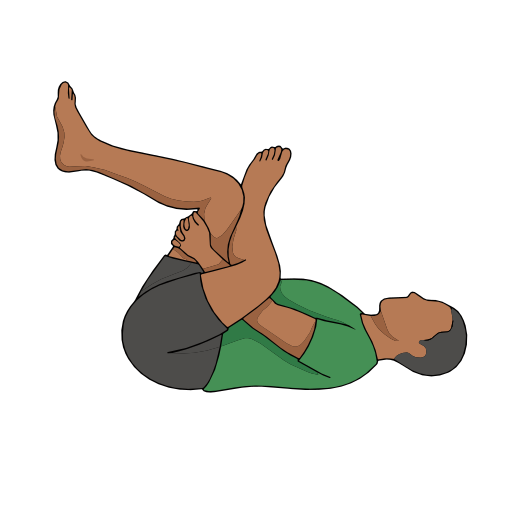
Lying Figure-4
Glutes and Hips · 45 seconds per side
  1. Lie on your back with both knees bent and feet flat on the floor
  2. Cross one ankle over the opposite knee in a figure-4 shape
  3. Pull the bottom thigh toward your chest, threading your hands through or around
  4. Keep your head and shoulders relaxed on the floor
  5. Hold, breathe deeply, then switch sides
Why it works
Loss of hip rotation forces the shoulder to overwork. Maintaining hip range offloads the torque on your elbow.
6
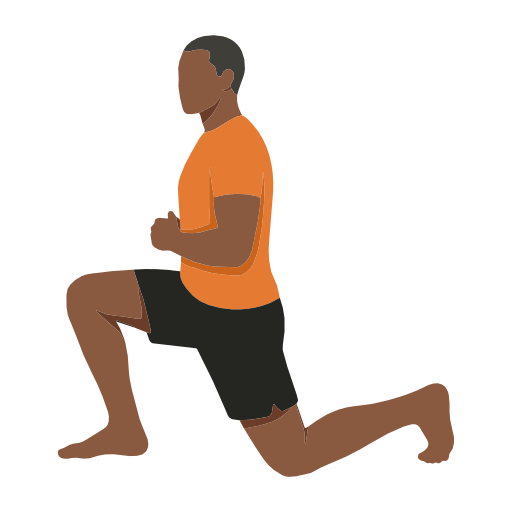
Half Kneeling Hip Flexor
Hip Flexors · 45 seconds per side
  1. Assume a half-kneeling position (one knee down, one foot forward)
  2. Tuck your pelvis slightly (posterior tilt) to engage the glute of the down leg
  3. Shift your weight slightly forward without arching your lower back
  4. Maintain a tall posture
Why it works
The lead-leg flexors tighten significantly from the impact of landing. This restores the length needed for a full stride.
7
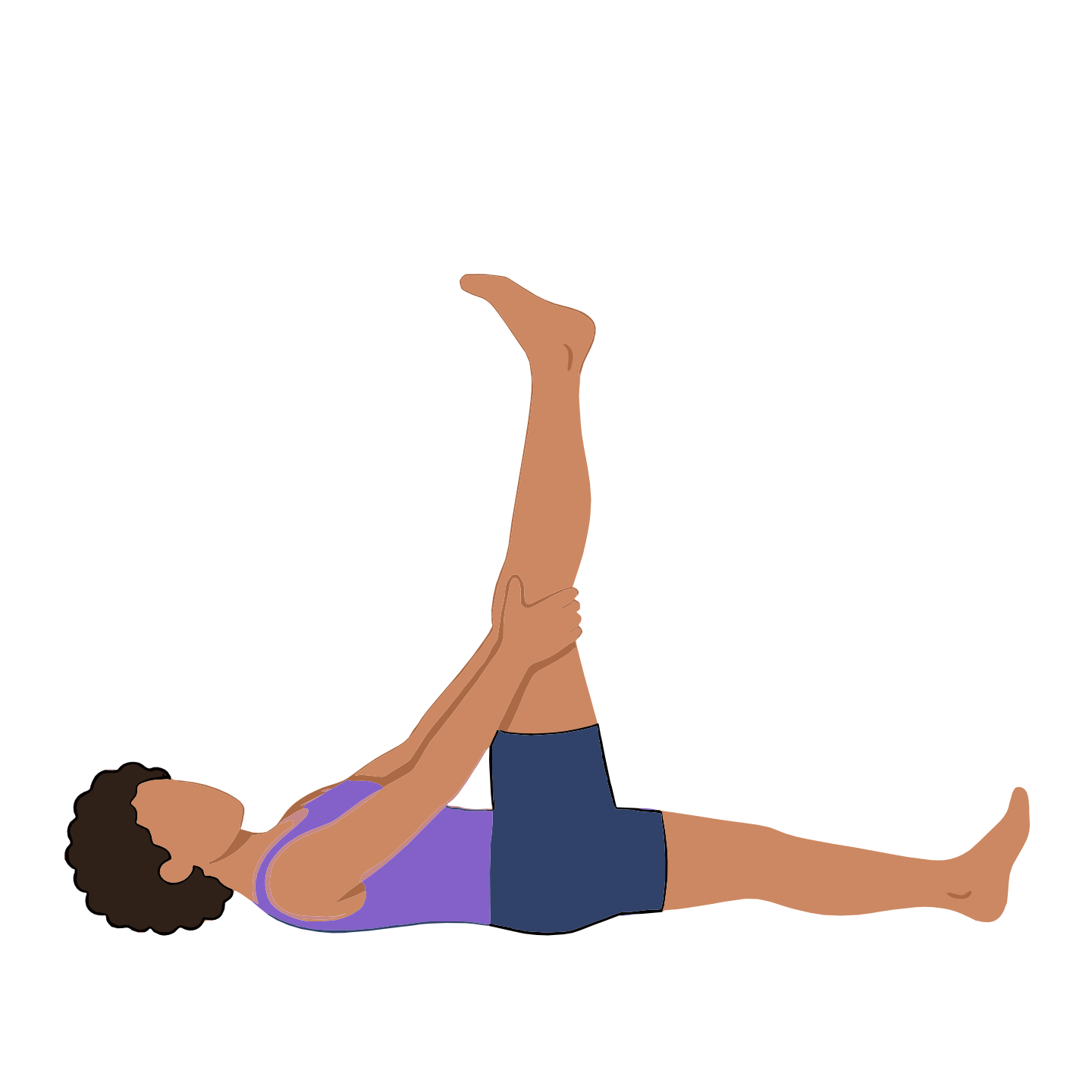
Lying Floor Hamstring Fold
Hamstrings · 60 seconds per side
  1. Lie on your back with one leg flat on the ground
  2. Raise the other leg as high as it will naturally go
  3. Grasp behind the thigh or calf and gently pull the leg toward you
  4. Flex your foot to increase the stretch
  5. Keep the grounded leg flat and the lower back pressing into the floor
Why it works
Prevents the #1 non-contact injury in baseball. Preserves the hip flexion needed for full pelvic rotation.
8
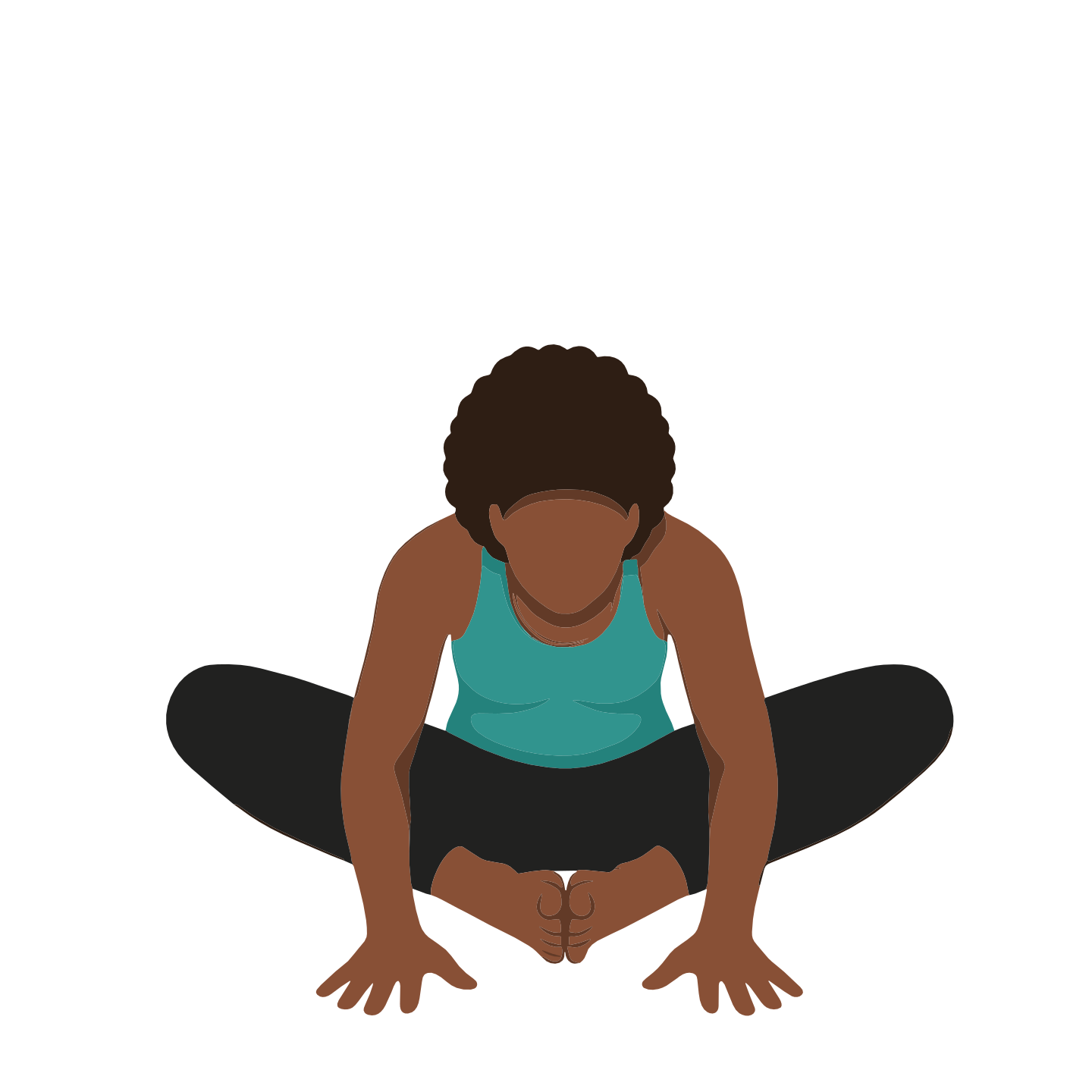
Butterfly Stretch
Inner Thigh (Adductors) · 45 seconds
  1. Sit on the floor and bring the soles of your feet together
  2. Hold your feet and sit tall with a long spine
  3. Gently press your knees toward the floor using your elbows
  4. Hinge slightly forward from the hips to deepen the stretch
  5. Do not force the knees down, let gravity do the work
Why it works
Adductors decelerate your stride leg upon foot strike; strains are the most common groin injury in the game.
9
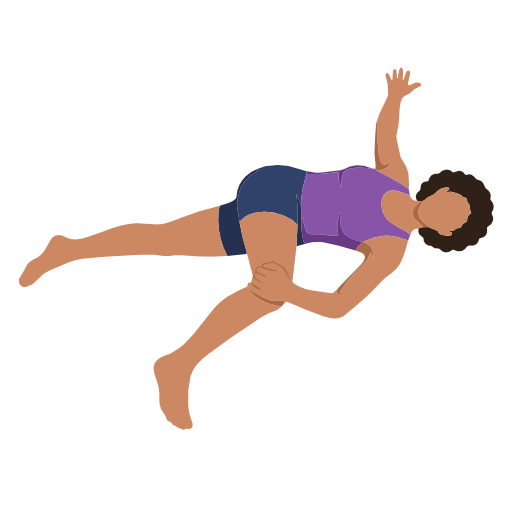
Supine Spinal Twist
Mid-Back (Thoracic) · 45 seconds per side
  1. Lie on your back and draw one knee toward your chest
  2. Gently guide that knee across your body toward the opposite floor
  3. Extend the same-side arm out to a 'T' to keep the shoulder grounded
  4. Keep both shoulder blades on the floor throughout
  5. Breathe deeply and allow gravity to deepen the twist
Why it works
Restores the T-spine rotation that is measurably lost after a high-volume pitching outing.
10
Wrist Flexor Stretch
Forearm Flexors · 30 seconds
  1. Extend one arm in front of you with the palm facing up
  2. Use the opposite hand to gently pull the fingers back toward your body
  3. Keep the elbow straight for maximum forearm stretch
  4. Hold, breathe, and switch sides
  5. Ease off if you feel any sharp pain in the elbow
Why it works
The forearm muscles stabilize the medial elbow. Stretching them offloads the tension on the UCL.

The Arm Care Ritual

In professional baseball, recovery is treated with the same intensity as training. A pitching outing isn't over when you step off the mound; it's over when your post-game ritual is complete.[1] The 15 minutes after you throw will dictate how your arm feels 48 hours from now.

These static holds are designed to 'unwind' the specific torques created by high-velocity throwing.

Reversing the 24-Hour Loss

Clinical studies have shown that pitchers lose an average of 10 degrees of internal rotation in their throwing shoulder immediately after a game.[2] If you don't actively work to restore that range, the loss becomes cumulative over the course of a season.

Reversing post-game rotation loss is the cheapest insurance for your arm.

This condition, known as GIRD, is one of the most consistent predictors of serious shoulder and elbow injuries, including UCL tears. The Modified Sleeper Stretch in this routine is your most effective tool for reversing that loss and keeping your arm healthy.

The Adductor-Elbow Connection

It may seem strange, but the health of your groin affects the health of your elbow. The adductors of your lead leg are responsible for 'braking' your body's forward momentum after the ball is released.[3]

If your adductors or hamstrings are tight, your pelvis can't rotate fully. This forces your upper body to over-compensate, placing massive, unnecessary torque on the medial elbow. By performing the Butterfly and Hamstring stretches, you ensure that your entire kinetic chain is working together, rather than leaving your arm to do all the work.

Frequently asked questions

Why do I lose range of motion after I throw?
The high-velocity 'braking' of the arm creates micro-trauma in the posterior shoulder. This causes the tissue to tighten protectively, leading to GIRD.
How soon after my last pitch should I do this?
Within 15 to 20 minutes is ideal. The goal is to catch the tissue while it's still warm and before the acute tightening sets in.
Should I do the sleeper stretch on both arms?
No. Focus the sleeper stretch on your throwing arm only. For the other arm, use the general cross-body stretch.
Reach is launching soon
Audio cues, hold timers, and sport-specific routines built for athletes who want to stay healthy. Join the waitlist to be first to know when we launch.
1. Wilk et al. JOSPT. 2013
2. McClure et al. JOSPT. 2007
3. Robb et al. AJSM. 2010

More Baseball guides

Mobility
Baseball Mobility Stretches: Daily Maintenance for the Throwing Athlete
Warm-Up
Baseball Warm-Up Stretches: 10 Dynamic Moves Before the First Pitch